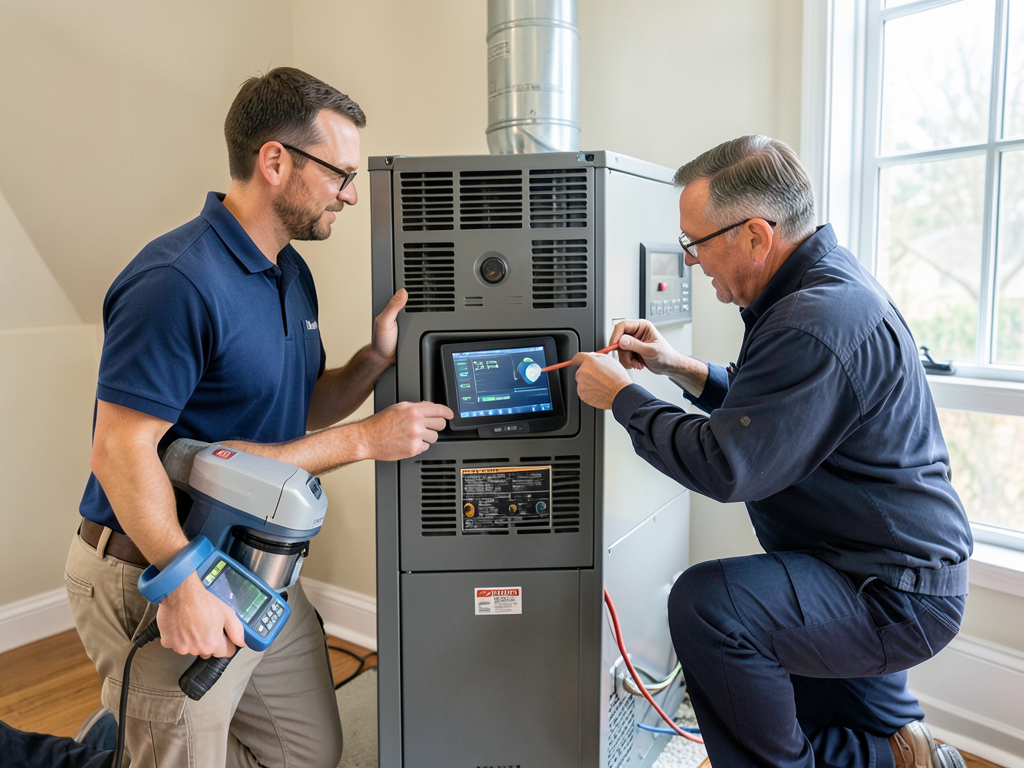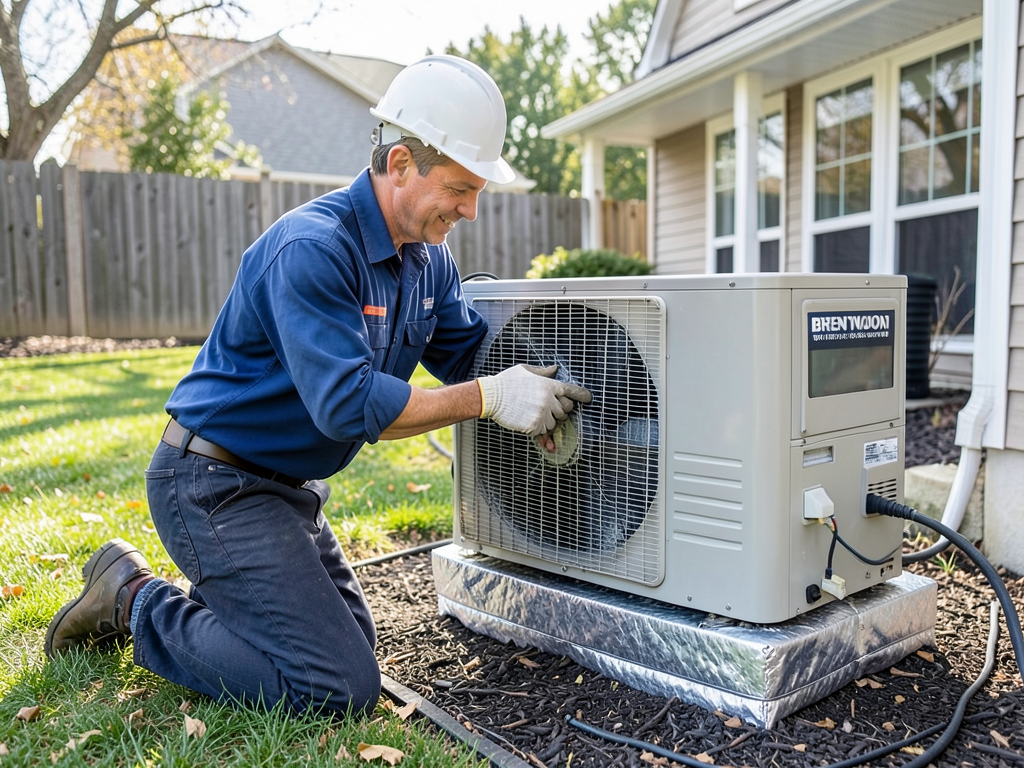








Nashville sits at the intersection of humid subtropical and humid continental climate zones, which means your heat pump operates in both cooling and heating modes for equal parts of the year. Summer dew points regularly hit 70 degrees, forcing your heat pump to run long cycles just to remove moisture, which stresses the compressor and evaporator coil. Winter temperatures drop below 20 degrees multiple times per season, triggering defrost cycles that wear out reversing valves and drain condensate systems. Most heat pump installers do not account for Nashville's dual-season stress when sizing equipment, which is why systems fail at year eight instead of year fifteen. Proper heat pump system installation requires understanding how Middle Tennessee's weather patterns affect refrigerant pressures, compressor oil return, and defrost cycle frequency.
Nashville's Metropolitan Code of Laws requires specific condensate overflow protection and refrigerant line support that many national HVAC chains ignore. We follow Tennessee's mechanical code for auxiliary heat staging and emergency heat lockout, which prevents your backup heat from running unnecessarily during mild winter days. We also understand Davidson County's permitting requirements for heat pump replacement, which include electrical load calculations and refrigerant recovery documentation. Choosing a heat pump service provider who knows local codes prevents failed inspections and ensures your system qualifies for any available utility rebates through Nashville Electric Service or Middle Tennessee Natural Gas.