





Menu

Commercial Maintenance Agreements in Nashville – Reduce Operating Costs and Eliminate Emergency Downtime

Protect your facility's bottom line with commercial HVAC service agreements that prevent costly breakdowns, extend equipment life, and maintain optimal energy efficiency across your Nashville operations.

Slider Image 1
Slider Image 2
Slider Image 3
Slider Image 4
Slider Image 5
Slider Image 7
Slider Image 8
Slider Image 9
Slider Image 10
Slider Image 11

Nashville's Commercial HVAC Systems Face Unique Seasonal Stress

Nashville's climate puts your commercial HVAC equipment through extreme cycling. Summer temperatures routinely exceed 90 degrees with 70 percent humidity, forcing rooftop units and chillers to run continuously for months. Winter brings sudden freezing events that stress heat exchangers and create condensate line failures. This seasonal whiplash accelerates wear on compressors, contactors, and refrigerant circuits.

Your HVAC system is your second-largest operating expense after payroll. When a rooftop unit fails during peak business hours, you lose productivity, revenue, and tenant satisfaction. Emergency service calls cost three times more than scheduled maintenance. Reactive management creates budget uncertainty and exposes your business to liability risks from poor indoor air quality or temperature control failures.

Commercial HVAC maintenance plans address this problem directly. HVAC preventive maintenance agreements shift you from reactive crisis management to predictive asset management. Commercial planned maintenance agreements provide scheduled inspections, filter changes, refrigerant monitoring, and electrical testing before components fail. Commercial HVAC service contracts lock in pricing, eliminate surprise repair bills, and extend equipment lifecycles by 40 percent.

Most Nashville commercial facilities operate aging equipment past manufacturer recommendations. Without commercial HVAC service agreements, you are gambling with business continuity. A systematic maintenance approach reduces energy consumption, maintains warranty compliance, and documents due diligence for insurance and regulatory requirements.

Nashville's Commercial HVAC Systems Face Unique Seasonal Stress
How Commercial HVAC Service Contracts Protect Your Operations

How Commercial HVAC Service Contracts Protect Your Operations

Commercial HVAC maintenance plans are not calendar-based checklist visits. Effective programs use equipment-specific protocols based on manufacturer specifications, runtime hours, and environmental conditions. For Nashville facilities, this means adjusting maintenance frequency for high-humidity operation and accounting for particulate loads from regional pollen and construction activity.

A proper commercial planned maintenance agreement starts with a complete system audit. Technicians document equipment age, capacity, refrigerant type, electrical configuration, and control sequences. This baseline assessment identifies immediate safety hazards, code violations, and components approaching end-of-life. You receive a prioritized action plan with budget estimates for capital replacements versus repair optimization.

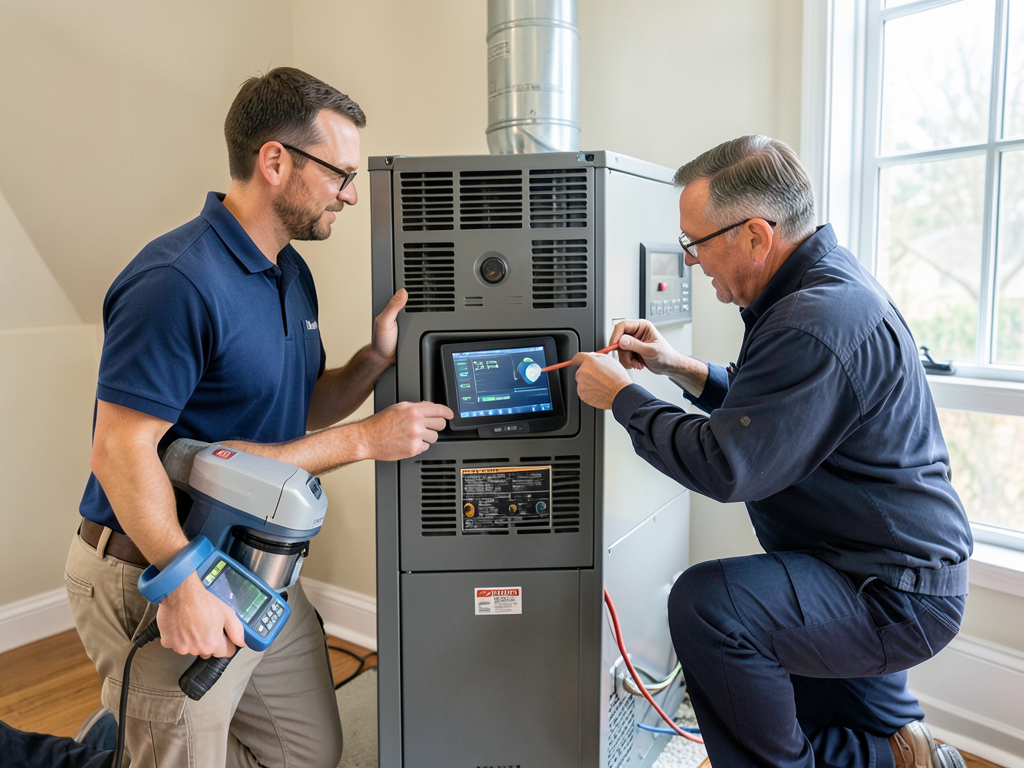
Scheduled maintenance visits include refrigerant charge verification using superheat and subcooling calculations, amp draw testing on compressors and fan motors, contactor inspection for pitting and heat damage, capacitor testing under load, and combustion analysis on gas furnaces. Technicians clean condenser coils, check drain line operation, calibrate thermostats, and verify economizer damper operation.

HVAC preventive maintenance agreements include priority response for breakdowns. When equipment fails between scheduled visits, you bypass the emergency queue. Diagnostic time is faster because technicians have system history and parts inventory. Commercial HVAC service agreements eliminate the surprise factor. You know your annual HVAC budget in January, not after a July compressor failure forces an unplanned capital expenditure.

How We Structure Your Commercial HVAC Service Agreement

Commercial Maintenance Agreements in Nashville – Reduce Operating Costs and Eliminate Emergency Downtime
01

System Assessment and Documentation

We conduct a comprehensive equipment inventory and performance baseline for every HVAC asset. Our technicians record nameplate data, test electrical systems, measure airflow and temperature differentials, and document deferred maintenance. You receive a detailed report with recommendations, energy efficiency opportunities, and a customized maintenance schedule aligned with your operational requirements and budget constraints.
02

Scheduled Preventive Maintenance Visits

We perform quarterly or bi-annual service visits based on equipment type and usage patterns. Each visit follows manufacturer-recommended protocols including refrigerant monitoring, electrical testing, lubrication, filter replacement, and control calibration. Technicians identify developing problems before they cause failures. You receive visit reports with photos, test measurements, and recommendations. All findings are logged in your equipment history for trend analysis and capital planning.
03

Priority Response and Reporting

Agreement holders receive priority dispatch for breakdowns and after-hours emergencies. Your dedicated account manager tracks all service activity, maintains parts inventory for your specific equipment, and provides quarterly performance reviews. You receive annual reports showing cost savings, energy trends, and equipment health scores. This documentation supports budget justification, demonstrates regulatory compliance, and provides audit trails for insurance and liability protection.

Why Nashville Facilities Trust Alpha HVAC for Commercial Agreements

Nashville's commercial building stock includes everything from historic downtown structures with retrofit HVAC to modern industrial facilities with sophisticated building automation systems. Managing this equipment diversity requires technicians who understand legacy systems and current technology. Our team services commercial facilities across Davidson County, from Germantown office buildings to industrial operations in MetroCenter.

We understand Nashville's building and mechanical codes. Commercial HVAC installations must meet specific ventilation requirements based on occupancy type, follow refrigerant handling protocols under EPA Section 608, and comply with energy codes for economizer operation and equipment efficiency. Our maintenance documentation supports your code compliance and provides evidence of proper care for insurance claims and liability defense.

Commercial HVAC service agreements require financial stability and operational capacity. You need a partner who will be here in five years to honor the agreement. We maintain parts inventory for common commercial equipment, stock emergency replacement units, and have the staffing depth to handle multiple simultaneous service calls without compromising scheduled maintenance visits.

Our approach is data-driven and transparent. You receive actual test measurements, not subjective observations. Refrigerant pressures, amp draws, temperature differentials, and airflow readings are documented on every visit. This creates an objective equipment health record that tracks performance over time, identifies degradation trends, and supports capital planning decisions with actual operating data rather than guesswork.

What Your Commercial Maintenance Agreement Includes

Response Time and Service Windows

Scheduled maintenance visits are coordinated around your business operations to minimize disruption. We work nights and weekends for facilities that cannot accommodate daytime service interruptions. Emergency response time for agreement holders is two hours or less during business hours. After-hours emergency service receives priority dispatch. Your service agreement includes defined response commitments, not vague promises. We track our performance metrics and provide quarterly reports showing our actual response times versus contractual obligations.

Equipment Evaluation and Planning

Every maintenance visit includes condition assessment and remaining service life evaluation. Technicians document wear patterns, efficiency degradation, and component reliability. You receive recommendations with budget estimates for repairs, upgrades, or replacements. We help you plan capital expenditures, not react to failures. Annual performance reviews include energy consumption analysis, repair cost trends, and replacement timing recommendations. This forward planning eliminates surprise equipment failures and helps you budget accurately for long-term facility management.

Performance Documentation and Compliance

Your service agreement includes comprehensive documentation for every maintenance visit and service call. Reports include photos, test measurements, parts replaced, and technician observations. This documentation supports insurance requirements, regulatory compliance, and due diligence for property transactions. You receive annual summaries showing total system runtime, energy efficiency trends, and cost analysis comparing maintenance investment versus repair expenses. These reports demonstrate proper asset management and provide audit trails for liability protection and warranty compliance.

Cost Control and Budget Predictability

Commercial HVAC service contracts lock in maintenance pricing for the agreement term. You eliminate surprise repair bills and budget uncertainty. Agreement holders receive discounted rates on repairs and parts. Priority access to equipment and technician availability means faster repairs and reduced downtime costs. Most facilities see 30 to 40 percent reduction in total HVAC operating costs within the first year of implementing a preventive maintenance program. The agreement pays for itself through avoided emergency service premiums, extended equipment life, and reduced energy consumption.

Frequently Asked Questions

You Have Questions,
We Have Answers

What should be included in a maintenance agreement? +

A comprehensive maintenance agreement includes scheduled preventive inspections, filter changes, coil cleaning, refrigerant checks, and electrical testing. For Nashville commercial properties, agreements should cover humidity control components and condensate drain maintenance due to regional moisture levels. Priority service response, discounted repair rates, and detailed service logs are standard. Many agreements include emergency callback provisions and seasonal tune-ups before peak cooling and heating seasons. Equipment covered should be specified by model and location. Labor costs for routine maintenance are bundled, while parts and major repairs are typically billed separately. Review scope carefully to ensure coverage matches your facility's operational requirements and minimize unplanned downtime.

What is the difference between AMC and CAMC? +

AMC (Annual Maintenance Contract) covers preventive maintenance, inspections, and labor only. Parts, refrigerant, and repairs are billed separately. CAMC (Comprehensive Annual Maintenance Contract) includes all labor, parts, refrigerant, and repairs except major component failures or negligence-related damage. CAMC costs more upfront but provides predictable budgeting and eliminates surprise repair bills. For Nashville facilities with aging equipment or high runtime demands, CAMC reduces financial risk and ensures faster repairs since parts procurement is the contractor's responsibility. AMC suits newer equipment with lower failure risk. Evaluate your equipment age, criticality, and budget volatility when choosing between contracts.

What is a standard maintenance agreement? +

A standard maintenance agreement provides scheduled preventive service visits, typically quarterly or biannually, covering filter replacement, lubrication, belt inspection, electrical connections, and performance testing. Labor for routine maintenance is included. Parts, refrigerant, and emergency repairs are excluded and billed at contracted rates. The agreement specifies response times for service calls and may include priority scheduling during peak demand. For Nashville commercial properties, standard agreements should address outdoor unit coil cleaning due to pollen and seasonal debris accumulation. Documentation includes service reports and maintenance logs for compliance tracking. Standard agreements reduce equipment failure risk and maintain manufacturer warranty compliance without the higher cost of comprehensive coverage.

What are the different types of maintenance contracts? +

Four primary maintenance contract types exist. Preventive Maintenance Contracts cover scheduled inspections and routine service only. Comprehensive Contracts include labor, parts, and most repairs. Time and Material Contracts bill actual labor hours and parts as needed without bundled pricing. Performance-Based Contracts tie payment to uptime targets or energy efficiency metrics. Nashville facilities often choose preventive contracts for newer equipment and comprehensive coverage for older systems or mission-critical applications. Contract type should align with equipment age, operational criticality, and risk tolerance. Evaluate total cost of ownership across contract types, factoring in your facility's historical repair frequency and budget predictability requirements.

What is the 80 20 rule in maintenance? +

The 80 20 rule states that 80 percent of equipment failures result from 20 percent of components. Applying this principle means focusing preventive maintenance resources on high-failure components like compressors, contactors, capacitors, and drain systems. For Nashville HVAC systems, this includes condensate pumps and outdoor coil protection due to humidity and storm debris. Prioritizing critical components in maintenance agreements maximizes reliability while controlling costs. This data-driven approach reduces unnecessary service on low-risk components. Review your facility's equipment failure history to identify which systems warrant intensive preventive focus. Well-structured maintenance agreements should concentrate service frequency on these high-impact areas.

What are the 4 P's of maintenance? +

The 4 P's of maintenance are Preservation, Prediction, Prevention, and Problem-Solving. Preservation extends equipment lifespan through proper care and environmental controls. Prediction uses performance data and trends to forecast failures before they occur. Prevention involves scheduled maintenance to stop breakdowns. Problem-Solving addresses root causes of recurring issues rather than temporary fixes. Nashville commercial facilities benefit from prediction-focused agreements that monitor compressor amperage, refrigerant pressures, and airflow to catch efficiency losses early. Maintenance contracts should incorporate all four principles, not just reactive repairs. This systematic approach minimizes downtime, controls operating costs, and maximizes return on equipment investment through extended service life.

How to price a maintenance contract? +

Pricing a maintenance contract requires calculating labor hours per visit, visit frequency, travel time, parts markup, overhead, and profit margin. Factor in equipment type, quantity, complexity, and accessibility. Nashville market rates for commercial HVAC technicians and regional cost of living affect pricing. Include risk premiums for older equipment or high-consequence applications. Comprehensive contracts require higher pricing to cover parts and repair exposure. Calculate historical repair costs and failure rates to price risk accurately. Competitive pricing balances contractor profitability with client value. Request itemized proposals showing labor allocation, covered components, and exclusions. Compare total cost of ownership across bidders, not just monthly fees.

What are the two types of AMC? +

The two AMC types are Non-Comprehensive and Comprehensive. Non-Comprehensive AMC covers labor for preventive maintenance visits, inspections, adjustments, and cleaning. All parts, refrigerant, and repair labor are billed separately at agreed rates. Comprehensive AMC includes labor, parts, refrigerant, and repairs except catastrophic failures or abuse-related damage. Comprehensive agreements cost significantly more but eliminate unexpected repair expenses. For Nashville commercial properties, comprehensive coverage suits facilities with budget constraints requiring predictable monthly expenses. Non-comprehensive works for properties with capital reserves for repairs and newer equipment. Evaluate equipment condition, criticality, and financial risk tolerance when selecting AMC type.

What does an annual maintenance contract include? +

An annual maintenance contract includes scheduled preventive service visits, filter changes, belt inspections, lubrication, electrical testing, refrigerant level checks, and condensate drain cleaning. Labor for routine maintenance is covered. Most contracts provide priority scheduling, discounted repair rates, and detailed service documentation. For Nashville facilities, seasonal tune-ups before summer cooling loads and winter heating demands are standard. Emergency callback provisions and response time guarantees may be included. Parts, major repairs, and refrigerant additions are typically excluded and billed separately. Contracts specify covered equipment by location and model number. Review exclusions carefully to understand your financial exposure for repairs and component replacements.

What are the 7 types of maintenance? +

The seven maintenance types are Reactive, Preventive, Predictive, Condition-Based, Predetermined, Corrective, and Reliability-Centered Maintenance. Reactive fixes failures after occurrence. Preventive schedules routine service regardless of condition. Predictive uses data analysis to forecast failures. Condition-Based monitors real-time equipment status. Predetermined follows manufacturer intervals. Corrective eliminates root causes. Reliability-Centered prioritizes resources on critical systems. Nashville commercial agreements typically combine preventive and predictive approaches, scheduling routine service while monitoring performance trends. High-value facilities benefit from reliability-centered strategies focusing resources on mission-critical equipment. Your maintenance agreement should specify which approaches apply to your equipment and operational requirements.

How Nashville's Commercial Growth Creates HVAC Service Capacity Challenges

Nashville's commercial construction boom has created unprecedented demand for HVAC service. New developments in The Gulch, expansion in Cool Springs, and industrial growth in Antioch stress the service infrastructure. During peak summer months, facilities without service agreements wait days for emergency repairs. Commercial HVAC service contracts guarantee access to qualified technicians when your system fails. In a tight labor market, this service priority is the difference between a two-hour fix and a three-day shutdown that costs thousands in lost productivity.

Nashville facilities face unique maintenance challenges from seasonal pollen loads, high humidity that accelerates biological growth in drain systems, and temperature swings that stress expansion joints and refrigerant circuits. Local commercial HVAC maintenance plans account for these regional factors. Preventive maintenance agreements include extra condenser coil cleanings during spring pollen season, drain line treatments to prevent algae blockages in summer humidity, and fall inspections to verify heating system readiness before winter cold snaps. Generic national service programs miss these Nashville-specific requirements.
HVAC Services in The Nashville Area

Alpha HVAC is a local business dedicated to serving the entire community. Our centralized location allows us to provide swift and reliable service to all surrounding areas. Whether you need a repair, a new installation, or routine maintenance, you can trust our team to be there for you when it matters most. Explore our service area on the map below to see how we can help you with all your heating and cooling needs.

Address:
Alpha HVAC Nashville, 1001 3rd Ave N, Nashville, TN, 37201

Additional Services We Offer

Our news updates

Latest Articles & News from The Blogs

Understanding the difference between a furnace and a boiler for older Middle Tennessee homes Choosing the right heating system for…

Understanding the difference between a furnace and a boiler for older Middle Tennessee homes

Understanding the difference between a furnace and a boiler for older Middle Tennessee homes Choosing the right heating system for…

How to choose a quiet HVAC system that won't disturb your neighbors in Brentwood

How to choose a quiet HVAC system that won't disturb your neighbors in Brentwood Living in Brentwood means enjoying peaceful…

Keeping your boat house or lakeside cabin comfortable with a mini split system

Keeping your boat house or lakeside cabin comfortable with a mini split system\n\nThe humid summers and mild winters of Middle…

Contact Us

Stop gambling with emergency repairs and budget uncertainty. Call (615) 552-1922 to schedule your facility assessment. We will audit your equipment, identify immediate risks, and design a commercial maintenance agreement that protects your operations and reduces your total HVAC operating costs.