



Menu

Furnace Blowing Cold Air in Nashville – Expert Diagnosis and Permanent Repair

When your heating system blows cold air during a Nashville winter, you need more than a temporary fix. Our technicians diagnose the root cause and restore reliable heat to your home.

Slider Image 1
Slider Image 2
Slider Image 3
Slider Image 4
Slider Image 5
Slider Image 7
Slider Image 8
Slider Image 9
Slider Image 10
Slider Image 11

Why Your Nashville Furnace Blows Cold Air When You Need Heat Most

You turn up the thermostat. The blower kicks on. But instead of warm air flooding your rooms, you feel a cold draft. Your heater blowing cold air is not just frustrating. It signals a mechanical failure that will not fix itself.

Nashville winters bring unpredictable cold snaps. Temperatures can drop from 60 degrees to 25 degrees in 48 hours. Your furnace cycles on and off constantly, putting stress on ignition systems, heat exchangers, and gas valves. When a furnace blows cool air instead of heated air, the problem usually sits in one of three zones: ignition failure, airflow restriction, or thermostat miscommunication.

Ignition failures happen when flame sensors corrode or pilot assemblies clog with dust. Your furnace tries to light, fails, then defaults to blowing unheated air through the ducts. Airflow restrictions occur when dirty filters choke supply lines or blocked return vents starve the heat exchanger of oxygen. Thermostat miscommunication sends bad signals, causing the blower to run when the burners stay off.

Nashville's high humidity accelerates component corrosion. The Tennessee Valley's moisture-heavy air seeps into ductwork and settles on sensors. Over time, this moisture causes electrical shorts and sensor drift. When your furnace blows cold air, the underlying issue has been developing for weeks. Ignoring it risks a complete system shutdown when you need heat most. The repair window closes fast. Delaying diagnosis means gambling with comfort and safety.

Why Your Nashville Furnace Blows Cold Air When You Need Heat Most
How We Diagnose and Repair Furnace Cold Air Problems

How We Diagnose and Repair Furnace Cold Air Problems

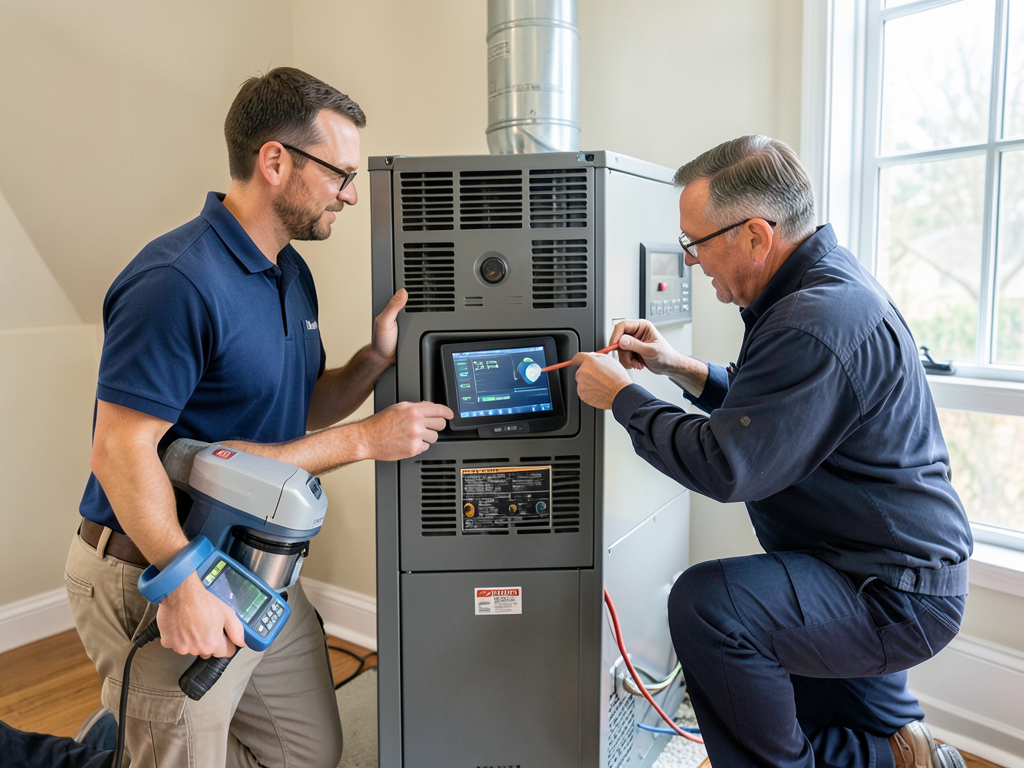
We do not guess. We test each subsystem in sequence to isolate the failure point. Our diagnostic protocol starts with thermostat calibration. We measure voltage at the control board, verify wiring integrity, and confirm signal transmission to the gas valve. If the thermostat commands heat but the burners stay dark, we know the issue lives downstream.

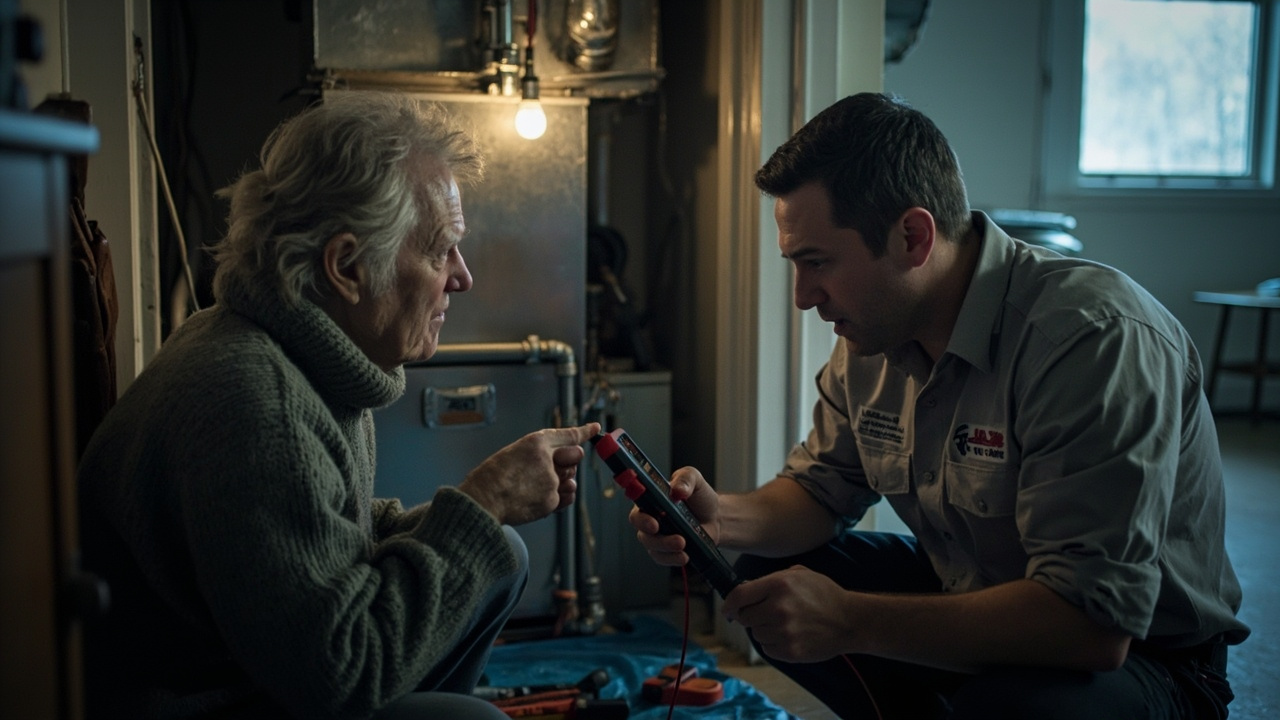
Next, we inspect the ignition assembly. Modern furnaces use hot surface ignitors or electronic spark systems. Both fail when voltage drops or ceramic elements crack. We test continuity with a multimeter and check flame sensor current. If the sensor reads contaminated, we clean or replace it. If the ignitor shows resistance outside specification, we swap it immediately.

Airflow diagnostics come third. We pull the air filter and inspect the blower wheel for debris buildup. A clogged blower wheel reduces static pressure and tricks the limit switch into thinking the heat exchanger is overheating. The furnace shuts down the burners but keeps the blower running, pushing cold air through your home. We measure temperature rise across the heat exchanger to confirm proper combustion. If the rise falls below manufacturer specifications, we trace the root cause to fuel delivery, airflow, or venting issues.

Alpha HVAC Nashville technicians carry replacement components on every truck. We stock ignitors, flame sensors, control boards, and blower capacitors for all major furnace brands. When we identify the failure, we fix it the same day. No return trips. No waiting for parts. We restore heat and verify system performance before leaving your property.

What Happens During Your Cold Air Service Call

Furnace Blowing Cold Air in Nashville – Expert Diagnosis and Permanent Repair
01

System Assessment

Our technician arrives with diagnostic tools and tests your thermostat settings, control board voltages, and burner operation. We measure supply air temperature at the registers and return air temperature at the intake. This temperature differential tells us if the heat exchanger is firing properly or if the blower is running independently.
02

Component Testing

We isolate each potential failure point. The flame sensor gets cleaned and tested for microamp current. The hot surface ignitor gets tested for continuity. The blower capacitor gets tested for microfarad rating. The gas valve gets tested for voltage and proper operation. We trace every electrical connection from the transformer to the control board to eliminate shorts or loose terminals.
03

Repair and Verification

Once we identify the failed component, we install the replacement and test the entire heating cycle. We monitor ignition timing, flame stability, and blower activation. We verify the furnace shuts down properly when the thermostat reaches setpoint. You feel warm air at the registers before we leave. We document the repair and explain what caused the failure so you can prevent future breakdowns.

Why Nashville Homeowners Trust Alpha HVAC for Furnace Repairs

Nashville's housing stock includes everything from 1920s bungalows in East Nashville to new construction in Hermitage. Each home has different HVAC demands. Older homes have oversized furnaces and leaky ductwork. Newer homes have variable-speed blowers and modulating gas valves. We service all of them.

Our technicians understand Nashville's building code requirements. Metro Nashville requires permits for furnace replacements and major component swaps. We pull permits when needed and schedule inspections with Davidson County. This protects your home's resale value and keeps your insurance valid.

We stock parts for every major furnace brand sold in Middle Tennessee. Carrier, Trane, Lennox, Rheem, Goodman, York, American Standard, and Bryant furnaces all get serviced with factory-spec components. We do not use aftermarket shortcuts. Generic ignitors and sensors fail faster than OEM parts. We install what the manufacturer specifies.

Alpha HVAC Nashville also understands the urgency of heating failures. When your furnace blows unheated air during a January cold snap, you need same-day service. We dispatch technicians within hours, not days. Our trucks carry the most common failure components so we can complete repairs on the first visit.

We also provide transparent diagnostics. Before we replace anything, we show you the failed component and explain why it broke. You see the cracked ignitor or the corroded flame sensor. You understand the repair. This builds trust and eliminates the guesswork that plagues this industry.

What You Can Expect From Your Furnace Repair

Fast Response Times

We dispatch technicians within two to four hours of your call during business hours. Emergency service requests get priority routing. Our goal is same-day diagnosis and repair. Most furnace cold air problems stem from ignition failures or sensor issues. These repairs take one to two hours once we identify the fault. You get heat back the same day in most cases.

Comprehensive Diagnostics

Our diagnostic process tests every subsystem. We do not replace parts randomly. We use multimeters, manometers, and combustion analyzers to measure actual performance against manufacturer specifications. You receive a written diagnostic report that lists all findings. If your furnace needs multiple repairs, we prioritize them by urgency and cost. You decide what gets fixed first.

Permanent Solutions

We fix the root cause, not the symptom. If a dirty flame sensor causes ignition failure, we also inspect the air filter and ductwork to find out why the sensor got dirty. If a cracked heat exchanger causes cold air, we investigate why the exchanger cracked. Poor airflow and oversized equipment cause premature failures. We identify these issues and recommend corrections that extend your furnace lifespan.

Ongoing Maintenance Plans

After we restore heat, we offer annual maintenance agreements. Scheduled tune-ups catch small problems before they become expensive failures. We clean flame sensors, test ignitors, measure gas pressure, and inspect heat exchangers. Regular maintenance reduces emergency calls and lowers utility bills. Most Nashville homeowners schedule maintenance in October before heating season starts. This prevents cold air surprises in December and January.

Frequently Asked Questions

You Have Questions,
We Have Answers

How do you reset a furnace that blows cold air? +

Turn off your furnace at the thermostat. Locate the circuit breaker for your heating system and flip it off for 30 seconds, then turn it back on. Next, find the reset button on your furnace (usually red or yellow, near the blower motor). Press it once and wait. Turn the thermostat back to heat mode and set it 5 degrees above room temperature. If your furnace still blows cold air after 10 minutes, you have a deeper issue. Do not repeatedly press the reset button, as this can damage components or indicate a safety lockout.

Why is cold air blowing when the heat is on? +

Cold air blowing when heat is on usually means your furnace is running but not igniting. Check if your pilot light is out or if you hear clicking without ignition. A dirty flame sensor is the most common culprit in Nashville homes with gas furnaces. The sensor gets coated with carbon buildup and shuts down the burners for safety. Other causes include a tripped limit switch, faulty ignitor, or blocked air intake. Nashville's temperature swings stress aging furnaces. If you smell gas or hear unusual noises, shut the system down immediately and call for service.

Should I turn off my heater if it's blowing cold air? +

Yes, turn off your heater if it blows cold air for more than 15 minutes. Running the blower without heat wastes energy and can mask serious problems like a cracked heat exchanger or gas valve failure. In Nashville's humid winters, continuous cold air circulation can make your home feel colder and increase moisture issues. Turn the system off at the thermostat and check your air filter first. If the filter is clean and the problem continues after resetting, do not keep cycling the system. Repeated failed ignition attempts can flood the combustion chamber with gas.

Why is my furnace blowing cold air but no heat? +

Your furnace blows cold air but produces no heat when the burners fail to ignite or stay lit. Common causes include a malfunctioning pilot light, broken ignitor, faulty gas valve, or dirty flame sensor. Nashville furnaces face extra stress from humidity, which corrodes electrical connections and sensors. The thermostat fan setting matters too. If set to "on" instead of "auto," the blower runs constantly, pushing unheated air even when burners are off. Check your circuit breaker and thermostat settings first. If those are fine, you need a technician to inspect the ignition system and gas flow.

Why is my furnace blower running but no heat? +

The blower runs but produces no heat when your furnace cannot ignite or the burners shut off prematurely. The blower motor operates independently from the heating elements. A failed flame sensor is the top cause in gas furnaces. It detects flame presence, and if dirty or faulty, it shuts down burners within seconds as a safety measure. Nashville's clay soil shifts foundations over time, which can disconnect gas lines or misalign components. Other causes include a broken ignitor, clogged burners, or limit switch failure. The blower keeps running because it has not received a shutdown signal.

How do you know if your furnace needs to be reset? +

Your furnace needs a reset if it stops heating suddenly, the blower runs without producing heat, or you hear clicking without ignition. Look for a flashing LED light on the control board. Different flash patterns indicate specific error codes. Nashville homeowners should reset after power outages, which are common during winter storms. If the reset button pops out repeatedly or the furnace shuts down within minutes of restarting, you have a persistent fault like a failing limit switch or blocked vent. Do not reset more than twice. Repeated lockouts signal a safety issue that requires professional diagnosis.

How do you fix your heater when it's blowing out cold air? +

Start by replacing the air filter if it looks gray or clogged. Dirty filters restrict airflow and cause limit switches to trip. Check your thermostat batteries and settings. Make sure it is set to heat mode, not fan only. Inspect your circuit breaker and furnace power switch (often looks like a light switch near the unit). If your pilot light is out, relight it following the instructions on your furnace. Nashville homes with older thermostats may have wiring issues. If these steps fail, the problem involves internal components like the flame sensor, ignitor, or gas valve. You need a technician to diagnose further.

What is the most expensive part to fix on a furnace? +

The heat exchanger is the most expensive furnace component to replace, often costing as much as a new furnace installation. This metal chamber transfers heat from combustion gases to your home's air. Cracks develop from years of expansion and contraction, especially in Nashville where furnaces cycle frequently during mild winters. A cracked heat exchanger is dangerous because it can leak carbon monoxide. Most technicians recommend full furnace replacement instead of heat exchanger replacement. Other expensive repairs include the blower motor assembly, control board, and gas valve. Age and maintenance history determine if repair makes financial sense.

How can I tell if my heat pump is low on refrigerant? +

Low refrigerant in your heat pump causes weak airflow, ice buildup on outdoor coils, and reduced heating capacity. You may notice your system runs constantly but never reaches the set temperature. Nashville heat pumps work harder during temperature extremes, making refrigerant leaks more noticeable. Listen for hissing sounds near the outdoor unit, which indicate active leaks. Your energy bills may spike as the system struggles. Ice on the outdoor coil in winter (when in heating mode) is a red flag. Refrigerant does not deplete naturally. If levels are low, you have a leak that must be found and repaired before recharging.

What are signs of furnace failure? +

Signs of furnace failure include strange noises (banging, screeching, rumbling), yellow or flickering pilot light instead of bright blue, frequent cycling on and off, visible rust or cracks on the unit, and soot buildup around registers. Nashville homeowners should watch for increased dust, which indicates deteriorating ductwork or heat exchanger cracks. A furnace over 15 years old showing multiple symptoms should be replaced, not repaired. Carbon monoxide detector alarms, persistent gas smells, and moisture around the base signal immediate danger. Rising energy bills with declining performance indicate failing components. Schedule inspection if your furnace struggles during cold snaps.

How Nashville's Climate and Housing Stock Cause Furnace Cold Air Failures

Nashville sits in a humid subtropical zone. Winter humidity averages 65 percent. This moisture infiltrates ductwork and condenses on cold metal surfaces. When your furnace cycles off, condensation settles on the flame sensor and heat exchanger. Over time, this moisture causes corrosion and electrical shorts. Furnaces in drier climates go years without sensor cleaning. Nashville furnaces need annual maintenance to prevent moisture-related failures. The high humidity also promotes mold growth in ductwork, which blocks airflow and forces the furnace to work harder. When airflow drops, the heat exchanger overheats and the limit switch kills the burners. Your blower keeps running, pushing cold air through the house.

Nashville's building boom brought new construction standards, but thousands of older homes still run original HVAC systems. East Nashville, Sylvan Park, and Germantown have homes built before modern energy codes. These homes have oversized furnaces, uninsulated ductwork, and poor return air pathways. Oversized furnaces short-cycle, which prevents proper heat exchanger warm-up. The burners shut off before the air gets hot. Choosing a local HVAC company means working with technicians who understand these older systems. We know the quirks of 1960s Lennox furnaces and 1980s Carrier units. We have seen the same failures across hundreds of Nashville homes. This experience speeds diagnosis and reduces repair costs.
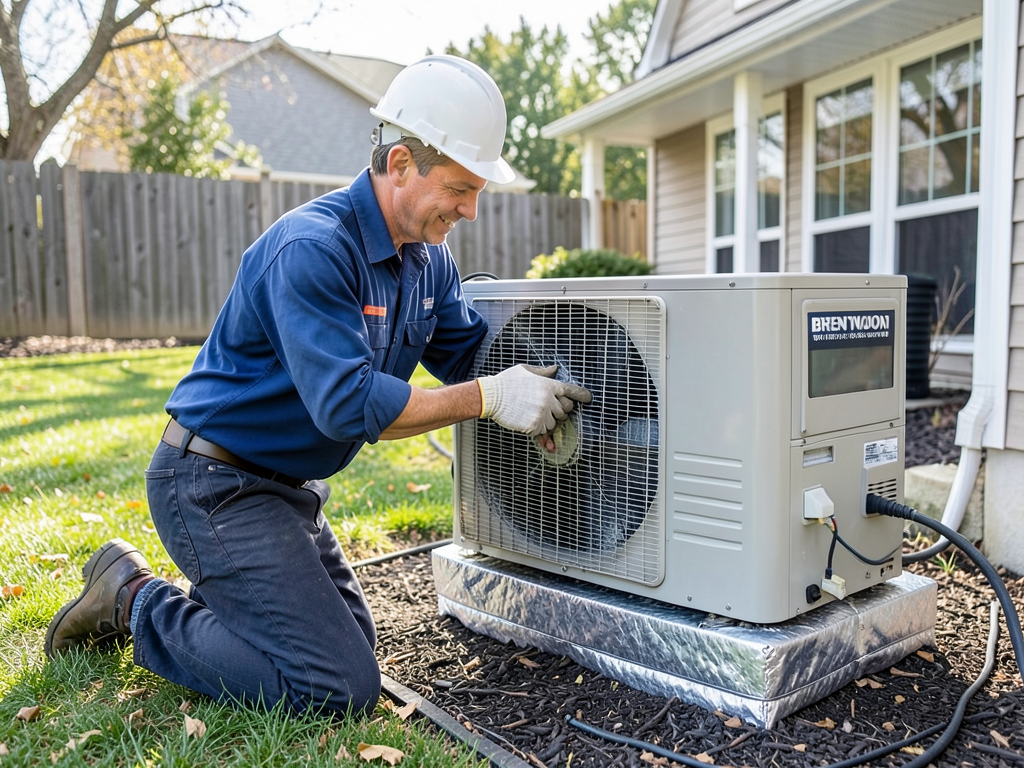
HVAC Services in The Nashville Area

Alpha HVAC is a local business dedicated to serving the entire community. Our centralized location allows us to provide swift and reliable service to all surrounding areas. Whether you need a repair, a new installation, or routine maintenance, you can trust our team to be there for you when it matters most. Explore our service area on the map below to see how we can help you with all your heating and cooling needs.

Address:
Alpha HVAC Nashville, 1001 3rd Ave N, Nashville, TN, 37201

Additional Services We Offer

Our news updates

Latest Articles & News from The Blogs

Understanding the difference between a furnace and a boiler for older Middle Tennessee homes Choosing the right heating system for…

Understanding the difference between a furnace and a boiler for older Middle Tennessee homes

Understanding the difference between a furnace and a boiler for older Middle Tennessee homes Choosing the right heating system for…

How to choose a quiet HVAC system that won't disturb your neighbors in Brentwood

How to choose a quiet HVAC system that won't disturb your neighbors in Brentwood Living in Brentwood means enjoying peaceful…

Keeping your boat house or lakeside cabin comfortable with a mini split system

Keeping your boat house or lakeside cabin comfortable with a mini split system\n\nThe humid summers and mild winters of Middle…

Contact Us

Your furnace should blow warm air, not cold drafts. Call Alpha HVAC Nashville at (615) 552-1922 for same-day diagnosis and repair. Our technicians carry the parts you need and fix the problem on the first visit.