





Smyrna sits in Middle Tennessee's humid subtropical zone, where summer temperatures regularly hit 90 degrees with oppressive humidity and winter lows drop into the teens. This climate pattern creates intense demand on residential heating and cooling systems. Air conditioners run continuously from May through September, straining compressors and refrigerant lines. Furnaces work overtime during December and January cold snaps.
The region's clay-heavy soil affects foundation settling, which can shift ductwork connections and create air leaks that waste energy. Smyrna's rapid residential growth means newer subdivisions near Sam Ridley Parkway and Lee Victory Parkway often have builder-grade HVAC systems that need frequent maintenance or early replacement. Older homes near downtown Smyrna feature aging systems that struggle with modern cooling demands.
Tennessee's temperature swings between seasons stress equipment. A system working hard in July heat must switch to heating mode by November. This constant cycling wears components faster than moderate climates. When your HVAC system fails here, it's not just uncomfortable. It's a health risk during extreme heat and a safety concern during winter freezes.
Alpha HVAC Nashville built our reputation on showing up fast and fixing problems right. We've served the greater Nashville metro for years, and Smyrna residents know they can count on us when their system quits. Our technicians carry fully stocked trucks with common parts for most major brands, which means we complete most repairs in a single visit instead of scheduling return trips.
We don't play pricing games. You get a clear diagnostic fee upfront, and we explain exactly what's wrong before starting any work. No hidden charges appear on your final bill. Our techs show you the failed part, explain why it failed, and give you options that fit your budget. Need a quick fix to get through the weekend? We can do that. Want a complete system replacement? We'll quote that too.
Our team understands Smyrna's housing stock. We've worked in the historic homes near Weakley Lane, the newer subdivisions off Rocky Fork Road, and everything between. We know which systems perform well in our climate and which cause ongoing problems. That local knowledge helps us recommend solutions that last instead of temporary patches.
We're available when emergencies happen. Your air conditioner doesn't check the calendar before it breaks. We respond to calls seven days a week because we know how fast your home becomes unlivable without climate control. Call us at (615) 552-1922, and we'll dispatch a technician to your location.

We dispatch technicians quickly when your system fails. Our service area coverage in Smyrna means shorter drive times and faster arrival at your door. We stock our trucks with common repair parts, so most jobs get completed the same day without waiting for special orders or return visits.

You see exactly what you're paying before work begins. We explain the problem, show you the failed component, and provide clear repair options with upfront costs. No surprise charges appear on your final invoice. You make informed decisions about your HVAC system without pressure or confusion.
Our technicians identify root causes instead of guessing. We use proper testing equipment to diagnose electrical issues, refrigerant problems, and mechanical failures accurately. This approach prevents repeat service calls for the same problem and saves you money on unnecessary part replacements that don't fix the real issue.
We know the HVAC challenges specific to Smyrna homes. From older systems in established neighborhoods to undersized units in newer construction, we've diagnosed and repaired them all. Our familiarity with local housing types and common problems helps us work efficiently and recommend solutions that perform well in your home.
Alpha HVAC Nashville handles every aspect of residential heating and cooling systems. Your home needs reliable climate control year-round, and we provide the services that keep your equipment running efficiently. We repair failed components, perform preventive maintenance that extends equipment life, and install new systems when repair no longer makes financial sense.
Our technicians work on all major brands and system types. Whether you have a traditional split system, a heat pump, or a packaged unit, we have the training and tools to service it properly. We handle refrigerant issues, electrical problems, mechanical failures, and control system malfunctions. Our service range covers emergency repairs when something breaks, scheduled maintenance to prevent failures, and complete system replacements when your equipment reaches end of life.
Each service category addresses different customer needs. Emergency repairs get you back to comfort fast. Preventive maintenance catches small problems before they become expensive failures. New installations give you modern efficiency and reliable performance for years ahead. We tailor our approach to your situation, whether that's a quick compressor fix or planning a whole-house system upgrade.
Your system quit and your home is getting uncomfortable fast. We respond quickly to diagnose the failure and get your equipment running again. Our trucks carry common replacement parts for compressors, fan motors, capacitors, contactors, and control boards. We handle refrigerant leaks, electrical failures, and mechanical breakdowns. Most repairs finish the same day without scheduling follow-up visits. We work seven days a week because emergencies don't wait for business hours.
Regular maintenance catches small problems before they cause complete system failure. We inspect electrical connections, test capacitors, check refrigerant levels, clean coils, and verify proper airflow. This service extends your equipment's lifespan and maintains efficiency that keeps your utility bills reasonable. We recommend maintenance twice yearly, before cooling season and before heating season. Scheduled service prevents emergency breakdowns during the worst possible weather when you need your system most.
Old systems eventually cost more to repair than replace. We install new air conditioners, furnaces, and heat pumps sized correctly for your home's square footage and insulation levels. Proper sizing matters because oversized units short-cycle and undersized units run constantly without maintaining temperature. We handle load calculations, ductwork modifications, thermostat upgrades, and complete installation. New systems deliver better efficiency, lower utility costs, and reliable performance for 12 to 15 years.
Smyrna's climate and housing characteristics create predictable HVAC problems. The humid summer air stresses cooling systems while winter temperature drops demand reliable heating. Many homes in growing areas near Interstate 24 were built with minimum-spec HVAC systems that struggle to maintain comfort during peak seasons. Older neighborhoods feature aging equipment that needs frequent repairs or complete replacement.
Clay soil throughout the region causes foundation movement that separates ductwork connections, creating air leaks that waste conditioned air and spike utility bills. Rapid temperature swings between seasons stress components, causing premature failures. Understanding these common problems helps you recognize when your system needs professional attention. Catching issues early prevents minor problems from becoming expensive emergencies that leave your home unlivable during extreme weather.
Your air conditioner runs constantly but your home stays warm and humid. This usually indicates low refrigerant from a leak, a failed compressor, or frozen evaporator coils from restricted airflow. Tennessee's brutal summer heat amplifies these problems quickly. We diagnose the root cause and restore proper cooling before heat stress affects your family's health.
Your heating system won't start or shuts off before reaching temperature. Common causes include faulty ignitors, cracked heat exchangers, or failed blower motors. When temperatures drop into the teens overnight, a non-functioning furnace creates dangerous conditions. We respond quickly to diagnose heating failures and restore warmth to your home safely.
Your energy costs jumped significantly without obvious cause. This often signals duct leaks from foundation settling, dirty coils reducing heat transfer, or aging equipment losing efficiency. Smyrna's clay soil causes ongoing foundation movement that separates duct connections. We locate air leaks, clean components, and assess whether repair or replacement makes financial sense.
Some rooms stay comfortable while others are too hot or cold. This indicates ductwork problems, undersized equipment, or blocked vents. Many Smyrna homes have additions or finished basements that weren't factored into original HVAC sizing. We evaluate your system capacity, check duct balance, and recommend solutions that deliver consistent comfort throughout your home.
We designed our service process to eliminate the frustration homeowners feel when dealing with HVAC problems. You need fast answers, honest assessments, and work completed correctly the first time. Our approach focuses on clear communication, transparent pricing, and efficient service that respects your time and budget.
When you contact us about a problem, you talk to a person who listens and asks relevant questions. We schedule appointments in windows you can plan around, not vague all-day ranges. Our technicians arrive on time in clearly marked vehicles with everything needed to diagnose and repair most common problems. You stay informed throughout the process with explanations you can understand, not technical jargon designed to confuse you into unnecessary purchases.
You reach a real person when you call, not an automated system. We ask about your symptoms, discuss your comfort concerns, and schedule service at a time that works for your schedule. We give you accurate arrival windows and call ahead when we're on the way. Our technicians introduce themselves, explain what they're going to inspect, and answer your questions throughout the diagnostic process.
Our technicians show you exactly what's wrong with your system. We explain the failed component, why it failed, and what happens if you delay repair. You get multiple options when possible, from minimum repair to complete replacement, with clear pricing for each choice. We never pressure you into unnecessary work or inflate problems to increase the bill.
Once you approve the repair, we complete it efficiently using quality parts that meet or exceed manufacturer specifications. We test the system thoroughly before leaving to confirm proper operation. You receive documentation of work performed and recommendations for ongoing maintenance. We stand behind our repairs because we did them right the first time.
We keep the service process simple and straightforward. You shouldn't need a manual to understand how getting your HVAC fixed works. Three clear steps get you from broken system to restored comfort.
Call us at (615) 552-1922 and describe what's happening with your system. We schedule a service window that fits your availability, usually same-day for emergencies. Our dispatcher sends a qualified technician with the tools and common parts needed for most repairs. We call you when we're 30 minutes away so you're not waiting around all day.
The technician inspects your system, tests components, and identifies the problem. We show you the failed part and explain why your system isn't working. You receive a clear price quote for the repair before any work begins. If you need time to decide or want to get a second opinion, that's fine. No pressure, just information you need to make the right choice.
Once you approve the work, we complete the repair using quality replacement parts. We test the system through multiple cycles to confirm proper operation and verify temperatures meet specifications. We clean up our work area and review what we did. You get documentation of the repair and recommendations for preventing future problems. Your system works correctly when we leave.
Tennessee residential HVAC work requires adherence to specific building codes and industry standards that protect homeowners and ensure system safety. The Tennessee State Fire Marshal's Office enforces mechanical codes based on International Mechanical Code standards. All refrigerant handling must comply with EPA Section 608 regulations, which mandate proper recovery and disposal to prevent environmental damage.
Proper system sizing follows Air Conditioning Contractors of America Manual J load calculations that factor in your home's square footage, insulation values, window area, and orientation. Undersized systems run constantly without maintaining temperature, while oversized units short-cycle and create humidity problems. A correctly sized system cycles normally and maintains consistent comfort.
Ductwork design matters as much as equipment selection. Manual D duct sizing calculations ensure proper airflow to each room. Smyrna's clay soil causes ongoing foundation movement, which separates duct connections over time. Properly sealed duct systems deliver 95% or more of conditioned air to living spaces instead of wasting it in attics or crawlspaces.
Refrigerant charge must match manufacturer specifications exactly. Too little refrigerant reduces cooling capacity and can freeze coils. Excess refrigerant increases head pressure and stresses the compressor. We use digital manifold gauges and weigh refrigerant precisely instead of using outdated rule-of-thumb methods that waste your money and damage equipment.
Modern HVAC systems include safety controls that prevent dangerous operation. Pressure switches protect compressors from operating outside safe ranges. Flame sensors and limit switches shut down furnaces before creating carbon monoxide hazards. We test all safety devices during service to verify they'll protect your family if normal operation fails.
Manual J load calculations determine correct system capacity for your home's specific characteristics. Square footage alone doesn't work because insulation levels, window area, and home orientation affect heating and cooling needs. Properly sized equipment cycles normally instead of running constantly or short-cycling. This delivers better humidity control, more even temperatures, and longer equipment life than incorrectly sized systems.
Repair costs depend on which component failed and how complex the replacement is. Simple fixes like capacitors or contactors cost less than compressor or heat exchanger replacements. System age affects repair decisions because multiple components often fail close together. We help you understand when ongoing repairs cost more than replacement, so you make financially smart decisions about your equipment.
Most repairs complete in two to four hours once we diagnose the problem. Simple component replacements take less time while complex jobs need more. New system installations typically require one to two days depending on ductwork modifications needed. We give you accurate time estimates upfront so you can plan accordingly without surprise delays extending the project.
Section 608 of the Clean Air Act requires proper refrigerant handling by EPA-certified technicians. We recover existing refrigerant before opening systems, preventing illegal venting to atmosphere. All refrigerant charging follows manufacturer specifications using precision scales and gauges. Proper refrigerant management protects the environment and ensures your system operates at peak efficiency without premature component failure.
This video explains common HVAC problems affecting Smyrna, Tennessee homeowners and what to expect when calling for air conditioning repair or furnace service. Topics include emergency HVAC repair response times, proper system diagnosis, transparent pricing expectations, and how Middle Tennessee's climate impacts heating and cooling equipment. Covers the difference between repair and replacement decisions, ductwork issues from foundation movement, and proper system sizing for consistent home comfort.
Alpha HVAC Nashville provides complete heating and cooling services throughout Smyrna and the greater Rutherford County area. We serve established neighborhoods near downtown Smyrna along Lowry Street and Weakley Lane, where mature trees shade older homes with aging HVAC systems that need expert attention. These historic areas feature houses built in the 1960s and 1970s with original ductwork that benefits from sealing and insulation upgrades.
The newer subdivisions spreading east toward Percy Priest Lake and west toward Interstate 24 present different challenges. Builders in these rapidly growing areas often install minimum-specification equipment to control construction costs. Homes along Sam Ridley Parkway and near the Avenue shopping district typically need system upgrades within a few years as families discover their air conditioners can't keep up with Tennessee's summer heat.
We regularly service homes in the Lee Victory Parkway corridor, where commercial development mixed with residential neighborhoods creates unique HVAC demands. Properties near Smyrna Airport sometimes experience vibration issues from air traffic that can loosen ductwork connections over time.
The area around Sharp Springs and Rocky Fork receives excellent service coverage from our dispatch location. We know the housing stock in these neighborhoods and understand which systems perform reliably in Middle Tennessee's climate. Homes near Old Nashville Highway benefit from our familiarity with both older construction and recent additions that strain existing HVAC capacity.
Our service area extends throughout Rutherford County, including nearby La Vergne and Murfreesboro when customers need reliable HVAC service from technicians who understand regional climate challenges. Whether you live in an apartment complex near Town Center, a single-family home in Stone Gate, or anywhere else in Smyrna, we respond quickly when your heating or cooling system needs attention. Distance from our location matters because shorter drive times mean faster arrival at your door when you're dealing with a comfort emergency.
The $5000 rule is a simple guideline for deciding between repair and replacement. Multiply the age of your HVAC system by the estimated repair cost. If the total exceeds $5000, replacement makes more financial sense. For example, if your 12-year-old unit needs a $500 compressor repair, that equals $6000, signaling replacement time. In Smyrna's humid climate, older systems lose efficiency faster due to constant moisture exposure. This rule helps you avoid pouring money into equipment nearing end-of-life while ensuring reliable cooling during Tennessee's brutal summer months.
Average HVAC jobs in Smyrna range widely based on scope. Basic furnace repairs typically run lower, while compressor replacements or ductwork modifications cost more. Service calls for filter changes or thermostat calibrations sit at the lower end. Full system diagnostics with refrigerant recharge fall mid-range. Complex jobs like zone system installations or duct sealing cost significantly more. Smyrna's clay soil can shift foundations over time, sometimes requiring duct repairs that add to project costs. The best approach is getting multiple quotes from licensed contractors who understand Tennessee building codes and humidity management requirements.
A new HVAC system in Smyrna typically costs between mid-range to higher-end pricing depending on size, efficiency rating, and installation complexity. A standard split system for an average home sits mid-range, while high-efficiency variable-speed units with advanced filtration cost more. Smyrna's hot, humid summers demand properly sized equipment with adequate dehumidification capacity. Homes near Percy Priest Lake or in older neighborhoods may need additional ductwork modifications. Installation complexity, existing ductwork condition, and SEER rating dramatically impact final pricing. Always get load calculations done before purchasing to avoid oversized or undersized equipment.
The $5000 rule is a simple guideline for deciding between repair and replacement. Multiply the age of your HVAC system by the estimated repair cost. If the total exceeds $5000, replacement makes more financial sense. For example, if your 12-year-old unit needs a $500 compressor repair, that equals $6000, signaling replacement time. In Smyrna's humid climate, older systems lose efficiency faster due to constant moisture exposure. This rule helps you avoid pouring money into equipment nearing end-of-life while ensuring reliable cooling during Tennessee's brutal summer months.
Average HVAC jobs in Smyrna range widely based on scope. Basic furnace repairs typically run lower, while compressor replacements or ductwork modifications cost more. Service calls for filter changes or thermostat calibrations sit at the lower end. Full system diagnostics with refrigerant recharge fall mid-range. Complex jobs like zone system installations or duct sealing cost significantly more. Smyrna's clay soil can shift foundations over time, sometimes requiring duct repairs that add to project costs. The best approach is getting multiple quotes from licensed contractors who understand Tennessee building codes and humidity management requirements.
A new HVAC system in Smyrna typically costs between mid-range to higher-end pricing depending on size, efficiency rating, and installation complexity. A standard split system for an average home sits mid-range, while high-efficiency variable-speed units with advanced filtration cost more. Smyrna's hot, humid summers demand properly sized equipment with adequate dehumidification capacity. Homes near Percy Priest Lake or in older neighborhoods may need additional ductwork modifications. Installation complexity, existing ductwork condition, and SEER rating dramatically impact final pricing. Always get load calculations done before purchasing to avoid oversized or undersized equipment.
Replacing HVAC for a 2000 square foot house in Smyrna depends on system type, efficiency, and home layout. A standard split system with matching furnace and air handler typically falls mid-range. Two-story homes or open floor plans may need zoning systems, increasing costs. Smyrna's climate requires units sized between 3 to 4 tons for proper cooling capacity. Older homes near downtown Smyrna may need ductwork upgrades or modifications. High-efficiency systems with variable-speed technology cost more upfront but reduce energy bills significantly. Proper installation matters more than equipment brand for long-term performance.
Yes, new HVAC systems can qualify for tax credits in 2025 under federal energy efficiency programs. Systems meeting specific SEER2 and EER2 ratings may qualify for credits up to certain percentages of project costs. Heat pumps often qualify for higher credits than traditional split systems. The equipment must be installed in your primary Smyrna residence, not rental properties. You need manufacturer certification statements and proper documentation at tax time. Tennessee offers no additional state tax credits, so focus on federal incentives. Consult a tax professional to verify eligibility based on your specific system and installation date.
The 2 foot rule requires maintaining at least 24 inches of clearance around outdoor condenser units for proper airflow. This space prevents airflow restriction that reduces efficiency and causes premature compressor failure. In Smyrna, keep shrubs, fences, and lawn equipment away from your unit. Summer humidity already stresses equipment, so blocked airflow compounds the problem. Clear vegetation regularly, especially fast-growing Tennessee vines and grasses. This clearance also allows technicians access for maintenance and repairs. Proper airflow keeps refrigerant pressures balanced and extends equipment lifespan significantly in our demanding climate.
The 3 minute rule prevents compressor damage by requiring a minimum 3 minute wait between system cycles. When you shut off your AC, refrigerant pressures need time to equalize between the high and low sides. Restarting too quickly forces the compressor to start against high pressure, causing mechanical stress and potential failure. Most modern thermostats have built-in delay timers, but you should still avoid rapidly cycling your system manually. In Smyrna's heat, resist the urge to constantly adjust your thermostat. Let the system run its cycle completely for better humidity control and equipment longevity.
HVAC systems in Smyrna typically last 12 to 15 years with proper maintenance. Tennessee's humidity and long cooling seasons stress equipment more than moderate climates. Air conditioners work harder here, running 6 to 8 months yearly. Furnaces may last slightly longer since heating demands are lighter. Factors affecting lifespan include installation quality, maintenance frequency, and system sizing. Oversized units cycle frequently and wear out faster. Regular filter changes, annual tune-ups, and keeping coils clean extend equipment life. Homes near industrial areas or with heavy pollen exposure may see reduced lifespans without aggressive filtration.
Standard homeowners insurance rarely covers HVAC repairs from normal wear and tear or lack of maintenance. Insurance typically covers only sudden, unexpected failures from covered perils like lightning strikes, fire, or vandalism. If a storm damages your outdoor unit, you may have coverage minus your deductible. Smyrna's severe thunderstorms occasionally damage condensers with hail or fallen branches. Gradual breakdowns, refrigerant leaks, or compressor failures from age are not covered. Home warranties differ from insurance and may cover mechanical breakdowns. Review your specific policy or contact your insurance agent to understand your coverage limits.
Fall and early winter are the best months to buy HVAC systems in Smyrna. Demand drops after cooling season ends, so contractors offer better pricing and faster installation schedules. You avoid the desperate premium pricing that happens during summer breakdowns. October through December allows you to negotiate better deals and choose installation dates that fit your schedule. Manufacturers sometimes offer rebates during off-peak months. Installing before summer ensures your system is ready when Tennessee heat arrives. Spring is secondary but still better than mid-summer. Avoid buying during emergency breakdowns when you have zero negotiating leverage.
Replacing HVAC for a 2000 square foot house in Smyrna depends on system type, efficiency, and home layout. A standard split system with matching furnace and air handler typically falls mid-range. Two-story homes or open floor plans may need zoning systems, increasing costs. Smyrna's climate requires units sized between 3 to 4 tons for proper cooling capacity. Older homes near downtown Smyrna may need ductwork upgrades or modifications. High-efficiency systems with variable-speed technology cost more upfront but reduce energy bills significantly. Proper installation matters more than equipment brand for long-term performance.
Yes, new HVAC systems can qualify for tax credits in 2025 under federal energy efficiency programs. Systems meeting specific SEER2 and EER2 ratings may qualify for credits up to certain percentages of project costs. Heat pumps often qualify for higher credits than traditional split systems. The equipment must be installed in your primary Smyrna residence, not rental properties. You need manufacturer certification statements and proper documentation at tax time. Tennessee offers no additional state tax credits, so focus on federal incentives. Consult a tax professional to verify eligibility based on your specific system and installation date.
The 2 foot rule requires maintaining at least 24 inches of clearance around outdoor condenser units for proper airflow. This space prevents airflow restriction that reduces efficiency and causes premature compressor failure. In Smyrna, keep shrubs, fences, and lawn equipment away from your unit. Summer humidity already stresses equipment, so blocked airflow compounds the problem. Clear vegetation regularly, especially fast-growing Tennessee vines and grasses. This clearance also allows technicians access for maintenance and repairs. Proper airflow keeps refrigerant pressures balanced and extends equipment lifespan significantly in our demanding climate.
The 3 minute rule prevents compressor damage by requiring a minimum 3 minute wait between system cycles. When you shut off your AC, refrigerant pressures need time to equalize between the high and low sides. Restarting too quickly forces the compressor to start against high pressure, causing mechanical stress and potential failure. Most modern thermostats have built-in delay timers, but you should still avoid rapidly cycling your system manually. In Smyrna's heat, resist the urge to constantly adjust your thermostat. Let the system run its cycle completely for better humidity control and equipment longevity.
HVAC systems in Smyrna typically last 12 to 15 years with proper maintenance. Tennessee's humidity and long cooling seasons stress equipment more than moderate climates. Air conditioners work harder here, running 6 to 8 months yearly. Furnaces may last slightly longer since heating demands are lighter. Factors affecting lifespan include installation quality, maintenance frequency, and system sizing. Oversized units cycle frequently and wear out faster. Regular filter changes, annual tune-ups, and keeping coils clean extend equipment life. Homes near industrial areas or with heavy pollen exposure may see reduced lifespans without aggressive filtration.
Standard homeowners insurance rarely covers HVAC repairs from normal wear and tear or lack of maintenance. Insurance typically covers only sudden, unexpected failures from covered perils like lightning strikes, fire, or vandalism. If a storm damages your outdoor unit, you may have coverage minus your deductible. Smyrna's severe thunderstorms occasionally damage condensers with hail or fallen branches. Gradual breakdowns, refrigerant leaks, or compressor failures from age are not covered. Home warranties differ from insurance and may cover mechanical breakdowns. Review your specific policy or contact your insurance agent to understand your coverage limits.
Fall and early winter are the best months to buy HVAC systems in Smyrna. Demand drops after cooling season ends, so contractors offer better pricing and faster installation schedules. You avoid the desperate premium pricing that happens during summer breakdowns. October through December allows you to negotiate better deals and choose installation dates that fit your schedule. Manufacturers sometimes offer rebates during off-peak months. Installing before summer ensures your system is ready when Tennessee heat arrives. Spring is secondary but still better than mid-summer. Avoid buying during emergency breakdowns when you have zero negotiating leverage.
Alpha HVAC is a local business dedicated to serving the entire community. Our centralized location allows us to provide swift and reliable service to all surrounding areas. Whether you need a repair, a new installation, or routine maintenance, you can trust our team to be there for you when it matters most. Explore our service area on the map below to see how we can help you with all your heating and cooling needs.
Address:
Smyrna, TN, 37167
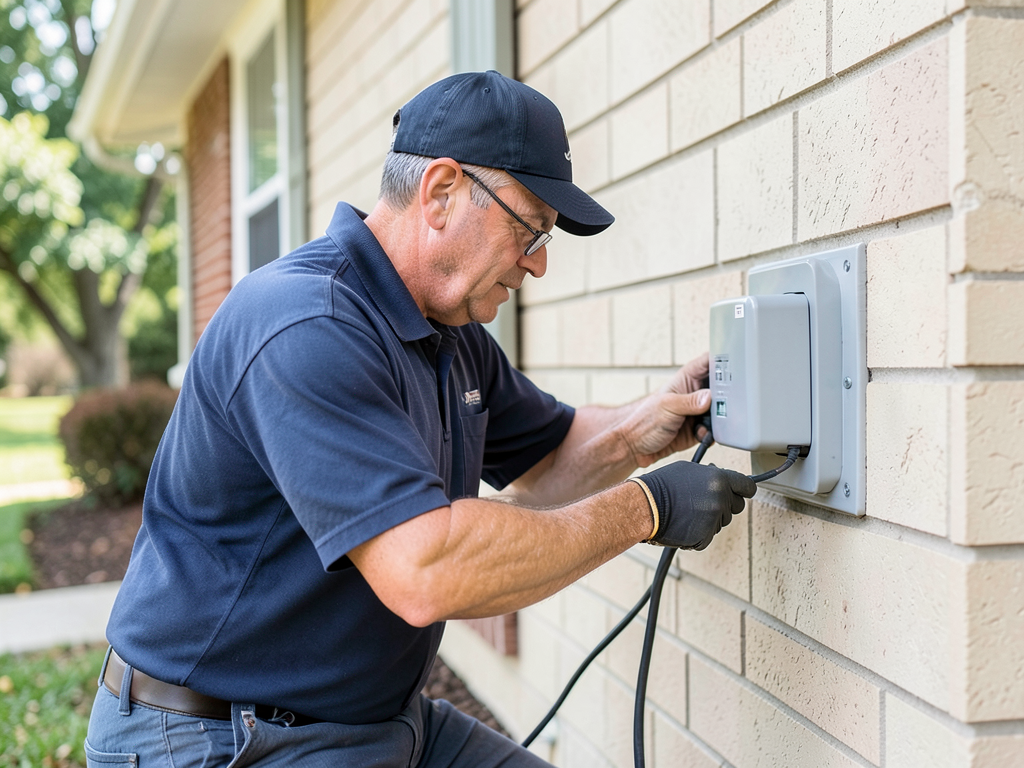
Why Your Nashville HVAC Needs Surge Protection Nashville homeowners face a hidden threat that strikes without warning: electrical surges from lightning storms. These power spikes can instantly destroy your air conditioner's control board or compressor…
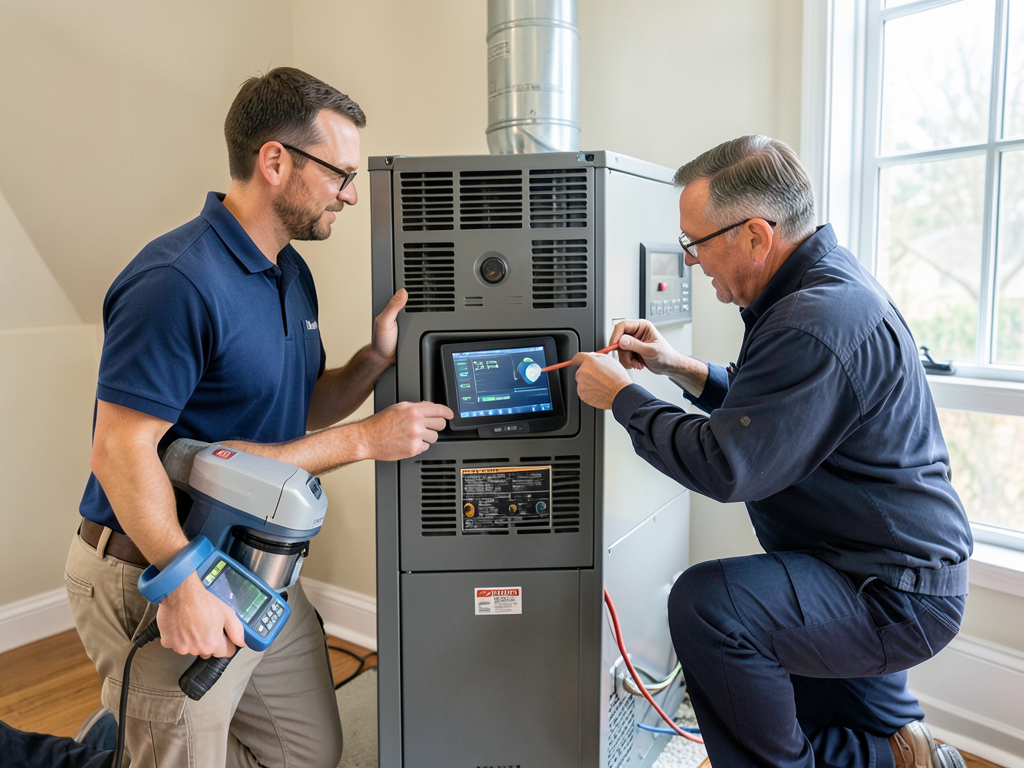
Understanding the difference between a furnace and a boiler for older Middle Tennessee homes Choosing…
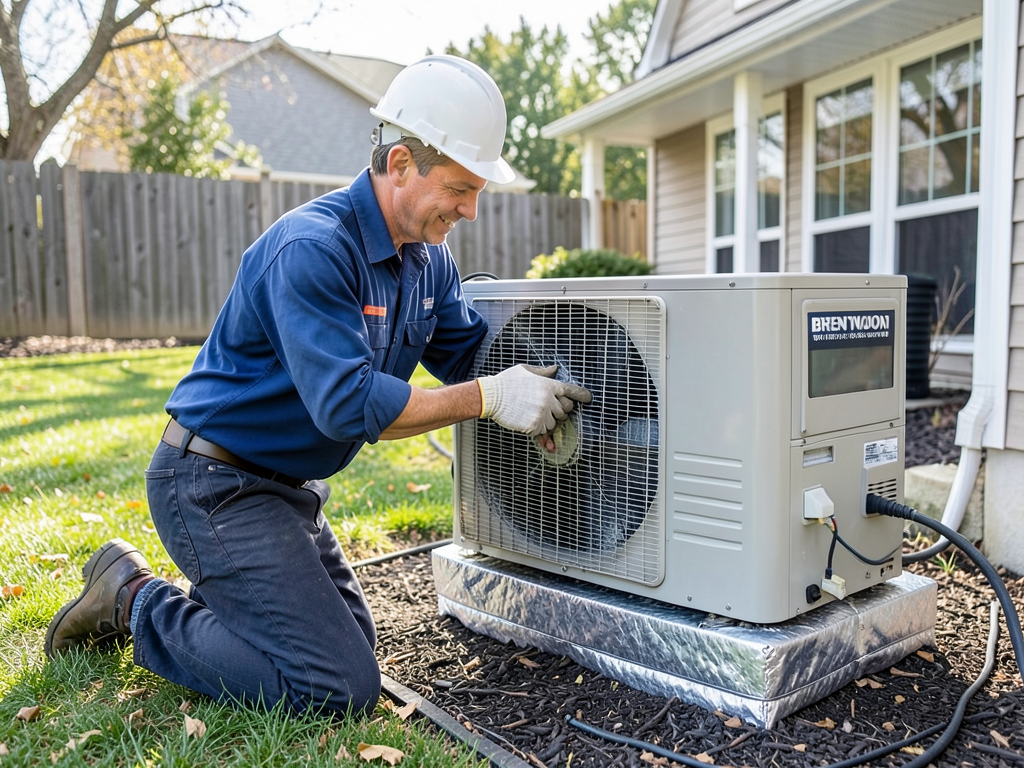
How to choose a quiet HVAC system that won't disturb your neighbors in Brentwood Living…

Keeping your boat house or lakeside cabin comfortable with a mini split system\n\nThe humid summers…
Your comfort can't wait when your system quits. Call Alpha HVAC Nashville now at (615) 552-1922 for fast service in Smyrna. We'll dispatch a qualified technician to diagnose your problem and restore your home's comfort with honest pricing and quality work.