





Menu

Rapid Response Cooling in Nashville – 24/7 Emergency AC Repair When Every Minute Counts

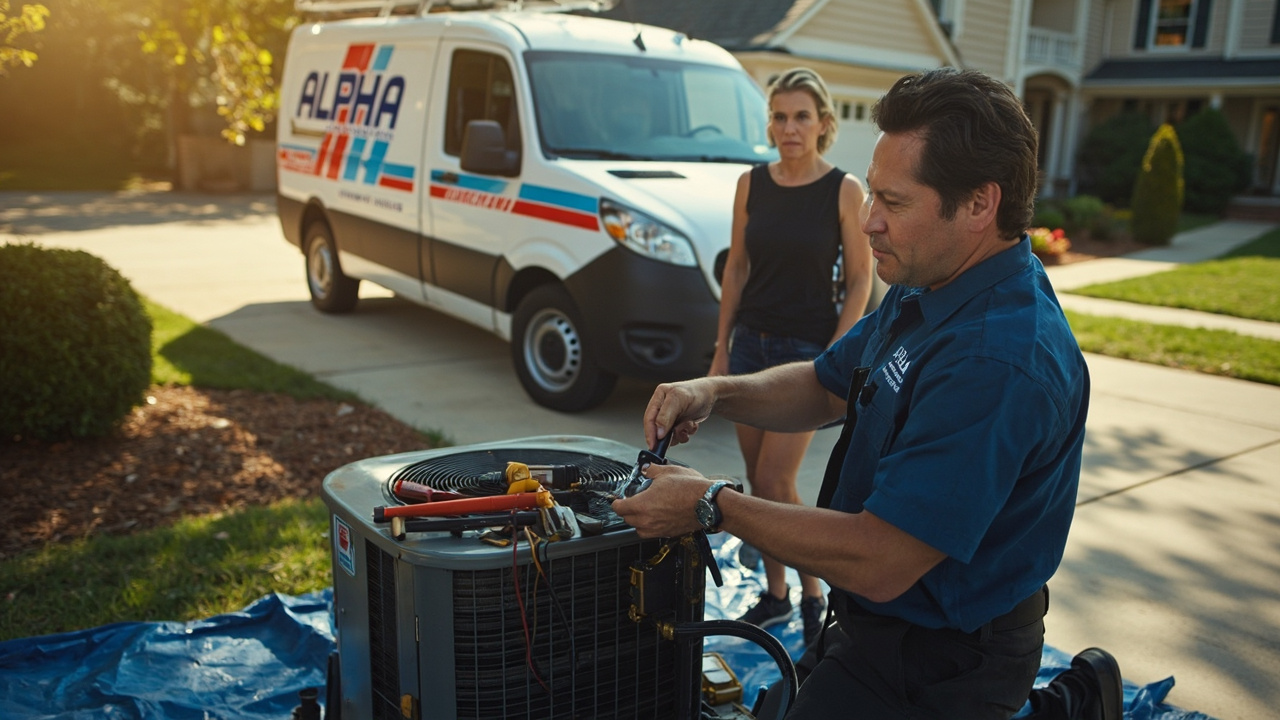
Your air conditioner just failed in the middle of a sweltering Nashville night. You need rapid response cooling now, not tomorrow. Alpha HVAC Nashville dispatches certified technicians within the hour to restore your comfort and prevent heat-related health risks.

Slider Image 1
Slider Image 2
Slider Image 3
Slider Image 4
Slider Image 5
Slider Image 7
Slider Image 8
Slider Image 9
Slider Image 10
Slider Image 11

When Nashville Heat Strikes and Your AC Dies

Nashville summers are brutal. When humidity sits at 80% and temperatures climb past 95 degrees, your home becomes uninhabitable fast without working air conditioning. The heat index can push past 110 degrees, creating dangerous conditions for children, elderly family members, and pets within hours.

You flip the thermostat. Nothing happens. The compressor is silent. Warm air pushes through the vents. Panic sets in because you know what comes next: rising indoor temperatures, sleepless nights, and the risk of heat exhaustion.

Emergency AC repair is not a luxury in Nashville. It is a health necessity. The combination of Tennessee Valley humidity and urban heat island effect in neighborhoods like East Nashville and Germantown turns homes into ovens when cooling systems fail. Refrigerant leaks, failed capacitors, and burnt-out compressor motors do not wait for business hours.

You need urgent air conditioning service from technicians who understand Nashville's climate stress on HVAC systems. Our trucks carry the parts that fail most often in this region: dual-run capacitors, contactor relays, and TXV valves sized for high-humidity cooling loads. We stock refrigerants for older R-22 systems still common in historic districts and newer 410A systems in recently built developments.

Immediate AC service means a technician arrives prepared to diagnose and repair on the first visit. We do not schedule appointments three days out while your family suffers. 24/7 cooling repair exists because air conditioners fail when you need them most, not during convenient business hours.

When Nashville Heat Strikes and Your AC Dies
How Emergency HVAC Cooling Restoration Works

How Emergency HVAC Cooling Restoration Works

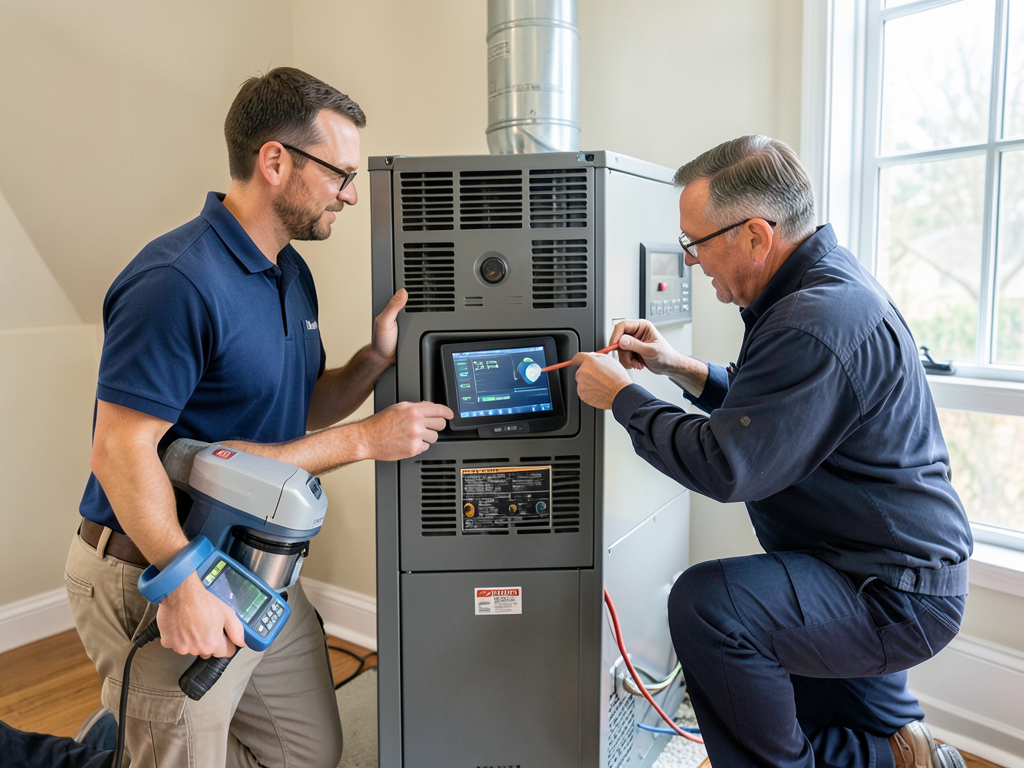
Rapid response cooling starts with diagnostic speed. Our technicians arrive with thermal imaging cameras, digital manifold gauges, and capacitor testers. We check compressor amperage draw first because locked rotors and failed windings account for 40% of summer emergency calls in Nashville.

Next comes the refrigerant circuit. We measure superheat and subcooling at the evaporator coil and condensing unit. Nashville's humidity creates unique challenges. Undersized linesets and improper drainage cause freeze-ups even when refrigerant charge is correct. We check condensate traps for biological growth that blocks drainage and forces the float switch to kill the system.

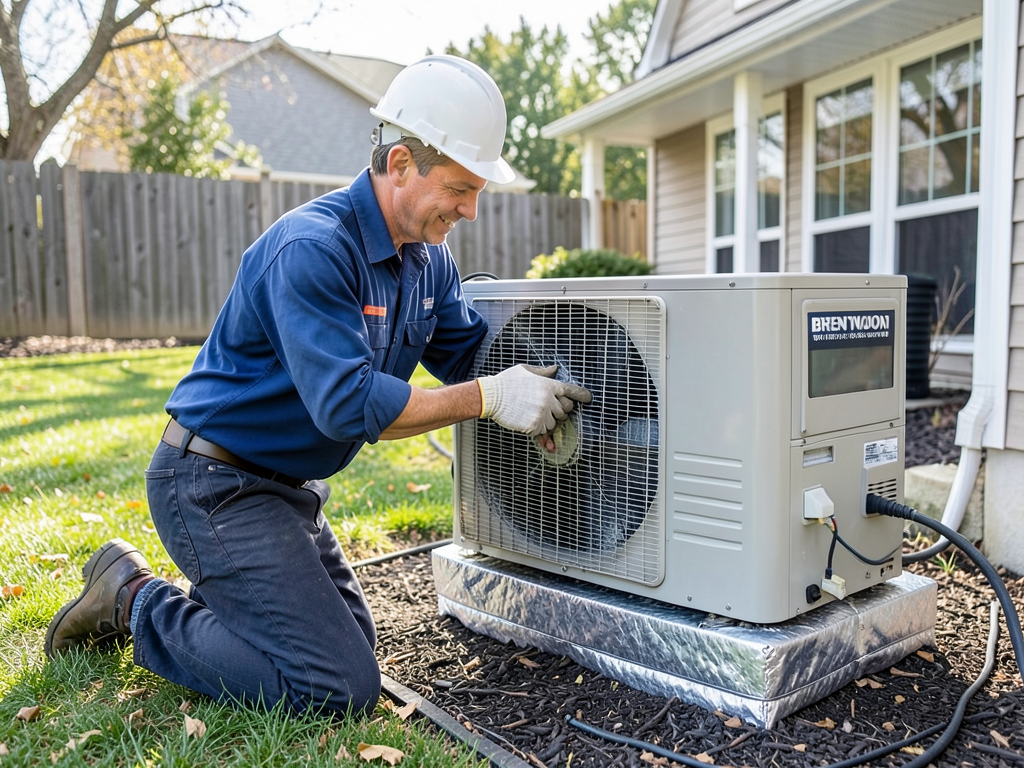
Electrical components fail in the heat. We test contactor points for pitting, measure voltage at the disconnect, and verify the run capacitor is within 6% of its microfarad rating. Capacitors degrade faster in Nashville because rooftop condensing units bake in direct sun while fighting 95-degree ambient temperatures.

Blower motor failures spike during heatwaves. We check amp draw, listen for bearing noise, and verify the ECM module is receiving proper control signals. Dirty evaporator coils reduce airflow and cause the compressor to run in high-pressure cutout. We inspect the coil and measure static pressure across the filter.

The difference between average service and emergency HVAC cooling is parts inventory. We carry the components that fail in Nashville heat: hard-start kits for struggling compressors, TXV power assemblies for expansion valve failures, and blower motors sized for local equipment. You get same-visit repairs, not promises that parts will arrive next week.

Your Emergency Cooling Restoration Timeline

Rapid Response Cooling in Nashville – 24/7 Emergency AC Repair When Every Minute Counts
01

Immediate Dispatch and Arrival

You call our emergency line. We dispatch the nearest available technician within 15 minutes. Our trucks stage in Green Hills, East Nashville, and Antioch for faster response times. You receive a text with technician name, photo, and estimated arrival time. Most Nashville-area calls get a truck on-site within 60 minutes, even during peak evening hours when failures spike.
02

Rapid System Diagnosis

The technician performs a full electrical and refrigerant analysis. We test compressor functionality, measure refrigerant pressures, check capacitor performance, and verify blower motor operation. Thermal imaging reveals hot spots in electrical connections. Digital gauges show real-time superheat calculations. You get a clear explanation of the failure cause and the repair path forward, with options based on system age and condition.
03

Same-Visit Repair and Testing

We complete repairs using parts from our truck inventory. After component replacement, we verify proper refrigerant charge, measure temperature split across the evaporator coil, and confirm amperage draw matches equipment specifications. The system runs through a full cooling cycle while we monitor performance. You feel cold air within 20 minutes of repair completion. We verify your thermostat is controlling correctly before leaving your home.

Why Nashville Trusts Alpha HVAC for Emergency Cooling

Emergency AC repair requires technicians who know Nashville equipment and climate. We service everything from historic Craftsman homes in Sylvan Park with old R-22 systems to new construction in The Nations with variable-speed heat pumps. Our technicians understand how Nashville's clay soil settling affects ductwork and refrigerant lines. Foundation shifts common in East Nashville and Donelson create lineset stress that causes refrigerant leaks.

You need a provider who stocks parts for brands common in this market. We carry components for Carrier, Trane, Lennox, and Goodman systems that dominate Nashville installations. Our inventory includes hard-to-find parts for older equipment because we know homeowners in Inglewood and Lockeland Springs often maintain systems past their typical lifespan.

Local building codes matter during emergency repairs. Davidson County requires specific refrigerant handling procedures and electrical disconnect placement. We pull permits when code requires it, even during emergency service. Unlicensed contractors skip this step, leaving you liable for code violations during home sales or insurance claims.

Nashville's humidity creates mold risk during AC failures. We check evaporator coils and drain pans for biological growth during emergency calls. Condensate line clogs cause water damage to ceilings and walls. We clear lines with proper cleaning solutions and verify drainage before leaving.

You get technicians who live in Nashville and understand the urgency. We know what it means when your AC dies during a July heatwave. Our emergency response is not an answering service routing calls to distant contractors. We maintain local dispatch and prioritize calls based on health risk factors like indoor temperature and household vulnerability.

What Happens During Your Emergency Service Call

Response Time and Availability

We answer emergency calls 24 hours a day, every day of the year. Nashville heatwaves do not follow a schedule, and neither do we. You reach a live dispatcher who immediately assigns a technician. Most Nashville-area calls receive service within 60 to 90 minutes. We prioritize based on indoor temperature and household risk factors. Homes with infants, elderly residents, or medical conditions get priority dispatch. You receive text updates with technician location and estimated arrival time so you are not left wondering when help will arrive.

Diagnostic Assessment Process

The technician performs a complete system evaluation before proposing repairs. We test electrical components with digital meters, measure refrigerant pressures with manifold gauges, and check airflow with anemometers. You get a clear explanation of what failed and why. We show you the failed component when possible. Capacitors with bulging tops, contactors with burnt points, and compressors with seized bearings provide visual proof. We explain repair options based on system age, expected remaining lifespan, and your budget. You make informed decisions, not pressure-driven ones.

Cooling System Restoration

Repairs happen on-site using quality components from our truck inventory. We do not install cheap replacement parts that fail in six months. Capacitors meet or exceed OEM specifications. Contactors use silver-cadmium alloy points rated for Nashville heat. Refrigerant charging follows manufacturer superheat and subcooling specifications, not guesswork. After repairs, we verify proper system operation through a complete cooling cycle. We measure supply air temperature, verify proper temperature split across the coil, and confirm the system reaches setpoint without short-cycling. Your home starts cooling immediately.

Follow-Up and Maintenance Recommendations

Emergency repairs get you running again, but we also identify underlying issues that caused the failure. Dirty coils, restricted airflow, and improper refrigerant charge stress components and shorten system life. We provide a written assessment of your system's condition and recommend preventive steps to avoid future emergency calls. This includes filter replacement schedules, coil cleaning intervals, and refrigerant circuit maintenance. We do not push unnecessary services. You get honest guidance based on what your system needs to survive Nashville summers reliably.

Frequently Asked Questions

You Have Questions,
We Have Answers

What is the $5000 AC rule? +

The $5000 AC rule is an IRS guideline for capital improvements versus repairs. If your AC replacement or major upgrade costs less than $5000, you may deduct it as a repair expense in the same tax year. Costs above $5000 typically must be capitalized and depreciated over time. However, this applies to rental properties or business use. For homeowners in Nashville, standard AC replacements are not tax-deductible unless part of a qualified energy-efficient upgrade with federal credits. Consult a tax professional to determine your eligibility based on your specific situation.

What is rapid cooling? +

Rapid cooling refers to emergency AC service designed to restore comfort fast when your system fails during Nashville's brutal summer heat. It involves immediate diagnosis, quick repairs, and temporary cooling solutions if parts are needed. Technicians prioritize urgent cases, arriving within hours to get your system running. In high humidity and 90-plus degree heat, rapid cooling prevents heat exhaustion and property damage. The focus is speed and reliability. When your AC dies at 3 PM on a July afternoon, rapid response prevents a dangerous overnight situation for families and pets.

What is the average price for an HVAC service call? +

In Nashville, expect to pay between $75 and $200 for a standard HVAC service call. This diagnostic fee covers the technician's visit, system inspection, and problem identification. The fee often applies toward repair costs if you proceed with the work. Emergency calls after hours, weekends, or holidays cost more, sometimes $150 to $300. Prices vary based on company overhead, technician experience, and travel distance. During peak summer months when demand spikes, some companies waive diagnostic fees with completed repairs. Always confirm pricing upfront before scheduling to avoid surprises.

How to cool down without an AC? +

Without AC in Nashville's oppressive heat, close blinds and curtains on sun-facing windows to block radiant heat. Create cross-ventilation by opening windows on opposite sides of your home during cooler morning and evening hours. Use box fans strategically to push hot air out. Take cool showers, stay hydrated, and wear lightweight clothing. Avoid using ovens or stoves that generate heat. Spend time in your basement if available, as cool air sinks. For vulnerable family members or pets, consider temporary relocation to a cooling center or hotel until your AC is repaired.

Can I write off my new AC unit on my taxes? +

Most homeowners cannot write off a new AC unit, but exceptions exist. If you install a qualifying high-efficiency system, you may claim federal energy tax credits up to $2000 under recent inflation reduction incentives. These credits apply to heat pumps and central air systems meeting specific SEER2 ratings. For rental properties in Nashville, you can depreciate AC replacements as capital improvements. Home office deductions may allow partial write-offs if the AC serves a dedicated business space. Energy rebates from TVA may also reduce costs. Consult a tax advisor to maximize available credits and deductions.

What is the 3 minute rule for AC? +

The 3-minute rule for AC prevents compressor damage after your system shuts off. When your thermostat cycles off, refrigerant pressure needs time to equalize between the high and low sides of the system. Restarting too quickly forces the compressor to work against unbalanced pressure, causing strain and potential failure. Modern thermostats have built-in delay timers to enforce this rule automatically. If you manually shut off your AC during a Nashville power outage or emergency, wait at least 3 minutes before restarting. This simple pause protects your compressor and extends system lifespan significantly.

How long does it take to cool down a house from 80 to 72? +

Cooling a Nashville home from 80 to 72 degrees typically takes 1 to 3 hours with a properly functioning AC system. Variables include system size, home insulation, outdoor temperature, humidity levels, and how long windows and doors stayed open. Older homes with poor insulation or undersized units take longer. During peak afternoon heat above 95 degrees, the process slows as your system fights extreme outdoor temperatures. If your AC runs continuously without reaching the set temperature, you likely have refrigerant loss, ductwork leaks, or compressor issues requiring immediate professional diagnosis and repair.

How to cool off really quickly? +

To cool off quickly during an AC emergency in Nashville, apply ice packs or cold wet towels to pulse points on your wrists, neck, and temples. Take a cool shower or bath to lower core body temperature fast. Drink ice water to cool from the inside. Sit in front of a fan while wearing damp clothing to maximize evaporative cooling. Move to the lowest level of your home where cooler air settles. Avoid physical exertion and stay out of direct sunlight. For immediate relief while waiting for emergency AC repair, these methods prevent heat-related illness.

Which is the fastest cooling mode in AC? +

The fastest cooling mode on most AC units is the standard Cool mode set to maximum fan speed with the lowest temperature setting. Turbo or Powerful mode, available on some systems, runs the compressor and fan at peak capacity for rapid temperature drops. Avoid Fan Only mode, which just circulates air without cooling. In Nashville's high humidity, combining Cool mode with a lower fan speed actually removes more moisture for better comfort, but maximum fan speed delivers the fastest raw temperature reduction when you need immediate relief during an AC emergency or system restart.

What is the average lifespan of an AC unit? +

The average AC unit lasts 12 to 15 years in Nashville, though lifespan varies based on maintenance, usage, and system quality. Nashville's high humidity and extended cooling seasons stress systems more than milder climates, potentially shortening lifespan. Units running year-round for both cooling and heating wear faster. Regular maintenance, including coil cleaning, refrigerant checks, and filter changes, extends life significantly. Neglected systems fail earlier, often around 8 to 10 years. If your AC is over 10 years old and requires frequent repairs, replacement becomes more cost-effective than continued service calls.

Why Nashville's Humidity and Heat Create HVAC Emergencies

Nashville sits in a geographic bowl where Tennessee Valley humidity collects and urban development traps heat. Summer dew points regularly hit 70 degrees while temperatures climb into the mid-90s. This combination creates heat index values above 110 degrees and forces air conditioners to run nearly continuously for months. Compressors, capacitors, and blower motors fail from thermal stress and excessive runtime. Older systems in neighborhoods like Belmont-Hillsboro and 12 South struggle to maintain indoor temperatures below 78 degrees even when functioning properly. When these systems fail during peak heat, indoor temperatures can reach unsafe levels within two hours.

Davidson County building codes require specific HVAC installation standards that affect repair approaches. Refrigerant line placement, electrical disconnect locations, and condensate drainage must meet local ordinances. Emergency repairs performed by unlicensed contractors often violate these codes, creating problems during home inspections or insurance claims. Alpha HVAC Nashville maintains proper licensing and understands local code requirements. We perform emergency repairs that meet Davidson County standards, protecting your home value and keeping you compliant with local regulations that govern HVAC modifications and refrigerant handling.
HVAC Services in The Nashville Area

Alpha HVAC is a local business dedicated to serving the entire community. Our centralized location allows us to provide swift and reliable service to all surrounding areas. Whether you need a repair, a new installation, or routine maintenance, you can trust our team to be there for you when it matters most. Explore our service area on the map below to see how we can help you with all your heating and cooling needs.

Address:
Alpha HVAC Nashville, 1001 3rd Ave N, Nashville, TN, 37201

Additional Services We Offer

Our news updates

Latest Articles & News from The Blogs

Understanding the difference between a furnace and a boiler for older Middle Tennessee homes Choosing the right heating system for…

Understanding the difference between a furnace and a boiler for older Middle Tennessee homes

Understanding the difference between a furnace and a boiler for older Middle Tennessee homes Choosing the right heating system for…

How to choose a quiet HVAC system that won't disturb your neighbors in Brentwood

How to choose a quiet HVAC system that won't disturb your neighbors in Brentwood Living in Brentwood means enjoying peaceful…

Keeping your boat house or lakeside cabin comfortable with a mini split system

Keeping your boat house or lakeside cabin comfortable with a mini split system\n\nThe humid summers and mild winters of Middle…

Contact Us

Your family should not suffer through another hour of Nashville heat. Call Alpha HVAC Nashville now at (615) 552-1922 for immediate emergency cooling repair. Our technicians are dispatched and ready to restore your comfort tonight.