





Menu

Signs of Carbon Monoxide in Nashville – Recognize the Warning Signs Before It's Too Late

Learn to identify carbon monoxide symptoms, carbon monoxide poisoning symptoms, and carbon monoxide warning signs that can save your family from this silent threat in your Nashville home.

Slider Image 1
Slider Image 2
Slider Image 3
Slider Image 4
Slider Image 5
Slider Image 7
Slider Image 8
Slider Image 9
Slider Image 10
Slider Image 11

Why Carbon Monoxide Detection Is Critical for Nashville Homeowners

Carbon monoxide is a silent killer. You cannot see it, smell it, or taste it. This colorless, odorless gas can build up in your home without any warning, making it one of the most dangerous threats to Nashville families.

Nashville's heating season runs longer than you might expect. From October through April, furnaces run constantly. Older homes in East Nashville, Germantown, and Sylvan Park often have aging HVAC equipment that increases carbon monoxide risk. When your furnace heat exchanger cracks or your gas water heater vents improperly, carbon monoxide escapes into your living space.

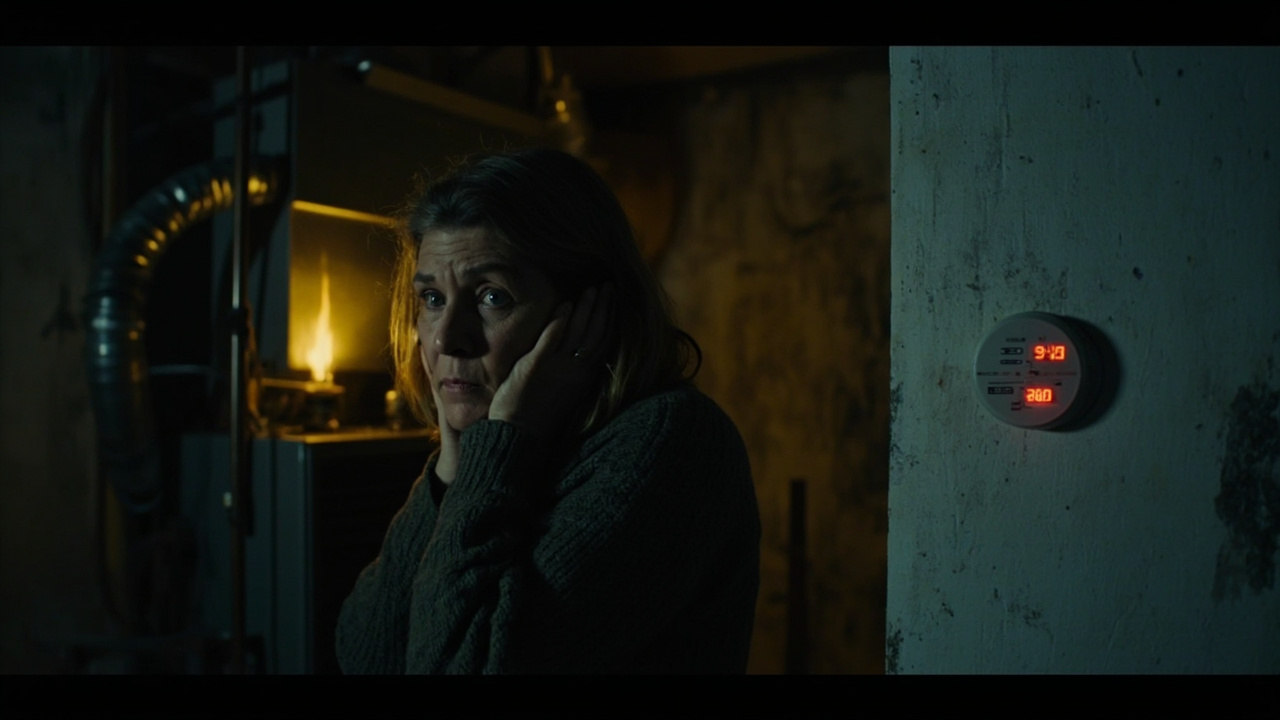
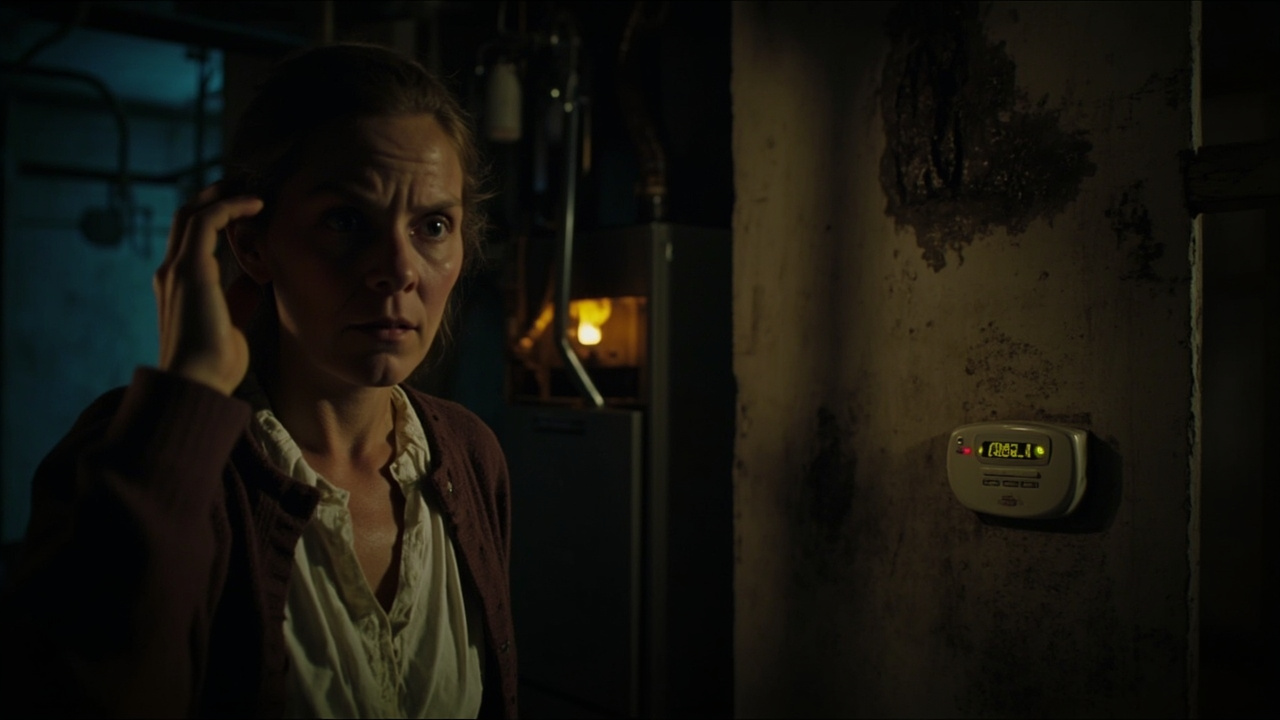
The indicators of carbon monoxide poisoning often mimic the flu. You might experience headaches, dizziness, nausea, confusion, or fatigue. The difference is that everyone in your home will feel sick at the same time. Pets may act strangely or become lethargic. These carbon monoxide warning signs should trigger immediate action.

Many Nashville homes lack proper carbon monoxide detectors. Tennessee building codes require detectors in new construction, but older homes may not have them. Even if you have a detector, it needs replacement every five to seven years. The sensor degrades over time and becomes unreliable.

Signs of a carbon monoxide leak include yellow or orange flames on your gas stove instead of blue, soot buildup around appliances, excess moisture on windows near gas equipment, and a pilot light that frequently goes out. If you notice these indicators of carbon monoxide, evacuate your home immediately and call for help.

Carbon monoxide poisoning symptoms worsen with prolonged exposure. Low-level exposure causes chronic headaches and fatigue. High-level exposure leads to unconsciousness, brain damage, and death. Understanding these warning signs can save lives.

Why Carbon Monoxide Detection Is Critical for Nashville Homeowners
How to Identify and Respond to Carbon Monoxide Warning Signs

How to Identify and Respond to Carbon Monoxide Warning Signs

Recognizing carbon monoxide symptoms requires understanding both physical symptoms and equipment indicators. Your body reacts to carbon monoxide exposure in predictable ways. The gas binds to hemoglobin in your blood, preventing oxygen from reaching your organs and tissues.

Early carbon monoxide poisoning symptoms include mild headaches, slight nausea, and fatigue. You might dismiss these as stress or lack of sleep. If these symptoms improve when you leave home and return when you come back, carbon monoxide is the likely cause.

Moderate exposure brings more severe carbon monoxide symptoms. You may experience confusion, difficulty concentrating, chest pain, visual disturbances, and coordination problems. Children and elderly family members show symptoms faster than healthy adults. Pets collapse before humans do, serving as an early warning system.

Your HVAC equipment provides visual clues. Inspect your furnace flame. A healthy flame burns steady and blue. A yellow, orange, or flickering flame indicates incomplete combustion and potential carbon monoxide production. Check for soot streaks on walls near your furnace or water heater. Black residue means combustion gases are not venting properly.

Listen to your equipment. A furnace that makes popping, banging, or rattling noises may have a cracked heat exchanger. Water heaters that backdraft send carbon monoxide into your home instead of up the flue. You might notice a stale or stuffy smell near gas appliances, though carbon monoxide itself has no odor.

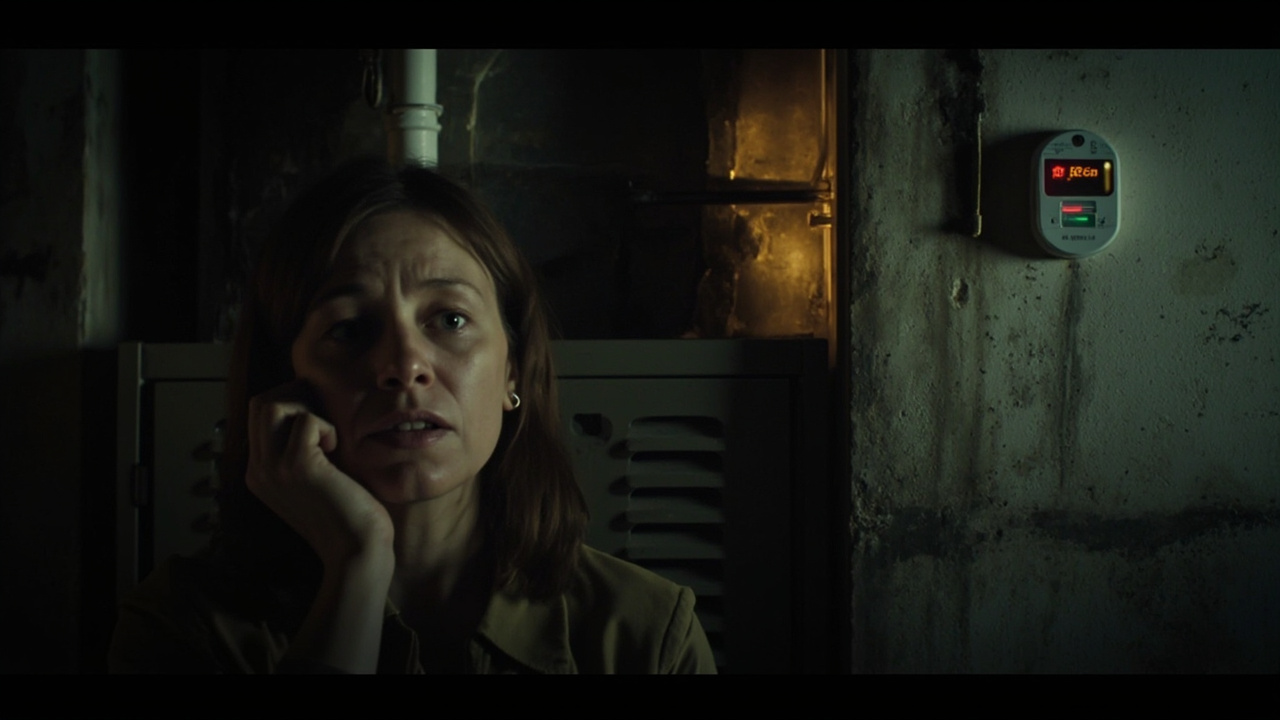
Carbon monoxide detectors are your best defense. Place them on every floor, outside sleeping areas, and near fuel-burning appliances. Digital detectors show actual carbon monoxide levels. Any reading above nine parts per million indicates a problem. Levels above 100 parts per million require immediate evacuation.

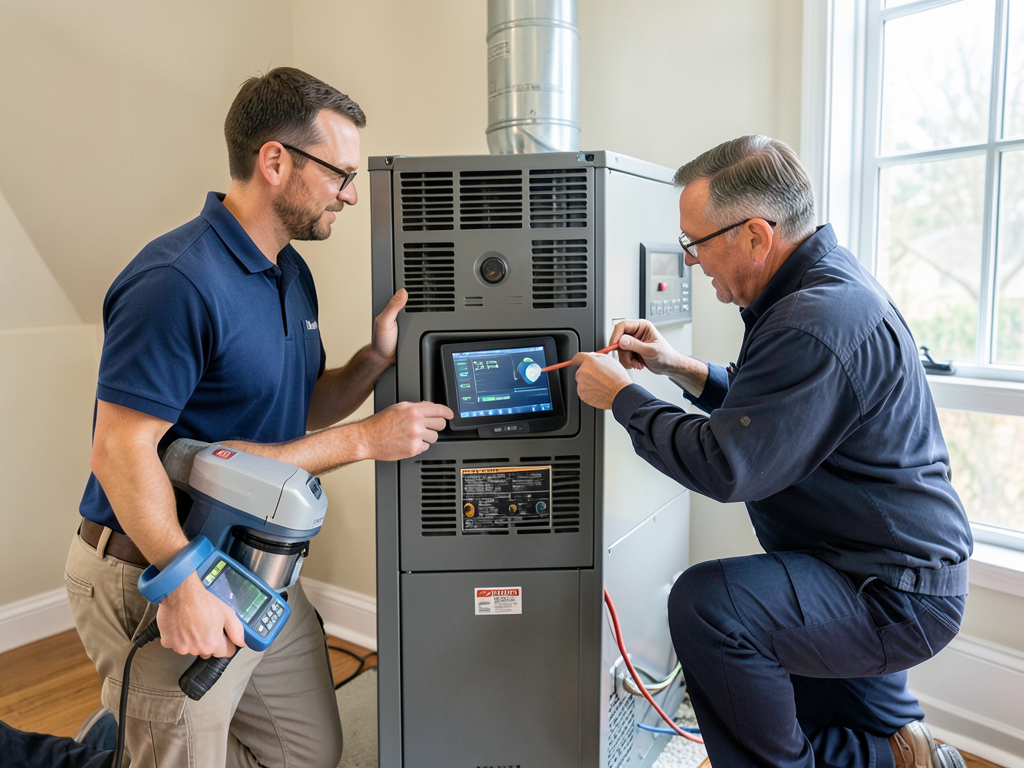
Alpha HVAC Nashville uses digital analyzers to measure carbon monoxide at the source and in your living space. We test ambient levels, equipment output, and flue draft to identify exactly where carbon monoxide originates.

What Happens During a Carbon Monoxide Safety Inspection

Signs of Carbon Monoxide in Nashville – Recognize the Warning Signs Before It's Too Late
01

Comprehensive System Testing

We begin by testing ambient carbon monoxide levels throughout your home using calibrated digital analyzers. We check readings in bedrooms, living areas, and utility spaces to establish baseline measurements. Then we test each fuel-burning appliance individually, measuring carbon monoxide output at the source. This includes your furnace, water heater, gas stove, fireplace, and any other gas equipment. We compare actual readings against manufacturer specifications and safety thresholds.
02

Equipment Inspection

We visually inspect heat exchangers, burner assemblies, and combustion chambers for cracks, rust, or deterioration. We examine all venting systems to ensure proper draft, clearances, and connections. Flue pipes must slope upward correctly and terminate outside properly. We check for obstructions, corrosion, or disconnected sections. Gas line connections get tested for leaks using soap solution. We verify that fresh air intakes provide adequate combustion air and that backdrafting is not occurring.
03

Documentation and Recommendations

You receive a detailed report showing carbon monoxide readings from every test location, photos of any problem areas, and specific recommendations ranked by urgency. If we find immediate safety hazards, we explain your options and can often make repairs the same day. For non-emergency issues, we provide a prioritized action plan with explanations of risks and solutions. We also recommend detector placement if your current setup is inadequate.

Why Nashville Homeowners Trust Local HVAC Experts for Carbon Monoxide Safety

Carbon monoxide safety requires specific knowledge of how Nashville homes are built and how our climate affects HVAC equipment. Many Nashville homes were built between 1920 and 1960, before modern venting standards existed. These older homes in neighborhoods like Hillsboro Village, Belmont-Hillsboro, and Green Hills often have undersized flues, improper venting materials, or combustion air problems.

Nashville's temperature swings create unique challenges. We experience cold snaps in January and February that push heating systems to their limits. When your furnace runs continuously for days, minor problems become major hazards. A small crack in your heat exchanger that causes no issues during mild weather can flood your home with carbon monoxide when the system runs at full capacity.

Local building codes and inspection standards have evolved significantly. Homes built before 1990 may not meet current safety requirements. Adding insulation or replacing windows without addressing combustion air can create negative pressure that pulls carbon monoxide back into your home. We understand these local construction patterns and know what to look for in homes of different ages and architectural styles.

Alpha HVAC Nashville technicians receive ongoing training in carbon monoxide detection and combustion analysis. We use professional-grade equipment that measures carbon monoxide in parts per million, not just generic detectors that only alarm at dangerous levels. This precision matters when identifying slow leaks that cause chronic health problems but never trigger standard alarms.

We also understand Nashville's service infrastructure. When we identify a dangerous situation requiring gas shutoff, we know the proper Metro codes and can coordinate with Nashville Gas if needed. We document everything according to local standards, which protects you and provides necessary records for insurance or real estate transactions.

Choosing a local provider means working with technicians who have seen the specific problems that affect Nashville homes. We know which furnace brands installed in the 1990s have higher failure rates, which water heater venting methods were common but inadequate, and how to solve problems in homes with limited access or unusual layouts.

What to Expect During Carbon Monoxide Detection and Safety Services

Same-Day Emergency Response

If you suspect active carbon monoxide exposure, we prioritize your call. Our technicians arrive equipped with professional carbon monoxide analyzers and can immediately measure levels throughout your home. We identify the source, shut down dangerous equipment if necessary, and provide ventilation guidance. For non-emergency safety inspections, we typically schedule within 48 hours. The inspection itself takes 60 to 90 minutes depending on the number of fuel-burning appliances in your home. We work efficiently but never rush when safety is involved.

Detailed Combustion Analysis

We perform true combustion analysis, not just basic safety checks. Our digital analyzers measure carbon monoxide, oxygen levels, flue temperature, and draft pressure. We test equipment under actual operating conditions and verify that combustion is complete and efficient. For furnaces, we inspect heat exchangers using cameras when possible to identify cracks invisible to the naked eye. We test gas pressure at appliances to ensure proper input rates. This thorough approach identifies problems that basic safety inspections miss.

Clear Safety Ratings

You receive straightforward information about what we found. We categorize issues as red (immediate danger), yellow (repair soon), or green (acceptable). Red tag items mean the equipment is unsafe to operate and must be repaired or replaced before use. Yellow items are developing problems that will become dangerous if ignored. We explain exactly what is wrong, why it matters, and what fixing it involves. You get photos, carbon monoxide readings, and a written report you can share with family members or use for insurance documentation.

Ongoing Monitoring Recommendations

Carbon monoxide safety is not a one-time event. We recommend annual combustion analysis during furnace maintenance, especially for equipment over 10 years old. We help you choose appropriate carbon monoxide detectors for your home layout and explain proper placement. Battery-powered detectors need annual battery replacement. Hardwired detectors need replacement every five to seven years. We can install interconnected detectors that alarm throughout your home if one detects carbon monoxide. Regular maintenance catches developing problems before they become dangerous.

Frequently Asked Questions

You Have Questions,
We Have Answers

What are signs of carbon monoxide in the house? +

Carbon monoxide is colorless and odorless, so you cannot detect it with your senses. Watch for physical symptoms in people and pets: headaches, dizziness, nausea, confusion, or flu-like symptoms that improve when you leave the house. Check your fuel-burning appliances for warning signs like soot buildup around furnace vents, yellow or orange furnace flames instead of blue, excess moisture on windows, or pilot lights that frequently go out. Nashville's older homes with aging HVAC systems are particularly vulnerable. Install CO detectors on every level of your home, especially near bedrooms.

How soon will you know if you have carbon monoxide poisoning? +

Symptoms can appear within minutes or hours, depending on CO concentration levels. At high concentrations, you may feel dizzy, weak, or nauseous within 15 to 30 minutes. Lower concentrations cause gradual symptoms over several hours. You might mistake early signs for the flu: headache, fatigue, nausea, and confusion. The danger is that prolonged exposure worsens symptoms quickly. If multiple people in your Nashville home feel sick simultaneously, especially during heating season, suspect carbon monoxide. Get outside immediately, call 911, and do not re-enter until a professional clears your home.

How can I check if I have carbon monoxide? +

You cannot detect carbon monoxide without equipment. Install battery-powered or hardwired CO detectors on every floor of your home and near sleeping areas. Test detectors monthly and replace batteries twice yearly. If your detector alarm sounds, evacuate immediately. Do not try to locate the source yourself. Call 911 from outside. Nashville Fire Department will test your home with specialized equipment. You can also schedule an HVAC inspection to check furnaces, water heaters, and venting systems. Professional technicians use digital CO meters to measure parts per million and identify leaks before they become dangerous.

What gas is known as the silent killer? +

Carbon monoxide earns the name "silent killer" because it is completely undetectable by human senses. You cannot see it, smell it, or taste it. CO displaces oxygen in your bloodstream, causing poisoning that mimics common illnesses. People often go to sleep with mild symptoms and never wake up. Nashville homes with gas furnaces, water heaters, or fireplaces face this risk, especially in older neighborhoods with aging heating systems. The gas comes from incomplete combustion in fuel-burning appliances. Without working CO detectors, families have no warning until symptoms become severe or fatal.

How Nashville's Heating Season Affects Carbon Monoxide Risk

Nashville's heating season typically runs from October through April, with the coldest months being January and February when overnight lows regularly drop into the 20s. This extended heating season means your furnace operates for six months or more each year, increasing wear on heat exchangers and combustion components. The temperature fluctuations are significant, with daytime highs in the 50s and nighttime lows below freezing during winter months. Your heating system cycles on and off constantly, creating thermal stress that can crack heat exchangers over time. Homes in older Nashville neighborhoods often have furnaces installed in cramped crawl spaces or attics with limited combustion air, compounding the problem. When furnaces run continuously during cold snaps, minor carbon monoxide leaks become major health hazards as the gas accumulates faster than ventilation can remove it.

Metro Nashville requires carbon monoxide detectors in all new residential construction and when replacing fuel-burning appliances, but many older homes remain unprotected. Local HVAC contractors understand the specific equipment common in Nashville homes and the failure patterns associated with different brands and installation methods. We regularly work with the same housing stock you live in, from historic homes in East Nashville with gravity furnaces to 1980s ranch homes in Donelson with original builder-grade equipment. This local experience means we know what to look for and can identify problems quickly. We also understand Nashville's permit and inspection requirements, ensuring any repairs or replacements meet current codes and pass inspection the first time.
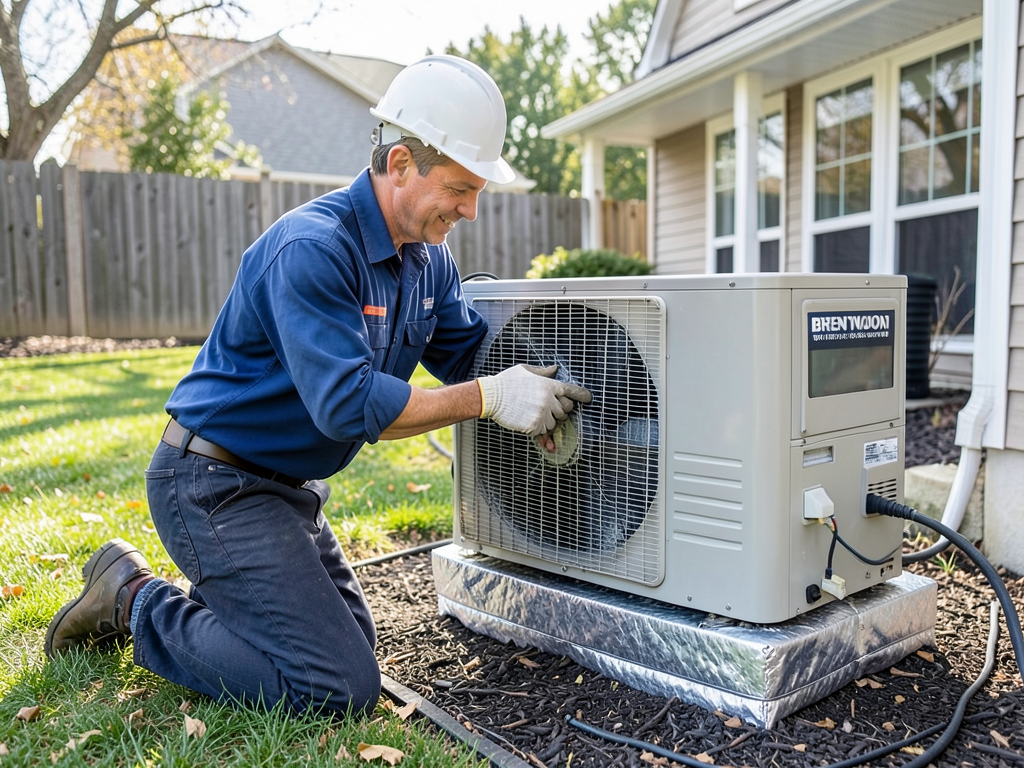
HVAC Services in The Nashville Area

Alpha HVAC is a local business dedicated to serving the entire community. Our centralized location allows us to provide swift and reliable service to all surrounding areas. Whether you need a repair, a new installation, or routine maintenance, you can trust our team to be there for you when it matters most. Explore our service area on the map below to see how we can help you with all your heating and cooling needs.

Address:
Alpha HVAC Nashville, 1001 3rd Ave N, Nashville, TN, 37201

Additional Services We Offer

Our news updates

Latest Articles & News from The Blogs

Understanding the difference between a furnace and a boiler for older Middle Tennessee homes Choosing the right heating system for…

Understanding the difference between a furnace and a boiler for older Middle Tennessee homes

Understanding the difference between a furnace and a boiler for older Middle Tennessee homes Choosing the right heating system for…

How to choose a quiet HVAC system that won't disturb your neighbors in Brentwood

How to choose a quiet HVAC system that won't disturb your neighbors in Brentwood Living in Brentwood means enjoying peaceful…

Keeping your boat house or lakeside cabin comfortable with a mini split system

Keeping your boat house or lakeside cabin comfortable with a mini split system\n\nThe humid summers and mild winters of Middle…

Contact Us

Do not wait for carbon monoxide symptoms to appear. Schedule a safety inspection with Alpha HVAC Nashville today. Call (615) 552-1922 now to book your comprehensive combustion analysis and protect your family from this silent threat.