





Menu

Carbon Monoxide Leak Detection in Nashville – 24/7 Emergency Response Within 60 Minutes

When your CO detector sounds or you suspect a gas leak, Alpha HVAC Nashville dispatches certified technicians immediately for professional carbon monoxide leak testing and emergency mitigation across all Nashville neighborhoods.

Slider Image 1
Slider Image 2
Slider Image 3
Slider Image 4
Slider Image 5
Slider Image 7
Slider Image 8
Slider Image 9
Slider Image 10
Slider Image 11

Why Carbon Monoxide Emergencies Require Immediate Professional Intervention

Carbon monoxide is a silent killer. You cannot see it, smell it, or taste it. When your detector sounds in the middle of the night or you experience sudden headaches, dizziness, or nausea, you are facing a true emergency that demands urgent carbon monoxide check services.

Nashville's heating season creates dangerous conditions. From October through March, furnaces run constantly. When heat exchangers crack or combustion systems fail, deadly CO gas leaks into your living space. Older homes in neighborhoods like East Nashville and Germantown often have aging HVAC equipment that increases leak risk. The temperature swings from humid summers to cold winters stress these systems.

Many Nashville residents rely on gas furnaces, water heaters, and fireplaces. Any appliance burning natural gas or propane can produce carbon monoxide if venting fails. Blocked flue pipes, damaged exhaust systems, or improper installations turn essential heating equipment into hazards.

Professional CO leak inspection is not optional when you suspect exposure. Low-level leaks cause flu-like symptoms that worsen over time. High concentrations can cause unconsciousness or death within minutes. Emergency carbon monoxide testing identifies the source, measures concentration levels, and determines whether your home is safe to occupy.

Standard CO detectors alert you to danger but cannot pinpoint the leak source. Our emergency carbon monoxide testing uses calibrated electronic analyzers that detect parts per million in real time. We trace the leak to the exact component failure, whether it is a cracked heat exchanger, disconnected vent pipe, or malfunctioning burner assembly.

Why Carbon Monoxide Emergencies Require Immediate Professional Intervention
Our Emergency Carbon Monoxide Detection Protocol

Our Emergency Carbon Monoxide Detection Protocol

Alpha HVAC Nashville follows a systematic approach to CO gas detection service that prioritizes your safety above all else.

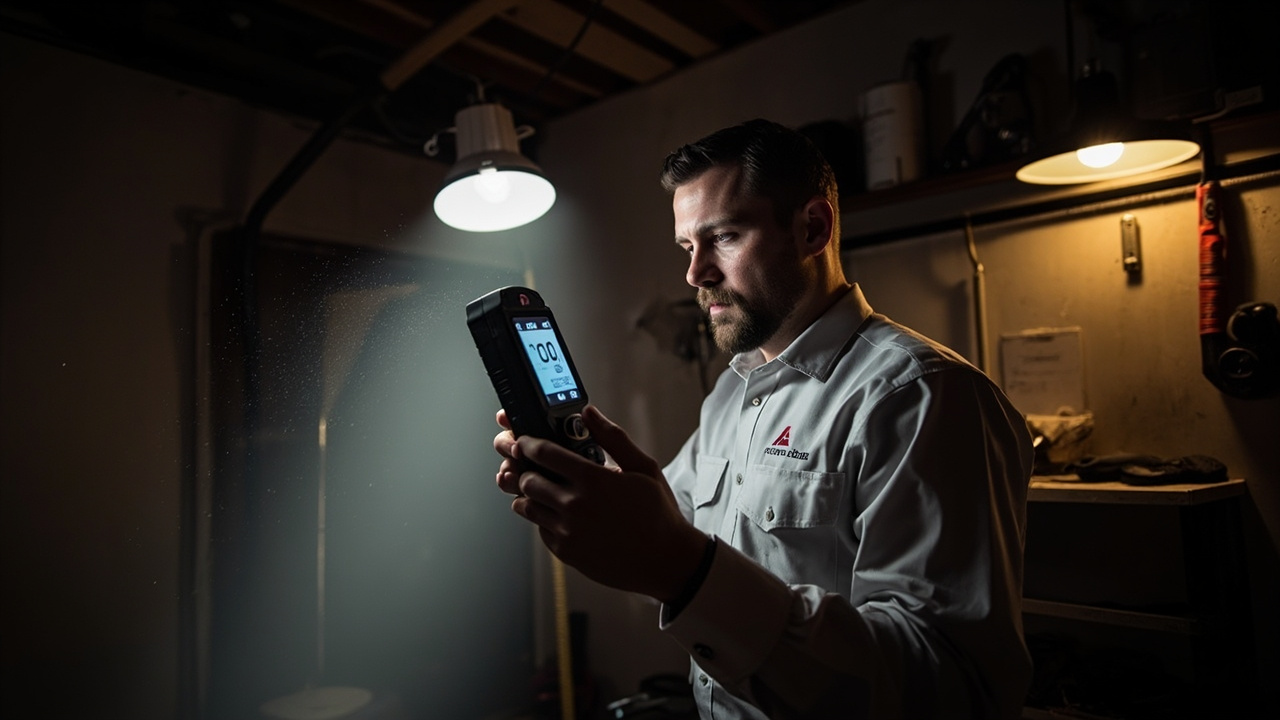
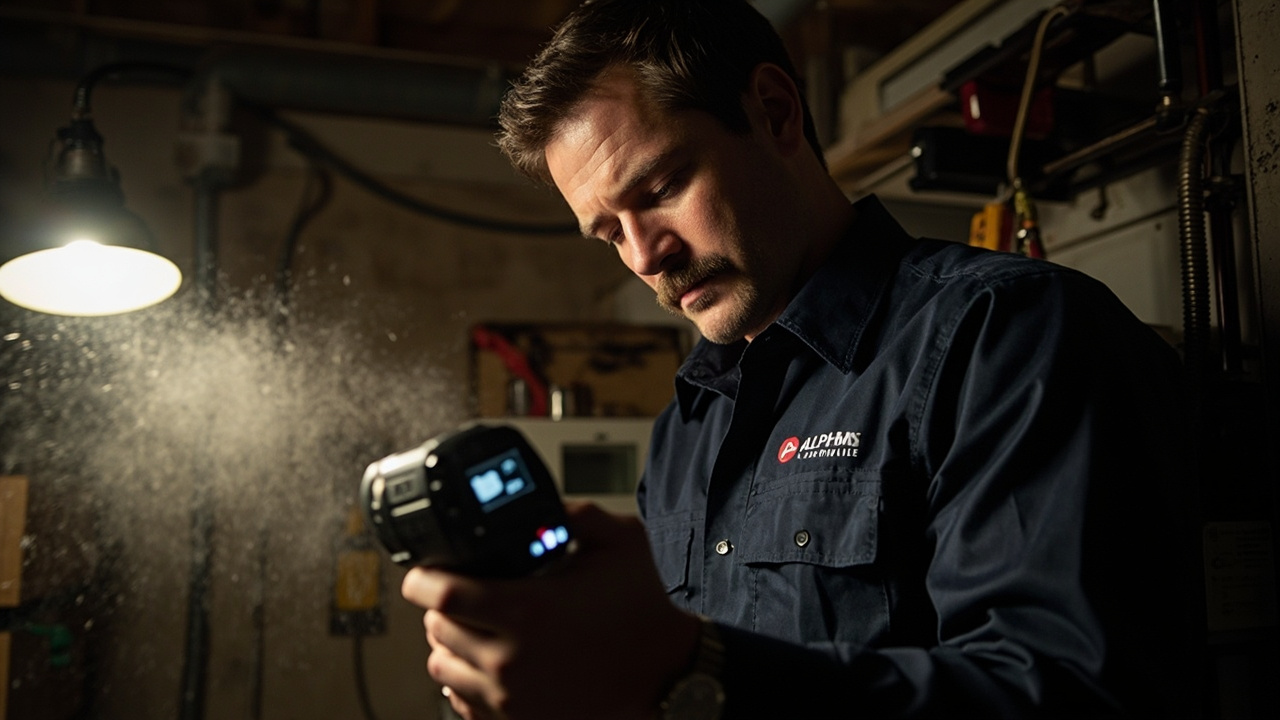
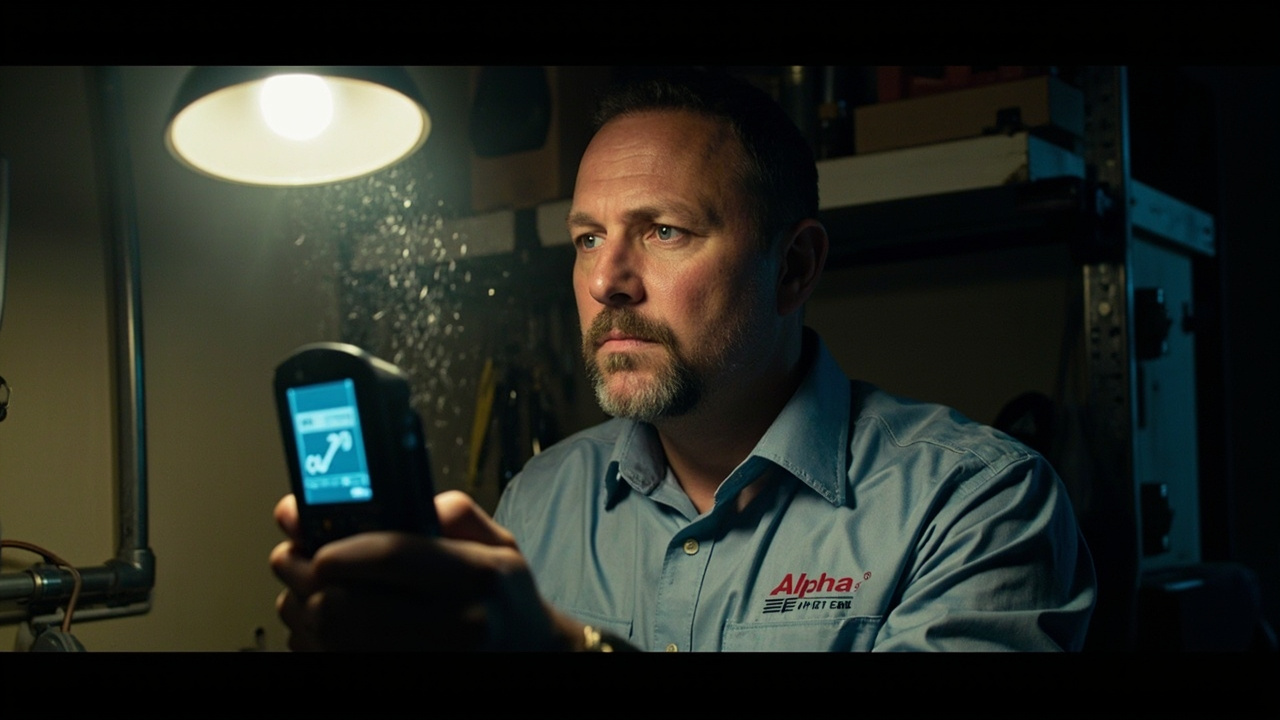
Our technicians arrive with professional-grade combustion analyzers and multi-gas detectors. These tools measure carbon monoxide concentration down to one part per million. We test ambient air throughout your home, focusing on sleeping areas where prolonged exposure during nighttime hours poses the greatest risk.

We inspect every fuel-burning appliance. This includes your furnace, water heater, gas range, fireplace, and any supplemental heating equipment. Each appliance undergoes combustion analysis to measure flue gas composition. Elevated CO levels in exhaust gases signal incomplete combustion or venting problems.

Heat exchanger inspection is critical. The heat exchanger separates combustion gases from the air circulating through your home. Cracks as small as a hairline can leak deadly gas into your ductwork. We use inspection cameras and pressure testing to identify breaches that visual inspection alone might miss.

Venting systems receive thorough examination. We check for blockages, corrosion, disconnected sections, and improper pitch. Birds nests in chimney flues, condensation damage in PVC vent pipes, and deteriorated metal flues are common culprits in Nashville homes.

Draft testing confirms proper exhaust flow. Natural draft appliances depend on temperature differentials to vent combustion gases outdoors. If draft is insufficient, gases spill back into living spaces. We measure draft pressure at the appliance and verify adequate clearance around vent terminals.

Once we locate the source, we provide immediate mitigation. For minor issues like dirty burners, we can often complete repairs on site. Major problems like failed heat exchangers require equipment replacement, which we schedule urgently. We never leave your home until we confirm safe CO levels throughout.

What Happens During Your Emergency CO Inspection

Carbon Monoxide Leak Detection in Nashville – 24/7 Emergency Response Within 60 Minutes
01

Immediate Safety Assessment

Our technician arrives within 60 minutes and immediately tests ambient CO levels in every room using calibrated electronic analyzers. If concentrations exceed 35 ppm, we evacuate occupants and ventilate the space before beginning diagnostic work. We document baseline readings and identify high-risk zones where gas accumulates, prioritizing bedrooms and closed spaces where residents spend extended periods.
02

Appliance-Level Diagnostics

We test each fuel-burning appliance individually by measuring flue gas composition and draft pressure. Combustion analysis reveals incomplete burning, while visual inspection using fiber-optic cameras checks heat exchangers for cracks. We trace all vent piping from appliance to exterior termination, checking for blockages, disconnections, or corrosion. This methodical approach pinpoints the exact failure point rather than guessing at the source.
03

Mitigation and Clearance

Once we identify the leak source, we shut down the faulty equipment and perform emergency repairs when possible. For issues requiring parts or replacement equipment, we provide temporary solutions and expedite service scheduling. We retest ambient CO levels throughout your home to confirm safe conditions below 9 ppm before clearing occupants to return. You receive a detailed written report documenting the source, concentration levels, and corrective actions taken.

Why Nashville Residents Trust Alpha HVAC for CO Emergencies

Carbon monoxide emergencies demand expertise and equipment that standard HVAC companies often lack. Alpha HVAC Nashville maintains emergency response capability 24 hours a day because CO leaks do not wait for business hours.

Our technicians carry professional combustion analyzers calibrated to measure carbon monoxide, oxygen, and combustible gas concentrations. These tools cost thousands of dollars and require specialized training to interpret results accurately. Many competitors use basic handheld CO detectors that provide limited diagnostic value during emergencies.

Nashville's building stock presents unique challenges. Homes in historic neighborhoods like Sylvan Park and Belmont-Hillsboro feature original heating equipment and ductwork dating back decades. We understand the quirks of older gravity furnaces, octopus systems, and early forced-air installations that newer technicians may never have encountered. This experience proves critical when diagnosing CO leaks in vintage equipment.

Local code knowledge matters during emergencies. Nashville building codes specify minimum clearances for vent terminals, approved venting materials, and combustion air requirements. When we repair or replace failed equipment, all work meets current code standards even if the original installation predates modern requirements. This protects you from future problems and ensures compliance if you sell your home.

We maintain relationships with local inspectors and building officials. If your CO emergency requires equipment replacement, we expedite permit processing so you are not without heat for extended periods. Our established reputation means inspectors trust our work and approve installations quickly.

Insurance claim assistance is part of our emergency service. Many homeowner policies cover sudden equipment failures that create safety hazards. We document all findings, photograph failed components, and provide detailed written reports that support your claim. This documentation often means the difference between claim approval and denial.

What to Expect During Your Emergency CO Service Call

Emergency Response Time

We dispatch technicians within minutes of your call, with arrival guaranteed within 60 minutes for Nashville proper and surrounding Davidson County. Our emergency trucks stay stocked with diagnostic equipment, common repair parts, and safety gear so we can begin work immediately upon arrival. You speak directly with a technician who provides real-time updates on arrival time. If CO levels exceed safe limits when we arrive, we evacuate occupants and ventilate the structure before beginning diagnostic work. Your safety comes first, always.

Comprehensive Leak Investigation

Our diagnostic process examines every potential CO source in your home. We test ambient air in all occupied spaces, analyze combustion efficiency on each fuel-burning appliance, and inspect vent systems from appliance to exterior termination. Fiber-optic cameras allow us to examine heat exchanger integrity without disassembly. We document CO concentrations at multiple locations, measure draft pressure, and photograph failed components. This thorough approach ensures we find the actual source rather than treating symptoms. You receive a written report detailing all findings, test results, and recommended corrective actions.

Immediate Problem Resolution

When possible, we complete repairs during the emergency visit. Common issues like dirty burners, blocked vents, or disconnected flue pipes can often be resolved immediately. For problems requiring equipment replacement, we provide temporary solutions to restore heat safely while expediting parts ordering or replacement equipment delivery. We never declare your home safe until ambient CO levels throughout measure below 9 ppm. If equipment must remain offline, we coordinate temporary heating solutions and priority scheduling for permanent repairs. Our goal is same-day resolution whenever possible.

Post-Emergency Follow-Up

After resolving the immediate emergency, we schedule follow-up testing within 48 hours to verify continued safe operation. This return visit includes combustion analysis on repaired equipment and ambient air testing throughout your home. If we installed replacement equipment, we return to verify proper operation after you have run the system through multiple cycles. You receive guidance on CO detector placement, battery maintenance, and warning signs that demand immediate professional attention. We also provide recommendations for preventive maintenance that reduces future leak risk.

Frequently Asked Questions

You Have Questions,
We Have Answers

How do you tell if you have a carbon monoxide leak? +

You cannot see or smell carbon monoxide. Watch for physical symptoms like headaches, dizziness, nausea, or confusion when you are inside your home. Check your fuel-burning appliances for yellow or flickering flames instead of steady blue flames. Listen for your CO detector alarm. In Nashville's older homes with aging furnaces and water heaters, excess moisture on windows or walls near gas appliances can signal incomplete combustion. If you suspect a leak, evacuate immediately and call 911. Do not re-enter until a certified HVAC technician clears your home.

Can you stay in a house with a carbon monoxide leak? +

No. Evacuate immediately if you suspect a carbon monoxide leak. CO poisoning can kill within minutes at high concentrations. Even low-level exposure causes permanent brain and heart damage over time. Nashville residents must take this seriously, especially during winter months when furnaces run continuously and homes stay sealed tight. Get everyone outside, including pets. Call 911 from a safe location. Do not go back inside to grab belongings or investigate the source. Wait for emergency responders and a qualified HVAC professional to test air quality and locate the leak source.

Does CO rise or fall? +

Carbon monoxide mixes evenly with air at room temperature. It does not rise or fall like other gases. This is why CO detectors should be installed on every level of your Nashville home, including basements and upper floors. Place detectors near sleeping areas so alarms wake you at night. Avoid putting them directly next to fuel-burning appliances, which can cause false alarms. The gas distributes throughout your home quickly, making whole-house detection critical. Do not rely on a single detector in your basement or attic.

Will a carbon monoxide detector detect a leak? +

Yes. A working carbon monoxide detector alerts you when dangerous CO levels build up in your home. Install detectors on every floor and near bedrooms. Test them monthly and replace batteries twice yearly. Replace the entire unit every five to seven years, as sensors lose accuracy over time. Nashville homeowners with gas furnaces, water heaters, or fireplaces need functioning detectors. Plug-in models with battery backup work best during power outages. Detectors measure CO in parts per million and alarm before levels become fatal. They are your first line of defense.

What are two warning signs of carbon monoxide? +

Headaches and dizziness are the most common early warning signs of carbon monoxide exposure. You might also experience nausea, weakness, chest pain, or confusion. Symptoms feel like the flu but without fever. In Nashville homes, multiple family members getting sick simultaneously indoors, then feeling better outside, signals a CO problem. Pets may show symptoms first because of their smaller body size. Other signs include soot buildup around appliances, yellow burner flames instead of blue, or excess moisture on windows. Take any symptoms seriously and evacuate.

Can a phone app detect carbon monoxide? +

No. Phone apps cannot detect carbon monoxide. Your phone has no sensor capable of measuring CO gas. Apps claiming this ability are scams or measure other environmental factors. Only dedicated carbon monoxide detectors with electrochemical sensors accurately detect CO. Nashville homeowners must install hard-wired or battery-powered UL-listed detectors on every floor. Some smart home systems integrate with connected CO detectors and send alerts to your phone, but the phone itself detects nothing. Do not risk your family's safety on false technology claims. Install real detectors.

How quickly will you know if you have carbon monoxide poisoning? +

Symptoms appear within two hours at moderate CO levels. At high concentrations, you can lose consciousness within minutes. Mild exposure causes headaches and dizziness within one to two hours. Nashville residents sleeping near a leaking furnace or gas appliance may never wake up, as CO poisoning happens faster during sleep when breathing slows. Children, elderly adults, and people with heart conditions feel effects sooner. If you suspect exposure, get fresh air immediately and seek medical attention. Emergency rooms use blood tests to measure carboxyhemoglobin levels and determine poisoning severity.

How can I test for CO in my home? +

Install UL-listed carbon monoxide detectors on every floor of your Nashville home. These continuously monitor air quality and alarm when CO reaches dangerous levels. For immediate testing, hire a certified HVAC technician with professional-grade detection equipment. Technicians use digital analyzers that measure CO in parts per million around furnaces, water heaters, gas ranges, and venting systems. They check for backdrafting, cracked heat exchangers, and blocked flues. Annual furnace inspections catch problems before leaks develop. Never use color-changing cards or cheap handheld units, which lack accuracy.

Will opening windows help with carbon monoxide? +

Opening windows reduces carbon monoxide levels but does not fix the leak source. Ventilate immediately if you suspect CO, but evacuate first. Fresh air dilutes the gas and prevents further poisoning while you wait for help. In Nashville's humid climate, homeowners often seal homes tight for heating and cooling efficiency, which traps CO inside. Open windows and doors, turn off gas appliances, and get everyone outside. Do not stay inside hoping ventilation solves the problem. A leaking furnace or water heater needs professional repair before you return home.

Where does carbon monoxide accumulate first? +

Carbon monoxide accumulates first near the leak source, typically around malfunctioning fuel-burning appliances. In Nashville homes, this often means furnace rooms, utility closets with gas water heaters, or spaces near gas fireplaces. Because CO mixes evenly with air, it spreads quickly throughout your home via ductwork and natural air circulation. Closed-off rooms without airflow can trap higher concentrations. Basements and attached garages where cars idle are high-risk zones. Install detectors in these areas and near bedrooms. The gas does not sink or rise, so distribution depends on airflow patterns.

How Nashville's Heating Season Increases Carbon Monoxide Risk

Nashville's climate creates unique carbon monoxide risks. Winter temperatures regularly drop into the 20s, forcing furnaces to run continuously for days. This extended operation stresses heat exchangers and combustion components. When systems cycle on and off frequently during milder weather, small cracks may not produce detectable CO levels. But during prolonged cold snaps, these same cracks expand under thermal stress and begin leaking dangerous gas into living spaces. The city's high humidity also accelerates corrosion in metal flue pipes and vent systems, particularly in crawl spaces and attics where moisture accumulates.

Alpha HVAC Nashville has served Davidson County homeowners for years, building relationships with residents who trust us during emergencies. We understand local construction practices, from the pier-and-beam foundations common in older neighborhoods to the slab construction typical in newer developments. This familiarity allows us to locate gas lines, access equipment, and navigate tight spaces efficiently during time-critical CO emergencies. Our technicians live in Nashville, know the neighborhoods, and respond from locations throughout the metro area to minimize travel time when you need help urgently.
HVAC Services in The Nashville Area

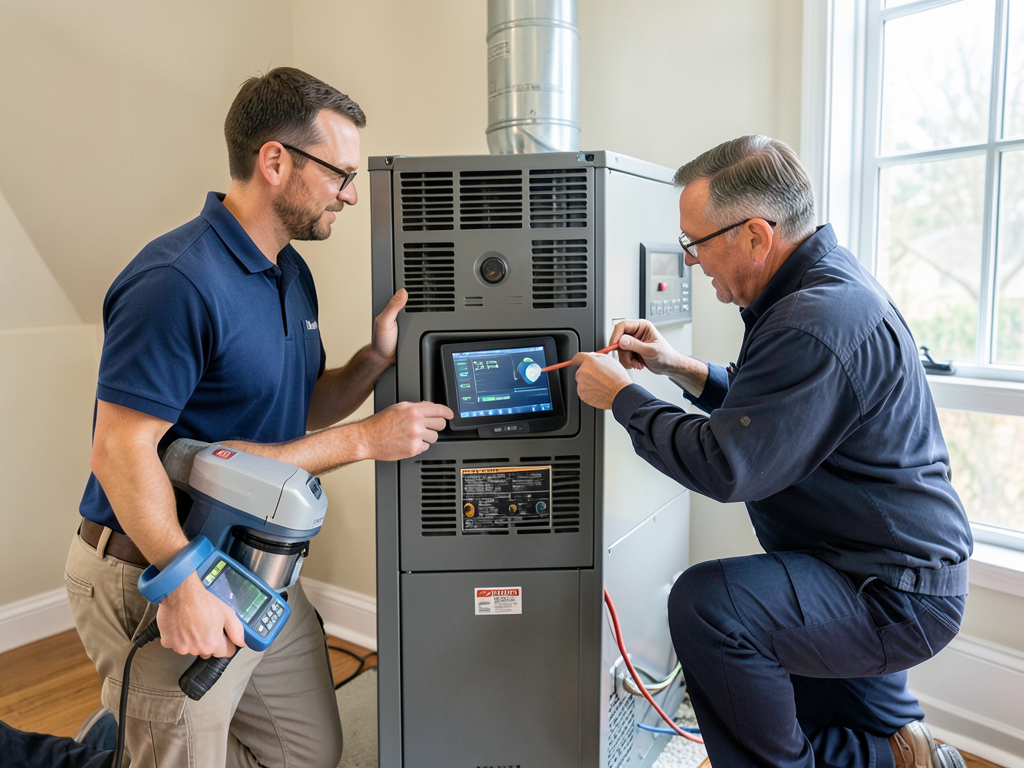
Alpha HVAC is a local business dedicated to serving the entire community. Our centralized location allows us to provide swift and reliable service to all surrounding areas. Whether you need a repair, a new installation, or routine maintenance, you can trust our team to be there for you when it matters most. Explore our service area on the map below to see how we can help you with all your heating and cooling needs.

Address:
Alpha HVAC Nashville, 1001 3rd Ave N, Nashville, TN, 37201

Additional Services We Offer

Our news updates

Latest Articles & News from The Blogs

Understanding the difference between a furnace and a boiler for older Middle Tennessee homes Choosing the right heating system for…

Understanding the difference between a furnace and a boiler for older Middle Tennessee homes

Understanding the difference between a furnace and a boiler for older Middle Tennessee homes Choosing the right heating system for…

How to choose a quiet HVAC system that won't disturb your neighbors in Brentwood

How to choose a quiet HVAC system that won't disturb your neighbors in Brentwood Living in Brentwood means enjoying peaceful…

Keeping your boat house or lakeside cabin comfortable with a mini split system

Keeping your boat house or lakeside cabin comfortable with a mini split system\n\nThe humid summers and mild winters of Middle…

Contact Us

If your carbon monoxide detector is sounding or you suspect a gas leak, do not wait. Call Alpha HVAC Nashville immediately at (615) 552-1922. Our emergency technicians dispatch within minutes and arrive equipped to locate the source, mitigate the danger, and restore safe conditions to your home.