





Gallatin sits in the humid subtropical zone of Middle Tennessee, where summers regularly push into the 90s with oppressive humidity and winters drop below freezing for weeks at a time. Your HVAC system runs hard in this climate. Air conditioners cycle constantly from May through September, battling moisture loads that stress compressors and evaporator coils. Furnaces fire up repeatedly during cold snaps, putting wear on ignitors and heat exchangers.
The Cumberland River basin creates additional humidity challenges. Homes near the lake or in low-lying areas around Station Camp Creek experience even higher moisture levels, leading to condensation problems, mold growth in ductwork, and premature system failures. Gallatin's mix of older homes near the historic downtown square and newer subdivisions east of Highway 109 creates a range of HVAC challenges. Older systems may lack proper sizing for modern insulation standards. Newer builds sometimes suffer from rushed installations that create airflow problems.
Tennessee's moderate building code requirements mean many Gallatin homes lack the duct sealing and insulation found in northern climates. This increases runtime, drives up energy bills, and shortens equipment life. When your system fails in this climate, it's not just uncomfortable. It's a health risk during summer heat waves and a frozen pipe risk during winter cold.
Alpha HVAC Nashville has built a reputation in Gallatin by showing up fast and fixing problems right. We don't send salespeople to your door when you call for emergency service. We send experienced technicians with fully stocked trucks who diagnose the problem, explain what's wrong in plain language, and give you options with upfront pricing before any work begins.
Our technicians average over a decade of field experience. They've worked on every major brand installed in Gallatin homes, from the Carrier units common in newer subdivisions to the Trane systems in older homes near the square. They understand how Middle Tennessee's climate affects HVAC performance. They know that a system working fine in March may struggle by July when humidity spikes. They check refrigerant levels, test electrical components, inspect ductwork, and catch problems before they become emergencies.
We answer our phones 24 hours a day because HVAC emergencies don't wait for business hours. A Sunday night furnace failure or a Saturday afternoon AC breakdown gets the same rapid response as a Tuesday morning service call. We dispatch from our Nashville base to reach most Gallatin neighborhoods within an hour during emergencies.
Our pricing is transparent. You see the cost before we start work. No trip charges that balloon into surprise bills. No pressure tactics to replace equipment that still has life left. If a $300 repair gives you another two years, we tell you. If replacement makes more financial sense, we explain why with data, not scare tactics. This honesty has earned us repeat customers across Gallatin who call us first when something goes wrong.

When your AC dies during a heat wave or your furnace quits on a freezing night, you need help now. We dispatch technicians to Gallatin within an hour for true emergencies. Our trucks carry common parts for major brands, so most repairs finish the same day without waiting on shipments or return visits.

You see the full repair cost before work begins. No hidden fees, no surprise charges, no diagnostic fees that disappear into inflated labor rates. If you decline the repair, you pay nothing but the diagnostic fee clearly stated when you book. This transparency builds trust and eliminates the anxiety of open-ended service calls.
We don't send trainees to your home. Every technician carries years of field experience diagnosing complex HVAC problems. They've worked on systems installed in the 1990s and brand-new high-efficiency units. They troubleshoot electrical issues, refrigerant leaks, airflow problems, and control failures with the confidence that comes from solving thousands of service calls.
We know how Gallatin's climate stresses HVAC systems. We understand the humidity challenges near Old Hickory Lake, the dust problems in growing subdivisions, and the unique issues facing older homes downtown. This local knowledge helps us diagnose problems faster and recommend solutions that work specifically for Middle Tennessee conditions.
Alpha HVAC Nashville handles every aspect of residential heating and cooling in Gallatin. We repair air conditioners and furnaces from all major manufacturers. We install new systems when replacement makes financial sense. We maintain equipment to catch problems before they cause breakdowns. Our service range covers emergency repairs, planned replacements, seasonal tune-ups, and indoor air quality solutions.
Most calls we receive fall into three categories: emergency breakdowns requiring immediate repair, planned system replacements for aging equipment, and preventive maintenance to extend system life. Each category demands different expertise and approaches. Emergency work requires fast diagnosis and parts availability. Replacement projects need accurate load calculations and proper installation. Maintenance visits focus on catching small issues before they become expensive failures. We handle all three with the same attention to quality and customer communication.
Your air conditioner or furnace stopped working and your home is becoming unbearable. We dispatch technicians fast to diagnose the problem, explain what failed, and complete repairs the same day when possible. Common emergency repairs include compressor failures, refrigerant leaks, blower motor replacements, ignitor failures, thermostat malfunctions, and electrical component breakdowns. We stock parts for Carrier, Trane, Lennox, Rheem, Goodman, and other major brands installed throughout Gallatin. Most emergency calls resolve within a few hours.
Your system is over 15 years old, repairs are becoming frequent, or your energy bills keep climbing. We perform load calculations to size equipment correctly for your home, recommend efficient models that fit your budget, and install systems with attention to ductwork, airflow, and refrigerant charging. Proper installation matters more than brand names. A correctly sized and installed mid-tier system outperforms a premium system installed hastily. We take time to do it right.
Regular maintenance catches problems before they cause failures. Spring AC tune-ups check refrigerant levels, clean coils, test capacitors, and verify electrical connections before summer heat arrives. Fall furnace maintenance inspects heat exchangers, tests ignitors, checks gas pressure, and cleans burners before winter cold sets in. These visits typically cost less than $150 and often prevent $500+ emergency repairs. We recommend annual service for systems over five years old and biannual service for equipment over ten years old.
Gallatin's climate creates predictable stress points in residential HVAC systems. High summer humidity loads tax air conditioners, causing refrigerant leaks and compressor failures. Temperature swings between seasons force systems to switch between heating and cooling modes repeatedly, wearing out reversing valves in heat pumps. Winter freezes can crack condensate drain lines and damage outdoor coil fins.
The area's growing construction means many homes have undersized ductwork or improperly installed systems. Builders often prioritize speed over quality during HVAC installation, leading to airflow problems, hot and cold spots, and premature equipment failure. Older homes near downtown Gallatin may have original ductwork never designed for modern high-efficiency systems, reducing performance and driving up energy costs. Understanding these common problems helps homeowners recognize warning signs before minor issues become expensive emergencies.
Summer heat forces air conditioners to run for hours daily, causing vibration that loosens connection points in refrigerant lines. Humidity accelerates corrosion on copper coils and aluminum fins. Small leaks reduce cooling capacity gradually until your system can't keep up on hot days. Refrigerant doesn't get "used up" like gasoline. If your system needs frequent recharging, you have a leak that needs repair.
Modern gas furnaces use hot surface ignitors that glow orange to light burners. These ceramic components become brittle after years of heating and cooling cycles. They often fail during the first cold snap of winter when you need heat most. A cracked ignitor prevents your furnace from firing, leaving your home cold. Replacement takes about an hour and restores heat immediately.
Poorly sealed ductwork loses conditioned air into attics, crawl spaces, and wall cavities before it reaches living areas. Gallatin homes with accessible ductwork often show visible gaps at connection points and unsealed joints. These leaks waste 20 to 30 percent of your heated or cooled air, driving up bills and creating rooms that never reach desired temperatures. Professional duct sealing pays for itself within a few years.
Capacitors store electrical charge to start compressors and blower motors. They sit inside outdoor AC units exposed to full summer sun and humidity. Tennessee heat degrades capacitors faster than in moderate climates. A failing capacitor causes hard starting, loud humming sounds, or complete failure to run. Capacitor replacement is one of the most common summer repairs we perform in Gallatin, typically costing $150 to $300.
When you call with an HVAC problem, you talk directly to someone who can help, not a call center reading scripts. We ask about symptoms, how long the problem has existed, and when you need service. For emergencies, we prioritize dispatch based on health risks and system failure severity. A homeowner with no AC during a heat advisory gets faster response than someone with a unit running but not cooling efficiently.
We give arrival windows and call ahead when the technician is 15 minutes away. The technician arrives in a marked truck, introduces themselves, and confirms the problem before starting diagnosis. They protect your floors with shoe covers and work area with drop cloths. After diagnosis, they explain what failed, show you the problem when possible, and present options with clear pricing. You decide whether to repair, replace, or get a second opinion. No pressure, no games, no surprises.
We explain problems in plain language, not technical jargon designed to confuse. If your compressor failed, we explain what a compressor does and why it failed. If refrigerant is leaking, we show you the leak location and explain repair options. We answer questions patiently and make sure you understand what's happening with your system before making decisions about repairs or replacement.
Our technicians treat your home carefully. They use floor protection, clean up work areas, and remove all debris when finished. If they need to access attics or crawl spaces, they take precautions to avoid damage to insulation or stored items. We provide realistic time estimates and update you if repairs take longer than expected. Your time matters, and we work efficiently without cutting corners on quality.
We guarantee our repair work for one year on labor and honor manufacturer warranties on parts. If something we fixed fails again within the warranty period, we return and make it right at no additional charge. For installations, we register your equipment with manufacturers to activate full factory warranties and provide documentation showing proper installation procedures were followed. Your investment is protected.
HVAC service shouldn't be complicated or stressful. We've structured our process to be straightforward and transparent from your first call to final payment.
The technician examines your system, tests components, checks refrigerant levels, measures airflow, and inspects electrical connections. They identify the root cause of the problem, not just symptoms. You receive a clear explanation of what failed, why it failed, and what needs repair. For complex issues, they may take photos or videos to show you exactly what's wrong. This diagnosis includes written pricing for recommended repairs.
After you approve the work, the technician completes repairs using quality parts and proper techniques. They don't rush through installations or take shortcuts that cause future problems. For AC repairs, they check refrigerant charge with precision instruments. For furnace work, they test gas pressure and verify safe combustion. They follow manufacturer specifications and industry best practices. The work gets done right the first time.
Before leaving, the technician tests the system through complete heating or cooling cycles to verify proper operation. They check temperatures at supply vents, verify thermostat operation, and ensure all safety controls function correctly. You receive documentation of work completed, parts installed, and warranty information. We follow up within a few days to confirm your system is still working properly and you're satisfied with the service.
Tennessee follows the International Mechanical Code with state amendments that affect HVAC installation and repair. Contractors must pull permits for system replacements and major repairs involving refrigerant systems or gas lines. Permit requirements exist to ensure work meets safety standards and protects homeowners from improper installations that cause carbon monoxide risks, refrigerant leaks, or electrical fires.
Proper refrigerant handling requires EPA Section 608 certification. Technicians must recover refrigerant from systems before repairs, evacuate lines to remove moisture and air before recharging, and verify proper charge using subcooling or superheat measurements, not just gauge pressures. Many service calls we inherit from other companies reveal incorrect refrigerant charges. Systems running low on refrigerant stress compressors and reduce efficiency. Systems overcharged with refrigerant can damage compressors and create high head pressures that trigger safety shutoffs.
Load calculations determine correct equipment sizing using Manual J methodology from the Air Conditioning Contractors of America. This calculation accounts for square footage, insulation values, window area, orientation, ductwork design, and local climate data. Oversized equipment short cycles, reducing efficiency and comfort. Undersized equipment runs constantly without reaching desired temperatures. Many Gallatin homes have incorrectly sized systems installed by builders who used rules of thumb instead of proper calculations.
Ductwork design follows Manual D standards for residential systems. Proper duct sizing ensures adequate airflow to each room without excessive velocity noise or pressure drops. Supply vents should deliver approximately 400 cubic feet per minute per ton of cooling capacity. Return air paths must be unrestricted to prevent negative pressure that causes comfort problems and efficiency losses. Static pressure testing identifies duct restrictions and leaks that reduce system performance.
Older systems use R-22 refrigerant, which is no longer produced due to environmental regulations. R-22 systems can still be repaired using reclaimed refrigerant, but costs have increased significantly. Newer systems use R-410A refrigerant, which operates at higher pressures and requires different components. Systems cannot be converted between refrigerant types. When R-22 systems need major repairs, replacement often makes more financial sense than continuing to repair aging equipment with expensive refrigerant.
Repair costs depend on part prices, labor complexity, and refrigerant type. Simple repairs like thermostat replacement cost $150 to $300. Mid-range repairs like capacitor or contactor replacement run $200 to $400. Major repairs like compressor or heat exchanger replacement often cost $1,500 to $3,000. At those price points, replacement becomes financially attractive for systems over 12 years old. Equipment costs vary by efficiency rating, brand reputation, and features like variable-speed blowers or two-stage cooling.
Most emergency repairs finish within two to four hours, including diagnosis, parts replacement, and testing. Same-day completion is possible when we stock the required parts. System replacements typically take one to two days depending on complexity. Simple changeouts with existing ductwork finish in six to eight hours. Installations requiring ductwork modifications or electrical upgrades may need two full days. We provide realistic timelines upfront and communicate delays immediately if they occur.
Tennessee requires HVAC contractors to hold mechanical licenses issued by the state Board for Licensing Contractors. Technicians must pass trade examinations demonstrating knowledge of codes, safety practices, and proper installation techniques. Legitimate contractors carry general liability insurance and workers compensation coverage to protect homeowners from liability if accidents occur. Always verify licensing and insurance before allowing work on your HVAC system. Unlicensed work voids equipment warranties and creates safety risks.
Educational video explaining common HVAC problems affecting Gallatin, Tennessee homeowners and what to expect from professional heating and cooling repair services. Covers refrigerant leaks, furnace failures, ductwork issues, and climate-specific challenges in Middle Tennessee. Provides guidance on choosing qualified HVAC contractors, understanding repair costs, and recognizing warning signs of system failure. Alpha HVAC Nashville discusses emergency service response, diagnostic procedures, and proper repair techniques for residential air conditioning and heating systems in the Gallatin area.
Alpha HVAC Nashville serves all of Gallatin and the greater Sumner County area with the same fast response and quality service. We regularly work in established neighborhoods near the historic downtown square, where older homes often need ductwork upgrades and system replacements for aging equipment installed in the 1980s and 1990s. These homes typically have accessible crawl spaces and attics, making service work straightforward.
The Bledsoe Creek area presents unique challenges with homes near Old Hickory Lake experiencing higher humidity levels and moisture-related HVAC problems. Lakefront properties often need enhanced dehumidification solutions and more frequent coil cleaning due to the moist environment. We've worked on numerous systems in this area and understand how proximity to water affects HVAC performance.
East Gallatin's growing subdivisions along Highway 109 toward Castalian Springs feature newer construction with modern HVAC systems, but we frequently address installation quality issues from builder-grade equipment installed hastily during construction booms. Many homeowners in neighborhoods like Dobbins Pike and Hartsville Pike areas call us to correct airflow problems, duct leaks, and improper refrigerant charges left by original installers. These homes benefit significantly from professional duct sealing and system optimization.
The West Gallatin area along Highway 31E toward Portland includes a mix of older rural properties and newer developments. Rural homes sometimes have propane furnaces instead of natural gas, requiring specialized knowledge for service and repair. We work on all fuel types and understand the differences in combustion requirements and safety protocols.
North of town toward the Kentucky border, properties in the Station Camp Creek watershed deal with higher humidity and occasional flooding concerns that affect HVAC equipment placement and drainage. We help homeowners in these areas plan system installations that account for local drainage patterns and moisture challenges. Proper condensate drain routing matters significantly in low-lying areas prone to water accumulation.
Our coverage extends throughout Sumner County to communities like Hendersonville, Goodlettsville, and White House. We understand the local geography, climate patterns, and common HVAC challenges across the region. This local knowledge helps us diagnose problems faster and recommend solutions that work specifically for Middle Tennessee conditions rather than generic approaches that may not address regional issues.
HVAC system pricing in Gallatin depends on your home size, equipment brand, and installation complexity. A complete system replacement typically ranges from budget-friendly options to premium installations. Factors affecting price include your home's square footage, existing ductwork condition, and efficiency rating preferences. Higher SEER ratings mean better energy efficiency and lower monthly bills. Get quotes from multiple local contractors to compare options. Most companies offer financing plans to spread payments over time. Energy-efficient systems often qualify for utility rebates, reducing your upfront investment.
Your AC unit size depends on square footage, insulation quality, window count, and ceiling height. Gallatin's hot summers require proper sizing to maintain comfort. A qualified technician performs a Manual J load calculation to determine exact tonnage needs. Most homes need 1 ton of cooling per 400-600 square feet. An oversized unit cycles on and off frequently, wasting energy and failing to remove humidity. An undersized unit runs constantly and never reaches your desired temperature. Professional sizing ensures optimal performance and efficiency.
Replace your HVAC filter every 30-90 days depending on filter type and household conditions. Standard fiberglass filters need monthly replacement. Pleated filters last 60-90 days. Homes with pets, allergies, or high dust levels require more frequent changes. Gallatin's seasonal pollen increases filter load during spring and fall. A clogged filter restricts airflow, forcing your system to work harder and increasing energy bills. Check your filter monthly and replace when it appears dirty or gray. Set phone reminders to maintain a consistent schedule.
HVAC system pricing in Gallatin depends on your home size, equipment brand, and installation complexity. A complete system replacement typically ranges from budget-friendly options to premium installations. Factors affecting price include your home's square footage, existing ductwork condition, and efficiency rating preferences. Higher SEER ratings mean better energy efficiency and lower monthly bills. Get quotes from multiple local contractors to compare options. Most companies offer financing plans to spread payments over time. Energy-efficient systems often qualify for utility rebates, reducing your upfront investment.
Your AC unit size depends on square footage, insulation quality, window count, and ceiling height. Gallatin's hot summers require proper sizing to maintain comfort. A qualified technician performs a Manual J load calculation to determine exact tonnage needs. Most homes need 1 ton of cooling per 400-600 square feet. An oversized unit cycles on and off frequently, wasting energy and failing to remove humidity. An undersized unit runs constantly and never reaches your desired temperature. Professional sizing ensures optimal performance and efficiency.
Replace your HVAC filter every 30-90 days depending on filter type and household conditions. Standard fiberglass filters need monthly replacement. Pleated filters last 60-90 days. Homes with pets, allergies, or high dust levels require more frequent changes. Gallatin's seasonal pollen increases filter load during spring and fall. A clogged filter restricts airflow, forcing your system to work harder and increasing energy bills. Check your filter monthly and replace when it appears dirty or gray. Set phone reminders to maintain a consistent schedule.
AC units freeze when airflow restriction or refrigerant issues occur. Dirty air filters are the most common cause in Gallatin homes. Low refrigerant levels from leaks also create freezing conditions. Other causes include blocked return vents, failing blower motors, or collapsed ductwork. Tennessee's humid climate makes proper airflow essential. Turn off your system immediately if you see ice buildup. Let the ice melt completely before restarting. Check and replace your filter first. If freezing continues, call a technician to inspect refrigerant levels and airflow.
HVAC systems in Gallatin typically last 15-20 years with proper maintenance. Heat pumps often reach 15 years, while furnaces can last 20-25 years. Tennessee's climate requires systems to work hard during hot summers and cold winters, affecting lifespan. Regular maintenance extends equipment life significantly. Systems without annual service often fail earlier. Age isn't the only factor. Frequent breakdowns, rising energy bills, and inconsistent temperatures indicate replacement time. Quality installation and seasonal tune-ups maximize your system's longevity and performance.
Yes, Gallatin requires permits for HVAC system replacement. Your contractor typically handles permit applications and inspections. Permits ensure installations meet local building codes and safety standards. The city inspects electrical connections, refrigerant lines, and ductwork modifications. Permit fees vary based on project scope. Working without proper permits can result in fines and complications when selling your home. Reputable contractors include permit costs in their quotes and schedule required inspections. Permit approval confirms your system meets Tennessee mechanical codes and operates safely.
Schedule professional maintenance in early spring before Gallatin's heat arrives. Technicians clean condenser coils, check refrigerant levels, and test electrical connections. Replace your air filter and clear debris from your outdoor unit. Trim vegetation at least two feet from your condenser for proper airflow. Test your thermostat to ensure accurate temperature readings. Clean supply and return vents throughout your home. Check insulation around refrigerant lines. Inspect condensate drain lines for clogs. Spring maintenance prevents breakdowns during summer's peak cooling demands when technicians are busiest.
Heat pumps fail to heat when outdoor temperatures drop below their effective range or when mechanical problems occur. Check your thermostat setting and temperature. Ensure emergency heat isn't accidentally engaged. Dirty filters restrict airflow and reduce heating capacity. Ice buildup on outdoor coils during Gallatin winters prevents proper operation. Low refrigerant from leaks stops heat transfer. Faulty reversing valves can't switch between heating and cooling modes. Defrost cycles are normal, but extended cycles indicate problems. If your heat pump runs constantly without warming your home, call a technician immediately.
Replace your AC if it's over 12 years old, needs frequent repairs, or uses R-22 refrigerant. Compare repair expenses against replacement value. If repairs exceed 50 percent of a new system, replacement makes financial sense. Rising energy bills indicate declining efficiency. Newer systems offer SEER ratings up to 20, reducing monthly expenses. Frequent breakdowns during Gallatin summers create discomfort and emergency service fees. Consider replacement if your system struggles to maintain comfortable temperatures. Modern units provide better humidity control and quieter operation.
Lower energy bills by maintaining your HVAC system and improving home efficiency. Replace filters monthly and schedule annual professional maintenance. Install a programmable thermostat to reduce runtime when you're away. Set temperatures to 78 degrees in summer and 68 in winter. Seal air leaks around windows and doors. Add insulation to your attic and walls. Close vents in unused rooms. Clean condenser coils annually. Use ceiling fans to improve air circulation. Plant shade trees near your outdoor unit. These steps reduce HVAC workload and decrease Gallatin energy expenses significantly.
AC units freeze when airflow restriction or refrigerant issues occur. Dirty air filters are the most common cause in Gallatin homes. Low refrigerant levels from leaks also create freezing conditions. Other causes include blocked return vents, failing blower motors, or collapsed ductwork. Tennessee's humid climate makes proper airflow essential. Turn off your system immediately if you see ice buildup. Let the ice melt completely before restarting. Check and replace your filter first. If freezing continues, call a technician to inspect refrigerant levels and airflow.
HVAC systems in Gallatin typically last 15-20 years with proper maintenance. Heat pumps often reach 15 years, while furnaces can last 20-25 years. Tennessee's climate requires systems to work hard during hot summers and cold winters, affecting lifespan. Regular maintenance extends equipment life significantly. Systems without annual service often fail earlier. Age isn't the only factor. Frequent breakdowns, rising energy bills, and inconsistent temperatures indicate replacement time. Quality installation and seasonal tune-ups maximize your system's longevity and performance.
Yes, Gallatin requires permits for HVAC system replacement. Your contractor typically handles permit applications and inspections. Permits ensure installations meet local building codes and safety standards. The city inspects electrical connections, refrigerant lines, and ductwork modifications. Permit fees vary based on project scope. Working without proper permits can result in fines and complications when selling your home. Reputable contractors include permit costs in their quotes and schedule required inspections. Permit approval confirms your system meets Tennessee mechanical codes and operates safely.
Schedule professional maintenance in early spring before Gallatin's heat arrives. Technicians clean condenser coils, check refrigerant levels, and test electrical connections. Replace your air filter and clear debris from your outdoor unit. Trim vegetation at least two feet from your condenser for proper airflow. Test your thermostat to ensure accurate temperature readings. Clean supply and return vents throughout your home. Check insulation around refrigerant lines. Inspect condensate drain lines for clogs. Spring maintenance prevents breakdowns during summer's peak cooling demands when technicians are busiest.
Heat pumps fail to heat when outdoor temperatures drop below their effective range or when mechanical problems occur. Check your thermostat setting and temperature. Ensure emergency heat isn't accidentally engaged. Dirty filters restrict airflow and reduce heating capacity. Ice buildup on outdoor coils during Gallatin winters prevents proper operation. Low refrigerant from leaks stops heat transfer. Faulty reversing valves can't switch between heating and cooling modes. Defrost cycles are normal, but extended cycles indicate problems. If your heat pump runs constantly without warming your home, call a technician immediately.
Replace your AC if it's over 12 years old, needs frequent repairs, or uses R-22 refrigerant. Compare repair expenses against replacement value. If repairs exceed 50 percent of a new system, replacement makes financial sense. Rising energy bills indicate declining efficiency. Newer systems offer SEER ratings up to 20, reducing monthly expenses. Frequent breakdowns during Gallatin summers create discomfort and emergency service fees. Consider replacement if your system struggles to maintain comfortable temperatures. Modern units provide better humidity control and quieter operation.
Lower energy bills by maintaining your HVAC system and improving home efficiency. Replace filters monthly and schedule annual professional maintenance. Install a programmable thermostat to reduce runtime when you're away. Set temperatures to 78 degrees in summer and 68 in winter. Seal air leaks around windows and doors. Add insulation to your attic and walls. Close vents in unused rooms. Clean condenser coils annually. Use ceiling fans to improve air circulation. Plant shade trees near your outdoor unit. These steps reduce HVAC workload and decrease Gallatin energy expenses significantly.
Alpha HVAC is a local business dedicated to serving the entire community. Our centralized location allows us to provide swift and reliable service to all surrounding areas. Whether you need a repair, a new installation, or routine maintenance, you can trust our team to be there for you when it matters most. Explore our service area on the map below to see how we can help you with all your heating and cooling needs.
Address:
Gallatin, TN, 37066
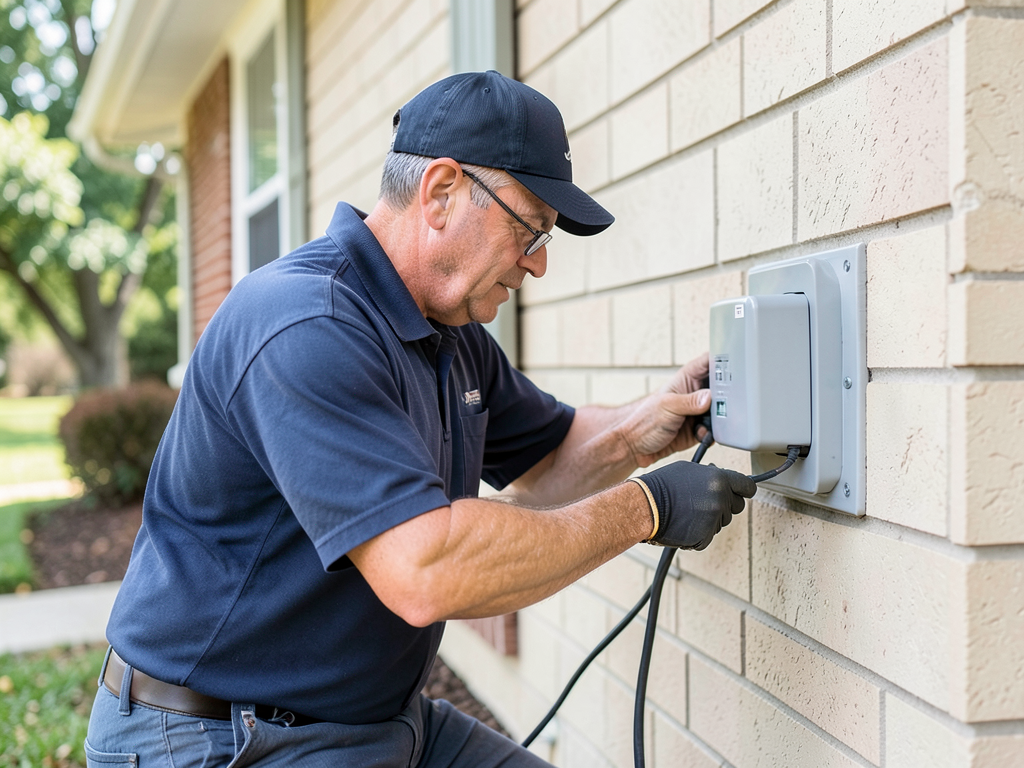
Why Your Nashville HVAC Needs Surge Protection Nashville homeowners face a hidden threat that strikes without warning: electrical surges from lightning storms. These power spikes can instantly destroy your air conditioner's control board or compressor…
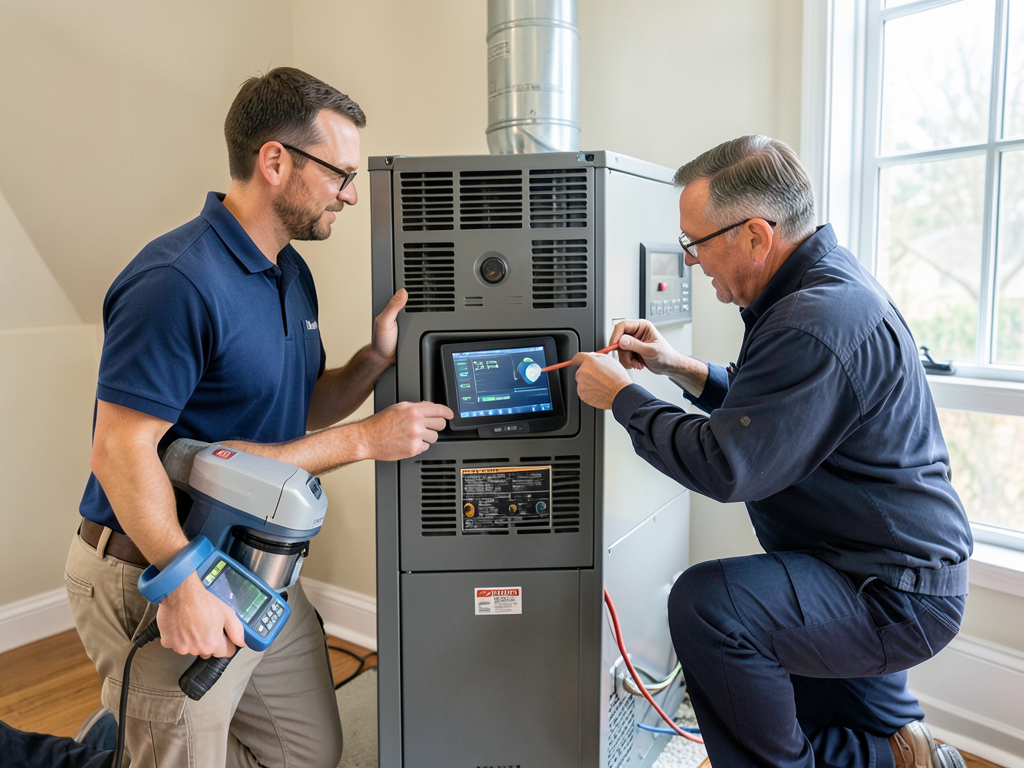
Understanding the difference between a furnace and a boiler for older Middle Tennessee homes Choosing…
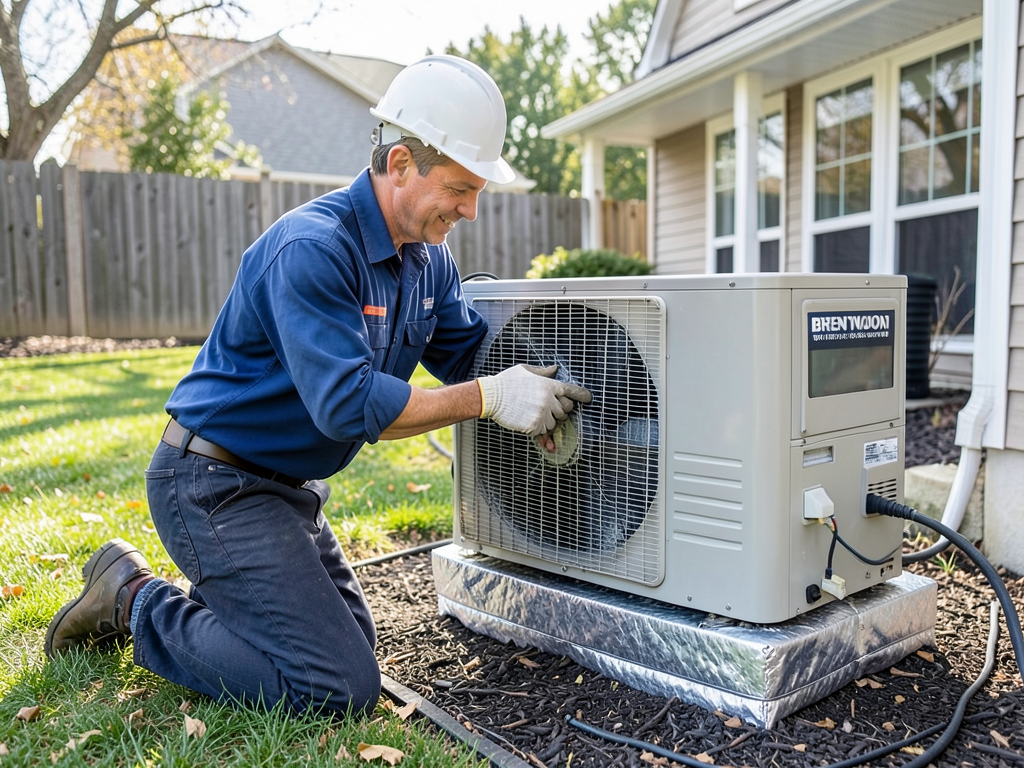
How to choose a quiet HVAC system that won't disturb your neighbors in Brentwood Living…

Keeping your boat house or lakeside cabin comfortable with a mini split system\n\nThe humid summers…
Your comfort can't wait. Call Alpha HVAC Nashville now at (615) 552-1922 for same-day service on emergency repairs or to schedule maintenance and installations. We answer 24/7 and dispatch fast to Gallatin homes.