





Menu

Winterizing Your HVAC System in Nashville – Protect Your Home from Tennessee's Unpredictable Winter Temperature Swings

Expert heating system winterization services that address Nashville's unique freeze-thaw cycles, high humidity transitions, and rapid cold fronts to keep your furnace running efficiently all winter long.

Slider Image 1
Slider Image 2
Slider Image 3
Slider Image 4
Slider Image 5
Slider Image 7
Slider Image 8
Slider Image 9
Slider Image 10
Slider Image 11

Why Nashville's Climate Demands Proper HVAC Winter Preparation

Nashville winters are deceptive. You might see 60 degrees on Monday and 22 degrees by Thursday. These rapid temperature swings stress your heating system in ways that steady cold climates never do.

Middle Tennessee's humidity does not disappear in winter. When temperatures drop, that moisture condenses inside your ductwork and on evaporator coils. Without proper hvac winter maintenance, you get rust, mold growth, and compromised indoor air quality. Your furnace works harder to push air through damp, restricted passages.

The freeze-thaw cycles here are brutal on outdoor HVAC components. Your heat pump's refrigerant lines expand and contract. Condensate drains freeze and thaw repeatedly. Each cycle creates micro-cracks in seals and connections. By February, a system that was not winterized in October starts leaking refrigerant or tripping safety switches.

Preparing hvac for winter in Nashville means accounting for our clay soil movement too. As the ground freezes and expands, it shifts your concrete pad. A heat pump that sits off-level by even two degrees puts uneven stress on the compressor. That compressor costs $1,800 to replace.

Your ductwork in the attic faces temperature extremes you do not feel downstairs. Attic spaces in Nashville homes hit 10 degrees on January nights. Poorly sealed ducts leak heated air into that frozen space. You pay to heat your attic instead of your bedroom.

Getting heating system ready for winter is not optional here. It is damage prevention. When your furnace igniter fails at 6 AM on a 15-degree morning, you are looking at emergency service rates and a house that drops below 50 degrees before noon.

Why Nashville's Climate Demands Proper HVAC Winter Preparation
The Winter HVAC Preparation Process That Prevents Mid-Season Failures

The Winter HVAC Preparation Process That Prevents Mid-Season Failures

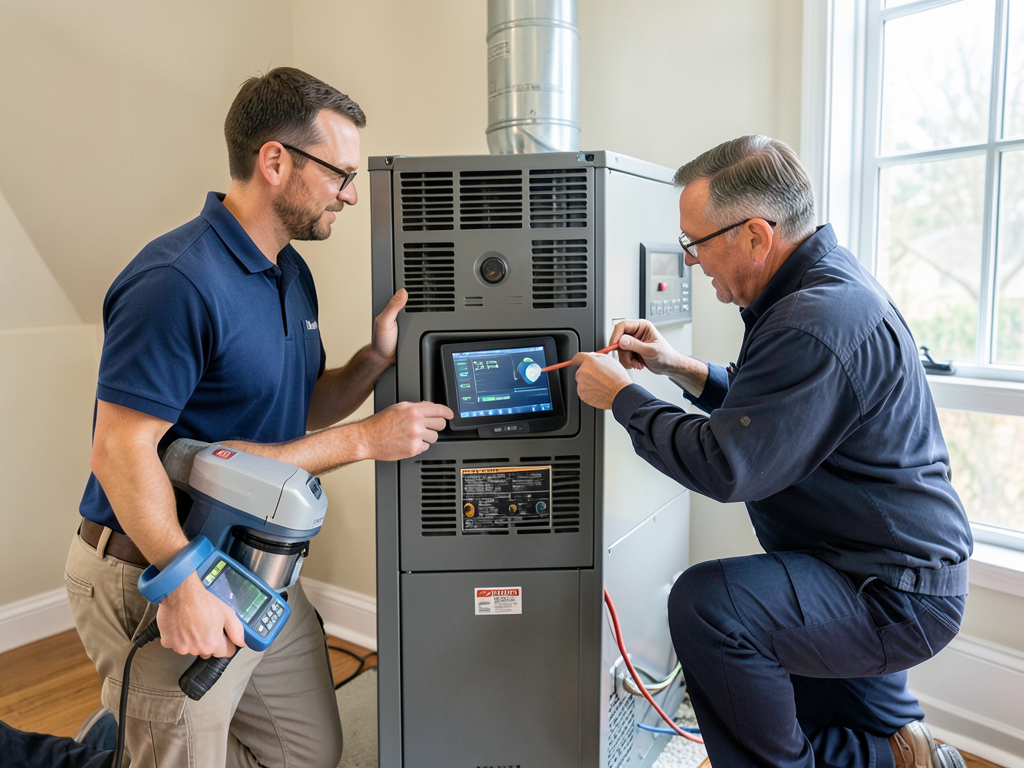
Winter hvac preparation starts with combustion analysis on gas furnaces. We measure the air-to-fuel ratio using a flue gas analyzer. If your furnace runs rich, you get carbon buildup on the heat exchanger. If it runs lean, you get overheating and premature cracking. Both conditions lead to carbon monoxide risks. We adjust the gas valve and verify proper flame color and pattern.

Heat exchanger inspection is non-negotiable. We pull the blower assembly and visually inspect every panel of the exchanger with a borescope. Hairline cracks are invisible from the outside but lethal when they open up under heat stress. A cracked heat exchanger dumps combustion gases into your supply air. We check for rust patterns, hot spots, and any signs of previous overheating.

Your blower motor bearings need lubrication before winter. Most Nashville homes run 1,200 to 1,800 hours of heating per season. Dry bearings create friction, heat, and eventual motor failure. We lubricate oil ports and check amp draw under load. High amp draw signals a failing capacitor or worn bearings.

Condensate systems freeze in Nashville winters. Your high-efficiency furnace produces gallons of acidic water that must drain properly. We flush the condensate trap, check the drain line for restrictions, and verify the condensate pump operates correctly. A frozen drain line causes your furnace to shut down on the float switch.

Ductwork leakage testing shows where your heated air escapes. We pressurize your duct system and measure leakage rate. Anything above 10% means you are heating your crawlspace or attic. We seal connections with mastic and verify proper insulation on ducts in unconditioned spaces.

Thermostat calibration prevents short cycling. We test the temperature differential and verify your system maintains set points accurately. A miscalibrated thermostat causes your furnace to cycle on and off every six minutes instead of running proper 15-minute cycles.

What Happens During Your Heating System Winterization Appointment

Winterizing Your HVAC System in Nashville – Protect Your Home from Tennessee's Unpredictable Winter Temperature Swings
01

System Diagnostic and Safety Check

We start with a complete electrical and combustion safety inspection. Your furnace undergoes voltage testing, amp draw analysis, and gas pressure verification. We check carbon monoxide levels in the flue and around the cabinet. Every safety switch gets tested for proper operation. This diagnostic identifies problems before they cause breakdowns. You get a detailed report showing exact measurements and any components near failure.
02

Component Cleaning and Adjustment

We clean the burner assembly, flame sensor, and blower wheel. Dust and debris cause ignition delays and incomplete combustion. The flame sensor gets polished to ensure proper microamp readings. We adjust the blower speed for proper temperature rise across the heat exchanger. Your system gets calibrated for maximum efficiency and even heat distribution throughout your home. Proper airflow prevents heat exchanger damage and reduces energy waste.
03

Testing and Performance Verification

We run your system through multiple heating cycles while monitoring performance. Temperature rise, static pressure, and gas input all get verified against manufacturer specifications. You see exactly how your system performs under load. We check for proper staging on two-stage furnaces and verify thermostat communication. Before we leave, you know your furnace will run reliably all winter. Any recommended repairs come with clear explanations and exact cost factors.

Why Nashville Homeowners Choose Alpha HVAC Nashville for Winter HVAC Maintenance

We understand Nashville homes because we work in them every day. The homes in East Nashville built in the 1920s have gravity furnaces in basements with low headroom and tight access. The subdivisions in Brentwood and Franklin have high-efficiency modulating furnaces that require laptop diagnostics. We know the difference and bring the right tools for your specific system.

Middle Tennessee's building codes changed significantly after 2010. Newer homes require 14 SEER minimum and sealed combustion furnaces. Older homes operate with atmospheric venting and standing pilot lights. We maintain both without forcing unnecessary upgrades. If your 1985 Trane furnace runs properly and vents safely, we keep it running. When it truly needs replacement, we give you straight information about efficiency gains and payback periods.

Our technicians train on Nashville-specific HVAC challenges. We see the same problems repeatedly because of our climate. Condensate freeze-ups in January. Mold in ductwork from humidity transitions. Undersized return air in homes that added square footage without upgrading the furnace. We fix these problems correctly because we have diagnosed them hundreds of times.

You get same-day service for winter hvac preparation appointments. We know October and November are your window before cold weather hits. Our scheduling system prioritizes winterization calls so you get your heating system ready before you need it. We do not make you wait three weeks for an appointment.

Alpha HVAC Nashville stocks parts for systems common in Nashville homes. Goodman, Carrier, Trane, Lennox, and Rheem parts sit on our trucks. When we find a failed igniter or pressure switch during winterization, we replace it the same day. You do not wait for parts orders while your furnace sits broken.

Our pricing is transparent before we start work. You get exact costs for winterization service and any recommended repairs. No surprise charges for "additional cleaning" or "extra refrigerant." The price we quote is the price you pay.

What to Expect from Professional Heating System Winterization

Appointment Timing and Duration

Most winterization appointments take 90 to 120 minutes for a thorough inspection and tune-up. We schedule appointments in two-hour windows and call 30 minutes before arrival. If we find problems that require additional repairs, we discuss options with you before proceeding. Emergency repairs on failed components can extend the visit, but you approve all work first. We work efficiently without rushing through critical safety checks. Your furnace gets the time it needs for proper winterization.

Complete System Assessment

You receive a detailed inspection report covering every component of your heating system. We document heat exchanger condition, blower motor amp draw, gas pressure readings, and thermostat calibration results. The report includes photos of any problem areas and clear explanations of what we found. You see exact measurements, not vague statements about "worn parts." We mark components as "good," "monitor," or "replace soon" with specific reasons for each recommendation. This documentation helps you plan for future repairs and understand your system's overall health.

Performance and Efficiency Improvements

After winterization, your furnace runs cleaner, quieter, and more efficiently. Proper combustion adjustment reduces gas consumption by 5% to 10%. Clean blower wheels improve airflow and reduce runtime. Sealed ductwork delivers more heated air to your rooms instead of your attic. You notice more even temperatures between rooms and fewer cold spots. Your utility bills reflect the efficiency improvements. Most importantly, your furnace starts reliably on cold mornings and runs through the entire winter without emergency breakdowns.

Ongoing Support and Follow-Up

We provide follow-up support throughout the heating season. If you notice any changes in system performance, we prioritize callbacks for customers who completed winterization service. You get access to our emergency line for after-hours furnace problems. We keep detailed records of your system in our database, so any technician who responds knows your equipment history. Spring reminders help you schedule air conditioning maintenance before summer. Regular maintenance customers receive priority scheduling and discounted service rates on future appointments.

Frequently Asked Questions

You Have Questions,
We Have Answers

How to winterize a HVAC system? +

Start by replacing your air filter and clearing debris from around the outdoor condenser unit. Schedule a professional inspection to check refrigerant levels, test the heat exchanger for cracks, and verify your thermostat accuracy. Clean the blower motor and lubricate moving parts. In Nashville, where humidity lingers into fall, inspect condensate drain lines for blockages that could freeze. Test your heating system before temperatures drop below 40 degrees. Seal ductwork gaps in unconditioned spaces like crawl spaces or attics. This prevents cold air infiltration and keeps your system running efficiently through Middle Tennessee winters.

What is the $5000 rule for HVAC? +

The $5000 rule helps you decide between repair and replacement. Add the repair cost to your system's age in years. If the total exceeds $5000, replacement makes better financial sense than repair. For example, a $1200 repair on a 12-year-old system equals $2400, suggesting repair is worth it. But a $2000 repair on a 16-year-old unit totals $3600, approaching replacement territory. Nashville homeowners should factor in rising energy costs and newer efficiency ratings. Systems older than 15 years lose efficiency quickly, increasing your utility bills even after expensive repairs.

Should you cover your HVAC during an ice storm? +

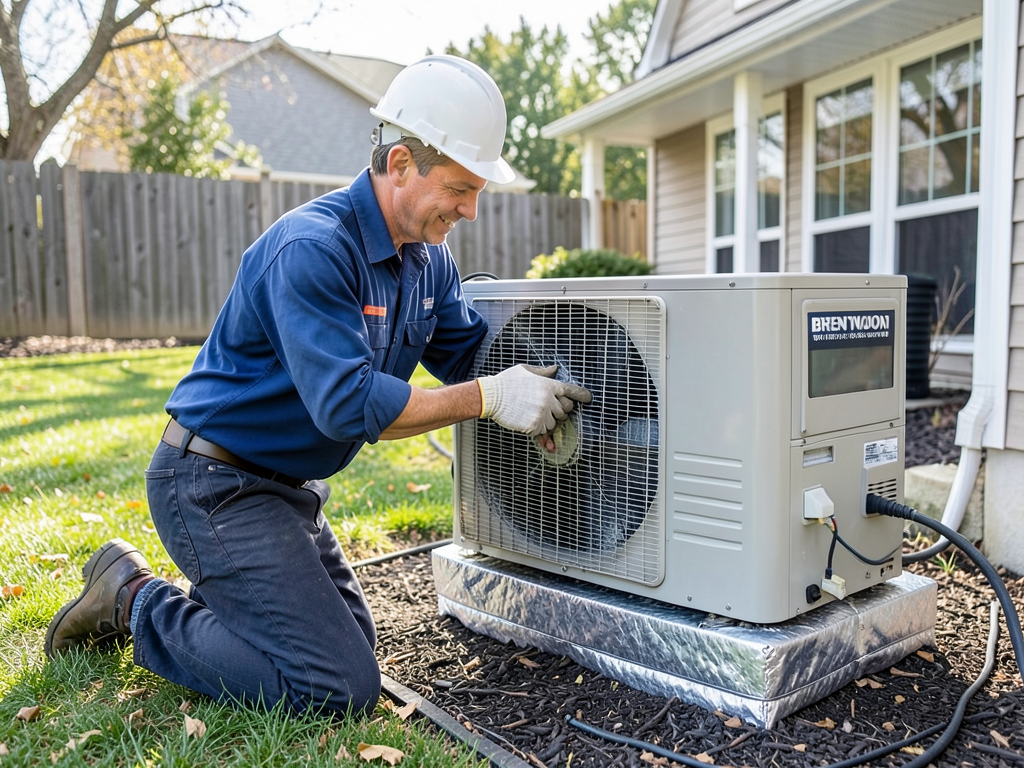
Do not cover your HVAC unit during ice storms. Modern outdoor condensers are built to handle freezing precipitation and winter weather. Covering traps moisture inside, promoting rust and mold growth. It also creates shelter for rodents that chew wiring. Nashville experiences occasional ice storms with refreezing cycles that can trap moisture under covers. Your unit needs airflow even when not running. If ice accumulates heavily on the unit, let it melt naturally. Never chip ice off coils or fans. You risk damaging fins and refrigerant lines, leading to costly repairs.

What is the 3 minute rule for AC? +

The 3-minute rule prevents compressor damage by allowing pressure to equalize between cycles. After your AC shuts off, wait at least three minutes before restarting it. This gives refrigerant time to balance between the low-pressure and high-pressure sides of the system. Starting too quickly forces the compressor to work against unequal pressure, causing strain and premature failure. Nashville homeowners who frequently adjust thermostats or experience power flickers during summer storms should understand this rule. Modern systems have built-in delay timers, but manual restarts after power outages still require patience.

Should you cover up your central air unit in the winter? +

You should not cover your central air condenser in winter. The unit is designed to withstand Nashville's wet, cold seasons without protection. Covers trap moisture and condensation, accelerating corrosion on coils and electrical components. They also attract mice and insects seeking winter shelter. These pests chew wiring and build nests that block airflow. If you worry about falling debris from nearby trees, use a piece of plywood on top only. Leave sides open for ventilation. Remove any cover before running your system in spring to prevent overheating and compressor failure.

Is it okay to spray water on your window air conditioner? +

Yes, you can spray water on your window air conditioner to clean the exterior coils and remove dust buildup. Use a garden hose on low pressure, spraying from inside out to push debris away from fins. Avoid high-pressure washers that bend delicate aluminum fins. Nashville's high pollen counts and humidity create sticky residue on coils that reduces efficiency. Spray only when the unit is off and unplugged. Let it dry completely before operating, usually two hours in direct sunlight. Clean coils improve airflow and cooling capacity by up to 15 percent during peak summer months.

What is the average lifespan of an HVAC system? +

A well-maintained HVAC system lasts 15 to 20 years in Nashville's climate. Heat pumps typically reach 12 to 15 years due to year-round use. Furnaces often last 18 to 20 years because they operate only during heating season. High humidity and temperature swings in Middle Tennessee stress components faster than drier climates. Systems without annual maintenance fail years earlier. Factors like improper sizing, poor installation, and skipped filter changes reduce lifespan significantly. If your system is over 12 years old and needs frequent repairs, start budgeting for replacement. Efficiency drops sharply after the 10-year mark.

How much is the federal tax credit for HVAC? +

The federal Energy Efficient Home Improvement Credit offers up to $2000 for qualified HVAC equipment installed through 2032. Heat pumps, central air conditioners, and gas furnaces must meet specific efficiency ratings to qualify. Heat pumps need a Seasonal Energy Efficiency Ratio of 16 or higher. Central AC requires a SEER2 of 16 plus an Energy Efficiency Ratio of 12. Nashville homeowners should request the Manufacturer's Certification Statement before purchase. You claim the credit on IRS Form 5695 when filing taxes. The credit covers 30 percent of costs, including installation, with annual caps applied.

Does keeping the AC at 72 save money? +

Keeping your AC at 72 degrees does not save money compared to slightly warmer settings. Each degree below 78 increases energy use by roughly 3 to 5 percent. Nashville's humid summers make 72 feel comfortable, but you pay a premium. Setting your thermostat to 76 or 78 when home and 82 when away reduces monthly bills significantly. Use ceiling fans to create wind chill effects that make warmer temps feel cooler. A programmable thermostat automates adjustments, preventing energy waste. During Nashville's hottest months, this difference can save $40 to $60 monthly on electricity costs.

At what temperature will an AC unit freeze? +

An AC unit begins freezing when temperatures drop below 60 degrees outside. The evaporator coil cannot absorb enough heat to keep refrigerant warm, causing moisture to freeze on coils. Nashville spring and fall nights often dip into the 50s, creating freeze risk if you run AC. Reduced airflow from dirty filters, blocked vents, or low refrigerant also causes freezing at higher temps. Ice buildup blocks airflow completely, forcing your compressor to work harder and risking permanent damage. If you see ice, turn off the system and switch the fan to circulate air until it melts completely.

How Nashville's Temperature Swings Accelerate Furnace Component Wear

Nashville averages 14 freeze-thaw cycles per winter, far more than consistent cold climates. Your furnace turns on and off repeatedly as temperatures swing from 28 degrees at night to 55 degrees by afternoon. Each heating cycle stresses the heat exchanger, igniter, and blower motor. Systems in Minneapolis run steady for months. Your Nashville furnace stops and starts constantly. This cycling wears out igniters faster and causes thermal stress cracks in heat exchangers. Getting heating system ready for winter means inspecting components for cycle-related damage that steady-cold climates never see.

Middle Tennessee HVAC contractors see different failure patterns than northern states. We replace more flame sensors and pressure switches because humidity affects electrical components. We find more condensate problems because our systems transition between heating and cooling multiple times per season. Alpha HVAC Nashville technicians train specifically on these regional issues. We know which furnace models common in Nashville subdivisions have design flaws. We understand how homes built on Nashville's clay soil develop duct leaks as foundations shift. Local expertise matters when preparing hvac for winter in a climate that defies simple seasonal patterns.
HVAC Services in The Nashville Area

Alpha HVAC is a local business dedicated to serving the entire community. Our centralized location allows us to provide swift and reliable service to all surrounding areas. Whether you need a repair, a new installation, or routine maintenance, you can trust our team to be there for you when it matters most. Explore our service area on the map below to see how we can help you with all your heating and cooling needs.

Address:
Alpha HVAC Nashville, 1001 3rd Ave N, Nashville, TN, 37201

Additional Services We Offer

Our news updates

Latest Articles & News from The Blogs

Understanding the difference between a furnace and a boiler for older Middle Tennessee homes Choosing the right heating system for…

Understanding the difference between a furnace and a boiler for older Middle Tennessee homes

Understanding the difference between a furnace and a boiler for older Middle Tennessee homes Choosing the right heating system for…

How to choose a quiet HVAC system that won't disturb your neighbors in Brentwood

How to choose a quiet HVAC system that won't disturb your neighbors in Brentwood Living in Brentwood means enjoying peaceful…

Keeping your boat house or lakeside cabin comfortable with a mini split system

Keeping your boat house or lakeside cabin comfortable with a mini split system\n\nThe humid summers and mild winters of Middle…

Contact Us

Do not wait until your furnace fails on a 20-degree morning. Call Alpha HVAC Nashville at (615) 552-1922 to schedule winterization service. We have appointments available this week and complete most winterizations the same day. Protect your system before winter demand hits.