
Why Your Nashville HVAC Needs Surge Protection
Nashville homeowners face a hidden threat that strikes without warning: electrical surges from lightning storms. These power spikes can instantly destroy your air conditioner’s control board or compressor leaving you with a $5,000 repair bill. Middle Tennessee’s humid subtropical climate brings frequent spring thunderstorms and your HVAC system sits right in the crosshairs. Nashville Electric Service.
Modern high-efficiency HVAC systems contain sensitive electronics that cannot tolerate even minor voltage fluctuations. A single lightning strike miles away can send a surge through your home’s electrical system frying the delicate circuit boards that control your comfort. The solution costs less than $500 but can save you from catastrophic failure when the next storm rolls through. The Best High Efficiency HVAC Systems for Luxury Homes in Brentwood.
How Nashville Weather Puts Your AC at Risk
Middle Tennessee averages 50 thunderstorm days per year according to the National Weather Service. The Nashville Electric Service (NES) power grid experiences frequent voltage fluctuations due to the region’s aging infrastructure and heavy summer air conditioning loads. These conditions create a perfect storm for HVAC damage. National Weather Service.
Modern SEER2 systems with variable-speed compressors are particularly vulnerable. Their inverter technology allows for precise temperature control but also makes them extremely sensitive to power quality. A voltage spike as small as 10% above normal can permanently damage the compressor’s electronic control module. Storm Damage HVAC Repair.
Older homes in East Nashville and Germantown face additional risks. Many were built before modern electrical codes required dedicated HVAC circuits or proper grounding. The combination of outdated wiring and frequent storms creates a dangerous environment for your cooling system. Heating and Cooling Historic Germantown Homes Without Bulky Ductwork.
The Real Cost of Surge Damage
Replacing a fried HVAC control board typically costs $800 to $1,500 while compressor replacement runs $2,500 to $4,000. If the entire outdoor unit needs replacement you’re looking at $4,000 to $8,000 for a standard system. High-efficiency models can exceed $12,000.
Beyond the repair costs you face uncomfortable downtime during Nashville’s hottest months. A failed AC in July means days without cooling while waiting for parts and labor. Many homeowners discover their standard homeowner’s insurance excludes electrical surge damage leaving them to pay the entire bill. Nashville AC Repair Companies That Actually Answer the Phone on Weekends.
Commercial buildings in the Nations and downtown Nashville face even greater risks. A single surge can shut down multiple rooftop units disrupting business operations and potentially violating health codes for restaurants and medical facilities.
How Surge Protectors Actually Work
Surge protective devices (SPDs) monitor incoming voltage and divert excess electricity to ground when spikes occur. They act like pressure relief valves for your electrical system preventing dangerous voltage from reaching your HVAC components.
Type 2 surge protectors installed at your outdoor disconnect switch provide the best protection for HVAC systems. They respond to surges in nanoseconds fast enough to protect sensitive electronics. These devices continuously monitor voltage and only activate when dangerous levels are detected.
Quality surge protectors include diagnostic indicators that show when they’ve absorbed a major surge. Many have replaceable modules allowing you to restore protection after a significant event without replacing the entire device.
Professional installation ensures proper grounding and coordination with your home’s electrical system. A technician will test your existing wiring and verify the protector can handle your specific HVAC load.
Whole-Home vs Point-of-Use Protection
Whole-home surge protection installed at your main electrical panel provides broad coverage but may not protect your HVAC adequately. The distance between the panel and outdoor unit allows voltage to build up along the wiring path.
Point-of-use protection installed directly at your HVAC disconnect provides targeted defense where surges enter the system. This dual approach offers maximum protection for Middle Tennessee homes.
Many Nashville homeowners choose both options for complete coverage. The whole-home protector handles utility-side surges while the point-of-use device protects against equipment-generated spikes and lightning strikes.
Commercial properties often require industrial-grade surge protection rated for higher voltages and amperages. These systems include monitoring capabilities that alert facility managers to surge events.
Our Nashville Installation Process
Our technicians begin with a comprehensive electrical assessment of your system. We test voltage stability check grounding integrity and evaluate your existing wiring configuration. This diagnostic step identifies potential weaknesses before installation.
We then select the appropriate surge protector based on your HVAC system’s specifications. Modern variable-speed units require different protection levels than older single-stage systems. We match the device to your equipment’s voltage and amperage requirements.
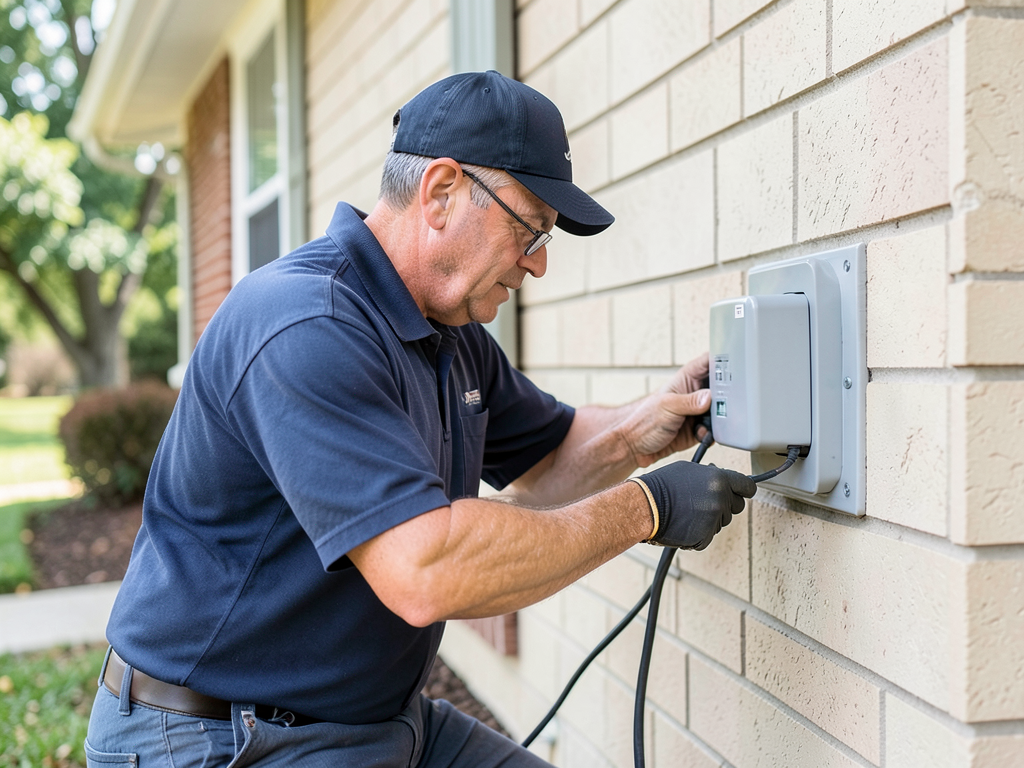
Installation typically takes 60 to 90 minutes. We mount the protector at your outdoor disconnect connect it to proper grounding and verify all safety interlocks function correctly. We test the system under load to ensure no voltage drops occur. HVAC Mount Juliet.
Finally we provide documentation showing the protector’s specifications and installation details. This information helps with warranty claims and future service visits.
Common Surge Protection Questions
Will my HVAC warranty cover surge damage? Most manufacturers require surge protection for warranty validity. Without it surge-related failures may void your coverage.
How long do surge protectors last? Quality devices typically last 5 to 10 years. However they degrade faster in areas with frequent surges. Many include indicator lights that show when replacement is needed.
Can I install a surge protector myself? While technically possible professional installation ensures proper grounding and coordination with your electrical system. Incorrect installation can create safety hazards.
Do I need protection if I have a whole-home surge protector? Yes. Whole-home devices protect against utility-side surges but may not handle the voltage drop along wiring runs to your outdoor unit.
What about lightning rods? While lightning rods protect your home’s structure they don’t prevent electrical surges from entering through power lines. Dedicated HVAC surge protection remains essential.
Protection That Pays for Itself
Consider the math: a $300 surge protector versus a $5,000 repair bill. You’d need to experience surge damage only once every 17 years for the protector to pay for itself. In Nashville’s storm-prone climate the odds strongly favor protection.
Beyond financial protection surge devices provide peace of mind. You’ll sleep better during thunderstorms knowing your HVAC system has professional-grade defense against electrical threats.
Many of our Nashville customers report their surge protectors have already prevented damage during severe weather events. The small green indicator light becomes a source of confidence during storm season.
Don’t wait for the next lightning strike to realize your vulnerability. Nashville’s weather patterns aren’t changing and your HVAC system remains at risk every storm season.
Ready to Protect Your Investment?
Call (615) 552-1922 today to schedule your surge protection assessment. Our Nashville technicians will evaluate your system and recommend the right protection for your specific situation.
We offer same-day service for most Nashville neighborhoods including East Nashville Germantown and the Nations. Our trucks are stocked with common surge protection devices allowing us to install your protection immediately.
Don’t let the next thunderstorm cost you thousands. Pick up the phone and call (615) 552-1922 before the next storm hits. Your HVAC system deserves professional protection against Nashville’s electrical threats.
Learn more about emergency AC repair in Nashville
Discover seasonal maintenance benefits
{
“@context”: “https://schema.org”,
“@type”: “BlogPosting”,
“headline”: “Why your HVAC system needs a surge protector to survive the next big Nashville lightning storm”,
“description”: “Protect your Nashville HVAC from lightning surges with professional surge protection. Learn how Middle Tennessee storms threaten your AC and how to prevent costly damage.”,
“wordCount”: 1195,
“datePublished”: “2026-06-11T08:55:00.000Z”,
“dateModified”: “2026-06-11T08:55:00.000Z”,
“inLanguage”: “en-US”,
“mainEntityOfPage”: {
“@type”: “WebPage”,
“@id”: “https://alphahvacnashville.com”
},
“publisher”: {
“@type”: “LocalBusiness”,
“name”: “Alpha HVAC Nashville”,
“url”: “https://alphahvacnashville.com”
},
“author”: {
“@type”: “Organization”,
“name”: “Alpha HVAC Nashville”,
“url”: “https://alphahvacnashville.com”
},
“image”: {
“@type”: “ImageObject”,
“url”: “https://alphahvacnashville.com/wp-content/uploads/2026/03/why-your-hvac-system-needs-a-surge-protector-to-su-1.png”
}
}
{
“@context”: “https://schema.org”,
“@type”: “HVACBusiness”,
“name”: “Alpha HVAC Nashville”,
“url”: “https://alphahvacnashville.com”,
“address”: {
“@type”: “PostalAddress”,
“addressLocality”: “Nashville”
},
“areaServed”: {
“@type”: “City”,
“name”: “Nashville”
}
}
{
“@context”: “https://schema.org”,
“@type”: “FAQPage”,
“mainEntity”: [
{
“@type”: “Question”,
“name”: “Ready to Protect Your Investment?”,
“acceptedAnswer”: {
“@type”: “Answer”,
“text”: “Call (615) 552-1922 today to schedule your surge protection assessment. Our Nashville technicians will evaluate your system and recommend the right protection for your specific situation.”
}
}
]
}
{
“@context”: “https://schema.org”,
“@type”: “BreadcrumbList”,
“itemListElement”: [
{
“@type”: “ListItem”,
“position”: 1,
“name”: “Home”,
“item”: “https://alphahvacnashville.com”
},
{
“@type”: “ListItem”,
“position”: 2,
“name”: “Blog”,
“item”: “https://alphahvacnashville.com/blog”
},
{
“@type”: “ListItem”,
“position”: 3,
“name”: “Why your HVAC system needs a surge protector to survive the next big Nashville lightning storm”
}
]
}
{
“@context”: “https://schema.org”,
“@type”: “Service”,
“serviceType”: “HVAC”,
“provider”: {
“@type”: “LocalBusiness”,
“name”: “Alpha HVAC Nashville”,
“url”: “https://alphahvacnashville.com”
},
“areaServed”: {
“@type”: “City”,
“name”: “Nashville”
},
“description”: “Protect your Nashville HVAC from lightning surges with professional surge protection. Learn how Middle Tennessee storms threaten your AC and how to prevent costly damage.”
}