





Menu

Heat Pump vs. Furnace Guide in Nashville – Making the Right Heating Choice for Middle Tennessee Winters

Compare energy costs, performance in Nashville's mixed climate, and equipment lifespan with data-backed recommendations for Heat Pump vs. Furnace Guide to help homeowners choose the most efficient heating system for their specific property and budget.

Slider Image 1
Slider Image 2
Slider Image 3
Slider Image 4
Slider Image 5
Slider Image 7
Slider Image 8
Slider Image 9
Slider Image 10
Slider Image 11

Why Nashville's Climate Makes the Heat Pump vs Furnace Decision More Complicated

Nashville sits in a transition zone where mild winters make heat pumps viable but occasional temperature drops below 25 degrees raise efficiency concerns. You face a legitimate dilemma that homeowners in Florida or Minnesota do not encounter.

The difference between heat pump and furnace performance becomes critical when you consider Middle Tennessee's temperature swings. During January cold snaps, outdoor air temperatures can dip into the teens for three to five consecutive days. A heat pump loses efficiency below 40 degrees and may struggle when temperatures drop into the low twenties. The auxiliary heat strips activate to compensate, which drives up electricity consumption dramatically.

Meanwhile, a gas furnace maintains consistent output regardless of outdoor temperature. But you pay for that reliability through higher installation costs and the ongoing expense of natural gas service. Nashville's relatively short heating season, roughly four months where you need consistent heat, complicates the heat pump vs gas furnace calculation.

The heat pump vs furnace pros and cons shift based on your specific address. Homes in Williamson County with newer construction and better insulation favor heat pumps. Older properties in East Nashville or Germantown with higher air infiltration rates may need the raw heating capacity a furnace provides.

Your decision on heat pump or furnace also depends on whether you have existing ductwork sized for forced air systems, access to natural gas lines along your street, and your tolerance for temperature variation inside your home during extreme weather events. Nashville's utility rate structure, where TVA power costs remain relatively low compared to natural gas per BTU, adds another variable to the heat pump vs furnace comparison that affects your ten-year operating cost projection.

Why Nashville's Climate Makes the Heat Pump vs Furnace Decision More Complicated
How Alpha HVAC Nashville Evaluates Your Home for the Right Heating System

How Alpha HVAC Nashville Evaluates Your Home for the Right Heating System

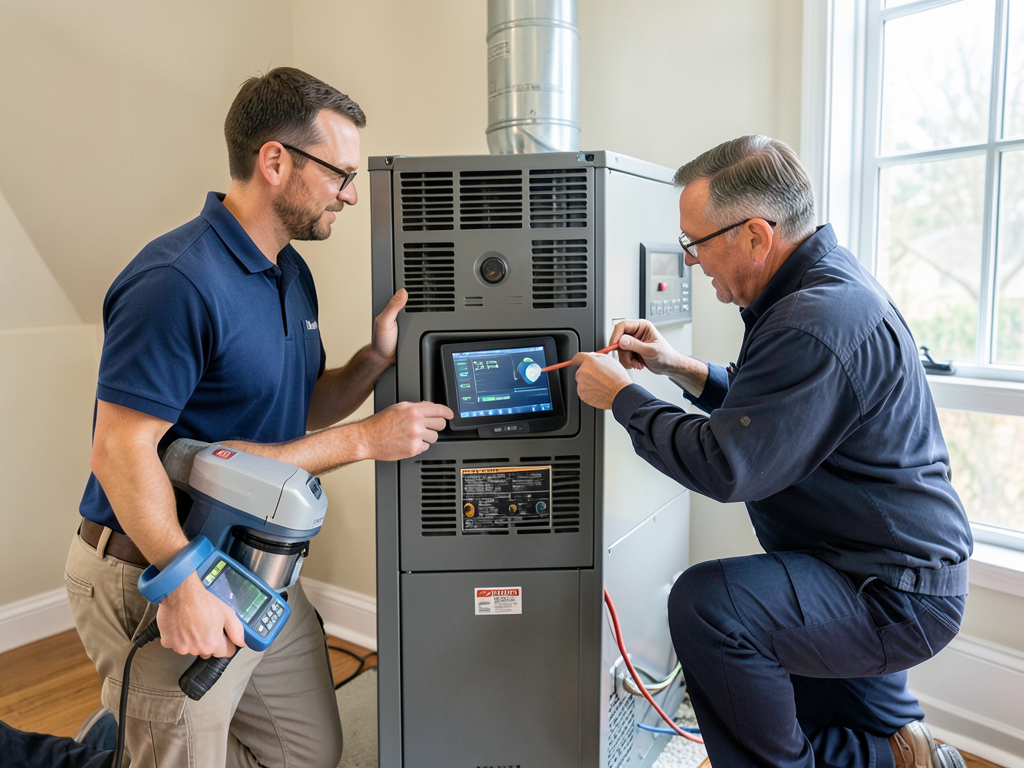
We start with a Manual J load calculation that accounts for your home's actual thermal envelope, not the outdated square footage rules of thumb that lead to oversized equipment. This calculation measures window U-values, insulation R-values in your attic and walls, air changes per hour based on blower door testing, and orientation to prevailing winter winds from the northwest.

Your home's existing ductwork receives a Manual D analysis to determine if the supply and return plenums can handle the higher CFM requirements of a heat pump system. Heat pumps move more air at lower temperatures compared to furnaces that deliver less volume at higher temperatures. Undersized ducts create velocity noise and reduce system efficiency by 15 to 20 percent.

We measure your current energy consumption patterns using 12 months of utility billing data to establish your baseline heating costs. This historical data gets compared against modeled costs for both an 18 SEER heat pump with a HSPF of 10 and a 96 percent AFUE gas furnace. The analysis includes Nashville's actual degree day data from the past five years, not national averages that do not reflect our specific climate.

The electrical service panel receives an inspection to confirm you have adequate amperage for a heat pump's compressor and backup heat strips. Many homes built before 2000 have 100-amp or 150-amp panels that cannot support a heat pump addition without a service upgrade. That expense, typically $2,000 to $3,500, factors into the total cost comparison.

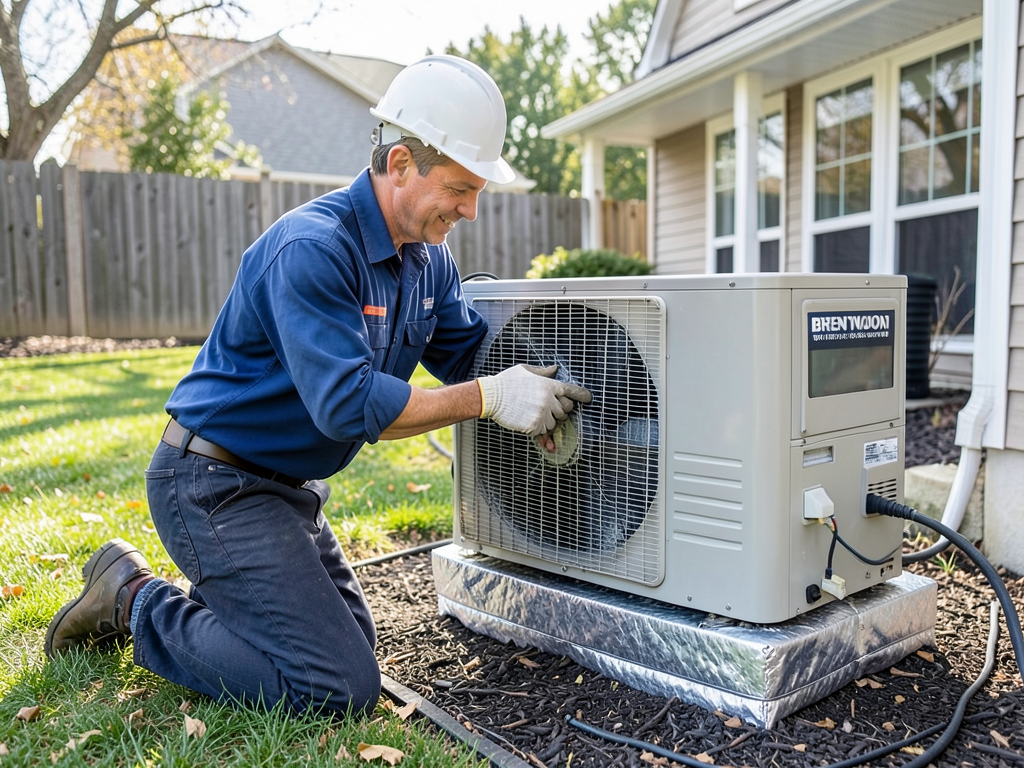
We assess your property's outdoor space for heat pump placement, considering noise impact on bedrooms, clearance from combustible materials, and protection from falling ice during winter storms. The outdoor unit needs 24 inches of clearance on all sides for proper airflow and serviceability.

How We Guide You Through the System Selection Process

Heat Pump vs. Furnace Guide in Nashville – Making the Right Heating Choice for Middle Tennessee Winters
01

Home Assessment and Data Collection

Our technician spends 90 minutes inside your home measuring room dimensions, photographing your existing equipment, testing ductwork static pressure, and documenting your current thermostat settings. We pull your property's thermal imaging scan to identify insulation gaps that affect heating load. You receive a printed report with your home's calculated heat loss in BTUs per hour at Nashville's 99 percent design temperature of 15 degrees Fahrenheit.
02

Cost Modeling and Equipment Matching

We build a ten-year cost projection comparing three scenarios using your actual utility rates and Nashville's climate data. The models show total ownership costs including installation, maintenance contracts, filter replacements, and projected energy consumption. Equipment recommendations match your calculated load within 10 percent, avoiding the oversizing that causes short cycling and humidity problems. You see exactly how many years until a higher-efficiency system pays for itself through energy savings.
03

Decision Support and Installation Planning

You receive three written quotes with itemized costs for equipment, labor, materials, permits, and electrical work. Each option includes manufacturer specifications, warranty terms, and expected lifespan. We explain the performance differences you will notice between systems during Nashville's coldest and hottest weeks. Installation timelines account for permit processing through Metro Codes, which currently runs eight to ten business days. You make an informed decision with complete cost transparency and realistic performance expectations.

Why Nashville Homeowners Trust Alpha HVAC Memphis for Heating System Decisions

Alpha HVAC Memphis has installed heating systems across Davidson, Williamson, Rutherford, and Sumner counties since establishing operations in Middle Tennessee. Our technicians understand the specific challenges of Nashville's housing stock, from 1920s bungalows in Sylvan Park with knob-and-tube wiring to new construction in Spring Hill with spray foam insulation and ERV systems.

We maintain relationships with Metro Codes inspectors and stay current on Nashville's mechanical code amendments, particularly the 2021 updates affecting refrigerant types and minimum SEER ratings. Our permit applications get approved on first submission because we know exactly what documentation Metro requires for HVAC replacements versus new installations.

The Tennessee Valley Authority's energy programs create opportunities for rebates on high-efficiency equipment that many contractors overlook. We handle the EnergyRight paperwork that can return $300 to $1,200 depending on your chosen system's efficiency ratings. Those rebates get applied directly to your project cost, not mailed to you months later.

Our equipment suppliers stock parts locally, which matters when you need service during a cold snap. We do not special order components from regional warehouses in Atlanta or Birmingham. When a reversing valve fails or a capacitor goes bad, we carry replacement parts on our trucks or pull them from local inventory within two hours.

Nashville's mixed climate requires technicians who understand both cooling-dominant and heating-dominant system design. We size equipment for your actual worst-case scenario, whether that is a 98-degree August afternoon or a 15-degree January morning. Cookie-cutter sizing based on square footage alone leads to systems that underperform exactly when you need them most.

You work with technicians who live in Nashville, not corporate installers rotating through regional territories. We service the systems we install and maintain long-term relationships with our customers.

What You Can Expect During Your Heating System Evaluation

Evaluation Timeline and Availability

In-home assessments typically take 90 to 120 minutes depending on your home's size and complexity. We schedule appointments within 48 hours of your call, with same-day availability for urgent situations where your existing system has failed. The written proposal with equipment options, cost projections, and energy modeling arrives within 24 hours of the assessment. We offer evening and weekend appointments for homeowners who cannot take time off work. During peak season from November through January, scheduling may extend to 72 hours, but we prioritize homes with complete system failures.

Comprehensive System Analysis Process

Our evaluation includes Manual J load calculations using ACCA-approved software, not rough estimates based on square footage. We test your ductwork for leaks using a duct blaster that measures actual CFM loss at 25 pascals of pressure. Your electrical panel receives an inspection to verify it can support new equipment without upgrades. We photograph your existing installation to document clearance issues, improper venting, or code violations that need correction. You receive a printed report with thermal imaging if insulation deficiencies affect your heating load calculations. The assessment identifies whether your home is suitable for a heat pump or requires a furnace based on measurable data.

Equipment Performance and Comfort Outcomes

Properly sized equipment maintains your desired temperature within one degree without the temperature swings that come from oversized systems. Heat pumps provide consistent comfort during Nashville's mild winter days when outdoor temperatures stay above 35 degrees. During cold snaps below 25 degrees, you may notice slightly longer run times as the system works harder, but indoor temperature remains stable. Gas furnaces deliver faster temperature recovery if you set back your thermostat overnight, bringing your home from 62 to 68 degrees in roughly half the time a heat pump requires. Your new system will operate more quietly than equipment installed before 2015, with outdoor sound levels typically below 60 decibels.

Equipment Warranties and Maintenance Requirements

Manufacturers provide parts coverage ranging from five to ten years depending on equipment tier, with compressors typically covered for ten years and other components for five years. Registration must occur within 60 days of installation to activate extended warranty terms. We offer maintenance agreements that include two annual visits, one before cooling season and one before heating season, covering filter changes, refrigerant level checks, electrical connection tightening, and condensate drain cleaning. Heat pumps require maintenance twice yearly due to year-round operation, while furnaces need annual service. Maintenance agreement customers receive priority scheduling and discounted repair rates if components fail outside warranty coverage.

Frequently Asked Questions

You Have Questions,
We Have Answers

What is better, a heat pump or a furnace? +

Neither system is universally better. Your choice depends on Nashville's climate and your home setup. Heat pumps excel in moderate climates and provide both heating and cooling. They move heat rather than generate it, making them efficient for Nashville's mild winters. Furnaces burn fuel to create heat, making them more effective during extreme cold snaps. For Nashville homes with natural gas access, a gas furnace paired with a separate AC works well. If you want one system for both seasons and lower operating costs, a heat pump fits Nashville's weather patterns better.

What is the major disadvantage of a heat pump? +

Heat pumps lose efficiency when outdoor temperatures drop below freezing. They extract heat from outside air, so when it gets very cold, they work harder and longer to warm your home. This means higher electric bills during Nashville's occasional hard freezes in January and February. Many heat pumps include backup electric resistance heat to compensate, but that resistance heat costs more to run. In Nashville's climate, this drawback is minimal since temperatures rarely stay below 25 degrees for extended periods. Proper sizing and installation reduce this issue.

What is the 20 degree rule for heat pumps? +

The 20 degree rule suggests heat pumps struggle when outdoor temperatures fall 20 degrees below your indoor thermostat setting. If you keep your home at 70 degrees and it is 50 degrees outside, your heat pump works fine. But if outdoor temps hit 50 degrees and you want 70 inside during a Nashville cold snap, the system strains. This rule is outdated for modern heat pumps with variable-speed compressors and improved refrigerants. Today's systems handle Nashville's winter lows more efficiently than older models.

Why is my electric bill so high with a heat pump? +

Your electric bill spikes because heat pumps run on electricity for both heating and cooling. During Nashville's humid summers, your system runs constantly to manage moisture and temperature. In winter, if outdoor temps drop low, the backup resistance heat kicks in, which consumes significant power. Check your thermostat settings. Frequent temperature adjustments force the system to work harder. Dirty filters restrict airflow, making the compressor run longer. Poor insulation or ductwork leaks also increase runtime. A system tune-up and home energy audit often identify the real culprit.

Why don't contractors like heat pumps? +

Some contractors avoid heat pumps because installation requires more technical knowledge than furnace installs. Heat pumps need precise refrigerant charging, proper airflow calculation, and ductwork modifications for optimal performance. Older contractors trained primarily on furnaces may lack heat pump expertise. Some prefer selling what they know best. Others worry about service callbacks if a homeowner expects furnace-level heat output during Nashville's rare deep freezes. Quality contractors understand modern heat pump technology and recommend systems based on your home's specific needs, not personal preference or installation ease.

Can a heat pump cool a house in 100 degree weather? +

Yes. Heat pumps cool homes effectively in 100 degree Nashville heat. They work like air conditioners in cooling mode, moving heat from inside your home to the outdoors. The key is proper sizing. An undersized unit struggles during peak heat. Nashville's high humidity also affects performance. Heat pumps must remove moisture while cooling, which requires adequate airflow and correct refrigerant charge. If your system fails during extreme heat, the issue is usually poor maintenance, low refrigerant, dirty coils, or incorrect installation, not the technology itself. Regular service keeps performance strong.

What is the inconvenient truth about heat pumps? +

Heat pumps cost more upfront than furnaces and require skilled installation to perform as advertised. Many homeowners expect immediate savings but face higher electric bills if the system is sized wrong or if their home has poor insulation. In Nashville's variable climate, some heat pumps cycle frequently between heating and cooling during shoulder seasons, increasing wear. Backup heat strips consume significant power during cold snaps. Heat pumps also require both heating and cooling maintenance. These realities surprise homeowners who expect set-it-and-forget-it operation. Proper expectations and professional installation matter.

What is the $5000 rule for HVAC? +

The $5000 rule is a guideline for deciding between HVAC repair and replacement. Multiply your system's age by the repair cost. If the result exceeds $5000, consider replacement. For example, a $300 repair on a 10-year-old system equals $3000, so repair makes sense. But a $600 repair on a 12-year-old system equals $7200, suggesting replacement is smarter. This rule helps Nashville homeowners avoid throwing money at aging equipment. Factor in efficiency improvements and utility savings when deciding. A professional assessment provides clarity.

Why is my house so cold with a heat pump? +

Your home feels cold because heat pumps deliver air at lower temperatures than furnaces. Furnace air reaches 120 to 140 degrees, while heat pump air comes out around 85 to 95 degrees. The system runs longer to reach your thermostat setting. This is normal operation, not a defect. If your home truly stays cold, check for undersized equipment, low refrigerant, dirty filters, or poor insulation. During Nashville's occasional hard freezes, your heat pump may struggle without adequate backup heat. A system inspection identifies whether you have a performance issue.

At what temperature should you not use a heat pump in winter? +

Modern heat pumps operate effectively down to 25 degrees, and many newer models work below 10 degrees. Older Nashville homes with first-generation heat pumps may struggle below 30 to 35 degrees. When outdoor temps drop to these levels, backup electric resistance heat engages, raising your electric bill. If your heat pump constantly runs backup heat or fails to maintain comfort during Nashville's winter lows, you may have an undersized unit or low refrigerant. A professional evaluation determines if your system matches your home's heating load.

How Nashville's Temperature Swings and TVA Power Rates Affect Heat Pump vs Furnace Costs

Nashville averages 15 days per year where low temperatures drop below 25 degrees, the threshold where heat pump efficiency falls significantly. During these cold snaps, auxiliary heat strips consume electricity at rates three times higher than the heat pump compressor alone. A 15-kilowatt heat strip running for eight hours costs roughly $8.40 at Nashville's average electricity rate of $0.11 per kWh. Over a typical winter with three extended cold periods, auxiliary heat adds $150 to $250 to your heating costs. Gas furnaces avoid this efficiency penalty, delivering consistent performance regardless of outdoor temperature. The heat pump vs gas furnace decision hinges on whether your priority is lower costs during mild weather or predictable costs during extreme weather.

Alpha HVAC Memphis works exclusively in Middle Tennessee, which means we understand TVA's rate structure and how it affects your heating costs. We account for Nashville Electric Service's demand charges and tiered pricing when modeling your energy costs. Our technicians stay current on Metro Nashville's mechanical permit requirements, which differ from surrounding counties. We know which inspectors serve different zones and what documentation they expect for heat pump installations versus furnace replacements. This local knowledge prevents permit delays and ensures your installation meets code on the first inspection. Choosing a local contractor means working with someone who understands Nashville's specific building practices and utility landscape.
HVAC Services in The Nashville Area

Alpha HVAC is a local business dedicated to serving the entire community. Our centralized location allows us to provide swift and reliable service to all surrounding areas. Whether you need a repair, a new installation, or routine maintenance, you can trust our team to be there for you when it matters most. Explore our service area on the map below to see how we can help you with all your heating and cooling needs.

Address:
Alpha HVAC Nashville, 1001 3rd Ave N, Nashville, TN, 37201

Additional Services We Offer

Our news updates

Latest Articles & News from The Blogs

Understanding the difference between a furnace and a boiler for older Middle Tennessee homes Choosing the right heating system for…

Understanding the difference between a furnace and a boiler for older Middle Tennessee homes

Understanding the difference between a furnace and a boiler for older Middle Tennessee homes Choosing the right heating system for…

How to choose a quiet HVAC system that won't disturb your neighbors in Brentwood

How to choose a quiet HVAC system that won't disturb your neighbors in Brentwood Living in Brentwood means enjoying peaceful…

Keeping your boat house or lakeside cabin comfortable with a mini split system

Keeping your boat house or lakeside cabin comfortable with a mini split system\n\nThe humid summers and mild winters of Middle…

Contact Us

Schedule your comprehensive home assessment and receive a detailed cost comparison within 24 hours. We provide transparent equipment recommendations based on your actual heating load and utility rates. Call Alpha HVAC Memphis at (615) 552-1922 to book your evaluation.