
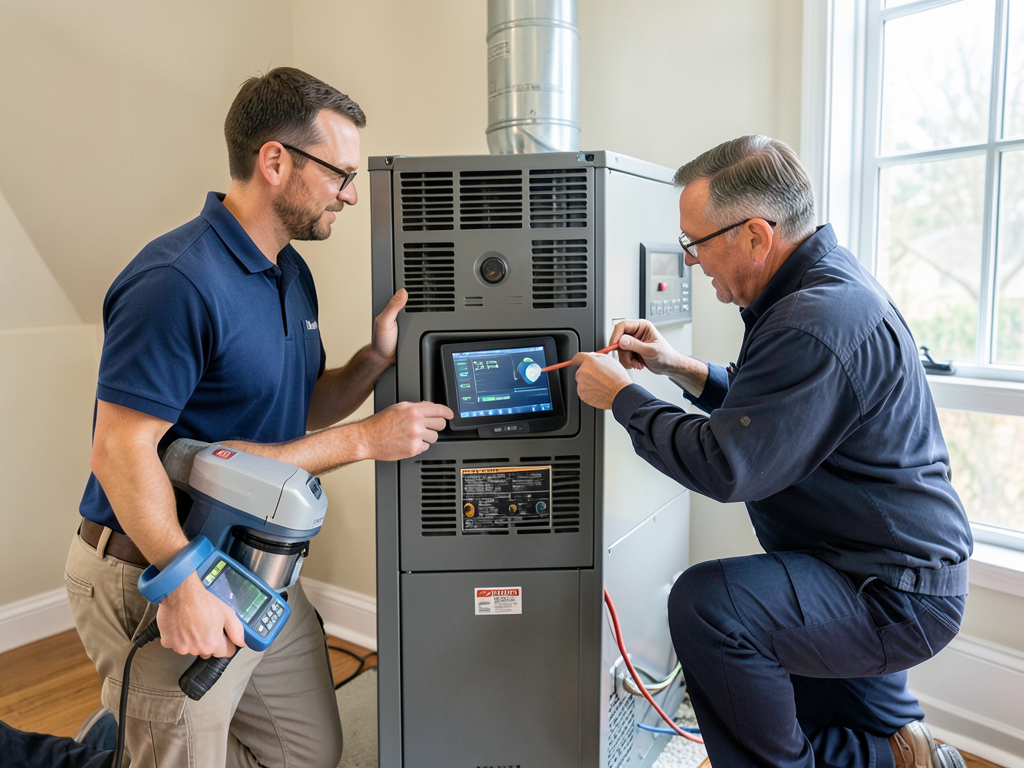
Understanding the difference between a furnace and a boiler for older Middle Tennessee homes
Choosing the right heating system for your Nashville home means understanding how furnaces and boilers work in our unique climate. Middle Tennessee’s humid subtropical weather with occasional deep freezes creates specific challenges that affect system performance, efficiency, and long-term costs. While furnaces heat air and distribute it through ducts, boilers use water to create radiant heat through radiators or underfloor systems. This fundamental difference impacts everything from your monthly utility bills to indoor air quality and maintenance requirements. The Best High Efficiency HVAC Systems for Luxury Homes in Brentwood.
Core differences between furnaces and boilers
Furnaces operate by burning fuel or using electric resistance to heat air, which a blower fan then pushes through ductwork into each room. This forced-air approach provides quick temperature changes and can integrate with central air conditioning systems. Boilers heat water using gas, oil, or electricity, then circulate that hot water or steam through pipes to radiators, baseboard heaters, or radiant floor systems. The heat radiates from these surfaces rather than blowing through the air.
The key operational difference affects how quickly your home responds to temperature changes. Furnaces can raise the temperature in a cold room within minutes, while boilers take longer to warm up but provide more consistent, gentle heat once operating. This distinction becomes particularly relevant during Nashville’s unpredictable weather patterns, where temperatures can swing dramatically within a single day. Nashville AC Repair Companies That Actually Answer the Phone on Weekends.
Modern high-efficiency furnaces use electronic ignition and variable-speed blowers to maximize fuel efficiency, while contemporary boilers employ condensing technology to extract additional heat from exhaust gases. Both systems have evolved significantly from their older counterparts, offering improved performance and lower operating costs for Middle Tennessee homeowners.
Nashville climate considerations
Middle Tennessee’s climate presents unique challenges for heating systems. Our humid subtropical classification means winters are generally mild but punctuated by occasional Arctic blasts that can drop temperatures below freezing for several days. These temperature extremes stress heating systems differently than the consistent cold found in northern states. Heating and Cooling Historic Germantown Homes Without Bulky Ductwork.
Humidity levels in Nashville often exceed 70% during winter months, which affects how we perceive indoor temperatures. A home heated by a furnace might feel drafty due to moving air, while a boiler’s radiant heat can feel more comfortable at lower thermostat settings. This perception difference can impact energy usage and comfort levels throughout the heating season.
Spring storm systems frequently bring rapid temperature changes, testing the responsiveness of heating systems. Furnaces excel at quick recovery when outdoor temperatures suddenly drop, while boilers provide steadier temperatures but require more time to recover from significant setbacks. Nashville’s clay soil conditions also affect foundation stability, which can impact the installation requirements and long-term performance of both system types. Storm Damage HVAC Repair.
Cost analysis for Middle Tennessee homeowners
Installation costs vary significantly between the two systems. A standard gas furnace installation in the Nashville area typically ranges from $3,500 to $7,500, depending on efficiency ratings and home size. High-efficiency models with AFUE ratings above 95% cost more upfront but can reduce monthly utility costs by 15-20% compared to standard units.
Boiler installations run considerably higher, with prices ranging from $6,000 to $15,000 or more. The higher cost reflects the complexity of piping systems, the need for proper water treatment to prevent scale buildup in our hard water conditions, and the specialized labor required for hydronic system installation. However, boilers often last 20-30 years compared to 15-20 years for furnaces, potentially offering better long-term value.
Monthly operating costs depend heavily on fuel availability and pricing in your specific area. Natural gas remains the most economical option for both systems in most of Middle Tennessee, with prices typically 30-40% lower than electric resistance heating. Electric furnaces and boilers cost more to operate but may be the only option in areas without gas service. Propane serves as an alternative but usually costs 50-75% more than natural gas per BTU of heat delivered.
Pros and cons comparison
| Feature | Furnace | Boiler |
|---|---|---|
| Initial Cost | $3,500 – $7,500 | $6,000 – $15,000+ |
| Lifespan | 15-20 years | 20-30 years |
| Energy Efficiency | 80-98% AFUE | 90-98% AFUE |
| Installation Time | 1-2 days | 3-5 days |
| Air Quality Impact | Can circulate dust | Minimal air movement |
| Space Requirements | Requires ductwork | Requires pipe space |
| Maintenance Frequency | Annual | Annual + water treatment |
Furnaces offer faster heating response and lower upfront costs, making them popular for new construction throughout Middle Tennessee. Their ability to integrate with central air conditioning systems also provides year-round climate control without separate equipment. However, forced air can distribute allergens and create temperature variations between rooms. EPA Energy Star heating equipment.
Boilers provide superior comfort through radiant heat and operate more quietly since they lack blowers. They also maintain humidity levels better since they don’t dry out indoor air like forced-air systems can. The trade-off includes higher installation complexity and the need for separate cooling solutions if desired.
Maintenance and repair in Nashville
Furnace maintenance in Middle Tennessee focuses on air filter replacement every 1-3 months, depending on household factors like pets and allergies. Our region’s high pollen counts mean filters often need more frequent changes than in other parts of the country. Annual professional inspections should check heat exchanger integrity, burner operation, and safety controls.
Common furnace issues in Nashville include condensation problems caused by our humidity levels, which can lead to rust on heat exchangers if not properly managed. The frequent temperature swings also stress system components, potentially leading to more frequent cycling and wear compared to areas with more stable winter temperatures.
Boiler maintenance requires additional attention to water chemistry due to Middle Tennessee’s hard water conditions. Mineral scale buildup can reduce efficiency by 20-30% if not addressed through proper water treatment. Annual service should include checking expansion tanks, inspecting pressure relief valves, and bleeding air from the system to maintain optimal performance.
Radiator systems common in older Nashville homes may need valve adjustments and occasional bleeding to remove air pockets that reduce heating efficiency. The clay soil in many areas can cause foundation shifts that stress buried piping, potentially leading to leaks that require immediate attention to prevent water damage.
Energy efficiency and environmental impact
Modern heating systems offer significantly improved efficiency compared to units installed even a decade ago. High-efficiency furnaces with AFUE ratings above 95% convert nearly all fuel energy into usable heat, while condensing boilers can achieve similar performance levels by recovering heat from exhaust gases that older units simply vent outdoors.
Middle Tennessee’s TVA power grid influences the environmental impact of electric heating systems. While electric units produce no on-site emissions, the regional power mix includes coal and natural gas generation. Natural gas systems typically produce about 30% less carbon dioxide than electric resistance heating when considering the full energy production cycle.
Proper system sizing becomes crucial in our climate. Oversized units short-cycle, reducing efficiency and comfort while increasing wear. A professional Manual J calculation considers Nashville’s specific heating degree days, humidity levels, and typical winter temperature patterns to determine the optimal system capacity for your home.
Choosing the right system for your home
The age and construction of your Nashville home significantly influence the best heating system choice. Homes built before 1960 often have boiler systems with cast-iron radiators that provide excellent comfort but may need modernization for improved efficiency. These systems can often be upgraded with modern high-efficiency boilers while retaining the existing piping and radiators.
Newer homes typically accommodate furnaces more easily since ductwork installation is straightforward during construction. However, homes with slab foundations or limited attic space may face challenges with duct routing, potentially making boiler systems or ductless alternatives more practical despite higher initial costs.
Your home’s insulation quality and air sealing also impact system performance. Older Nashville homes often benefit from improved insulation before system replacement, as this can allow for smaller, more efficient equipment. The return on investment for insulation improvements combined with system upgrades often exceeds 15-20% annually in energy savings.
Consider your long-term plans for the property. If you plan to stay more than five years, the higher efficiency and comfort of a premium system often justify the additional upfront investment. For shorter ownership periods, a mid-range system typically offers the best balance of performance and value.
Installation considerations for Middle Tennessee
Local building codes in Davidson County and surrounding areas require specific permits and inspections for heating system replacements. The Metro Nashville Energy Conservation Code mandates minimum efficiency standards and proper venting procedures that licensed contractors must follow. These requirements ensure safe installation but add to project timelines.
Soil conditions in Middle Tennessee affect installation practices. The region’s clay soil expands and contracts with moisture changes, potentially causing foundation movement that stresses heating equipment and piping. Proper equipment mounting and flexible connections help prevent damage from these natural soil movements. HVAC Mount Juliet.
Ventilation requirements differ between furnaces and boilers. High-efficiency furnaces use sealed combustion and can vent horizontally through side walls, while older atmospheric furnaces require vertical venting through the roof. Boilers need proper venting for both the combustion process and pressure relief systems, with specific clearance requirements based on fuel type.
Local utility providers offer various rebates and incentives for high-efficiency equipment. Piedmont Natural Gas and Nashville Electric Service periodically provide rebates for systems meeting specific efficiency thresholds. These programs change annually, so checking current offers before system selection can provide significant cost savings.
Emergency preparedness and system reliability
Nashville’s occasional severe winter storms can test heating system reliability. Furnaces typically include battery backup options for thermostats and control boards, maintaining operation during brief power outages. Boilers rely on pumps for water circulation, making them more vulnerable to extended power failures unless equipped with generator connections.
Redundant heating options provide peace of mind during extreme weather. Some homeowners maintain electric space heaters as backup for gas system failures, while others install wood stoves or fireplaces as emergency heat sources. The choice depends on your comfort level with different fuel types and your home’s layout.
Regular maintenance prevents most emergency failures. Annual professional service identifies potential issues before they cause system shutdowns during critical cold periods. Many Nashville heating companies offer maintenance agreements that include priority service during peak demand times, reducing wait times for emergency repairs.
Understanding your system’s normal operation helps identify problems early. Unusual noises, strange odors, or changes in heating performance often indicate developing issues that simple adjustments or minor repairs can address before they become major failures requiring emergency service calls.
Indoor air quality and health considerations
Furnaces can impact indoor air quality through air movement that stirs up dust and allergens. However, modern high-efficiency filters and UV light systems can significantly improve air quality while the system operates. The constant air circulation also helps maintain consistent temperatures throughout the home, eliminating cold spots that can contribute to discomfort.
Boilers produce no air movement, eliminating the dust circulation issue entirely. This makes them ideal for households with severe allergies or respiratory conditions. However, they don’t provide the air filtration benefits that furnaces offer, so separate air purification systems may be necessary for optimal indoor air quality.
Humidity control becomes important with any heating system in Middle Tennessee’s climate. Furnaces can dry out indoor air, potentially causing static electricity, dry skin, and respiratory irritation. Whole-house humidifiers can address this issue, while boilers naturally maintain better humidity levels since they don’t heat air directly.
Carbon monoxide safety remains critical regardless of system type. All fuel-burning appliances require proper venting and carbon monoxide detectors for safety. Professional installation ensures these safety systems function correctly, protecting your family from potentially dangerous combustion byproducts.
Making your final decision
The choice between furnace and boiler ultimately depends on your specific situation, including your home’s existing infrastructure, your comfort preferences, and your budget constraints. Neither system is universally superior; each offers distinct advantages for different applications and homeowner priorities.
Consider starting with a professional home energy assessment to identify your home’s specific needs and any improvements that could enhance system performance. This evaluation often reveals opportunities for cost savings through insulation improvements, air sealing, or duct modifications that can make a new heating system more effective and economical.
Talk with local HVAC professionals who understand Middle Tennessee’s unique climate challenges and can recommend systems proven to perform well in our specific conditions. Their experience with local installation practices, utility rates, and maintenance requirements provides valuable insights beyond basic system specifications.
Remember that proper installation quality often matters more than equipment brand or efficiency rating. A correctly sized and installed mid-range system typically outperforms a premium system with poor installation. Choose contractors with strong local reputations, proper licensing, and comprehensive warranties that protect your investment.
Frequently Asked Questions
Which system is more energy efficient in Nashville’s climate?
Both high-efficiency furnaces and boilers can achieve similar efficiency ratings above 95%. The actual efficiency depends more on proper sizing, installation quality, and home insulation than on the system type. In Nashville’s climate, either system can provide excellent efficiency when properly matched to your home’s needs.
How long does installation typically take?
Furnace replacement usually requires 1-2 days for complete installation and testing. Boiler installations take longer, typically 3-5 days, due to the complexity of piping systems and water treatment requirements. Both timelines can extend if unexpected issues arise during the replacement process.
Can I switch from a boiler to a furnace or vice versa?
Yes, conversions are possible but involve significant work. Switching from boiler to furnace requires removing radiators and installing ductwork, while the reverse requires removing ducts and installing piping. These conversions typically cost $8,000-$15,000 more than standard replacements due to the additional labor and materials required.
What maintenance do these systems need in Nashville’s hard water conditions?
Furnaces need annual inspections and regular filter changes. Boilers require annual service plus water treatment to prevent scale buildup from our hard water. Without proper treatment, scale can reduce boiler efficiency by 20-30% and shorten system lifespan significantly.
Are there any Middle Tennessee utility rebates available?
Yes, Piedmont Natural Gas and Nashville Electric Service offer periodic rebates for high-efficiency heating equipment. Programs change annually, so check current offers before purchasing. Local HVAC contractors typically stay informed about available rebates and can help you qualify for maximum savings.
Ready to upgrade your heating system?
Understanding the differences between furnaces and boilers is just the first step toward improving your home’s comfort and efficiency. Every Nashville home has unique requirements based on its age, construction, and your family’s specific needs. Professional evaluation can identify the optimal solution for your situation.
Don’t wait until your current system fails during a cold snap. Schedule a comprehensive evaluation today to explore your options and take advantage of current utility rebates. Our experienced technicians understand Middle Tennessee’s unique heating challenges and can recommend solutions that provide reliable comfort for years to come.
Call (615) 552-1922 today to schedule your free consultation and heating system assessment. We’ll evaluate your home’s specific needs and provide clear recommendations without high-pressure sales tactics. Your comfort is our priority, and we’re committed to finding the right solution for your Nashville home.
Pick up the phone and call (615) 552-1922 before the next cold front hits. Our team is ready to help you make an informed decision about your home’s heating future. Don’t let another winter pass with an inefficient or unreliable system when better options are available. For more information, visit Energy.gov heating systems guide.
You may also find this helpful. Upgrading the electrical panel in your Sylvan Park cottage to handle a modern high efficiency HVAC.
{
“@context”: “https://schema.org”,
“@type”: “BlogPosting”,
“headline”: “Understanding the difference between a furnace and a boiler for older Middle Tennessee homes”,
“description”: “Learn how furnaces and boilers differ for Nashville homes. Compare costs, efficiency, and maintenance for Middle Tennessee’s climate. Call (615) 552-1922 for expert advice.”,
“wordCount”: 2587,
“datePublished”: “2026-06-10T14:38:00.000Z”,
“dateModified”: “2026-06-10T14:38:00.000Z”,
“inLanguage”: “en-US”,
“mainEntityOfPage”: {
“@type”: “WebPage”,
“@id”: “https://alphahvacnashville.com”
},
“publisher”: {
“@type”: “LocalBusiness”,
“name”: “Alpha HVAC Nashville”,
“url”: “https://alphahvacnashville.com”
},
“author”: {
“@type”: “Organization”,
“name”: “Alpha HVAC Nashville”,
“url”: “https://alphahvacnashville.com”
},
“image”: {
“@type”: “ImageObject”,
“url”: “https://alphahvacnashville.com/wp-content/uploads/2026/03/understanding-the-difference-between-a-furnace-and-1.png”
}
}
{
“@context”: “https://schema.org”,
“@type”: “HVACBusiness”,
“name”: “Alpha HVAC Nashville”,
“url”: “https://alphahvacnashville.com”,
“address”: {
“@type”: “PostalAddress”,
“addressLocality”: “Nashville”
},
“areaServed”: {
“@type”: “City”,
“name”: “Nashville”
}
}
{
“@context”: “https://schema.org”,
“@type”: “FAQPage”,
“mainEntity”: [
{
“@type”: “Question”,
“name”: “Which system is more energy efficient in Nashville’s climate?”,
“acceptedAnswer”: {
“@type”: “Answer”,
“text”: “Both high-efficiency furnaces and boilers can achieve similar efficiency ratings above 95%. The actual efficiency depends more on proper sizing, installation quality, and home insulation than on the system type. In Nashville’s climate, either system can provide excellent efficiency when properly matched to your home’s needs.”
}
},
{
“@type”: “Question”,
“name”: “How long does installation typically take?”,
“acceptedAnswer”: {
“@type”: “Answer”,
“text”: “Furnace replacement usually requires 1-2 days for complete installation and testing. Boiler installations take longer, typically 3-5 days, due to the complexity of piping systems and water treatment requirements. Both timelines can extend if unexpected issues arise during the replacement process.”
}
},
{
“@type”: “Question”,
“name”: “Can I switch from a boiler to a furnace or vice versa?”,
“acceptedAnswer”: {
“@type”: “Answer”,
“text”: “Yes, conversions are possible but involve significant work. Switching from boiler to furnace requires removing radiators and installing ductwork, while the reverse requires removing ducts and installing piping. These conversions typically cost $8,000-$15,000 more than standard replacements due to the additional labor and materials required.”
}
},
{
“@type”: “Question”,
“name”: “What maintenance do these systems need in Nashville’s hard water conditions?”,
“acceptedAnswer”: {
“@type”: “Answer”,
“text”: “Furnaces need annual inspections and regular filter changes. Boilers require annual service plus water treatment to prevent scale buildup from our hard water. Without proper treatment, scale can reduce boiler efficiency by 20-30% and shorten system lifespan significantly.”
}
},
{
“@type”: “Question”,
“name”: “Are there any Middle Tennessee utility rebates available?”,
“acceptedAnswer”: {
“@type”: “Answer”,
“text”: “Yes, Piedmont Natural Gas and Nashville Electric Service offer periodic rebates for high-efficiency heating equipment. Programs change annually, so check current offers before purchasing. Local HVAC contractors typically stay informed about available rebates and can help you qualify for maximum savings.”
}
},
{
“@type”: “Question”,
“name”: “Ready to upgrade your heating system?”,
“acceptedAnswer”: {
“@type”: “Answer”,
“text”: “Understanding the differences between furnaces and boilers is just the first step toward improving your home’s comfort and efficiency. Every Nashville home has unique requirements based on its age, construction, and your family’s specific needs. Professional evaluation can identify the optimal solution for your situation.”
}
}
]
}
{
“@context”: “https://schema.org”,
“@type”: “BreadcrumbList”,
“itemListElement”: [
{
“@type”: “ListItem”,
“position”: 1,
“name”: “Home”,
“item”: “https://alphahvacnashville.com”
},
{
“@type”: “ListItem”,
“position”: 2,
“name”: “Blog”,
“item”: “https://alphahvacnashville.com/blog”
},
{
“@type”: “ListItem”,
“position”: 3,
“name”: “Understanding the difference between a furnace and a boiler for older Middle Tennessee homes”
}
]
}
{
“@context”: “https://schema.org”,
“@type”: “Service”,
“serviceType”: “HVAC”,
“provider”: {
“@type”: “LocalBusiness”,
“name”: “Alpha HVAC Nashville”,
“url”: “https://alphahvacnashville.com”
},
“areaServed”: {
“@type”: “City”,
“name”: “Nashville”
},
“description”: “Learn how furnaces and boilers differ for Nashville homes. Compare costs, efficiency, and maintenance for Middle Tennessee’s climate. Call (615) 552-1922 for expert advice.”
}