






Menu

Noisy AC or Heater in Nashville – We Diagnose the Real Problem Fast

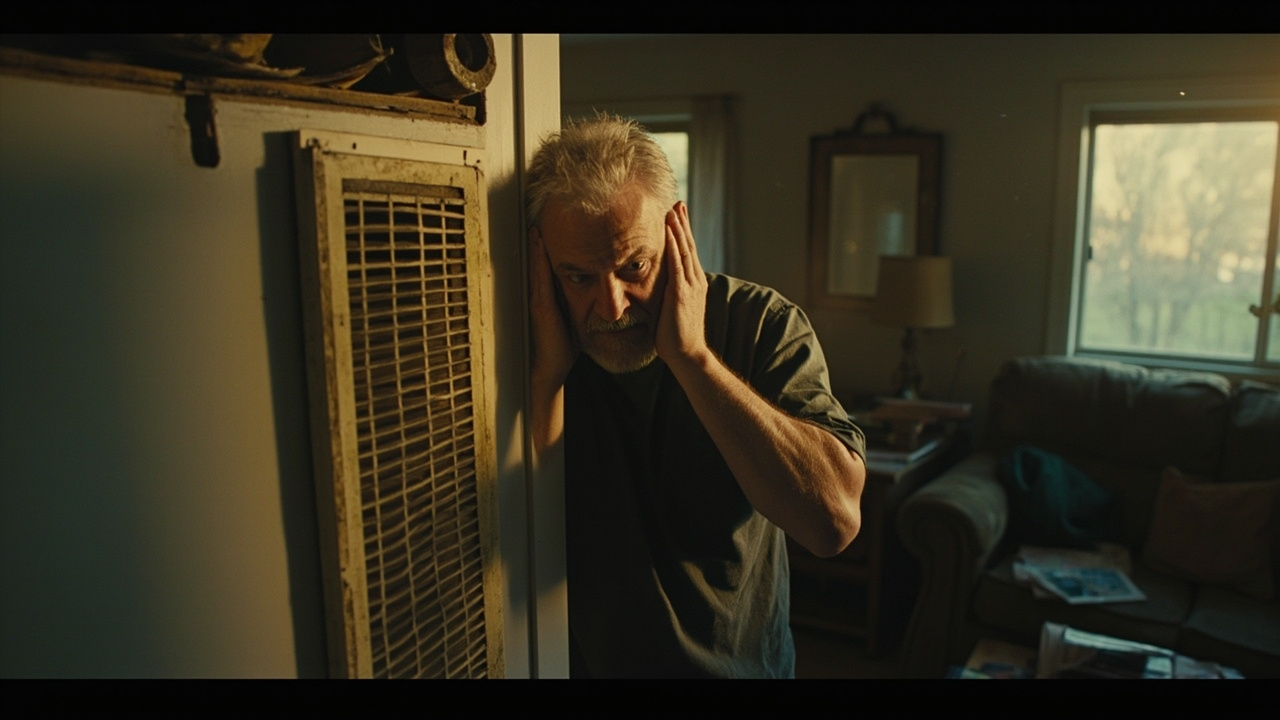
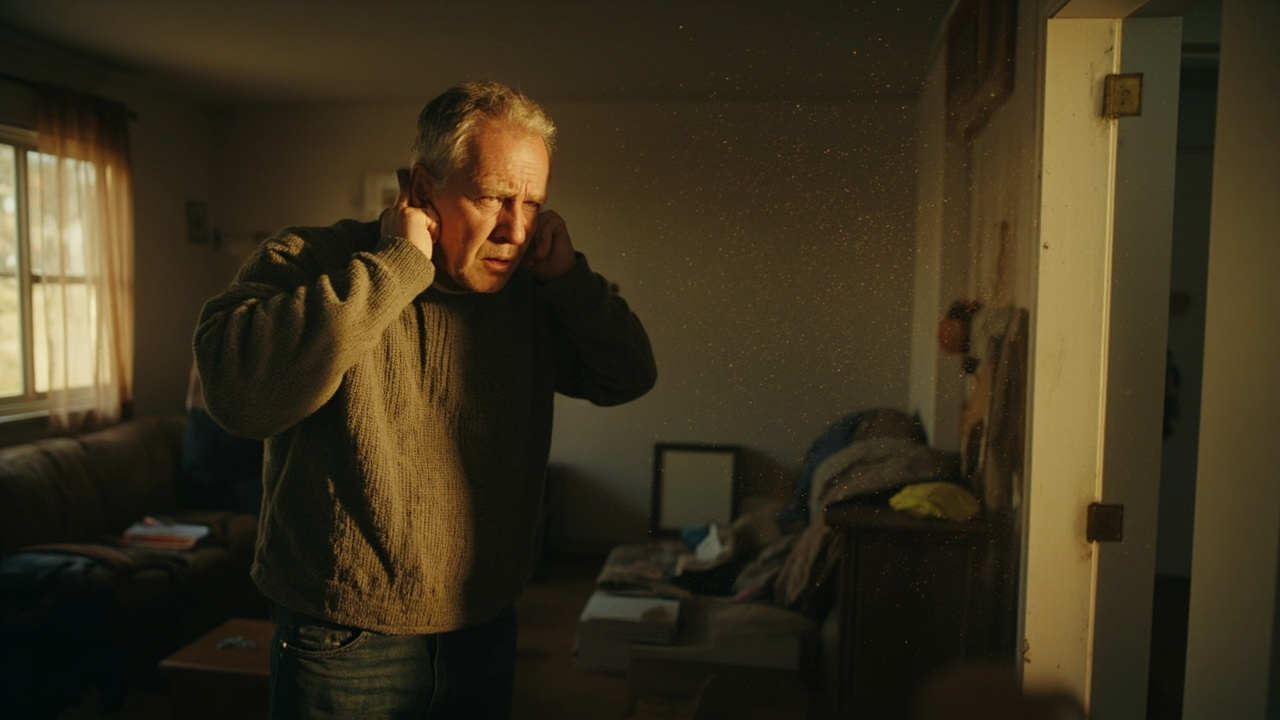
Stop guessing why your HVAC system rattles, hums, or bangs. Our technicians pinpoint the exact source of noisy air conditioners and loud heaters, delivering accurate diagnostics and repairs that restore peace to your home.

Slider Image 1
Slider Image 2
Slider Image 3
Slider Image 4
Slider Image 5
Slider Image 7
Slider Image 8
Slider Image 9
Slider Image 10
Slider Image 11

Why Your HVAC System Sounds Like a Freight Train

A loud air conditioner or furnace making noise does not mean your system is broken beyond repair. It means something specific is wrong, and that noise is your first warning sign.

Nashville's summer humidity and winter temperature swings put serious stress on HVAC equipment. When outdoor units run through 95-degree days with 80 percent humidity, refrigerant pressures spike. Compressors work harder. Blower motors strain. A noisy HVAC system often starts as a subtle hum in May and becomes a full rattle by July.

Inside your home, a loud heater can signal loose heat exchangers, failing blower bearings, or ductwork expanding and contracting as temperatures shift. Many homeowners in East Nashville and Germantown hear banging at startup because their furnaces cycle on and off more frequently in mild winters. That thermal expansion stresses metal components.

When your air conditioner is making noise, the sound tells a story. A high-pitched squeal points to belt tension issues. A grinding sound suggests bearing failure. A banging noise often means a loose part inside the cabinet or a failing compressor mount.

Ignoring these sounds does not make them go away. You risk compressor failure, motor burnout, or refrigerant leaks. The longer you wait, the more expensive the repair becomes. A $200 bearing replacement can turn into a $2,500 compressor swap if you let the problem progress.

The solution is not a YouTube video or a can of WD-40. You need a technician who can isolate the sound, identify the failing component, and fix it correctly.

Why Your HVAC System Sounds Like a Freight Train
How We Identify What Is Actually Wrong

How We Identify What Is Actually Wrong

Most HVAC companies send a technician with a screwdriver and a guess. We send technicians with diagnostic tools and a process.

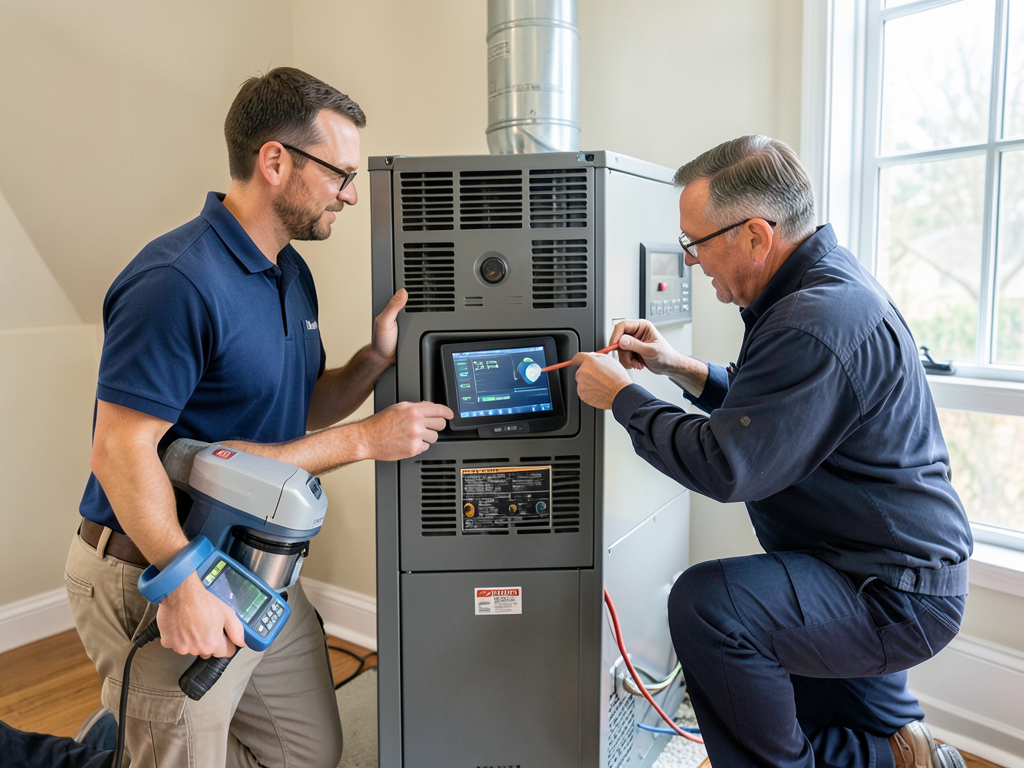
First, we isolate the noise source. Is it coming from the condenser, the air handler, the ductwork, or the blower assembly? We use sound meters and vibration sensors to pinpoint the exact component. This is not guesswork. We measure amplitude and frequency to distinguish between mechanical failure and normal operational noise.

Next, we inspect the suspect component under load. A furnace making noise at startup behaves differently than one that rattles continuously. We run the system through multiple cycles, watching for thermal expansion, bearing wobble, and belt slippage. We check mounting hardware, refrigerant pressures, and electrical connections.

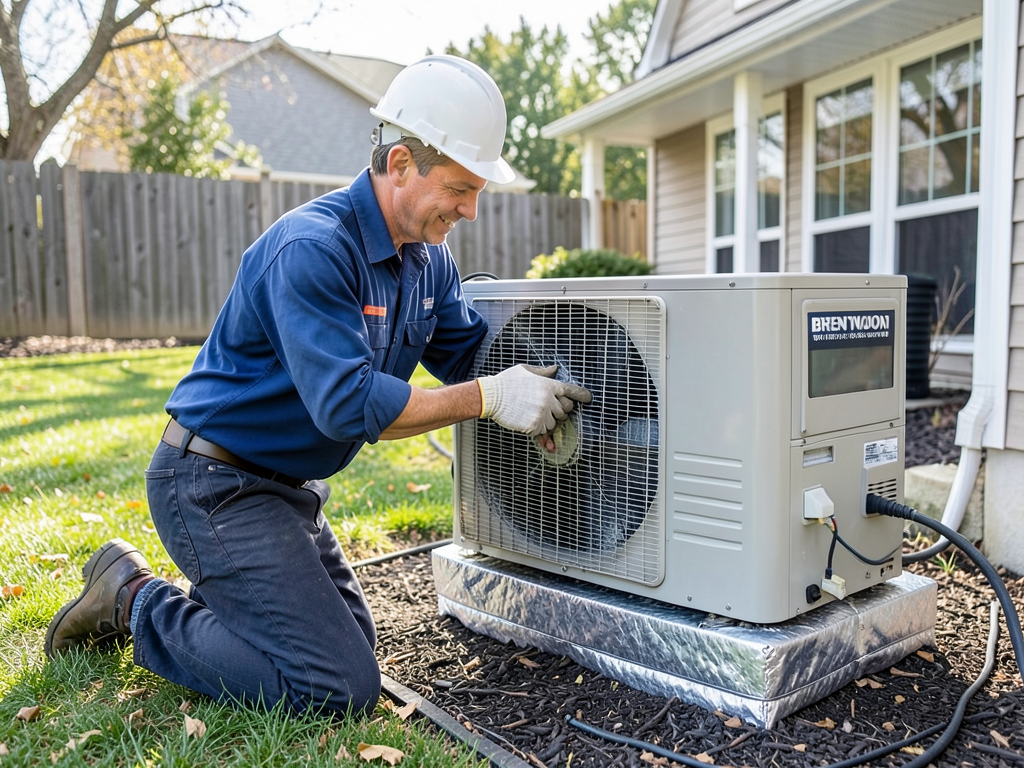
For a noisy air conditioner, we check compressor mounting isolators, fan motor bearings, and condenser coil clearances. Many loud AC units in Nashville suffer from debris buildup between the fins, which restricts airflow and forces the fan motor to work harder. That extra load creates vibration and noise.

We also inspect ductwork. In homes built before 2000, undersized return ducts create negative pressure that makes the entire system whistle and hum. Adding a return duct or resizing the grille can eliminate the noise without touching the equipment.

After we identify the problem, we explain what failed, why it failed, and what happens if you ignore it. You get a clear diagnosis, a fair repair estimate, and no pressure. If your system is beyond economical repair, we will tell you that too.

What Happens During a Noise Diagnosis

Noisy AC or Heater in Nashville – We Diagnose the Real Problem Fast
01

System Sound Assessment

We arrive with calibrated sound meters and vibration sensors. You show us where the noise originates. We run the system and record baseline measurements at the condenser, air handler, and supply registers. This data tells us whether the noise is mechanical, aerodynamic, or electrical. We document sound frequency and intensity to compare against manufacturer tolerances.
02

Component-Level Inspection

Once we isolate the noise source, we disassemble the affected component. We inspect blower wheels for imbalance, check compressor mounts for wear, and test fan motor bearings under load. We measure refrigerant pressures, check electrical draw, and look for loose hardware. Every noisy HVAC system has a root cause, and we find it before recommending a repair.
03

Repair and Verification

After the repair, we retest the system under full load. We measure sound levels again to confirm the noise is gone. You hear the difference immediately. We run the system through multiple cycles to ensure the fix holds. Before we leave, you get a written report explaining what we found, what we fixed, and what to monitor going forward.

Why Nashville Homeowners Trust Alpha HVAC for Noise Repairs

You need someone who understands how Nashville's climate affects HVAC equipment. Summer humidity accelerates compressor wear. Mild winters mean furnaces cycle more frequently, which loosens mounting hardware and stresses heat exchangers. A technician from another region will not recognize these patterns.

We know the common failure points in systems installed across Green Hills, Donelson, and Bellevue. We see the same issues in homes built in the 1980s with undersized ductwork. We recognize the sound of a failing Copeland scroll compressor versus a worn Emerson motor. That experience saves you time and money.

Our technicians carry parts for the most common noise-related failures. Blower motor bearings, compressor isolators, belt tensioners, and capacitor replacements get done the same day. We do not make you wait three days for a part while your system rattles through the night.

We also know when noise is a symptom of a bigger problem. A loud air conditioner with low refrigerant pressures points to a leak. A furnace making noise with a cracked heat exchanger is a safety hazard. We catch these issues before they become emergencies.

You also get honest answers. If your 18-year-old system has a failing compressor, we will explain the math. Spending $2,200 on a compressor replacement for a unit that might last two more years is not always the smart move. We present options and let you decide.

Alpha HVAC does not upsell. We diagnose accurately, repair correctly, and move on. That is why homeowners across Nashville call us first when their HVAC system starts making noise.

What to Expect When You Call Us

Same-Day Availability

We schedule most noise diagnostics within 24 hours. If your loud heater is keeping you awake at night or your noisy air conditioner is driving you crazy during the day, we prioritize your call. Our technicians arrive in a two-hour window, not a vague all-day block. You get a confirmation text with the technician's name and photo. Most diagnostics take 45 to 90 minutes, depending on system complexity and accessibility.

Transparent Diagnosis Process

You are not left guessing what is happening. We walk you through the inspection. You hear the noise with us. We show you the failing component and explain why it failed. If we need to disassemble a blower assembly or remove a service panel, we explain what we are looking for. You get a written diagnostic report with photos and sound measurements. No jargon, no runaround. Just clear answers about what is wrong and what it will take to fix it.

Quality Repairs That Last

We fix the problem correctly, not temporarily. If a blower motor bearing is failing, we replace the motor assembly, not just the bearing. If compressor isolators are worn, we replace all of them, not just the loudest one. We use OEM parts when possible and high-quality aftermarket parts when OEM is not available. After the repair, the noise is gone. We test the system under full load and measure sound levels to confirm. You get documentation of the work completed and parts installed.

Ongoing Support and Maintenance

We offer seasonal maintenance plans to catch problems before they become noise issues. Twice-a-year inspections include blower motor checks, belt tension adjustments, and vibration isolator inspections. If something starts making noise again within the first 90 days after a repair, we come back and make it right. You also get priority scheduling and discounted diagnostic fees as a maintenance plan member. Preventive care is cheaper than emergency repairs.

Frequently Asked Questions

You Have Questions,
We Have Answers

Why is my AC so loud all of a sudden? +

Sudden loud noises usually mean something broke or came loose. A screaming sound points to a worn belt or bad motor bearing. Banging or clanking suggests a loose fan blade or broken compressor mount. Rattling means debris in the unit or loose panels. Nashville's humidity and temperature swings stress aging components. High heat and moisture accelerate wear on motors and compressors. Turn off your system right away to prevent bigger damage. A loud AC is a warning sign that something is failing. Running it makes the problem worse. Get a technician to diagnose it before a small fix becomes a full replacement.

What is the 3 minute rule for AC? +

The 3 minute rule prevents compressor damage. After your AC shuts off, wait at least 3 minutes before restarting it. This lets refrigerant pressures equalize inside the system. If you restart too soon, the compressor works against high pressure and can burn out the motor. This rule matters during power outages or when you flip the breaker. Nashville storms cause frequent power interruptions, so give your unit time to reset. Most thermostats have built-in delay timers to enforce this rule automatically. Ignoring it shortens compressor life and leads to expensive repairs or full system replacement.

What is the $5000 AC rule? +

The $5000 AC rule is a decision tool for repair versus replacement. Multiply the age of your unit by the repair cost estimate. If the total exceeds $5000, replace the system instead of repairing it. For example, a 12-year-old unit needing a $500 repair equals $6000, so replace it. This math accounts for declining efficiency and future repair likelihood. Nashville's humid climate and long cooling season work older units hard. A 15-year-old AC burns more energy and breaks down more often. Factor in energy savings and potential rebates when making your decision. Older systems use outdated refrigerants that cost more.

What does an AC compressor sound like when it's going bad? +

A failing compressor makes distinct sounds that signal trouble. You will hear a hard-start grinding or stuttering when the unit tries to turn on. A loud humming or buzzing without the fan running means the compressor is seized or struggling. Rattling inside the outdoor unit points to internal compressor damage. Screeching indicates bearing failure. Some compressors make a clicking or ticking sound as they fail. Nashville's extreme summer heat and high humidity stress compressors. A bad compressor often trips the breaker repeatedly. Once internal damage starts, the compressor cannot be repaired. Replacement is the only fix.

How to tell if an AC blower motor is going out? +

A failing blower motor shows clear warning signs. You will notice weak airflow from your vents even though the system runs. The motor may make squealing or screeching sounds from worn bearings. Some motors emit a burning smell when they overheat. You might see the fan start slowly or take several tries to spin up. Listen for humming without air movement, which means the motor is stuck. Nashville's dust and humidity clog blower wheels and strain motors. Higher energy bills appear when the motor works harder. The system may shut off randomly due to overheating. Address blower issues quickly to avoid complete failure.

How to quiet a noisy air conditioner? +

Start by identifying the noise source. Tighten loose panels and screws on the outdoor unit. Clear debris from around the condenser and trim back vegetation at least two feet. Replace the air filter if it is clogged, which forces the blower to work harder. Lubricate motor bearings if your model has oil ports. Check that the unit sits level on its pad. Nashville's clay soil shifts and causes units to tilt, creating vibration noise. Install a compressor blanket designed for noise reduction. Add vibration dampening pads under the unit. If noise persists, call a technician to check internal components like fan blades and motor mounts.

How Nashville's Humidity and Mild Winters Make HVAC Noise Worse

Nashville's summer humidity keeps outdoor condensers running at peak capacity for months. That constant load accelerates bearing wear and compressor mount degradation. When a condenser runs 12 hours a day in July, vibration isolators compress and lose their dampening ability. The result is a loud air conditioner that rattles the siding. Mild winters create a different problem. Furnaces cycle on and off more frequently because outdoor temperatures fluctuate. That thermal cycling causes ductwork to expand and contract, creating banging noises. Heat exchangers flex and metal fasteners loosen. Homeowners in older Nashville neighborhoods hear these sounds every winter, but the problem gets worse each year as components fatigue.

Local HVAC expertise matters because national chain technicians do not recognize regional wear patterns. A Nashville technician knows that homes in Sylvan Park and The Nations often have undersized return ducts that create aerodynamic noise. We know that builders in the 1990s installed condensers too close to exterior walls, amplifying compressor noise through the home. We also understand local building codes and permit requirements for HVAC modifications. When you call Alpha HVAC, you get a technician who has diagnosed hundreds of noisy systems across Davidson County. That experience translates to faster diagnostics, accurate repairs, and fewer return trips.
HVAC Services in The Nashville Area

Alpha HVAC is a local business dedicated to serving the entire community. Our centralized location allows us to provide swift and reliable service to all surrounding areas. Whether you need a repair, a new installation, or routine maintenance, you can trust our team to be there for you when it matters most. Explore our service area on the map below to see how we can help you with all your heating and cooling needs.

Address:
Alpha HVAC Nashville, 1001 3rd Ave N, Nashville, TN, 37201

Additional Services We Offer

Our news updates

Latest Articles & News from The Blogs

Understanding the difference between a furnace and a boiler for older Middle Tennessee homes Choosing the right heating system for…

Understanding the difference between a furnace and a boiler for older Middle Tennessee homes

Understanding the difference between a furnace and a boiler for older Middle Tennessee homes Choosing the right heating system for…

How to choose a quiet HVAC system that won't disturb your neighbors in Brentwood

How to choose a quiet HVAC system that won't disturb your neighbors in Brentwood Living in Brentwood means enjoying peaceful…

Keeping your boat house or lakeside cabin comfortable with a mini split system

Keeping your boat house or lakeside cabin comfortable with a mini split system\n\nThe humid summers and mild winters of Middle…

Contact Us

Call Alpha HVAC at (615) 552-1922 right now. We diagnose the problem fast and fix it correctly. No guessing, no upselling, no delays. Just honest answers and skilled repairs that restore peace to your home.