AC service begins with refrigerant pressure testing using calibrated manifold gauges. We measure suction and discharge pressures against manufacturer specifications for your specific unit model, adjusted for current outdoor temperature. This reveals whether you have a refrigerant leak, a failing compressor, or a metering device problem before we disassemble anything.
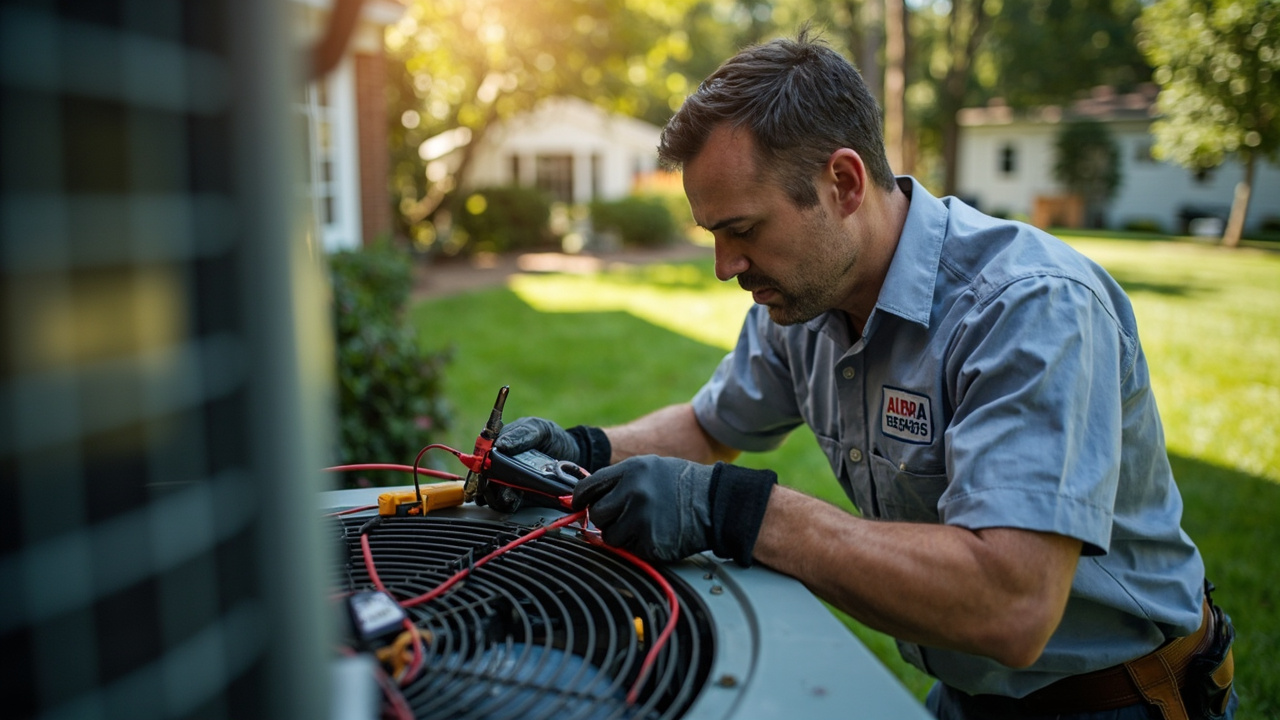
Next, we perform a voltage drop test across the compressor contactor and check amperage draw on the condenser fan motor. High amperage indicates bearing wear or capacitor failure. Low voltage at the contactor means you have a control board issue or corroded wiring. We trace the electrical pathway from the thermostat through the air handler to the outdoor unit, identifying voltage drops that cause intermittent failures.
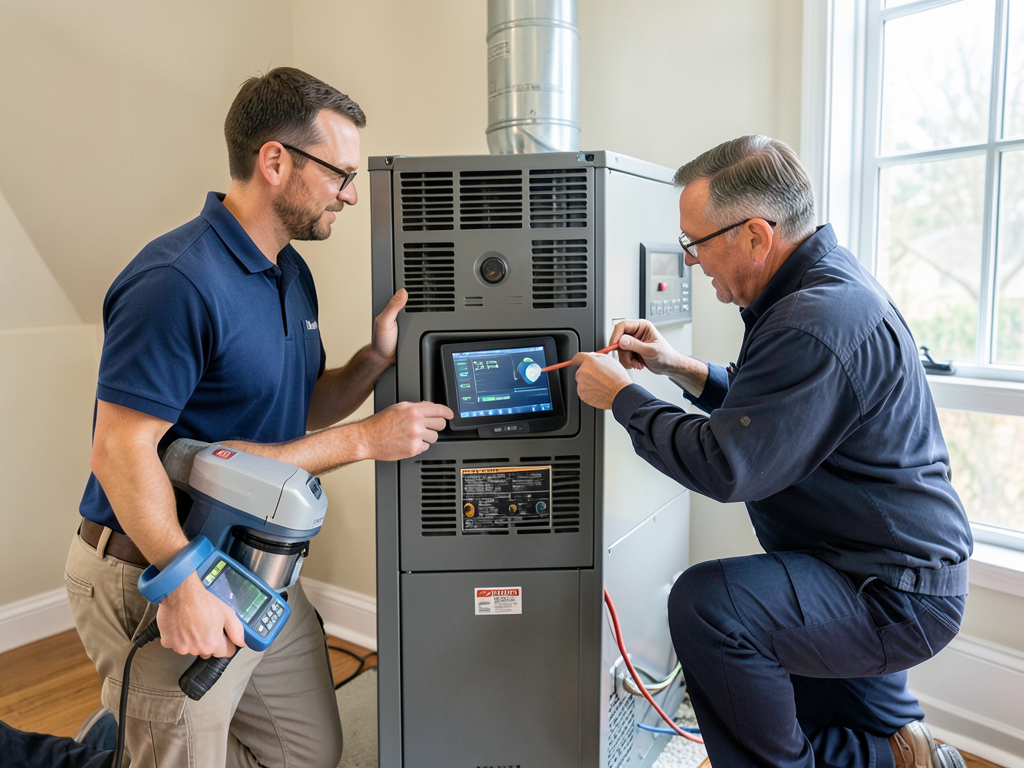
Airflow measurement comes next. We use a digital anemometer to measure velocity at each supply register, calculating total CFM against the rated capacity of your blower motor. Restricted airflow from a clogged evaporator coil or undersized ductwork causes the system to short cycle and freeze up. We identify the choke point and correct it.
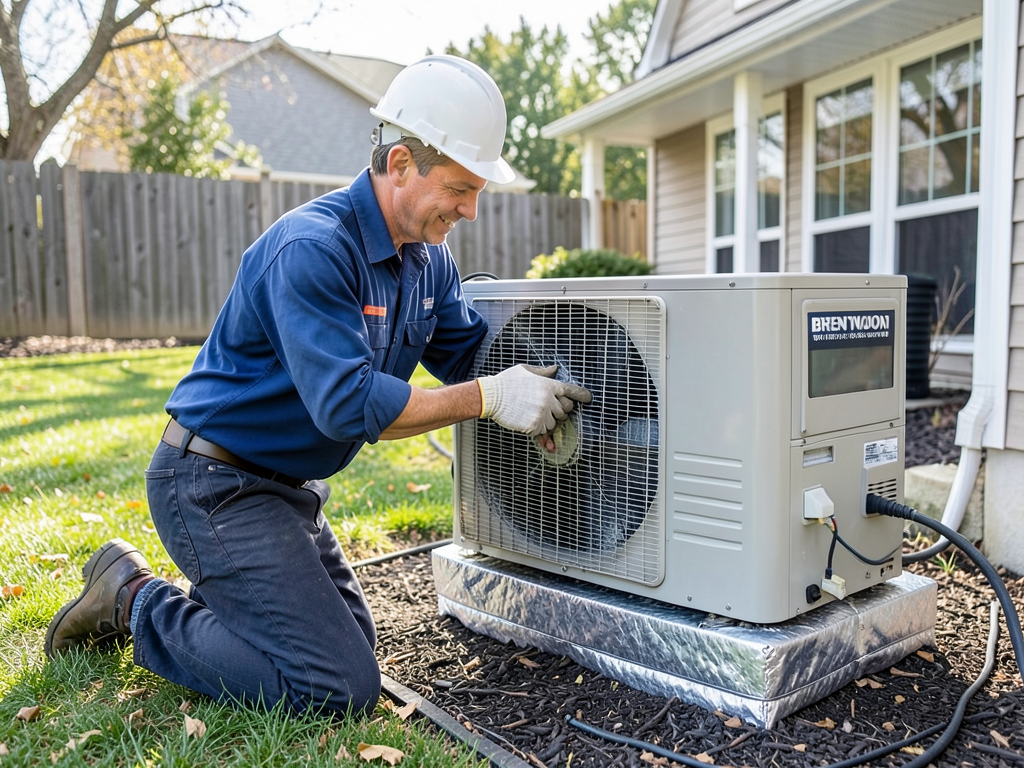
For refrigerant leaks, we inject nitrogen under pressure and apply electronic leak detectors to joints, flare fittings, and line sets. Pinhole leaks in copper lines buried in concrete slabs require line rerouting, not temporary sealant. We explain the repair options and the longevity of each approach.
Alpha HVAC Nashville stocks OEM parts for major brands including Carrier, Trane, Lennox, and Rheem. We do not use aftermarket capacitors or universal contactors that fail prematurely. The compressor contactor in your outdoor unit must match the voltage and amperage rating specified by the manufacturer, or you risk nuisance tripping and premature compressor failure.
Air conditioner repair done correctly prevents repeat service calls and extends equipment life.