




Menu

Storm Damage HVAC Repair in Nashville – 24/7 Emergency Response Protects Your Home

When severe weather strikes, your heating and cooling system can't wait. Alpha HVAC Nashville dispatches certified technicians immediately to assess storm damaged AC units, restore critical climate control, and prevent secondary damage to your property.

Slider Image 1
Slider Image 2
Slider Image 3
Slider Image 4
Slider Image 5
Slider Image 7
Slider Image 8
Slider Image 9
Slider Image 10
Slider Image 11

Storm Damage Hits Nashville HVAC Systems Hard

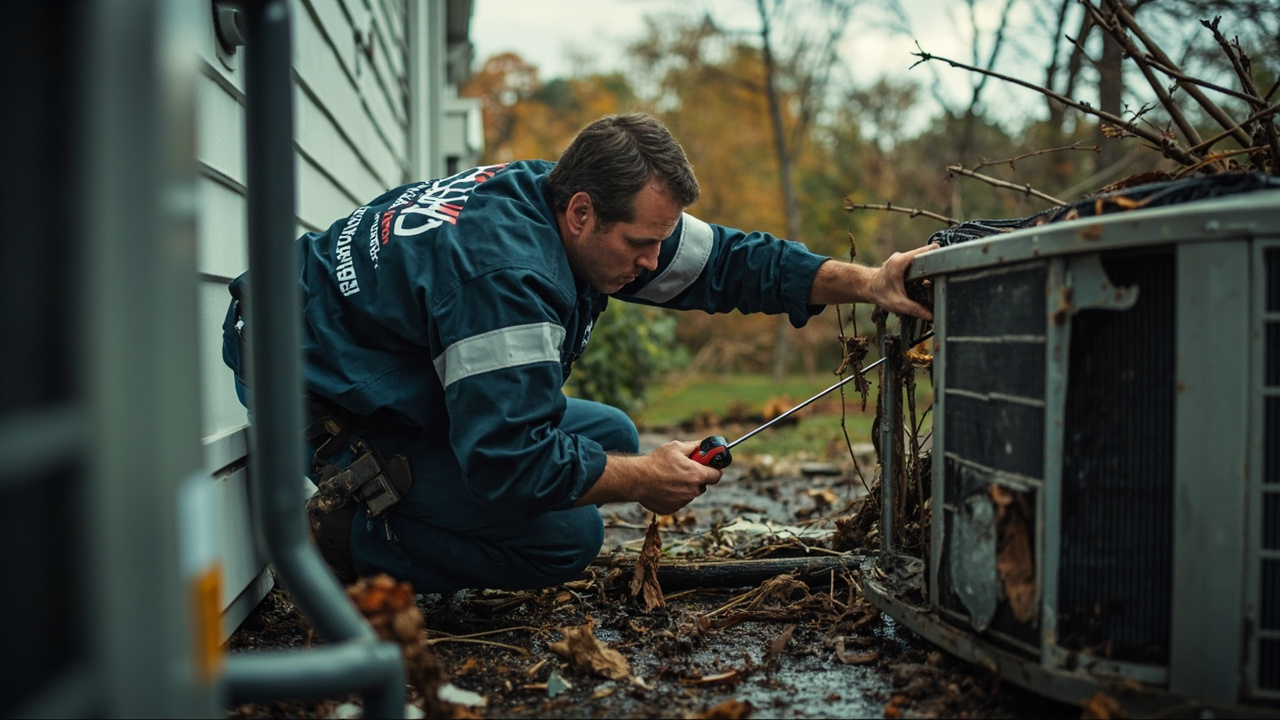
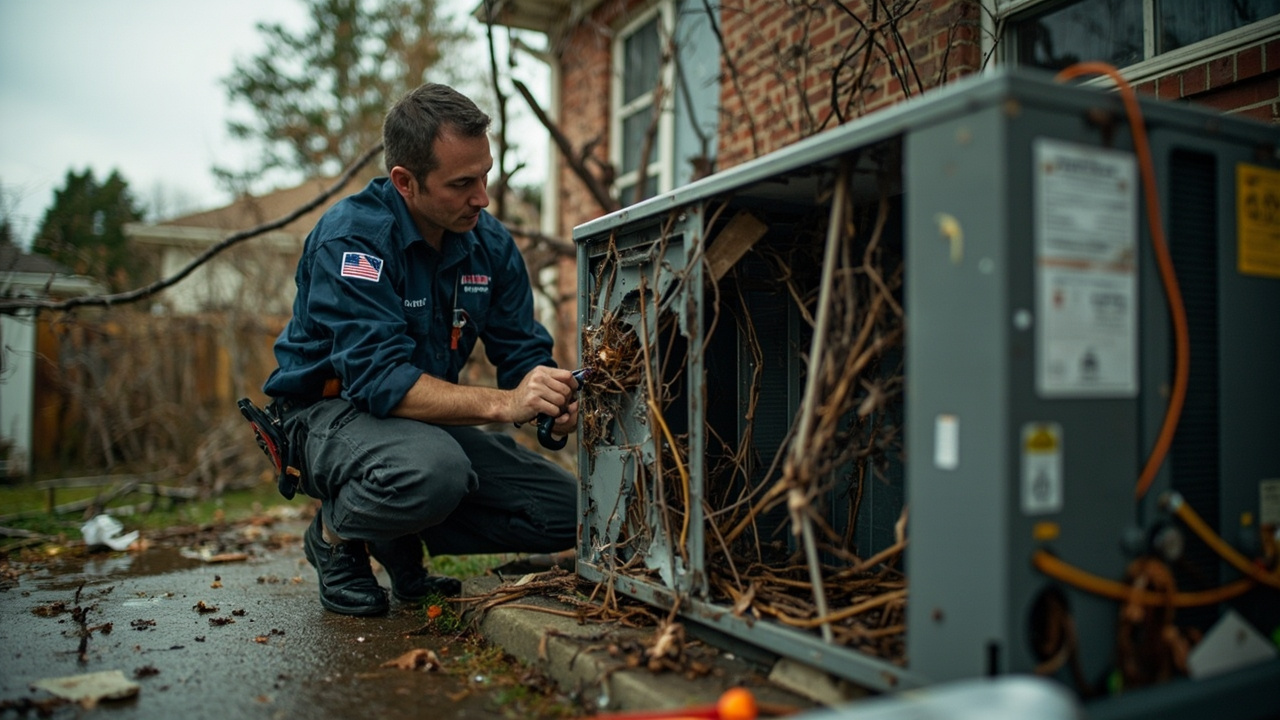
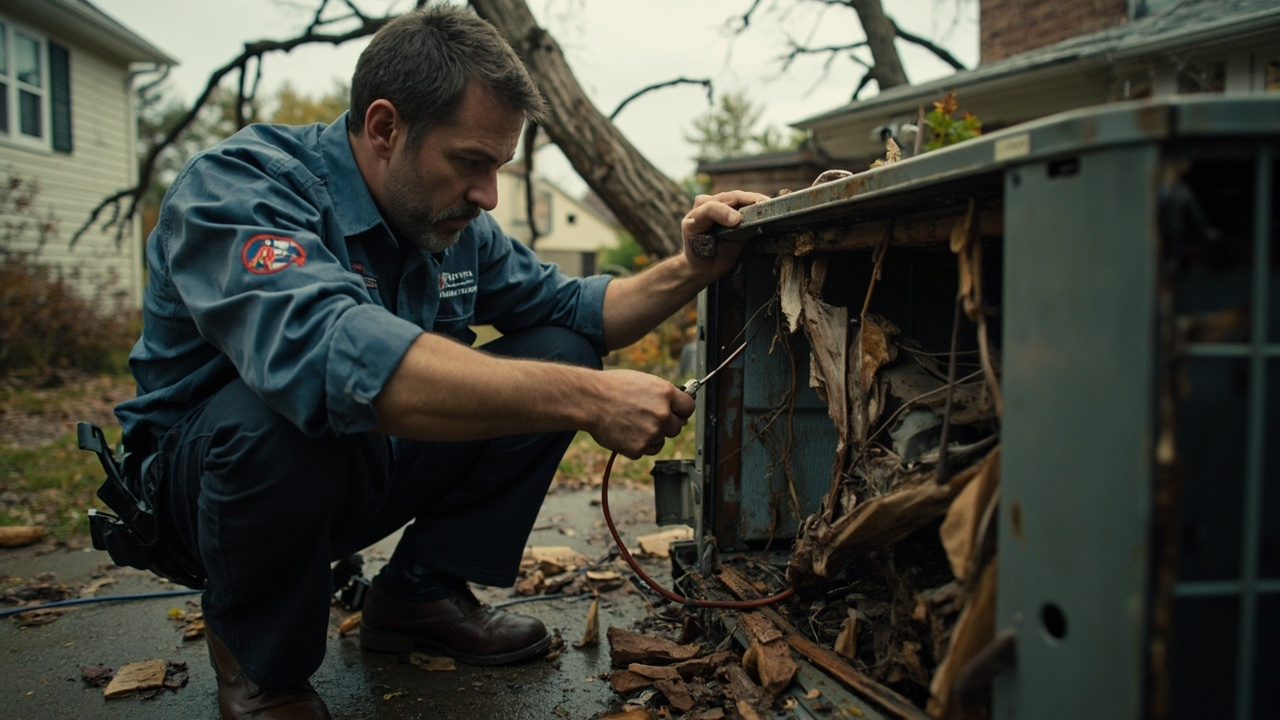
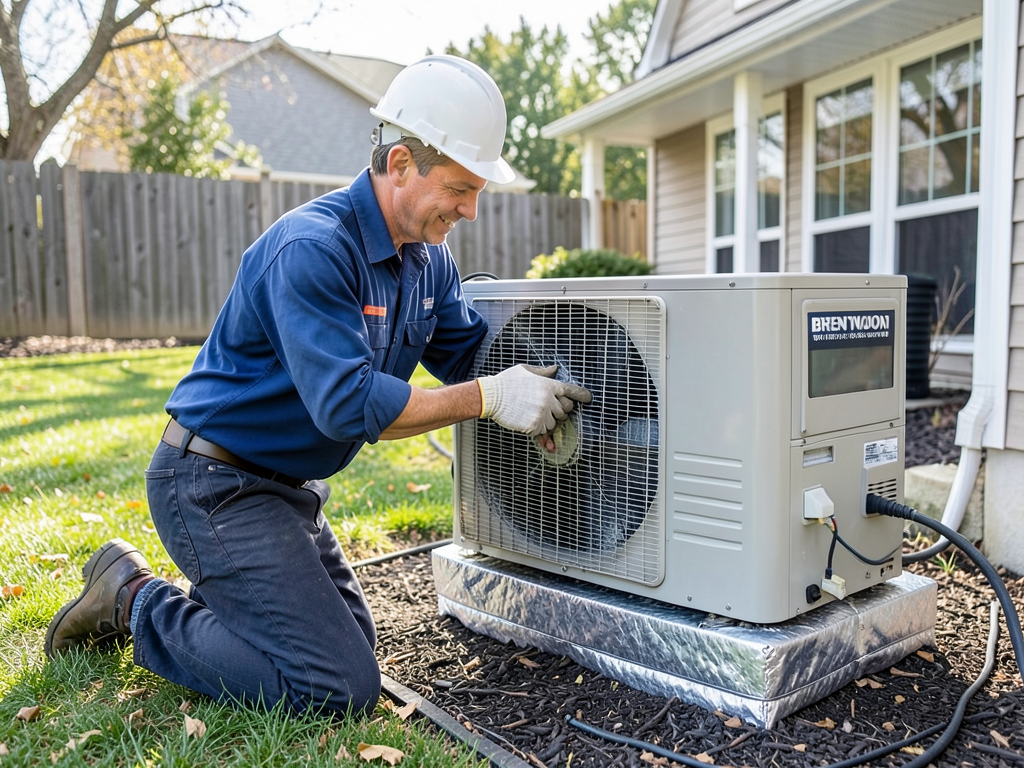
Middle Tennessee storms bring high winds, hail, and fallen trees that destroy outdoor condensing units, tear loose ductwork, and flood electrical components. You wake up to a silent air handler or a compressor that won't start. The house heats up fast in summer humidity or turns cold during winter freezes.

Nashville's location in the Nashville Basin makes homes vulnerable to sudden severe weather. Tornadoes, derechos, and ice storms can flip a condensing unit, puncture refrigerant lines, or rip the service disconnect off the exterior wall. Emergency HVAC storm repair becomes critical when you lose climate control and face water intrusion through damaged vent penetrations.

Storm damaged AC unit repair demands immediate attention. Exposed electrical connections corrode within hours in humid air. Refrigerant leaks into the soil. Debris clogs the condenser coil and damages the compressor if you attempt to restart the system. HVAC storm restoration services require diagnostic tools to check for hidden damage inside the air handler, the plenum, and the ductwork buried in your attic.

Heating and cooling storm damage repair goes beyond cosmetic fixes. A dented cabinet might look minor, but bent fan blades create vibration that destroys bearings. A shifted condensing unit on its pad stresses refrigerant lines until they crack. You need technicians who understand how to fix storm damaged HVAC systems correctly so secondary failures don't appear weeks later. Waiting until morning or next week allows damage to spread and repair bills to climb.

Storm Damage Hits Nashville HVAC Systems Hard
How Alpha HVAC Nashville Restores Storm Damaged Systems

How Alpha HVAC Nashville Restores Storm Damaged Systems

Emergency HVAC storm repair begins with isolation. We disconnect power at the breaker and the service disconnect to prevent electrical fires. We close the refrigerant valves at the condensing unit to stop further gas loss. If the outdoor unit is compromised, we move quickly to protect the indoor components from moisture and debris intrusion.

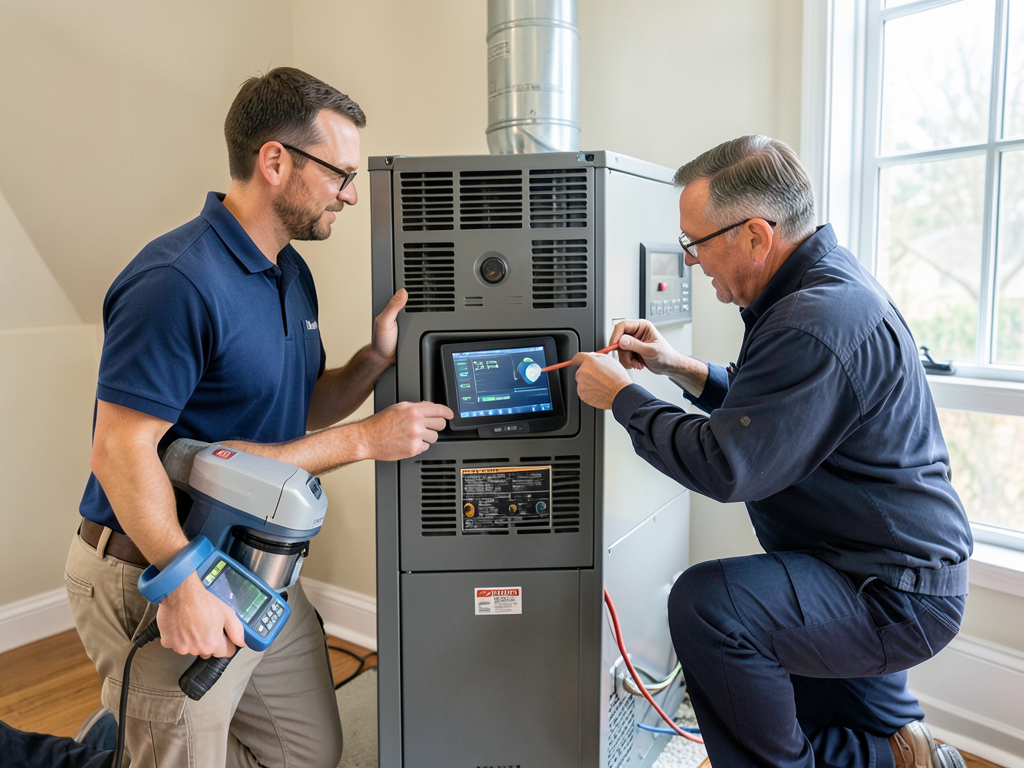
Our diagnostic process checks the compressor windings with an ohmmeter, tests capacitor microfarads, and measures refrigerant superheat and subcooling if the system still holds pressure. We inspect the evaporator coil for hail damage, the blower motor for water exposure, and the control board for voltage spikes that occurred during the storm. Storm damaged AC unit repair requires precision because insurance adjusters need documented proof of what failed and why.

We photograph every damaged component before removal. We log serial numbers, model numbers, and refrigerant type. HVAC storm restoration services involve coordination with your insurance carrier, so we provide itemized estimates that separate labor, refrigerant recovery, parts, and disposal fees. We handle R-410A refrigerant according to EPA Section 608 regulations, which requires certified recovery equipment and proper cylinder storage.

Heating and cooling storm damage repair often requires temporary solutions while waiting for replacement parts. We might install a window unit in your bedroom, set up a portable air handler, or rig a temporary condensing unit if your system is still under warranty and requires OEM components. Speed matters, but so does doing it right. We fix storm damaged HVAC systems to pre-loss condition, not just to operational status.

What Happens During Emergency Storm Response

Storm Damage HVAC Repair in Nashville – 24/7 Emergency Response Protects Your Home
01

Immediate Damage Assessment

Our technician arrives within hours, surveys the condensing unit, the electrical connections, and the ductwork penetrations. We check for refrigerant leaks using electronic detectors, test compressor resistance, and inspect the air handler for water damage. You get a verbal assessment on-site and a written diagnostic report within 24 hours that details what can be repaired versus what needs replacement.
02

System Isolation and Protection

We disconnect power, cap exposed refrigerant lines, and cover damaged openings to prevent rain intrusion. If the evaporator coil or air handler is compromised, we seal ductwork and remove standing water. Storm damaged components are tagged and photographed for insurance documentation. We stabilize the system to prevent further loss while parts are ordered or insurance approval is obtained.
03

Restoration and Testing

Once parts arrive, we replace damaged components, evacuate the refrigerant circuit to 500 microns, and recharge to manufacturer specifications. We test amperage draw, airflow CFM, and temperature split across the evaporator coil. The system runs through a full cooling or heating cycle before we leave. You receive documentation showing the system is restored to factory performance standards and safe for continued operation.

Why Nashville Trusts Alpha HVAC for Storm Damage Repairs

Nashville storm damage requires technicians who understand local building codes and insurance procedures. Alpha HVAC Nashville works directly with adjusters from State Farm, Allstate, and Farmers to streamline claims. We know what documentation they need, how to photograph damage correctly, and how to write estimates that get approved without endless back-and-forth revisions.

We stock common storm repair parts like contactor relays, run capacitors, and condenser fan motors at our local facility. When a derecho tears through Davidson County, we don't wait three weeks for a distributor to ship a replacement compressor. We maintain relationships with suppliers in Antioch and Hermitage who prioritize emergency orders for Nashville contractors.

Our experience with Nashville's clay soil and bedrock foundation issues means we understand how storm-shifted condensing units stress refrigerant lines. We've repaired systems in East Nashville's historic homes, where undersized electrical panels complicate upgrades, and in Brentwood's newer construction, where HOA guidelines dictate equipment placement. Local knowledge prevents mistakes that out-of-town contractors make.

We also understand Nashville's weather patterns. Spring storms bring hail that dents condenser coils. Summer derechos topple trees onto rooftop units. Winter ice storms snap electrical service masts. Each type of storm damage requires different repair approaches, different safety protocols, and different coordination with utility companies. Alpha HVAC Nashville responds to emergency HVAC storm repair calls 24 hours a day because we live here and understand what's at stake when your system goes down.

What to Expect During Storm Damage HVAC Repair

Emergency Response Time

We dispatch a technician within two hours of your call during business hours and within four hours overnight. Nashville storm events often create backlogs, but we prioritize life safety issues like gas leaks, electrical hazards, and homes with elderly residents or medical equipment. You receive an estimated arrival window via text message. If parts are in stock, minor repairs finish the same day. Major reconstruction projects involving compressor replacement or air handler swaps take two to five days depending on parts availability and insurance approval timelines.

On-Site Damage Evaluation

Our technician inspects the condensing unit, the refrigerant lines, the electrical disconnect, and the indoor air handler. We test voltage at the breaker panel, measure refrigerant pressures if the system is intact, and check ductwork for separation or water intrusion. You get a verbal explanation of what happened, what's damaged, and what repair options exist. We provide a written estimate before starting work unless you authorize emergency stabilization to prevent further damage. The evaluation typically takes 45 minutes to an hour depending on system complexity and accessibility.

Restored Climate Control

Your repaired HVAC system operates quietly, maintains consistent temperatures, and passes performance testing for airflow, refrigerant charge, and electrical draw. We verify the thermostat cycles the system correctly, the condensate drain flows freely, and all safety switches function. Storm damaged components are replaced with equivalent or better parts that meet current efficiency standards. You receive documentation showing the system is safe, properly charged, and operating within manufacturer specifications. The work meets Nashville building code requirements and satisfies insurance adjuster inspection standards.

Insurance Documentation Support

We provide itemized estimates, detailed photographs, and technical reports that insurance carriers accept without dispute. Our invoices separate labor, materials, refrigerant, and disposal fees. We note equipment serial numbers, refrigerant type, and factory specifications. If your adjuster requires a reinspection, we coordinate the appointment and walk them through the damage. We don't inflate estimates or recommend unnecessary replacements. Our goal is accurate documentation that gets your claim processed quickly so repairs move forward without delays or out-of-pocket surprises weeks later.

Frequently Asked Questions

You Have Questions,
We Have Answers

What is the $5000 rule for HVAC? +

The $5000 rule is a quick replacement guideline. Multiply your system's age by the repair cost. If the total exceeds $5000, replacement makes more financial sense than repair. For example, a 12-year-old unit needing $500 in repairs equals $6000, so replacement is smarter. After storm damage in Nashville, this rule helps you decide fast. High humidity and severe weather already stress aging units. If your storm-damaged HVAC is older and the repair quote is high, replacing with a modern, storm-resistant system protects you better long-term.

Does insurance cover HVAC damage? +

Yes, most homeowners insurance covers HVAC damage from sudden, covered perils like windstorms, hail, or fallen trees. Nashville storms frequently cause compressor damage, refrigerant line punctures, or electrical failures. Your policy typically covers repair or replacement minus your deductible. Flood damage requires separate flood insurance. Document everything immediately with photos. Call your insurance company fast, then get a licensed HVAC contractor to assess damage. Insurance adjusters rely on professional evaluations. Act within 24 hours to prevent secondary issues like mold, which complicates claims.

How to fix a HVAC unit that was flooded? +

Shut off power to the unit immediately. Do not attempt to restart a flooded HVAC system. Floodwater carries contaminants, mud, and debris that destroy electrical components, motors, and refrigerant lines. Call a licensed HVAC technician for emergency inspection. They will drain the system, clean components, test electrical connections, and check refrigerant integrity. Nashville flash floods happen fast. If floodwater reached your outdoor condenser or indoor air handler, replacement is often safer than repair. Contaminated systems pose health risks and fail quickly even after cleaning.

What is the 3 minute rule for AC? +

The 3-minute rule prevents compressor damage. After your AC shuts off, wait at least 3 minutes before restarting. This allows refrigerant pressure to equalize inside the system. Restarting too soon forces the compressor to work against high pressure, causing mechanical failure or burnout. After storm-related power outages in Nashville, this rule is critical. If power flickers repeatedly during severe weather, your AC cycles on and off rapidly. Use a surge protector and wait the full 3 minutes after power restoration before turning your system back on.

How much does it cost to replace an entire HVAC system? +

Full HVAC system replacement in Nashville ranges from mid-range to premium depending on home size, unit efficiency, and ductwork condition. A basic 2-ton system for a small home costs less than a 5-ton high-efficiency unit for larger homes. Storm damage often requires emergency replacement, so ask about insurance coverage first. Get three written estimates. Replacement includes the outdoor condenser, indoor air handler or furnace, refrigerant lines, thermostat, and labor. Nashville humidity demands proper sizing. Never base decisions on price alone after storm damage.

How to claim HVAC tax credit 2025? +

The 2025 Energy Efficient Home Improvement Credit covers up to 30 percent of qualified HVAC costs, capped at $2000 annually. Your new system must meet efficiency standards: 16 SEER2 or higher for central AC, 8 HSPF2 for heat pumps. Save the Manufacturer Certification Statement and itemized invoice. File IRS Form 5695 with your tax return. If storm damage forces replacement, this credit reduces your financial burden. Work with a Nashville HVAC contractor familiar with qualifying equipment. The credit applies to installation costs, not repairs.

Which two are not usually covered by homeowners insurance? +

Homeowners insurance typically excludes flooding and routine maintenance or wear. Flood damage requires separate flood insurance through FEMA or private carriers. Nashville sits near the Cumberland River, so flood risk is real. If your HVAC fails because you neglected filter changes or annual maintenance, insurance will not cover it. Storm damage from wind, hail, or falling debris is covered. Gradual damage from neglect is not. After severe weather, understand what your policy covers before filing a claim. Read your declarations page carefully.

How much does it cost to fix a leak in your AC system? +

AC refrigerant leak repair costs vary by leak location and refrigerant type. Small leaks in accessible areas cost less than hidden leaks in evaporator coils or underground line sets. Storm damage often causes multiple punctures from debris, increasing costs. Nashville storms bend refrigerant lines or crack fittings. Older systems using R-22 refrigerant cost more because it is phased out and expensive. Modern R-410A is cheaper. Get a leak detection test first. Some leaks are not worth fixing. If your system is older, replacement beats expensive leak repairs.

How quickly does mold grow after a flood? +

Mold begins growing within 24 to 48 hours after flooding. Nashville humidity accelerates mold growth inside HVAC components, ductwork, and insulation. If storm floodwater reached your air handler or ducts, mold spores spread through your entire home every time the system runs. This creates serious health risks. You cannot see mold inside equipment. Act immediately after flooding. A licensed HVAC contractor must inspect, clean, or replace contaminated components. Do not run a flooded system. Mold remediation is expensive and your insurance may not cover it if you delay.

Who is liable for flooding? +

Liability for flooding depends on the cause. Natural flooding from storms or rising rivers is an act of nature. No one is liable. You need flood insurance. If a neighbor's negligence causes flooding, like a broken sump pump or clogged drainage, they may be liable. In Nashville, heavy rain overwhelms storm drains fast. If city infrastructure fails, proving municipal liability is difficult. For HVAC damage, focus on your insurance claim first. Document everything. If negligence is suspected, consult a property attorney after securing emergency repairs.

How Nashville's Severe Weather Patterns Increase HVAC Storm Damage Risk

Middle Tennessee sits in a convergence zone where cold fronts from the northwest collide with warm, humid air from the Gulf of Mexico. This creates volatile spring storm systems that spawn tornadoes, produce baseball-sized hail, and generate straight-line winds exceeding 80 mph. Nashville's HVAC systems face repeated exposure to severe weather between March and June, when derechos plow through Davidson County and flip condensing units like toys. Emergency HVAC storm repair becomes routine for homeowners in Donelson, Hermitage, and Madison, where tornado tracks frequently cross residential neighborhoods. The city's location in a basin amplifies wind damage as storms funnel through the Cumberland River valley.

Alpha HVAC Nashville maintains relationships with local insurance adjusters, building inspectors, and supply houses that out-of-state contractors can't match. We understand Davidson County's building code amendments, know which permits are required for like-for-like replacements versus upgrades, and coordinate with NES for temporary power disconnects during condensing unit replacements. Our technicians live in Antioch, Mount Juliet, and Goodlettsville. When storms hit, we respond to our own neighborhoods first, then expand coverage across the metro area. Choosing a local contractor for HVAC storm restoration services means faster response, better parts availability, and technicians who understand Nashville's unique weather challenges and construction methods.
HVAC Services in The Nashville Area

Alpha HVAC is a local business dedicated to serving the entire community. Our centralized location allows us to provide swift and reliable service to all surrounding areas. Whether you need a repair, a new installation, or routine maintenance, you can trust our team to be there for you when it matters most. Explore our service area on the map below to see how we can help you with all your heating and cooling needs.

Address:
Alpha HVAC Nashville, 1001 3rd Ave N, Nashville, TN, 37201

Additional Services We Offer

Our news updates

Latest Articles & News from The Blogs

Understanding the difference between a furnace and a boiler for older Middle Tennessee homes Choosing the right heating system for…

Understanding the difference between a furnace and a boiler for older Middle Tennessee homes

Understanding the difference between a furnace and a boiler for older Middle Tennessee homes Choosing the right heating system for…

How to choose a quiet HVAC system that won't disturb your neighbors in Brentwood

How to choose a quiet HVAC system that won't disturb your neighbors in Brentwood Living in Brentwood means enjoying peaceful…

Keeping your boat house or lakeside cabin comfortable with a mini split system

Keeping your boat house or lakeside cabin comfortable with a mini split system\n\nThe humid summers and mild winters of Middle…

Contact Us

Don't wait for damage to worsen. Call Alpha HVAC Nashville at (615) 552-1922 for immediate dispatch. Our technicians are standing by 24/7 to assess storm damaged systems, stop secondary damage, and restore your climate control fast.