




Menu

Outdoor Unit Not Spinning in Nashville – Fast Diagnosis and Expert Repair Before the Heat Wins

When your outdoor AC unit refuses to spin, your entire cooling system stops working. Alpha HVAC Nashville delivers same-day diagnostics to identify whether it's a failed capacitor, seized motor, or electrical issue keeping your outdoor unit not spinning.

Slider Image 1
Slider Image 2
Slider Image 3
Slider Image 4
Slider Image 5
Slider Image 7
Slider Image 8
Slider Image 9
Slider Image 10
Slider Image 11

Why Your AC Condenser Fan Stopped Working in Middle Tennessee

You step outside and notice silence where you should hear the steady hum of your air conditioner. The compressor might be running, but the condenser fan not spinning means your system can't release heat. Within minutes, your AC shuts down completely.

Nashville's scorching summers push outdoor units hard. When temperatures climb into the upper 90s with humidity hovering near saturation, your condenser fan runs for hours without stopping. This constant demand wears down capacitors faster than in milder climates. A failed start capacitor is the most common reason your outside AC fan not turning, but it's not the only culprit.

Debris from Nashville's abundant trees, cottonwood, and pollen clogs condenser coils and restricts airflow. When the fan motor overheats from blocked airflow, thermal overload switches trip and the air conditioner outdoor fan not running becomes a protective shutdown. Electrical issues from summer thunderstorms can also damage contactors and relays, cutting power to the fan motor entirely.

Age matters too. If your system is over ten years old and the AC condenser fan not working suddenly, the motor bearings may have seized. Motors don't always fail gradually. Sometimes they lock up without warning, leaving you with an outdoor unit fan stopped and indoor temperatures climbing fast.

The problem isn't going to fix itself. Without that fan spinning, refrigerant can't release heat and your compressor will overheat. What starts as a fan issue can become a total system failure if you wait too long.

Why Your AC Condenser Fan Stopped Working in Middle Tennessee
How We Diagnose and Fix Condenser Fan Failures

How We Diagnose and Fix Condenser Fan Failures

We don't guess. When your condenser fan not spinning, we test the entire circuit before replacing parts.

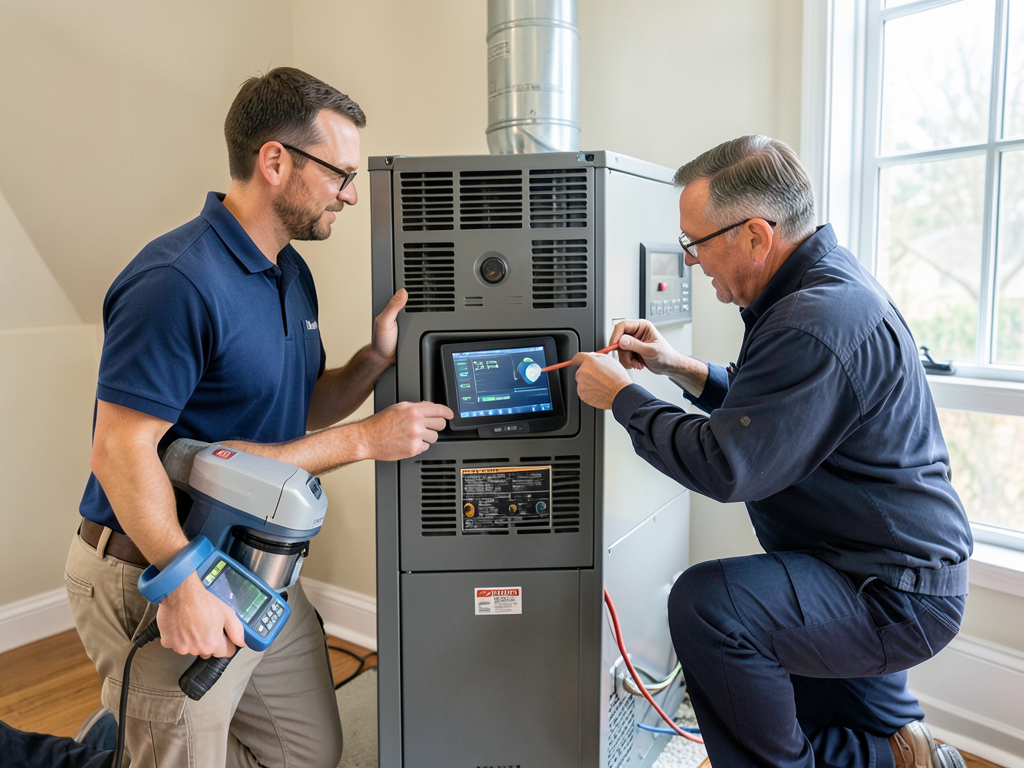
Our technicians arrive with capacitor testers, multimeters, and amp meters. We check voltage at the contactor to confirm power is reaching the fan motor. If voltage is present but the motor won't start, we test the start and run capacitors. A capacitor stores the electrical charge needed to start the motor and keep it running. When it fails, the motor hums but won't spin, or it won't make any sound at all.

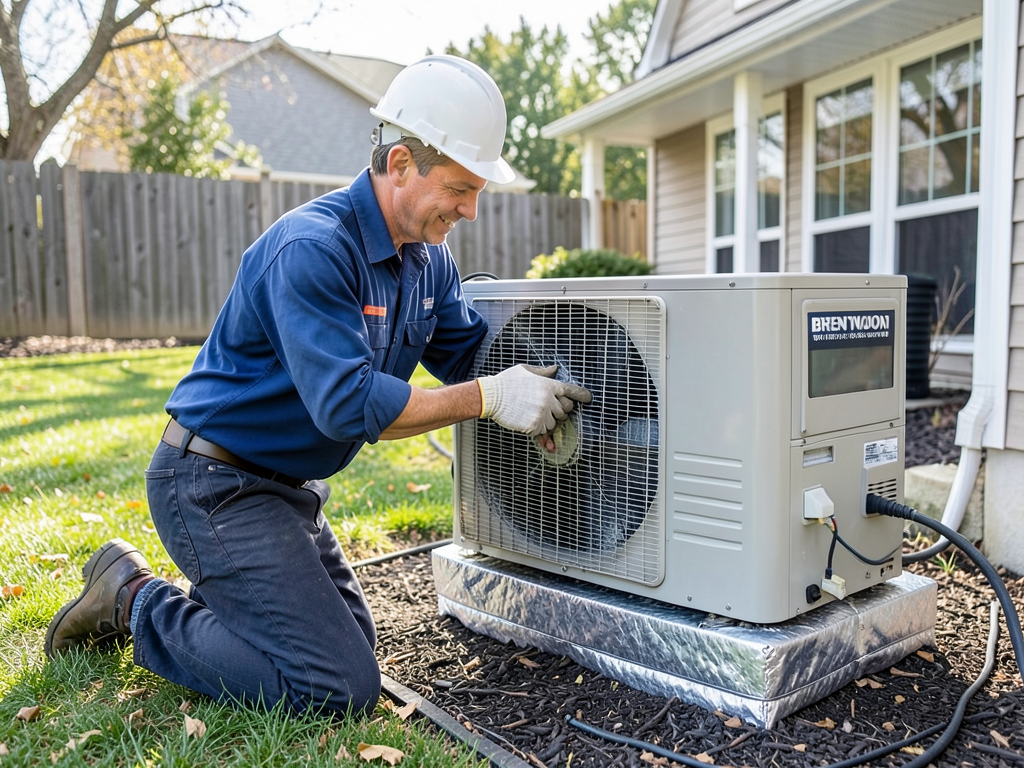
If capacitors test good, we check the motor itself. We manually spin the fan blade to feel for bearing resistance. A seized motor won't budge. A motor with weak bearings will spin but feel gritty or tight. We also check amp draw under load to see if the motor is pulling excessive current, which signals internal winding damage.

Contactors and relays get tested next. These components control power flow to the condenser fan. Pitted contacts or a failed coil can cut power even when the thermostat calls for cooling. We inspect for burn marks, measure coil resistance, and verify proper contact closure.

We also clear debris from the condenser coils and check refrigerant pressures. A condenser fan not working can be a symptom of a deeper problem. If pressures are abnormal or coils are completely blocked, we address those issues too.

Once we identify the root cause, we explain what failed, why it failed, and what we need to do to fix it. We replace failed components with OEM or equivalent parts rated for Nashville's climate. Then we test the system under full load to confirm proper operation before we leave.

What Happens When You Call About a Non-Spinning Outdoor Unit

Outdoor Unit Not Spinning in Nashville – Fast Diagnosis and Expert Repair Before the Heat Wins
01

Initial System Assessment

We arrive and immediately inspect your outdoor unit while the system is off and while it attempts to start. We listen for motor hum, check for visible damage, and measure voltage at the disconnect. This tells us if the problem is electrical, mechanical, or related to a failed component before we start disassembly.
02

Component Testing and Diagnosis

We test capacitors, contactors, fan motor windings, and control boards using calibrated diagnostic tools. Each component gets checked against manufacturer specifications. We don't replace parts based on assumptions. We verify failure through direct measurement and testing, then explain exactly what failed and why your outdoor unit fan stopped spinning.
03

Repair and Full-Load Testing

After replacing failed components, we run the system through multiple cooling cycles. We monitor fan startup, amp draw, airflow, and refrigerant pressures to confirm the repair fixed the problem completely. You get a detailed explanation of what we did, what to watch for, and how to prevent future failures through regular maintenance.

Why Nashville Homeowners Choose Alpha HVAC for Condenser Fan Repairs

We've been repairing HVAC systems in Nashville long enough to know that condenser fan failures don't follow a script. The fan that stops in Green Hills might fail for completely different reasons than one in East Nashville, even if the symptoms look identical.

Our technicians understand how Nashville's climate accelerates wear. The combination of high heat, extreme humidity, and sudden temperature swings from spring storms puts unusual stress on outdoor units. We stock capacitors, contactors, and fan motors that match the most common residential systems in Davidson County, which means we can complete most repairs in a single visit.

We also know the older neighborhoods around Germantown, Sylvan Park, and 12 South have a mix of system ages and brands. We've worked on everything from 30-year-old units that refuse to die to brand-new systems with installation defects. That experience matters when you're troubleshooting an intermittent problem or dealing with an unusual failure mode.

You won't get a sales pitch for a full system replacement unless your system is truly beyond repair. If a capacitor fix gets your outdoor unit spinning again and the rest of the system is sound, we'll tell you. If the compressor is also failing and you're looking at a major expense, we'll explain your options honestly.

We also respect your time. When you call about an outside AC fan not turning, we give you a realistic arrival window and we show up when we say we will. Our trucks carry the parts needed for the majority of condenser fan repairs, so you're not waiting days for an ordered component while your house heats up.

Local matters. We understand Nashville building codes, common installation practices from local builders, and the unique challenges of cooling homes in this region.

What to Expect When We Fix Your Non-Spinning Condenser Fan

Same-Day Service Availability

We prioritize calls about condenser fan failures because we know your AC won't cool without that fan spinning. Most repair appointments happen the same day you call, especially during peak summer months when indoor temperatures climb quickly. We schedule service windows you can count on and we call ahead when we're on the way. If you call early in the day, there's a strong chance your system will be running again before dinner.

Comprehensive Electrical and Mechanical Testing

Our diagnostic process tests every component in the condenser fan circuit. We measure capacitor microfarads, check contactor contact resistance, verify fan motor winding continuity, and test for proper voltage delivery. We also inspect the fan blade for damage and check the mounting grommets for wear. You get a clear explanation of what failed, what caused the failure, and whether other components are showing signs of wear that could cause future problems.

Quality Parts and Verified Operation

We install OEM or premium aftermarket parts rated to handle Nashville's demanding cooling season. After the repair, we test the system under full cooling load and measure fan motor amp draw to confirm it's operating within specifications. We check for proper airflow across the condenser coils and verify refrigerant pressures are normal. You'll see and hear your outdoor unit running correctly before we leave, and we'll explain what to monitor to catch future issues early.

Maintenance Guidance and Future Prevention

After fixing your condenser fan, we explain what you can do to extend the life of the repair and prevent future failures. This includes clearing debris around the unit, hosing down the condenser coils during pollen season, and scheduling preventive maintenance before the cooling season starts. We also explain warning signs that indicate a component is starting to fail, so you can catch problems early instead of dealing with another emergency shutdown.

Frequently Asked Questions

You Have Questions,
We Have Answers

Why is my outside AC unit not spinning? +

Your outside AC unit may not spin due to several issues. A tripped breaker or blown fuse cuts power to the fan motor. A failed capacitor, which stores energy to start the motor, is common in Nashville's heat-stressed systems. The contactor may be stuck or burned out, preventing electrical flow. The fan motor itself could be seized or burned. Debris like cottonwood seeds (common here in late spring) can jam the blades. A faulty thermostat may fail to signal the unit. Start by checking your breaker panel and visually inspecting the outdoor unit for obstructions before calling for service.

What is the problem if the fan is not spinning? +

When your fan does not spin, the compressor cannot cool refrigerant properly. This causes your system to overheat and shut down on safety limits. Without airflow across the condenser coils, refrigerant pressure spikes dangerously high. The compressor works harder, drawing excess amperage and risking permanent damage. In Nashville's humid summers, a non-spinning fan can cause your system to fail within hours. The root cause is usually electrical: a bad capacitor, failed motor, or faulty contactor. Do not let the unit continue running without a spinning fan, or you risk expensive compressor replacement.

Why is my AC unit humming but not spinning? +

A humming outdoor unit signals the compressor is trying to run, but the fan motor cannot start. This points directly to a failed capacitor in most cases. The capacitor provides the electrical jolt needed to spin the motor. When it weakens or dies, the motor hums but lacks torque to turn. Nashville's extreme summer heat accelerates capacitor failure. A stuck fan blade from debris or seized bearings can also cause humming. Less common causes include a failing motor or bad contactor. Turn off your system immediately to prevent compressor damage, then call a technician for diagnosis and repair.

How to fix AC unit outside fan not working? +

First, shut off power at the breaker. Remove debris from around the unit and check if the fan spins freely by hand (wear gloves). If stuck, you may have a seized motor or bent blade. If it spins freely, the issue is electrical. Check your breaker and reset if needed. A failed capacitor or contactor requires replacement by a licensed technician. Do not attempt electrical repairs yourself. In Nashville's high-humidity climate, corrosion on electrical components is common. Testing the capacitor with a multimeter shows if it holds charge. Most outdoor fan repairs take 30 to 90 minutes.

Should I turn off my AC if the fan isn't spinning? +

Yes, turn off your AC immediately if the fan is not spinning. Running the system without fan operation causes refrigerant to overheat and pressure to climb dangerously. The compressor works against this high pressure, drawing excess current and overheating internally. Within a few hours, you risk permanent compressor failure, which costs thousands to replace. In Nashville's summer heat, this damage happens fast. Shut the system down at the thermostat and breaker. Check for obvious issues like a tripped breaker or debris. Then call a technician before restarting to avoid turning a simple fan repair into a full system replacement.

What is the $5000 rule for AC? +

The dollar 5000 rule is a guideline for repair versus replacement decisions. Multiply the age of your AC unit by the cost of repair. If the result exceeds dollar 5000, replacement is often smarter financially. For example, a 12-year-old unit needing dollar 600 in repairs equals 7200, suggesting replacement. A 5-year-old unit at dollar 400 equals 2000, favoring repair. This rule considers equipment lifespan and efficiency gains. In Nashville, where units work hard against humidity and heat, older systems lose efficiency rapidly. Factor in rising energy costs and modern SEER ratings when deciding.

How do I know if my fan motor is blown? +

A blown fan motor shows clear symptoms. You hear humming but no spinning, or complete silence when the unit tries to start. The motor may feel excessively hot to touch after shutdown. Inspect for burn marks or a burnt smell near the motor housing. Use a multimeter to test for continuity across motor windings. Infinite resistance or zero continuity indicates burnt windings. Seized bearings prevent manual blade rotation even with power off. In Nashville's climate, motors fail from overheating, moisture intrusion, or bearing wear. A motor pulling zero or excessive amperage during testing confirms failure requiring replacement.

How to get a fan to spin again? +

If your fan will not spin, first shut off power and manually check rotation. Remove the top grille and spin the blades by hand wearing gloves. If they turn freely, the motor needs electrical repair, like capacitor replacement. If stuck, check for debris jamming the blades or a seized motor shaft. Spray penetrating oil (not WD-40) on motor bearings if accessible, wait 10 minutes, then try rotating again. If still stuck, the motor bearings are seized and need replacement. In Nashville, cottonwood seeds and high pollen can bind fans. Do not force rotation, or you risk bending the blade or damaging the shaft.

Can you spray WD-40 in a fan motor? +

No, do not spray WD-40 in a fan motor. WD-40 is a water displacer, not a lubricant, and attracts dust that worsens bearing problems. It breaks down quickly under heat, leaving sticky residue that binds motor components. For accessible motor bearings, use proper electric motor oil or penetrating lubricant designed for high temperatures. Most modern fan motors are sealed and require no lubrication. If your motor needs oiling, it likely has deeper issues requiring replacement. In Nashville's heat, improper lubricants accelerate motor failure. A seized motor needs professional diagnosis, not DIY spray fixes that cause more harm than good.

What is the 3 minute rule for AC? +

The 3-minute rule prevents short cycling damage to your AC compressor. After shutdown, wait at least 3 minutes before restarting the system. This allows refrigerant pressure to equalize between the high and low sides of the system. Restarting too quickly forces the compressor to start against high pressure, drawing excessive amperage and stressing internal components. Repeated short cycling shortens compressor life significantly. In Nashville's climate, where systems cycle frequently, this rule protects your equipment. Most modern thermostats enforce this delay automatically. If manually restarting after troubleshooting, always respect the 3-minute wait to avoid expensive compressor damage.

How Nashville's Brutal Summers Accelerate Condenser Fan Failures

Nashville sees extended stretches of 95-degree days with humidity levels that make heat indices climb above 105. Your condenser fan runs almost continuously during these periods, cycling on and off dozens of times per day. This constant operation wears out start capacitors faster than in cities with milder summers. Capacitors are rated for a specific number of start cycles, and Nashville's climate burns through those cycles quickly. Add in the cottonwood fluff, pollen from oak and maple trees, and general debris that clogs condenser coils, and you create conditions where motors overheat and fail prematurely. An air conditioner outdoor fan not running in July isn't just inconvenient. It's a health risk for elderly residents and anyone with respiratory issues who can't tolerate indoor temperatures in the 90s.

We've been repairing HVAC systems across Davidson County long enough to know which brands and models hold up best in this climate and which components fail first. That local knowledge means faster diagnosis and repairs that last. We understand the electrical load challenges in older neighborhoods where homes share transformers, and we know how to identify problems caused by inadequate power supply versus true component failure. When your AC condenser fan not working, you need someone who understands both the technical side and the local conditions that caused the failure. Generic HVAC knowledge doesn't cut it when you're dealing with Nashville's unique combination of heat, humidity, and electrical infrastructure quirks.
HVAC Services in The Nashville Area

Alpha HVAC is a local business dedicated to serving the entire community. Our centralized location allows us to provide swift and reliable service to all surrounding areas. Whether you need a repair, a new installation, or routine maintenance, you can trust our team to be there for you when it matters most. Explore our service area on the map below to see how we can help you with all your heating and cooling needs.

Address:
Alpha HVAC Nashville, 1001 3rd Ave N, Nashville, TN, 37201

Additional Services We Offer

Our news updates

Latest Articles & News from The Blogs

Understanding the difference between a furnace and a boiler for older Middle Tennessee homes Choosing the right heating system for…

Understanding the difference between a furnace and a boiler for older Middle Tennessee homes

Understanding the difference between a furnace and a boiler for older Middle Tennessee homes Choosing the right heating system for…

How to choose a quiet HVAC system that won't disturb your neighbors in Brentwood

How to choose a quiet HVAC system that won't disturb your neighbors in Brentwood Living in Brentwood means enjoying peaceful…

Keeping your boat house or lakeside cabin comfortable with a mini split system

Keeping your boat house or lakeside cabin comfortable with a mini split system\n\nThe humid summers and mild winters of Middle…

Contact Us

Your AC won't cool with a dead condenser fan. Call Alpha HVAC Nashville at (615) 552-1922 right now for same-day diagnostics and repair. We'll identify the problem, fix it correctly, and get your home cooling again fast.