





Menu

HVAC Maintenance & Tune-Ups in Nashville – Keep Your System Running Through Every Season

Professional heating and cooling tune ups designed for Nashville's humid summers and unpredictable winters, protecting your equipment investment and preventing costly mid-season breakdowns.

Slider Image 1
Slider Image 2
Slider Image 3
Slider Image 4
Slider Image 5
Slider Image 7
Slider Image 8
Slider Image 9
Slider Image 10
Slider Image 11

Why Nashville Systems Need Seasonal HVAC Check Ups

Nashville's climate tests your HVAC system harder than most regions. Summers bring oppressive humidity that forces your AC to work overtime, not just cooling air but wringing moisture from it. Winters swing from mild to freezing within days, demanding your furnace cycle on and off constantly. This thermal whiplash accelerates wear on components that would last longer in stable climates.

The region's clay-heavy soil shifts with seasonal moisture changes, potentially stressing ductwork connections in crawl spaces and attics. Pollen from Nashville's tree canopy clogs filters faster than expected, restricting airflow and forcing your system to strain. Add in the dust kicked up from nearby construction in expanding neighborhoods like The Nations and East Nashville, and you have a recipe for reduced efficiency.

Most Nashville homeowners discover problems when their AC fails during a July heatwave or their furnace quits on the coldest January morning. By then, you are looking at emergency service rates and uncomfortable hours waiting for repairs. HVAC preventative maintenance catches these issues early. A heating and cooling tune up before peak seasons identifies worn belts, refrigerant leaks, and electrical connections that are close to failure.

Regular AC and furnace maintenance extends equipment life by three to five years on average. An HVAC system inspection reveals efficiency losses that cost you extra on monthly utility bills. The difference between a system running at factory specs and one limping along with dirty coils and restricted airflow can add up to hundreds annually.

Why Nashville Systems Need Seasonal HVAC Check Ups
What a Complete HVAC System Inspection Includes

What a Complete HVAC System Inspection Includes

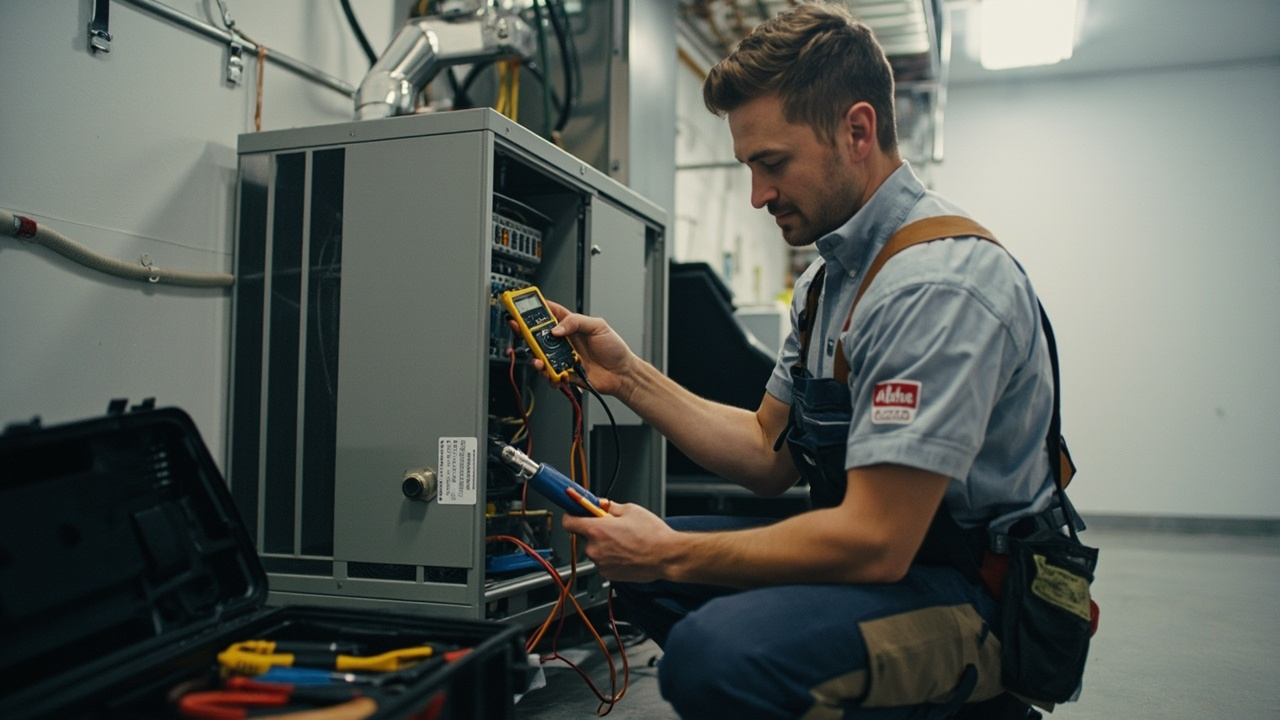
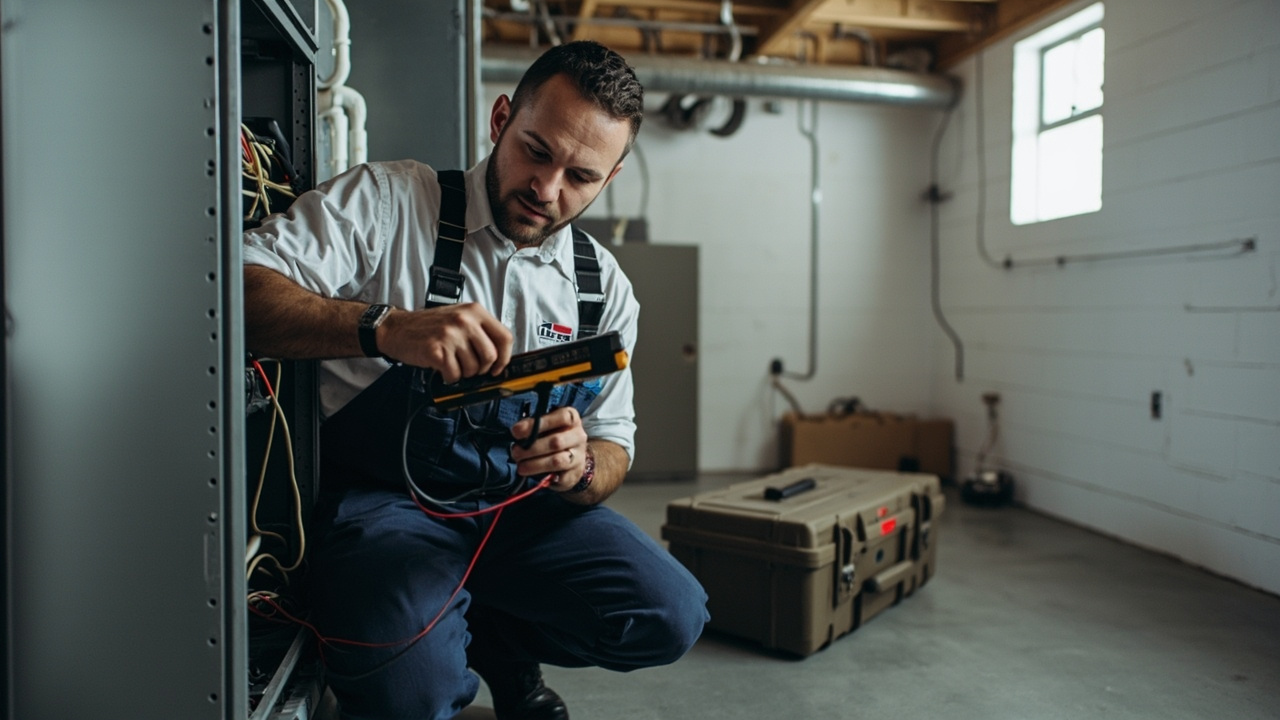
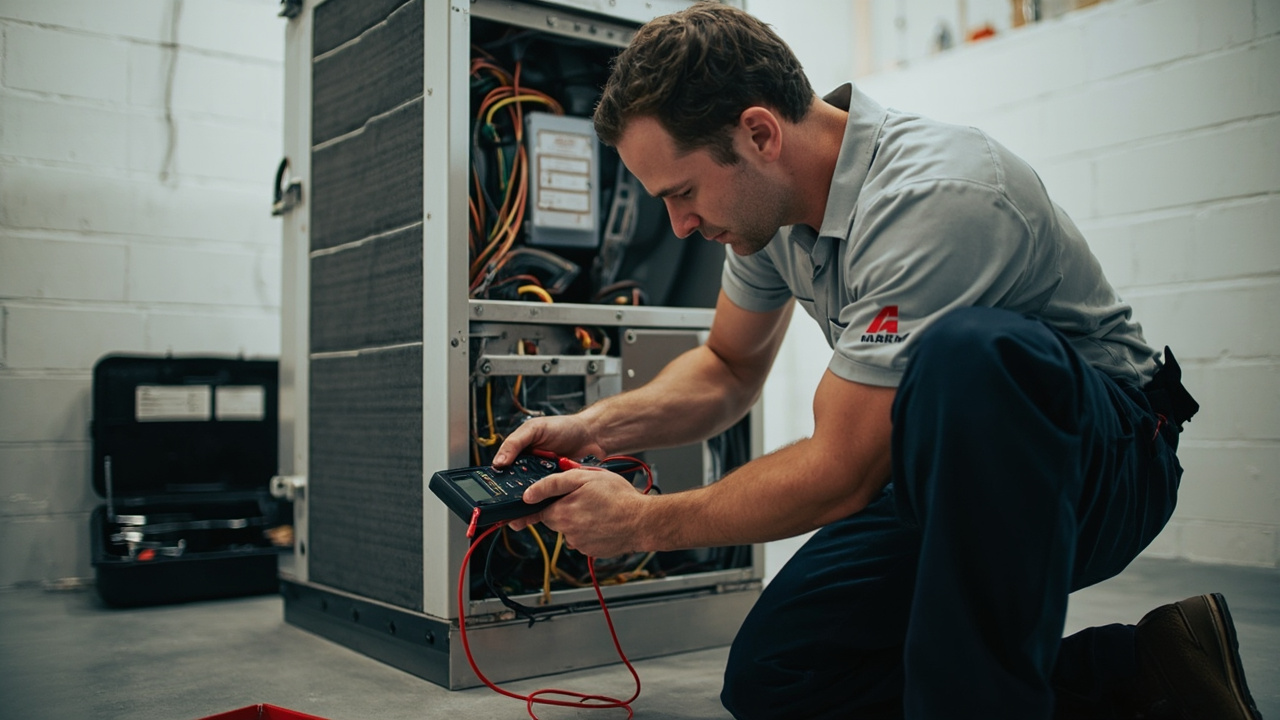
A proper seasonal HVAC check up goes beyond changing a filter and checking the thermostat. We start with electrical testing, measuring voltage and amperage at the compressor, blower motor, and capacitors. Capacitors degrade over time and are the most common failure point in Nashville systems that cycle frequently. A capacitor reading outside tolerance means imminent failure, usually at the worst possible time.

Next comes refrigerant assessment. We measure subcooling and superheat to verify your system holds the correct charge. Low refrigerant indicates a leak that will only worsen. Overcharged systems run inefficiently and damage the compressor over time. Both conditions waste energy and shorten equipment life.

Airflow measurement tells us if your ductwork delivers the CFM your equipment needs. We inspect evaporator coils for buildup that acts like insulation, preventing heat transfer. Outdoor condenser coils accumulate cottonwood seeds, grass clippings, and the infamous Nashville pollen. A coating just an eighth-inch thick reduces efficiency by 20 percent.

Heat exchanger inspection on furnaces checks for cracks that leak carbon monoxide. This is critical safety work, not optional. We test combustion efficiency, clean burners, and verify proper venting. Gas pressure at the manifold must match manufacturer specs or you get incomplete combustion and wasted fuel.

We lubricate bearings, tighten electrical connections that work loose from vibration, test safety controls, and calibrate thermostats. Drain lines get flushed since algae growth in Nashville's humid climate causes 90 percent of secondary pan overflows. Each step addresses specific failure modes common to systems operating in Middle Tennessee conditions.

How Your Maintenance Visit Works

HVAC Maintenance & Tune-Ups in Nashville – Keep Your System Running Through Every Season
01

System Performance Baseline

We run your system through a complete cycle while measuring temperature splits, static pressure, and electrical draws. These baseline readings tell us how your equipment performs today compared to factory specifications. Deviations point us toward developing problems. We document everything so you can track system health over time and make informed decisions about repairs versus replacement.
02

Component Testing and Cleaning

Each major component gets individual attention. We test capacitors with meters, not just visually. Contactors are inspected for pitting. Coils are cleaned with appropriate solutions that remove buildup without damaging fins. Blower wheels are pulled and cleaned if needed since even a quarter-inch of dust creates imbalance and noise. Filter fit is verified because gaps let unfiltered air bypass, coating your coils.
03

Findings Report and Recommendations

You receive a written report detailing what we found, what we corrected during the visit, and what issues need attention. We prioritize recommendations by urgency and safety. Critical items like cracked heat exchangers or failing capacitors get flagged immediately. Efficiency improvements and minor issues are noted for future planning. You make decisions with complete information, never pressure.

Why Nashville Homeowners Trust Alpha HVAC Nashville

We built our reputation on straight answers and work that lasts. You will not hear sales pitches for unnecessary replacements or scare tactics about minor issues. Our technicians carry diagnostic equipment that provides real data, not guesses. When we say your heat exchanger has a crack or your compressor is drawing excessive amps, we show you the readings and explain what they mean.

Nashville's building stock ranges from historic Germantown homes with gravity furnaces to new construction in Wedgewood-Houston with high-efficiency heat pumps. We have worked on every configuration. That experience matters when your 1920s bungalow needs ductwork modifications or your modern split-level has zoning issues. Generic approaches fail in real-world applications.

Our maintenance plans are structured around Nashville's climate patterns. We schedule your AC tune up in spring before humidity peaks and furnace service in fall before cold snaps hit. This timing catches problems while parts are readily available and before emergency call volume spikes. You avoid the rush and get appointment times that work for your schedule.

We stock parts for major brands because waiting three days for a capacitor during a heatwave is unacceptable. Our trucks carry the components that fail most often in Nashville systems. Many repairs identified during maintenance visits are completed the same day, restoring your system to peak efficiency immediately.

Alpha HVAC Nashville operates transparently. Our invoices itemize every task performed during maintenance visits. You see exactly what you paid for. We stand behind our work because we do it right the first time, using proper procedures instead of shortcuts that create future callbacks.

What Your Maintenance Visit Delivers

Scheduling That Fits Your Life

We offer morning, afternoon, and Saturday appointments. Maintenance visits typically take 90 minutes to two hours depending on system size and accessibility. We call 30 minutes before arrival so you are not waiting around all day. If we discover issues requiring additional time, we discuss options before proceeding. Most customers schedule both their spring AC tune up and fall furnace service at once, locking in preferred times before seasonal rushes fill the calendar.

Thorough Inspection Process

Every maintenance visit follows a documented checklist covering 32 inspection points for AC systems and 28 for furnaces. We do not skip steps to save time. Technicians photograph issues when relevant so you see what we see. Refrigerant pressures, electrical readings, and combustion efficiency numbers are recorded in your service history. This data reveals trends over time, helping predict component life expectancy and plan for eventual replacement before emergency failure forces rushed decisions.

Peak Performance Restoration

A properly maintained system delivers the comfort you paid for when you bought it. Your temperature swings decrease. Humidity control improves. Noise from worn bearings or loose panels disappears. Energy bills drop because your equipment runs at designed efficiency instead of fighting restriction and imbalance. You feel the difference immediately in system response time and consistency. Equipment that struggled to keep up suddenly handles demand with ease, even during Nashville's most extreme weather.

Protection Beyond the Visit

Our maintenance customers receive priority scheduling if problems develop between visits. You move to the front of the callback list because we value the relationship. We maintain detailed service records accessible to any technician who responds, eliminating repeated explanations of your system history. Many customers opt for our annual maintenance agreements covering both seasonal tune ups at a reduced rate with additional perks like waived diagnostic fees and parts discounts on repairs.

Frequently Asked Questions

You Have Questions,
We Have Answers

What does an HVAC tune up include? +

A tune-up includes inspecting and cleaning your system's key components. Technicians check refrigerant levels, test thermostat accuracy, inspect electrical connections, clean condenser coils, and replace air filters. They lubricate moving parts, check the blower motor, and test safety controls. In Nashville's humid climate, drain lines get special attention to prevent algae buildup and clogs. Technicians measure airflow, check ductwork for leaks, and test the capacitor and contactor. You get a full system evaluation that identifies small issues before they become expensive repairs. The tune-up keeps your system running efficiently through hot summers and cold winters.

What is the average cost of an HVAC tune up? +

HVAC tune-ups in Nashville range from $80 to $200 per visit, depending on system type and complexity. Most residential tune-ups fall between $100 and $150. Dual systems with both heating and cooling components cost more than single units. Service plans that include biannual tune-ups often reduce the per-visit cost. Commercial systems require more time and specialized knowledge, increasing the price. The cost covers labor, diagnostics, and minor adjustments. Filter replacement and refrigerant top-offs may cost extra. Regular tune-ups prevent expensive emergency repairs and extend equipment life, making them a smart investment for Nashville homeowners.

What is the $5000 rule for HVAC? +

The $5000 rule helps you decide between repairing or replacing an HVAC system. Multiply the repair cost by your system's age. If the total exceeds $5000, replacement makes more financial sense. For example, a $400 repair on a 10-year-old system equals $4000, so repair it. A $600 repair on a 12-year-old system equals $7200, so replace it. This rule accounts for diminishing returns on older equipment. In Nashville's climate, systems work hard year-round, aging faster than in milder regions. The rule provides a clear decision framework, but energy efficiency and refrigerant type also matter.

What is the difference between HVAC tune up and maintenance? +

The terms overlap but have slight differences. A tune-up focuses on optimizing performance through cleaning, adjustments, and testing. Think of it as preventive care. Maintenance is broader and includes tune-ups plus filter changes, seasonal prep, and ongoing monitoring. Some contractors use the terms interchangeably. What matters is the scope of work. A comprehensive service includes inspecting all components, cleaning coils, checking refrigerant, testing electrical connections, and calibrating thermostats. In Nashville, maintenance should happen twice yearly to handle both heating and cooling demands. Ask your contractor exactly what they include to avoid surprises.

What is the average cost of a full tune-up? +

A full HVAC tune-up in Nashville costs between $100 and $200 for residential systems. The price depends on system size, age, and accessibility. Split systems with separate indoor and outdoor units take longer than packaged units. Service agreements that bundle spring and fall tune-ups often reduce per-visit costs. Commercial tune-ups start higher due to larger equipment and longer service times. The investment pays off through lower utility bills, fewer breakdowns, and extended equipment life. Nashville's high humidity and temperature swings put extra stress on HVAC systems, making regular tune-ups essential for reliability and efficiency.

Is a HVAC tune-up worth it? +

Yes, HVAC tune-ups are worth the investment. Regular maintenance reduces energy bills by 15 to 20 percent by keeping your system running efficiently. Tune-ups catch small problems before they become expensive emergency repairs. You avoid sudden breakdowns during Nashville's sweltering summers or freezing winter nights. Systems last longer with routine care, delaying costly replacements. Tune-ups also improve indoor air quality by keeping coils clean and ensuring proper airflow. Most manufacturers require regular maintenance to keep warranties valid. For the modest cost of a tune-up, you get peace of mind, lower bills, and a comfortable home year-round.

What is the 3 minute rule for AC? +

The 3-minute rule protects your compressor from damage. After your AC shuts off, wait at least three minutes before restarting it. This allows refrigerant pressure to equalize between the high and low sides of the system. Restarting too quickly forces the compressor to start against high pressure, straining the motor and shortening its life. Modern thermostats include built-in delays to enforce this rule automatically. In Nashville's climate, your AC cycles frequently during summer. The 3-minute delay prevents premature compressor failure, which is one of the most expensive HVAC repairs you can face.

What is the lifespan of an HVAC system? +

HVAC systems last 15 to 20 years with proper maintenance. In Nashville, systems may wear faster due to high humidity and year-round use. Heat pumps handle both heating and cooling, working harder than single-function systems, which can reduce their lifespan. Furnaces often last 20 to 25 years, while air conditioners average 15 to 18 years. Regular tune-ups, prompt repairs, and quality installation extend equipment life. Neglected systems fail sooner and run inefficiently. By the 15-year mark, evaluate repair costs against replacement benefits. Newer systems offer better efficiency and lower operating costs.

What does HVAC maintenance include? +

HVAC maintenance includes inspecting, cleaning, and adjusting all system components. Technicians check refrigerant levels, clean condenser and evaporator coils, replace filters, and test electrical connections. They inspect ductwork for leaks, calibrate thermostats, and lubricate moving parts. Drain lines get flushed to prevent clogs, especially important in Nashville's humid climate. Safety controls are tested, airflow is measured, and blower assemblies are cleaned. Maintenance should happen twice yearly to prepare for heating and cooling seasons. Regular service prevents breakdowns, improves efficiency, extends equipment life, and maintains indoor air quality. It keeps your system running reliably through Nashville's hot summers and cold winters.

What is the 2 foot rule for HVAC? +

The 2-foot rule requires maintaining at least two feet of clearance around outdoor HVAC units. This space ensures proper airflow, which is essential for efficient operation. Obstructions like shrubs, fences, or storage items restrict airflow, forcing the system to work harder and increasing energy costs. Poor clearance also traps moisture and debris, leading to corrosion and clogged coils. In Nashville, where humidity is high, good airflow prevents mold and rust. The clearance also gives technicians room to service the unit. Keep grass trimmed, leaves raked, and objects moved back to maintain efficiency and extend equipment life.

How Nashville's Humidity and Temperature Swings Affect HVAC Maintenance Needs

Middle Tennessee experiences relative humidity above 70 percent for much of the summer, forcing AC systems to run longer dehumidification cycles than cooling alone would require. This extended runtime accelerates wear on contactors, capacitors, and compressor bearings. Condensate production overwhelms drain lines faster, making algae prevention and trap cleaning essential during seasonal HVAC check ups. Winter temperature fluctuations between 20 and 60 degrees in the same week create stress on heat exchangers and ignition systems that cycle repeatedly. Nashville equipment works harder than systems in stable climates, making preventative maintenance more critical for longevity.

Nashville operates under Tennessee mechanical codes requiring specific clearances, venting standards, and safety controls. Our technicians stay current on these requirements and recognize installations that predate current code when evaluating older systems. We understand how local builders typically route ductwork in crawl spaces common to Nashville construction and identify the shortcuts that create problems years later. Choosing a maintenance provider familiar with regional construction methods and climate-specific failure patterns means getting service that addresses real issues, not generic checklist items that miss Nashville-specific problems.
HVAC Services in The Nashville Area

Alpha HVAC is a local business dedicated to serving the entire community. Our centralized location allows us to provide swift and reliable service to all surrounding areas. Whether you need a repair, a new installation, or routine maintenance, you can trust our team to be there for you when it matters most. Explore our service area on the map below to see how we can help you with all your heating and cooling needs.

Address:
Alpha HVAC Nashville, 1001 3rd Ave N, Nashville, TN, 37201

Additional Services We Offer

Our news updates

Latest Articles & News from The Blogs

Why an Energy Recovery Ventilator (ERV) is Essential for Tight New Builds in Wedgewood-Houston Modern construction in Nashville’s Wedgewood-Houston neighborhood…

Why an Energy Recovery Ventilator (ERV) is Essential for Tight New Builds in Wedgewood-Houston

Why an Energy Recovery Ventilator (ERV) is Essential for Tight New Builds in Wedgewood-Houston Modern construction in Nashville’s Wedgewood-Houston neighborhood…

Comparing Goodman and Amana Performance for Budget Conscious Nashville Homeowners

Why Nashville Homeowners Choose Between Goodman and Amana Both Goodman and Amana offer reliable heating and cooling systems that fit…

Choosing the Right HVAC System for Your New Luxury Pool House in Belle Meade

Choosing the Right HVAC System for Your New Luxury Pool House in Belle Meade Building a luxury pool house in…

Contact Us

Do not wait until your system fails during extreme weather. Call Alpha HVAC Nashville at (615) 552-1922 to schedule your heating and cooling tune up. We will get your equipment ready for the season ahead and catch problems while they are still small and affordable.