





La Vergne sits in Middle Tennessee where summer heat and winter freezes put constant stress on heating and cooling systems. July temperatures regularly push past 90 degrees with humidity that makes your air conditioner work overtime. Winter brings freezing nights that test furnace reliability. This climate swing means your HVAC system runs hard most of the year.
The area's red clay soil shifts with moisture changes, which can stress ductwork connections in crawl spaces and cause air leaks. Homes near Percy Priest Lake deal with extra humidity that strains dehumidification systems. Neighborhoods around Veterans Parkway face road dust that clogs filters faster than usual.
Your system needs to handle these local challenges without breaking down. Equipment that works fine in milder climates struggles here. That window unit might get you through spring, but it won't survive a Tennessee August. A furnace that skips annual maintenance will fail when temperatures drop to 20 degrees. La Vergne homes need HVAC systems maintained by technicians who understand how local conditions affect equipment performance and longevity.
Alpha HVAC Nashville has served Rutherford County homes for years, building a reputation for showing up when we say we will and fixing problems the right way. We know La Vergne because we work here every day. We know which neighborhoods have older ductwork that needs attention. We know which subdivisions have builder-grade equipment reaching end of life. We know the HVAC challenges specific to homes near the lake versus homes on the east side near Smyrna.
Our technicians arrive with fully stocked trucks so we can complete most repairs in one visit. We don't make multiple trips for parts or drag out simple fixes. You get a clear diagnosis, honest pricing before we start work, and a repair that holds up. No surprises on the bill. No pressure to replace equipment that still has good years left.
We focus on HVAC only. No plumbing side jobs or electrical work that splits our attention. Every technician completes ongoing training on residential heating and cooling systems. They can diagnose problems other companies miss because they see these systems every single day. When your air conditioner stops cooling or your heat pump makes strange noises, you want someone who has fixed that exact problem dozens of times.
We answer our phones. You talk to our local team, not a call center three states away. When you need emergency service at 11 PM on Sunday, a real person picks up and dispatches a technician. That matters when your family is sweating through a July night or shivering through a January morning.

HVAC emergencies happen at the worst times. We dispatch technicians to La Vergne homes within hours, including nights and weekends. Our trucks carry common parts for immediate repairs. You don't wait days in an uncomfortable house while we order components or shuffle schedules. We respond fast and restore your comfort.

We tell you exactly what's wrong and what it costs to fix before touching your system. No bait and switch pricing. No pressure to replace equipment that can be repaired. If your 8-year-old air conditioner needs a capacitor, we replace the capacitor. We don't scare you into buying a new system you don't need yet.
Every technician focuses exclusively on residential heating and cooling. They don't split time doing plumbing or electrical work. This specialization means faster diagnosis and better repairs. They have seen your exact problem multiple times and know the right fix. Training stays current with new equipment and refrigerants entering the market.
We work in La Vergne neighborhoods every day. We know local building practices, common ductwork issues in older subdivisions, and how Percy Priest Lake humidity affects system performance. This local knowledge helps us diagnose problems faster and recommend solutions that actually work for your specific home and location.
Alpha HVAC Nashville handles everything your heating and cooling system needs. Emergency breakdowns at 2 AM. Routine maintenance that prevents those breakdowns. Full system replacements when equipment reaches the end of its useful life. Indoor air quality improvements that help families breathe easier.
We service all residential HVAC equipment types. Central air conditioning and gas furnaces in traditional split systems. Heat pumps that handle both heating and cooling. Ductless mini-splits in home additions. Older systems that other companies won't touch and brand-new high-efficiency equipment.
Our service range covers immediate crisis response and long-term system care. You might need emergency AC repair on a Saturday afternoon. You might need seasonal maintenance to keep your furnace running through winter. You might need a complete system evaluation to decide between repair and replacement. We handle all of it with the same attention and expertise, giving La Vergne homeowners one reliable company for every HVAC need.
Air conditioners quit during heat waves. Furnaces fail on the coldest nights. We dispatch technicians quickly to diagnose the problem and get your system running again. Our trucks stock common repair parts so we can fix most issues immediately without ordering components or scheduling return visits. You get cooling or heating restored fast, often the same day you call, even on weekends and holidays when other companies don't answer.
Regular HVAC maintenance catches small problems before they become expensive failures. We inspect your system twice a year, cleaning components, checking refrigerant levels, testing safety controls, and replacing worn parts. This keeps your air conditioner and furnace running efficiently and reliably. Most emergency breakdowns happen because systems skip maintenance. Scheduled service reduces your risk of sweating through summer or freezing through winter while waiting for emergency repairs.
Equipment eventually wears out. Air conditioners typically last 12 to 15 years. Furnaces run 15 to 20 years. When major components fail on older systems, replacement often costs less than repair over the next few years. We help you evaluate options, size equipment correctly for your home, and install new systems that improve comfort and reduce energy bills. Installation follows manufacturer specifications exactly so your warranty stays valid.
La Vergne's climate creates specific challenges for home comfort systems. Summer humidity puts extra load on air conditioners that must cool air and remove moisture. Winter temperature swings force furnaces to cycle frequently, wearing components faster. Spring and fall bring pollen that clogs filters and reduces airflow.
The area's construction patterns create issues too. Many subdivisions were built during periods when builders installed minimum-efficiency equipment to keep costs down. Those systems are now 15 to 20 years old and failing. Homes with crawl spaces see ductwork problems from settling foundations and moisture. Properties near Percy Priest Lake fight constant humidity that strains dehumidification capacity.
These problems show up as specific symptoms. Your air conditioner runs constantly but never cools the house adequately. Your furnace short cycles, turning on and off repeatedly without heating properly. Some rooms stay hot while others get too cold. Energy bills climb without explanation. Strange noises come from equipment or vents. Understanding these common issues helps you recognize when your system needs professional attention before a minor problem becomes a major breakdown.
Your AC runs constantly but indoor temperatures stay uncomfortable. Common causes include low refrigerant from leaks, failed capacitors that prevent the compressor from running at full capacity, clogged condensers from cottonwood seeds and pollen, or ductwork leaks that dump cool air into crawl spaces. Tennessee summers demand full cooling capacity. Partial cooling means your family suffers and energy bills spike.
Short cycling wears out furnace components quickly and leaves your home unevenly heated. Causes include dirty flame sensors, failed limit switches, incorrect thermostat placement, or oversized equipment that heats too quickly. This problem wastes energy and shortens equipment life. Your furnace might fail completely during the next cold snap if the underlying issue isn't fixed.
One bedroom stays hot while the living room freezes. This usually points to ductwork problems, blocked vents, or poor system balance. Homes with additions often have inadequate duct sizing to the new space. Two-story homes naturally struggle with temperature differences. Proper diagnosis identifies whether you need duct modifications, damper adjustments, or zone controls to balance airflow throughout your house.
Grinding, squealing, banging, or rattling sounds indicate mechanical problems that need immediate attention. Blower motor bearings wear out. Compressors fail. Ductwork comes loose. Debris gets into outdoor units. These noises get louder as damage progresses. Catching problems early often means simple repairs instead of complete component replacement. Ignoring strange sounds leads to total system failure at the worst possible time.
You need your HVAC problem fixed quickly without surprises or runaround. Our process focuses on clear communication, fast service, and repairs that last. You talk to real people who answer questions honestly. Technicians arrive on time with proper equipment and parts. You get straightforward explanations about what's wrong and what it costs to fix.
We treat your home with respect. Technicians wear shoe covers and use floor protection. They clean up completely when finished. You won't find parts packaging or debris left behind. Your home looks exactly as it did before we arrived, except your HVAC system works correctly again.
Our goal is fixing your problem right the first time so you stay comfortable year-round. That means correct diagnosis, quality parts, and proper repair procedures. We don't rush through jobs or cut corners. The few extra minutes spent doing it right prevent callbacks and keep your system running reliably for years.
You talk to our local team when you call, not an outsourced call center. We answer questions about service timing, pricing structure, and what to expect. If you need emergency service, we tell you the realistic arrival time and keep you updated if anything changes. Technicians call before arriving so you're not waiting around wondering when they'll show up. You know what's happening at every step.
Our technician examines your system thoroughly to identify the actual problem, not just symptoms. You get a clear explanation of what's wrong in plain language, not technical jargon meant to confuse you. We provide written pricing for recommended repairs before starting work. You decide whether to proceed. No surprise charges appear on the final bill. The price we quote is the price you pay.
We use quality replacement parts that hold up under Tennessee climate stress. Repairs follow manufacturer specifications and industry best practices. Work gets done right so your system runs reliably. We stand behind our repairs with real warranties that protect you if something goes wrong. You have recourse if a repair fails, unlike companies that disappear after collecting payment.
We keep the process straightforward. You call with a problem. We send a qualified technician. They fix your system. No bureaucracy, no delays, no confusion about what happens next.
Call (615) 552-1922 to describe your HVAC problem. Our team asks questions to understand the symptoms and urgency. We schedule service at your earliest convenience for routine work or dispatch immediately for emergencies. You receive a service window and contact information for your assigned technician. We confirm the appointment and provide updates if timing changes. Simple scheduling with no hassle.
Your technician arrives on time, examines your system, and identifies the problem. They explain what's wrong and what it costs to fix using clear language you can understand. Once you approve the work, they complete repairs efficiently using proper parts and procedures. Most repairs finish the same visit. You see the problem get fixed and your system tested to confirm proper operation.
The technician tests your system thoroughly to verify the repair solved the problem. They explain what was done and answer any questions about operation or maintenance. You receive documentation of the repair and warranty information. We follow up to make sure your system continues running properly. If any issues arise with the repair, we return promptly to make it right at no additional cost.
Professional HVAC work follows specific technical standards and building codes. Tennessee requires proper licensing, insurance, and permits for mechanical work on residential systems. Refrigerant handling requires EPA certification under Section 608 regulations. Installation and repairs must meet manufacturer specifications to maintain warranty coverage and ensure safe operation.
Air conditioning service involves precise refrigerant charging. Systems need exact refrigerant amounts based on line length, outdoor temperature, and subcooling measurements. Overcharging reduces efficiency and damages compressors. Undercharging prevents adequate cooling and causes ice buildup on evaporator coils. Proper charging requires manifold gauges, temperature probes, and understanding of superheat and subcooling calculations for the specific refrigerant type.
Furnace safety checks verify proper combustion, adequate ventilation, and functioning safety controls. Gas furnaces must maintain correct gas pressure at the valve. Heat exchangers need inspection for cracks that could leak carbon monoxide into living spaces. Limit switches prevent overheating. Flame sensors shut down burners if flame isn't detected. These safety systems protect your family from fire and poisoning hazards.
Ductwork quality affects system performance significantly. Leaky ducts waste 20 to 30 percent of conditioned air in typical homes. Proper sealing uses mastic or approved tapes, not standard duct tape which fails quickly. Ducts in unconditioned spaces need adequate insulation to prevent energy loss. Return air pathways require sufficient size to avoid restricted airflow that damages equipment and reduces comfort.
Load calculations determine correct equipment sizing. Oversized systems short cycle, causing poor humidity control and uneven temperatures. Undersized systems run constantly and never maintain comfort during extreme weather. Manual J calculations account for home size, insulation levels, window area and quality, air infiltration rates, and local climate data. This precision prevents the comfort problems and high energy costs that come from improperly sized equipment.
EPA Section 608 certification is required for anyone handling refrigerants. Proper refrigerant recovery prevents environmental damage and legal penalties. Adding refrigerant without fixing leaks wastes money and violates regulations. Modern systems use R-410A refrigerant which requires different procedures than older R-22 systems. Refrigerant must be charged by weight or superheat method, not guesswork.
Repair costs depend on which component failed and system accessibility. Replacing a capacitor costs much less than replacing a compressor. Systems in tight crawl spaces take longer to service. Older equipment may need discontinued parts that cost more. Emergency service outside business hours carries premium pricing. Preventive maintenance costs far less than emergency repairs because it catches problems early.
Most repairs complete in two to four hours once the technician arrives and diagnoses the problem. Simple fixes like thermostat replacement or capacitor changes take under an hour. Complex repairs involving refrigerant leaks or control board replacement take longer. Complete system replacement typically requires one to three days depending on complexity. Maintenance visits usually finish in 60 to 90 minutes.
Tennessee requires proper contractor licensing for HVAC work. Technicians need EPA certification for refrigerant handling. Legitimate companies carry liability insurance and workers compensation to protect homeowners from financial risk if accidents occur. Permits are required for equipment replacement and major modifications. Working with properly licensed and insured contractors protects you legally and financially.
This video explains common HVAC problems in La Vergne, Tennessee and how climate conditions affect residential heating and cooling systems. Topics include air conditioning repair, furnace service, ductwork issues, refrigerant charging procedures, and maintenance practices that prevent emergency breakdowns. Viewers learn what quality HVAC service includes, proper technical standards for refrigerant handling and combustion safety, and factors affecting repair versus replacement decisions for aging equipment.
Alpha HVAC Nashville serves every neighborhood in La Vergne and throughout the greater Rutherford County area. We work daily in established neighborhoods along Murfreesboro Road where homes from the 1980s and 1990s often need system replacements as original equipment reaches end of life. The subdivisions near Veterans Parkway include newer construction with builder-grade HVAC systems that benefit from professional maintenance to maximize their lifespan.
We service homes throughout the areas near Percy Priest Lake where humidity control becomes especially important. Properties close to the water face constant moisture that strains dehumidification capacity and requires more frequent filter changes. The eastern sections of La Vergne toward Smyrna share similar climate challenges and construction styles, making our experience in one area directly applicable to the other.
Neighborhoods along Old Nashville Highway include a mix of older homes on larger lots and newer developments. These areas sometimes have ductwork challenges where additions were built without properly expanding the HVAC system. We help homeowners in these situations evaluate whether their current equipment can handle the added load or if upgrades make more sense than constant repairs.
The areas near Interstate 24 and Waldron Road continue growing with new subdivisions. These homes typically have modern high-efficiency systems that require different service approaches than older equipment. Our technicians stay current on new technology so we can service everything from 25-year-old furnaces to brand-new variable-speed heat pumps.
We also serve surrounding communities including Smyrna, Antioch, and Murfreesboro. Rutherford County homes face similar climate challenges and construction patterns. Our trucks cover the entire area, so location never prevents us from providing fast service when your system fails or needs maintenance. Whether you live in central La Vergne or on the outskirts toward Rutherford County borders, we respond quickly with the same quality service and technical expertise.
La Vergne's summer humidity reaches 70-90%, which makes your AC work harder to remove moisture from the air. Your system must cool the air and extract water vapor at the same time. If your AC seems to run constantly, it's fighting this high moisture load. An undersized unit or dirty coils make this problem worse. Your evaporator coil needs proper airflow to condense humidity effectively. When filters get clogged or refrigerant runs low, moisture removal drops while energy use climbs. Regular maintenance keeps your system handling humidity efficiently through Tennessee's sticky summers.
Replace your filter every 30-60 days in La Vergne. The humid climate and frequent system use create more airflow resistance. Homes with pets need monthly changes. If you run your AC or heat daily, check the filter every three weeks. A dirty filter blocks airflow and forces your system to work harder. This leads to higher energy bills and premature equipment failure. Standard fiberglass filters last about 30 days. Pleated filters handle 60-90 days in light use. Set a phone reminder to check your filter on the first day of each month.
Most La Vergne homes need 2-5 tons of cooling capacity. A 1,500 square foot home typically requires a 2.5-3 ton unit. Proper sizing depends on insulation quality, window count, ceiling height, and sun exposure. An oversized system cycles on and off too frequently, failing to remove humidity. An undersized unit runs constantly and never reaches comfortable temperatures. Your home needs a Manual J load calculation to determine exact requirements. This assessment accounts for local climate data, home construction, and ductwork efficiency. Proper sizing ensures comfort and efficiency year-round.
La Vergne's summer humidity reaches 70-90%, which makes your AC work harder to remove moisture from the air. Your system must cool the air and extract water vapor at the same time. If your AC seems to run constantly, it's fighting this high moisture load. An undersized unit or dirty coils make this problem worse. Your evaporator coil needs proper airflow to condense humidity effectively. When filters get clogged or refrigerant runs low, moisture removal drops while energy use climbs. Regular maintenance keeps your system handling humidity efficiently through Tennessee's sticky summers.
Replace your filter every 30-60 days in La Vergne. The humid climate and frequent system use create more airflow resistance. Homes with pets need monthly changes. If you run your AC or heat daily, check the filter every three weeks. A dirty filter blocks airflow and forces your system to work harder. This leads to higher energy bills and premature equipment failure. Standard fiberglass filters last about 30 days. Pleated filters handle 60-90 days in light use. Set a phone reminder to check your filter on the first day of each month.
Most La Vergne homes need 2-5 tons of cooling capacity. A 1,500 square foot home typically requires a 2.5-3 ton unit. Proper sizing depends on insulation quality, window count, ceiling height, and sun exposure. An oversized system cycles on and off too frequently, failing to remove humidity. An undersized unit runs constantly and never reaches comfortable temperatures. Your home needs a Manual J load calculation to determine exact requirements. This assessment accounts for local climate data, home construction, and ductwork efficiency. Proper sizing ensures comfort and efficiency year-round.
HVAC replacement expenses in La Vergne depend on system size, efficiency rating, and installation complexity. Your investment varies based on whether you need ductwork modifications, electrical upgrades, or thermostat improvements. Higher SEER ratings reduce monthly operating expenses but increase upfront investment. System capacity affects pricing, with larger homes requiring bigger units. Additional features like variable-speed technology or smart thermostats add to the total. Get three written estimates from licensed contractors to compare equipment quality and installation scope. Focus on long-term value and energy savings when evaluating your options.
Most La Vergne homes benefit from whole-home dehumidifiers. Your AC removes some moisture, but it's not designed for humidity control. When humidity stays above 60%, you feel sticky and uncomfortable even at lower temperatures. A dedicated dehumidifier works with your AC to maintain 40-50% relative humidity. This protects wood floors, prevents mold growth, and improves air quality. Homes with basements, large square footage, or poor ventilation need them most. Your system will run more efficiently when it doesn't handle all humidity removal alone. This upgrade pays off in comfort and lower cooling bills.
HVAC systems in La Vergne last 12-15 years with proper maintenance. The humid climate and heavy summer use create wear on components. Systems without regular service fail sooner, often within 10 years. Your compressor, blower motor, and coils take the most stress from constant operation. Annual tune-ups extend equipment life by catching small problems before they cause major failures. Heat pumps work year-round and typically need replacement after 12-14 years. Furnaces last 15-20 years because they operate only during winter months. Quality installation and consistent filter changes maximize your system's lifespan.
High heating bills in La Vergne winters come from air leaks, poor insulation, or inefficient equipment. Your home loses heat through unsealed windows, doors, and attic spaces. When outdoor temperatures drop to 20-30 degrees, your system works overtime to maintain comfort. Older furnaces and heat pumps lose efficiency as components wear out. Dirty filters restrict airflow and make your system run longer. Leaky ductwork wastes 20-30% of heated air before it reaches your rooms. A programmable thermostat prevents heating empty spaces. Seal air leaks and add attic insulation to cut your winter energy use significantly.
Replace your HVAC unit if it's over 12 years old and needs major repairs. When repair expenses exceed 50% of replacement value, new equipment makes better financial sense. Frequent breakdowns mean more problems are coming soon. If your system uses R-22 refrigerant, replacement saves money because this coolant is expensive and phased out. Energy bills climbing 15-20% signal declining efficiency. New systems operate 30-40% more efficiently than models from 2010. Get a professional assessment of your equipment's condition, expected remaining life, and repair frequency before deciding. Compare five-year ownership expenses for both options.
Schedule professional maintenance in April or early May before temperatures climb. A technician will clean your condenser coils, check refrigerant levels, and test electrical connections. Replace your filter and clear debris from around your outdoor unit. Trim plants and grass back 2 feet for proper airflow. Clean supply and return vents inside your home. Test your thermostat to confirm accurate temperature readings. Inspect ductwork for visible leaks and seal gaps with mastic. This preparation prevents breakdowns during July and August when repair companies get overwhelmed with emergency calls. Your system will run efficiently through the hottest months.
Heat pumps work well in La Vergne's mild winters. They efficiently heat homes when temperatures stay above 25-30 degrees, which covers most of our winter. Your system moves heat instead of generating it, using less energy than traditional furnaces. Modern heat pumps include backup electric or gas heat for the coldest days. They cool your home in summer and heat in winter, eliminating the need for separate systems. Variable-speed models maintain steady temperatures while reducing energy consumption. Heat pumps operate more quietly than older equipment and provide consistent comfort year-round in Middle Tennessee's climate.
HVAC replacement expenses in La Vergne depend on system size, efficiency rating, and installation complexity. Your investment varies based on whether you need ductwork modifications, electrical upgrades, or thermostat improvements. Higher SEER ratings reduce monthly operating expenses but increase upfront investment. System capacity affects pricing, with larger homes requiring bigger units. Additional features like variable-speed technology or smart thermostats add to the total. Get three written estimates from licensed contractors to compare equipment quality and installation scope. Focus on long-term value and energy savings when evaluating your options.
Most La Vergne homes benefit from whole-home dehumidifiers. Your AC removes some moisture, but it's not designed for humidity control. When humidity stays above 60%, you feel sticky and uncomfortable even at lower temperatures. A dedicated dehumidifier works with your AC to maintain 40-50% relative humidity. This protects wood floors, prevents mold growth, and improves air quality. Homes with basements, large square footage, or poor ventilation need them most. Your system will run more efficiently when it doesn't handle all humidity removal alone. This upgrade pays off in comfort and lower cooling bills.
HVAC systems in La Vergne last 12-15 years with proper maintenance. The humid climate and heavy summer use create wear on components. Systems without regular service fail sooner, often within 10 years. Your compressor, blower motor, and coils take the most stress from constant operation. Annual tune-ups extend equipment life by catching small problems before they cause major failures. Heat pumps work year-round and typically need replacement after 12-14 years. Furnaces last 15-20 years because they operate only during winter months. Quality installation and consistent filter changes maximize your system's lifespan.
High heating bills in La Vergne winters come from air leaks, poor insulation, or inefficient equipment. Your home loses heat through unsealed windows, doors, and attic spaces. When outdoor temperatures drop to 20-30 degrees, your system works overtime to maintain comfort. Older furnaces and heat pumps lose efficiency as components wear out. Dirty filters restrict airflow and make your system run longer. Leaky ductwork wastes 20-30% of heated air before it reaches your rooms. A programmable thermostat prevents heating empty spaces. Seal air leaks and add attic insulation to cut your winter energy use significantly.
Replace your HVAC unit if it's over 12 years old and needs major repairs. When repair expenses exceed 50% of replacement value, new equipment makes better financial sense. Frequent breakdowns mean more problems are coming soon. If your system uses R-22 refrigerant, replacement saves money because this coolant is expensive and phased out. Energy bills climbing 15-20% signal declining efficiency. New systems operate 30-40% more efficiently than models from 2010. Get a professional assessment of your equipment's condition, expected remaining life, and repair frequency before deciding. Compare five-year ownership expenses for both options.
Schedule professional maintenance in April or early May before temperatures climb. A technician will clean your condenser coils, check refrigerant levels, and test electrical connections. Replace your filter and clear debris from around your outdoor unit. Trim plants and grass back 2 feet for proper airflow. Clean supply and return vents inside your home. Test your thermostat to confirm accurate temperature readings. Inspect ductwork for visible leaks and seal gaps with mastic. This preparation prevents breakdowns during July and August when repair companies get overwhelmed with emergency calls. Your system will run efficiently through the hottest months.
Heat pumps work well in La Vergne's mild winters. They efficiently heat homes when temperatures stay above 25-30 degrees, which covers most of our winter. Your system moves heat instead of generating it, using less energy than traditional furnaces. Modern heat pumps include backup electric or gas heat for the coldest days. They cool your home in summer and heat in winter, eliminating the need for separate systems. Variable-speed models maintain steady temperatures while reducing energy consumption. Heat pumps operate more quietly than older equipment and provide consistent comfort year-round in Middle Tennessee's climate.
Alpha HVAC is a local business dedicated to serving the entire community. Our centralized location allows us to provide swift and reliable service to all surrounding areas. Whether you need a repair, a new installation, or routine maintenance, you can trust our team to be there for you when it matters most. Explore our service area on the map below to see how we can help you with all your heating and cooling needs.
Address:
La Vergne, TN, 37086
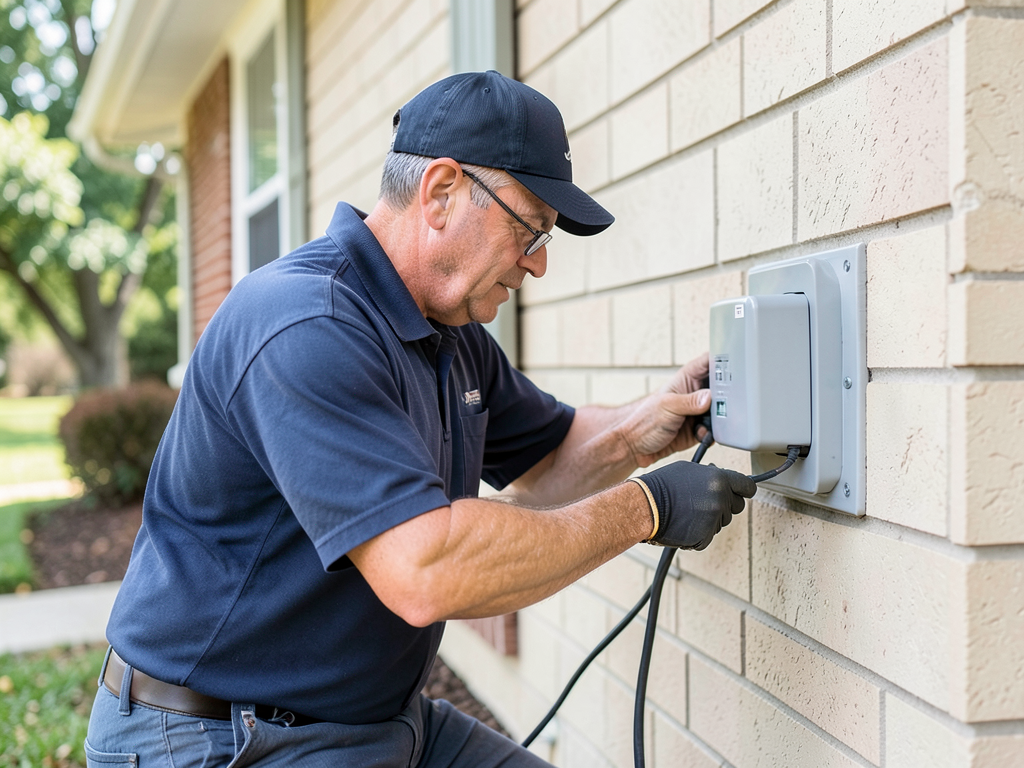
Why Your Nashville HVAC Needs Surge Protection Nashville homeowners face a hidden threat that strikes without warning: electrical surges from lightning storms. These power spikes can instantly destroy your air conditioner's control board or compressor…
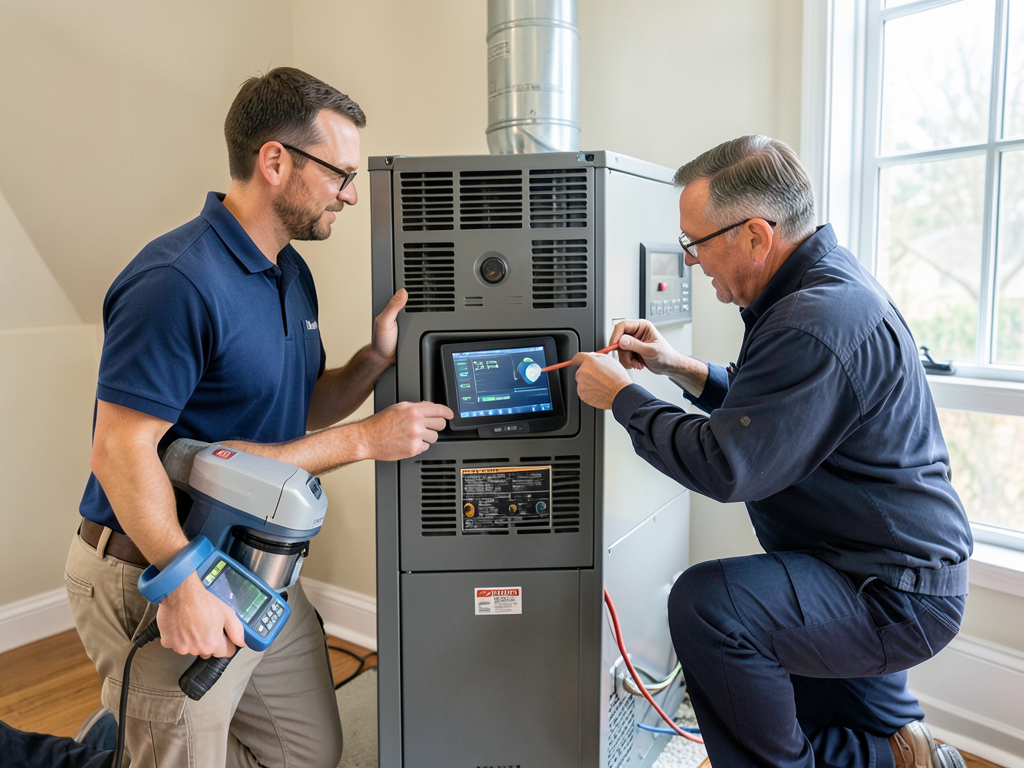
Understanding the difference between a furnace and a boiler for older Middle Tennessee homes Choosing…
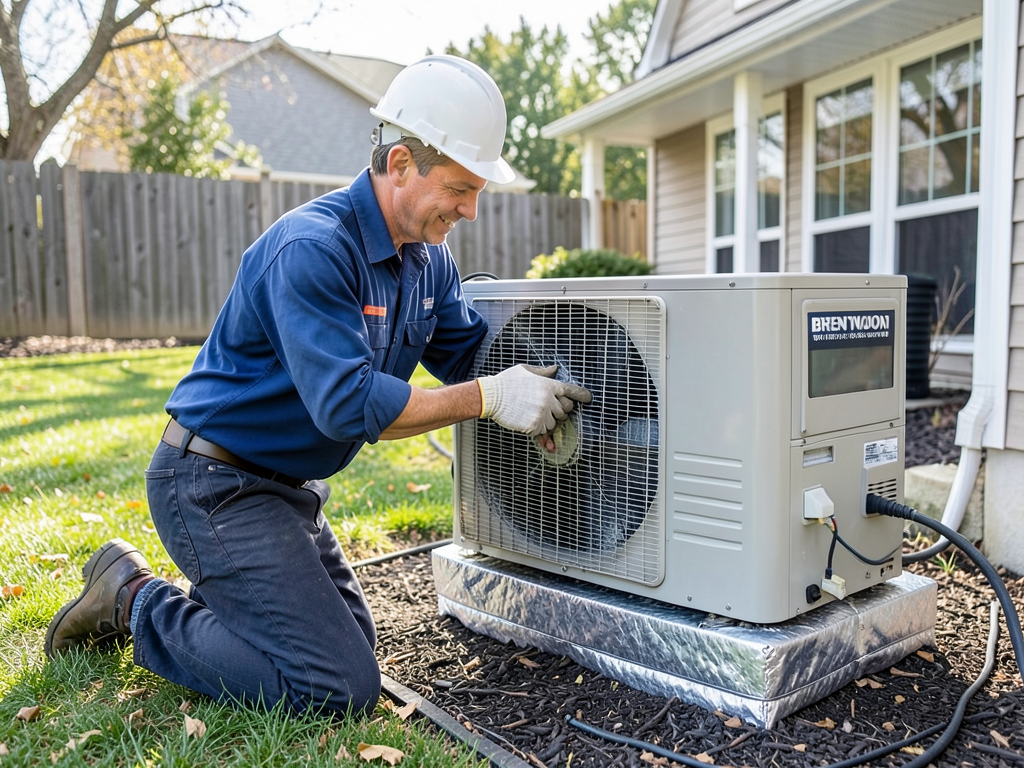
How to choose a quiet HVAC system that won't disturb your neighbors in Brentwood Living…

Keeping your boat house or lakeside cabin comfortable with a mini split system\n\nThe humid summers…
Your family deserves a comfortable home. Call Alpha HVAC Nashville now at (615) 552-1922 for fast, reliable HVAC service. We respond quickly to restore your heating and cooling. Our technicians arrive ready to fix the problem right the first time.