





Menu

Humidity Issues Indoors in Nashville – Expert Diagnosis and Permanent Solutions

Alpha HVAC Nashville specializes in identifying and resolving humidity issues indoors, protecting your home from mold growth, structural damage, and poor air quality caused by Nashville's humid climate.

Slider Image 1
Slider Image 2
Slider Image 3
Slider Image 4
Slider Image 5
Slider Image 7
Slider Image 8
Slider Image 9
Slider Image 10
Slider Image 11

Why Nashville Homes Struggle with Indoor Humidity Control

Nashville's subtropical climate creates persistent indoor moisture problems that most homeowners underestimate. Summer months bring 70 to 80 percent outdoor humidity, which infiltrates homes through leaky ductwork, poor ventilation, and undersized HVAC systems. When indoor humidity climbs above 60 percent, you create ideal conditions for mold spores, dust mites, and wood rot.

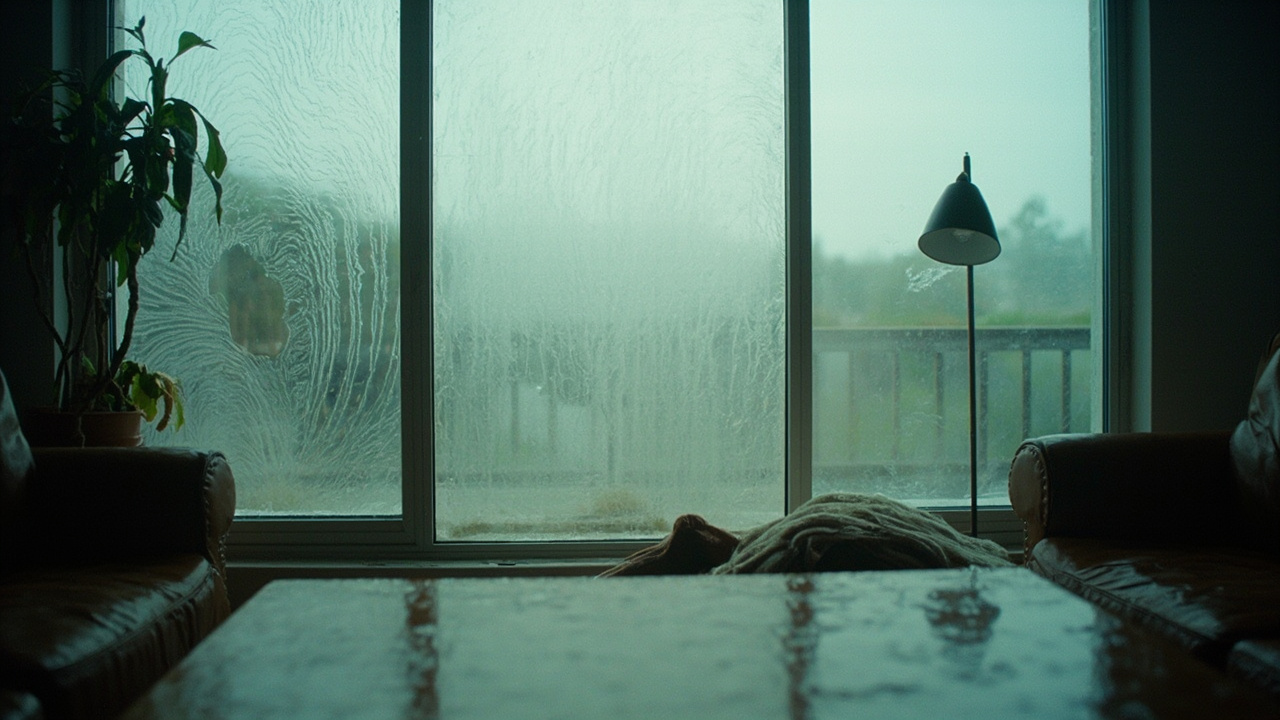
High humidity in house environments feels immediately uncomfortable. You notice condensation on windows, musty odors in closets, and clammy air that never quite feels cool. Your air conditioner runs constantly but fails to dehumidify properly because the system was sized for cooling load, not moisture removal. This wastes energy and leaves you breathing stale, damp air.

Excess indoor moisture damages more than comfort. Paint peels from walls. Hardwood floors cup and warp. Drywall develops soft spots. Attic insulation becomes waterlogged and loses R-value. Metal components rust. The cumulative damage costs thousands in repairs that could have been prevented with proper humidity control.

Poor humidity control also triggers respiratory problems. High indoor humidity levels allow mold colonies to establish in air ducts, behind baseboards, and inside wall cavities. You breathe in spores daily without knowing the source. Allergies worsen. Asthma flares. Sleep quality declines.

Nashville's clay soil compounds the problem by trapping moisture around foundations. Crawl spaces become humid breeding grounds that pump moisture upward through floor joists. Without a vapor barrier and proper ventilation, ground moisture migrates into living spaces and overwhelms your HVAC system's capacity to maintain healthy humidity levels.

Why Nashville Homes Struggle with Indoor Humidity Control
How We Diagnose and Correct Indoor Moisture Problems

How We Diagnose and Correct Indoor Moisture Problems

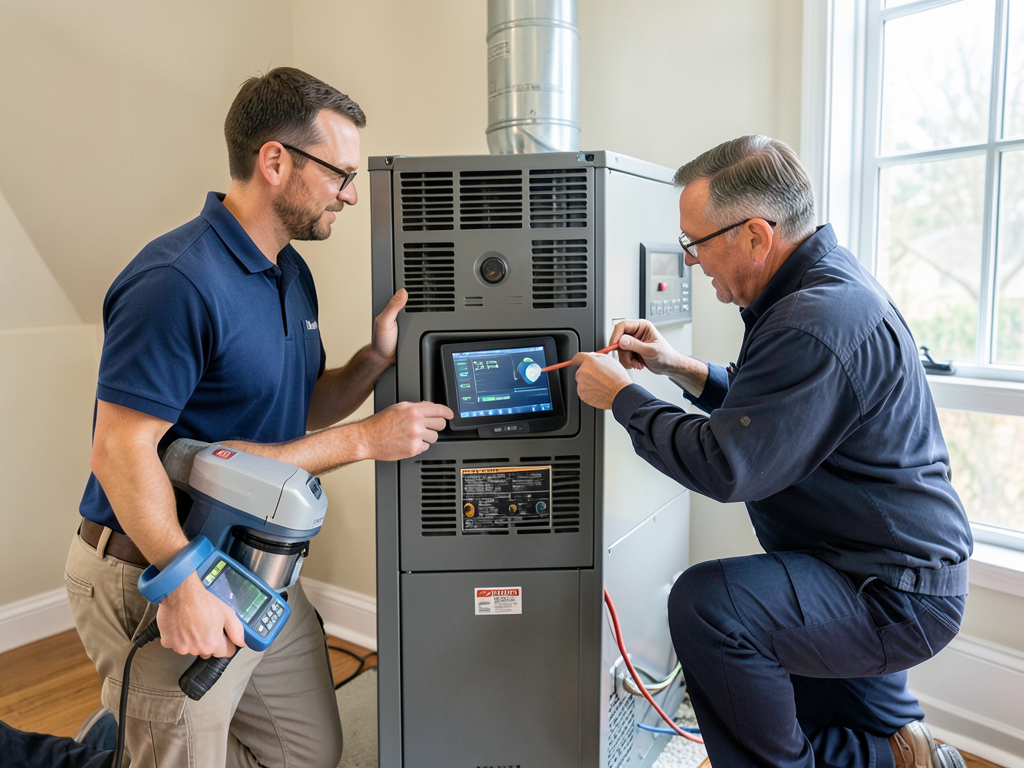
Alpha HVAC Nashville approaches humidity problems systematically, not symptomatically. We start with psychrometric analysis using calibrated hygrometers and moisture meters to map humidity levels room by room. This reveals whether you have localized moisture intrusion or system-wide poor humidity control.

We inspect your HVAC system's latent cooling capacity. Most contractors only calculate sensible cooling load, which addresses temperature but ignores moisture removal. We measure your evaporator coil's surface temperature, airflow velocity, and refrigerant subcooling to determine if the system can condense enough moisture during cooling cycles. Oversized units short-cycle and fail to run long enough for adequate dehumidification. Undersized units run constantly but lack the coil surface area to wring moisture from the air.

Ductwork inspection identifies hidden moisture sources. Leaky return ducts in attics or crawl spaces pull in humid outdoor air. Supply ducts with poor insulation sweat and drip condensation into ceiling cavities. We use thermal imaging cameras to spot temperature differentials that indicate air leaks and inadequate insulation.

Ventilation assessment examines exhaust fans, fresh air intakes, and whole-house ventilation systems. Bathrooms and kitchens generate enormous moisture loads that must be exhausted directly outside, not into attics. We calculate air change rates and compare them against ASHRAE standards for your square footage and occupancy.

We also evaluate your home's envelope. Air sealing gaps around windows, doors, and penetrations prevents humid outdoor air from infiltrating. Crawl space encapsulation with vapor barriers and dehumidifiers stops ground moisture migration. Each home requires a customized solution based on construction type, system capacity, and local climate challenges specific to Nashville's humidity patterns.

What Happens During Your Humidity Assessment

Humidity Issues Indoors in Nashville – Expert Diagnosis and Permanent Solutions
01

Comprehensive Moisture Mapping

We measure relative humidity and temperature in every room, crawl space, and attic using commercial-grade instruments. This creates a baseline humidity profile that identifies problem zones. We also check moisture content in building materials like drywall, wood trim, and subfloors to detect hidden water intrusion that contributes to high indoor humidity levels before visible damage appears.
02

HVAC System Performance Testing

We test your air conditioner's dehumidification capacity by measuring supply air temperature, humidity ratio, and airflow across the evaporator coil. We inspect ductwork for leaks using pressure testing equipment and thermal imaging. This reveals whether your system has the mechanical capability to remove excess indoor moisture or if equipment modifications are necessary to achieve proper humidity control in Nashville's climate.
03

Customized Solution Proposal

Based on diagnostic findings, we present specific corrective options ranked by impact and cost-effectiveness. Solutions might include adding a whole-house dehumidifier, sealing ductwork, upgrading to a variable-speed air handler, encapsulating your crawl space, or improving exhaust ventilation. You receive a written plan explaining how each recommendation addresses your indoor moisture problems and restores healthy humidity levels throughout your home.

Why Nashville Homeowners Trust Alpha HVAC for Humidity Solutions

Alpha HVAC Nashville understands the specific humidity challenges that come with Middle Tennessee's climate and housing stock. We work in homes built on Nashville's challenging clay soil, where crawl space moisture is nearly universal. We know how historic homes in neighborhoods like East Nashville and Germantown require different humidity control strategies than newer construction in Brentwood or Franklin.

Our technicians receive ongoing training in building science and psychrometrics, not just basic HVAC repair. We understand how air pressure differentials, thermal bridging, and ventilation rates interact to create or prevent indoor moisture problems. This expertise allows us to identify root causes instead of applying generic fixes that waste your money without solving the problem.

We also recognize that high humidity in house environments often stems from multiple contributing factors. A leaky duct system combined with an oversized air conditioner and poor attic ventilation creates compounding problems that require coordinated solutions. We address the complete moisture load, not just one component.

Nashville's building codes have evolved significantly regarding moisture management and energy efficiency. We stay current with local requirements for vapor barriers, ventilation rates, and duct sealing standards. This ensures any modifications we make meet or exceed code requirements and perform reliably in Nashville's humid summers.

Our service area covers all of Davidson County and surrounding communities where Nashville's humid climate creates similar challenges. We have solved excess indoor moisture issues in homes throughout the region, from riverfront properties near the Cumberland to hillside homes in the surrounding counties. This local experience means we have seen and successfully resolved nearly every humidity problem Nashville homeowners encounter.

What to Expect from Your Humidity Control Service

Fast Diagnostic Scheduling

We schedule humidity assessments within 48 hours of your call because moisture problems worsen quickly in Nashville's climate. Most diagnostic visits take two to three hours depending on home size and system complexity. You receive same-day verbal findings and a written report within 24 hours detailing all moisture sources and recommended corrective actions. We prioritize scheduling because uncontrolled indoor humidity causes cumulative damage every day it persists.

Thorough Multi-Point Inspection

Our assessment includes humidity measurement in all occupied spaces, HVAC system performance testing, ductwork inspection, ventilation evaluation, and building envelope review. We use moisture meters, hygrometers, thermal cameras, and duct pressure testing equipment to gather objective data. You receive documentation showing current humidity levels compared to recommended ranges, plus photographs of any problem areas. This comprehensive approach ensures we identify all contributors to poor humidity control in your home.

Measurable Humidity Reduction

After implementing corrective solutions, we verify results with follow-up humidity measurements. Properly executed humidity control brings indoor levels to 40 to 50 percent year-round, eliminating condensation, musty odors, and that clammy feeling. Your air conditioner runs more efficiently because it works with mechanical dehumidification instead of fighting constant moisture intrusion. You notice improved comfort, better sleep, and reduced allergy symptoms within days of achieving proper humidity levels.

Ongoing Humidity Monitoring

We recommend installing permanent humidity monitors that alert you to changes before problems return. During annual maintenance visits, we verify your system continues maintaining proper humidity control and adjust settings seasonally as needed. If you install a whole-house dehumidifier, we inspect and service it alongside your air conditioning system. Humidity control requires ongoing attention because Nashville's climate constantly challenges your home's moisture management systems year after year.

Frequently Asked Questions

You Have Questions,
We Have Answers

How to fix a humidity problem in a house? +

Start by identifying the source. Check your HVAC system first. A malfunctioning air conditioner or undersized unit cannot pull enough moisture from Nashville's humid air. Ensure your ductwork is sealed and insulated. Leaky ducts pull in hot, moist attic air. Install exhaust fans in bathrooms and kitchens to vent moisture outside. Run your AC fan continuously to improve air circulation. Consider a whole-home dehumidifier integrated with your HVAC system. Fix plumbing leaks immediately. Seal crawl spaces with vapor barriers to stop ground moisture from rising into your home. Nashville's clay soil and summer humidity make crawl space moisture a chronic problem.

What are the symptoms of too much humidity in your house? +

Watch for condensation on windows, mirrors, and metal fixtures. You will notice a musty odor in closets, basements, and bathrooms. Walls and ceilings may feel damp or show water stains. Mold or mildew appears on grout, windowsills, and corners. Wooden floors may warp or buckle. Your home feels muggy and uncomfortable even when the air conditioning runs. Allergies or asthma symptoms worsen indoors. Paint may peel or bubble on walls. You see dust mites or increased pest activity. In Nashville homes, excess humidity often concentrates in poorly ventilated bathrooms and humid basements during summer months.

Is 70% humidity in a house bad? +

Yes. Indoor humidity at 70 percent is too high and creates health risks. The ideal range is 30 to 50 percent. At 70 percent, mold spores germinate and spread rapidly on surfaces. Dust mites thrive and multiply, triggering allergies and respiratory issues. Your HVAC system works harder but cannot cool effectively. You feel sticky and uncomfortable. Wooden structures absorb moisture and can rot over time. Nashville's summer outdoor humidity regularly hits 70 to 90 percent, so your HVAC system must actively remove moisture. If indoor levels stay at 70 percent, your system is not dehumidifying properly.

What is an unsafe indoor humidity level? +

Anything above 60 percent is unsafe for prolonged periods. Mold grows actively above 60 percent. Dust mites reproduce rapidly. Bacteria and viruses survive longer on surfaces. At 70 percent or higher, you face structural damage and serious health risks. Respiratory problems worsen. Asthma attacks increase. Wood rot begins. Below 30 percent is also unsafe. Dry air cracks wood, irritates skin, and increases static electricity. The safe zone is 30 to 50 percent year-round. In Nashville, summer indoor humidity often spikes without proper HVAC maintenance or whole-home dehumidification. Test levels with a hygrometer.

Do dehumidifiers really work for humidity? +

Yes. Dehumidifiers pull moisture from the air effectively. Portable units work for single rooms like basements or bathrooms. They collect water in a tank you empty daily. Whole-home dehumidifiers integrate with your HVAC system and treat your entire house automatically. They drain condensate directly into your plumbing. In Nashville, portable units struggle during peak summer humidity. They run constantly and fill quickly. A whole-home system paired with a properly sized AC unit provides consistent moisture control. Dehumidifiers do not cool air. They reduce moisture, which makes your home feel cooler and allows your AC to work more efficiently.

Does opening a window reduce humidity? +

Only when outdoor humidity is lower than indoor humidity. In Nashville, outdoor humidity stays high from May through September, often 70 to 90 percent. Opening windows during these months brings more moisture inside, making the problem worse. Your AC must work harder to remove that added moisture. Open windows during cooler, drier months like October and April when outdoor humidity drops below 60 percent. Use exhaust fans instead. They pull humid air out of bathrooms and kitchens without introducing outdoor moisture. Check weather conditions before opening windows. Relying on outdoor air for ventilation in summer is counterproductive.

How often should I run a dehumidifier? +

Run it continuously until indoor humidity reaches 30 to 50 percent. During Nashville summers, you may need to run a dehumidifier 12 to 24 hours daily. Basements and crawl spaces need constant operation. Once humidity stabilizes, many units cycle on and off automatically based on settings. Check the collection tank daily on portable units. Empty it before it overflows. Whole-home systems drain automatically. If your unit runs nonstop without lowering humidity, the space is too large for the unit capacity or you have an ongoing moisture source like a plumbing leak or unsealed crawl space.

How to reduce humidity in house without a dehumidifier? +

Run your air conditioner. AC units remove moisture as they cool. Set the fan to auto, not continuous, so condensate drips off the coil. Increase ventilation with exhaust fans in bathrooms and kitchens. Vent dryers outside, not into the home. Fix leaks immediately. Seal crawl spaces with vapor barriers. Nashville clay soil holds water, so unsealed crawl spaces wick moisture into your home. Use moisture-absorbing products like silica gel in closets. Run ceiling fans to improve air circulation. Open windows only when outdoor humidity is lower than indoor levels. Limit activities that generate moisture, like long showers or boiling water.

Can you get sick if your house is too humid? +

Yes. High humidity worsens asthma and allergies. Mold spores become airborne and trigger respiratory inflammation. Dust mites thrive above 50 percent humidity, causing allergic reactions, sneezing, and itchy eyes. Bacteria and viruses survive longer in moist air, increasing infection risk. You may experience fatigue, headaches, and difficulty breathing. Skin irritation and rashes develop from mold exposure. Prolonged exposure to mold can cause serious lung infections, especially in children and people with compromised immune systems. Nashville homes with poor ventilation and high summer humidity create conditions for mold growth within 24 to 48 hours after water exposure.

Will mold grow at 70 humidity? +

Yes. Mold begins growing at 60 percent humidity. At 70 percent, mold spreads aggressively on walls, ceilings, grout, and fabrics. Spores germinate within 24 to 48 hours when humidity and temperature conditions align. Nashville's warm temperatures combined with 70 percent indoor humidity create ideal mold conditions year-round. You will see black spots on bathroom ceilings, musty smells in closets, and discoloration on drywall. Mold damages your home and creates health risks. Lower indoor humidity to 30 to 50 percent immediately. Clean visible mold with appropriate solutions. Address the moisture source or mold returns.

How Nashville's Humid Summers Make Indoor Moisture Control Critical

Nashville averages 119 days annually with outdoor humidity above 70 percent, concentrated between May and September when your air conditioner runs constantly. Unlike dry climates where cooling alone controls humidity, Nashville's moisture-saturated air requires dedicated dehumidification beyond what standard air conditioners provide. The Cumberland River and numerous creeks increase local humidity even higher in low-lying neighborhoods. Afternoon thunderstorms spike outdoor humidity to 90 percent or more, driving moisture into homes through every gap and crack. Without proper humidity control systems designed for Nashville's climate, your home becomes a moisture trap that damages building materials and degrades air quality throughout the humid season.

Alpha HVAC Nashville has addressed indoor moisture problems in thousands of local homes since establishing our business. We understand how Nashville's mix of historic housing stock and newer construction each present unique humidity challenges. Our technicians live and work in this community, experiencing the same humid conditions you face. We follow Metro Nashville building codes for moisture management and vapor barriers, ensuring all work meets local standards. When you choose a local HVAC contractor familiar with Nashville's specific climate challenges, you get solutions engineered for your environment rather than generic approaches that work in drier regions but fail in Middle Tennessee's humidity.
HVAC Services in The Nashville Area

Alpha HVAC is a local business dedicated to serving the entire community. Our centralized location allows us to provide swift and reliable service to all surrounding areas. Whether you need a repair, a new installation, or routine maintenance, you can trust our team to be there for you when it matters most. Explore our service area on the map below to see how we can help you with all your heating and cooling needs.

Address:
Alpha HVAC Nashville, 1001 3rd Ave N, Nashville, TN, 37201

Additional Services We Offer

Our news updates

Latest Articles & News from The Blogs

Understanding the difference between a furnace and a boiler for older Middle Tennessee homes Choosing the right heating system for…

Understanding the difference between a furnace and a boiler for older Middle Tennessee homes

Understanding the difference between a furnace and a boiler for older Middle Tennessee homes Choosing the right heating system for…

How to choose a quiet HVAC system that won't disturb your neighbors in Brentwood

How to choose a quiet HVAC system that won't disturb your neighbors in Brentwood Living in Brentwood means enjoying peaceful…

Keeping your boat house or lakeside cabin comfortable with a mini split system

Keeping your boat house or lakeside cabin comfortable with a mini split system\n\nThe humid summers and mild winters of Middle…

Contact Us

High indoor humidity damages your home and health every day it continues. Call Alpha HVAC Nashville at (615) 552-1922 to schedule your comprehensive humidity assessment. We diagnose the root causes and provide solutions that work in Nashville's challenging climate.