





Menu

Gas Furnace Leak Repair in Nashville | 24/7 Emergency Response Within 90 Minutes

When you smell gas or hear hissing from your furnace, you need immediate gas furnace leak repair from certified technicians who prioritize your safety and arrive fast.

Slider Image 1
Slider Image 2
Slider Image 3
Slider Image 4
Slider Image 5
Slider Image 7
Slider Image 8
Slider Image 9
Slider Image 10
Slider Image 11

Gas Leaks Don't Wait, Neither Should You

You smell rotten eggs. You hear a faint hissing. Your carbon monoxide detector won't stop beeping. A gas leak in your furnace is a genuine emergency that puts your family at immediate risk.

Nashville's aging housing stock in neighborhoods like East Nashville and Germantown means older gas lines and corroded connections. The freeze-thaw cycles we experience each winter put stress on furnace components, causing cracks in heat exchangers and loose fittings on gas supply lines. When these fail, natural gas escapes into your home.

If you suspect a gas heater leak, shut off the gas supply at the meter immediately. Open windows and doors. Do not flip light switches or use anything that could create a spark. Then get everyone outside and call us.

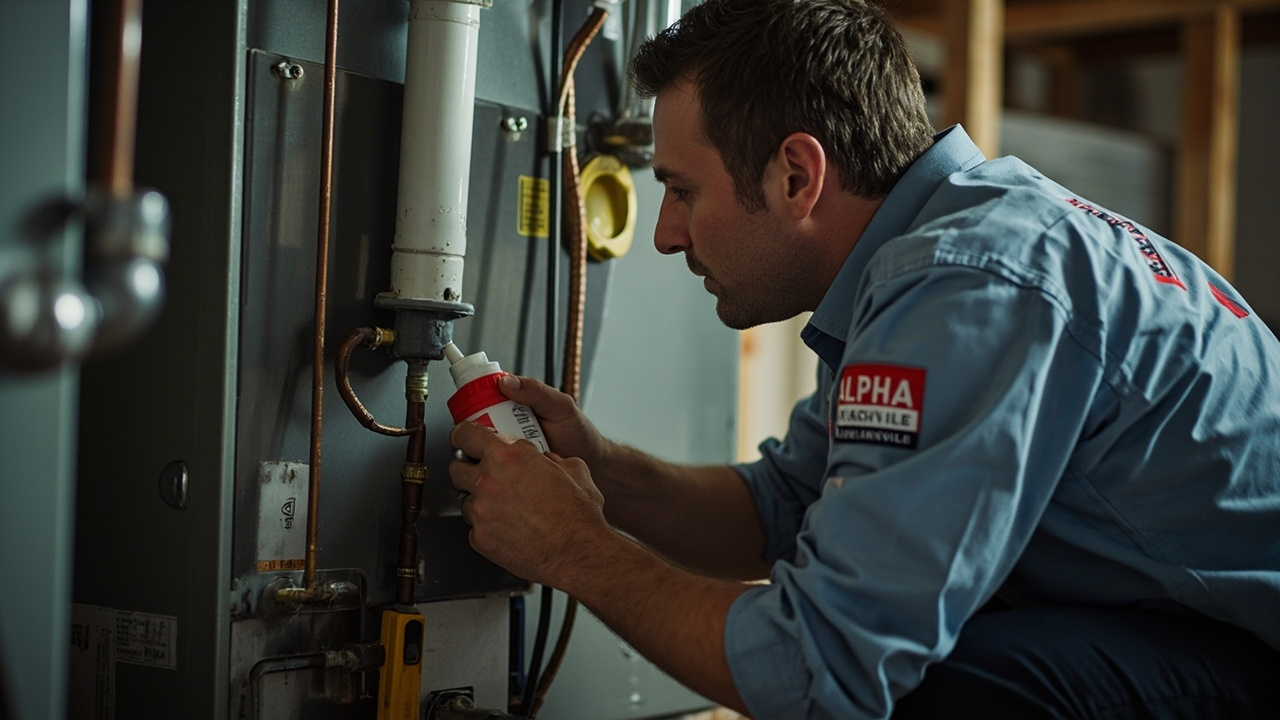
We dispatch certified technicians for emergency furnace gas leak service around the clock. Our trucks carry combustible gas detectors, pressure testing equipment, and replacement parts for immediate repair. We fix gas leaks in furnaces from all major manufacturers, whether the issue is in the valve train, manifold, or heat exchanger itself.

Most gas furnace problems start small. A tiny crack in the heat exchanger allows combustion gases to mix with your home's air. A loose connection on the gas line lets methane seep into your basement. These issues worsen over time, especially during Nashville's humid summers when metal components corrode faster.

When you need to repair a gas leak on your furnace, every minute counts. We provide furnace gas line leak repair with the urgency this situation demands.

Gas Leaks Don't Wait, Neither Should You
How We Locate and Repair Gas Leaks Safely

How We Locate and Repair Gas Leaks Safely

When our technicians arrive for gas furnace leak repair, they follow a strict protocol to protect your home and family.

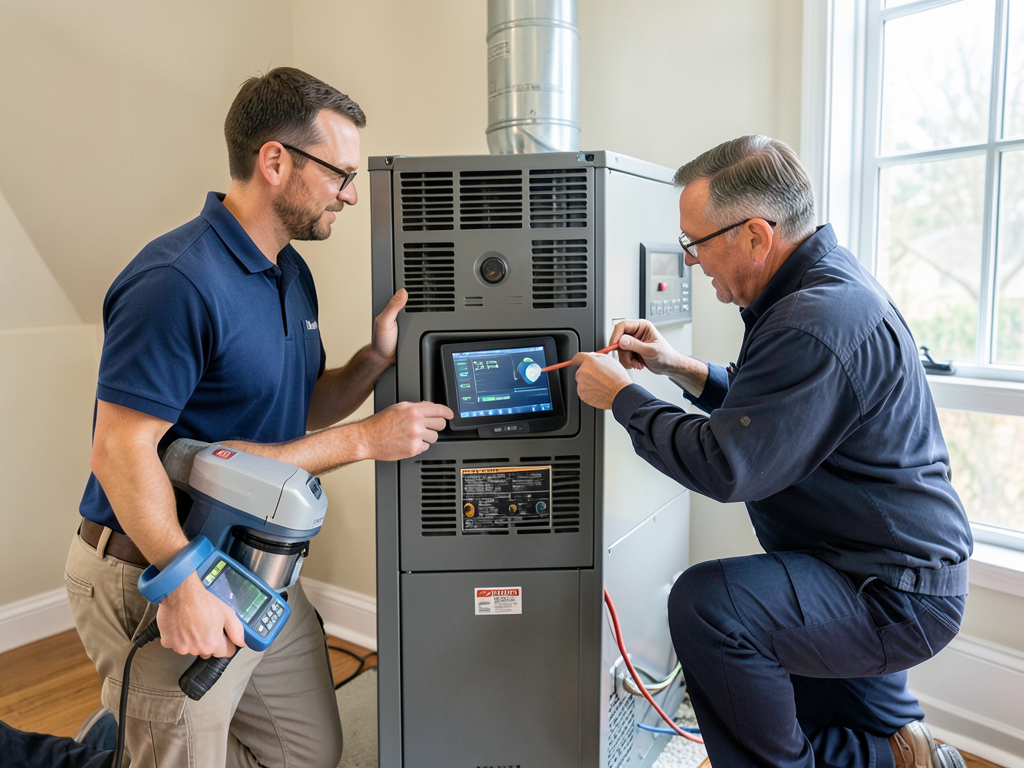
First, we verify the gas supply is shut off and ventilate the space. We use electronic combustible gas detectors calibrated to detect natural gas and propane at concentrations as low as 50 parts per million. These tools help us pinpoint the exact leak location, whether it's at the gas valve, in the burner manifold, or within the heat exchanger cabinet.

Next, we pressure test the entire gas train from the supply line to the burners. We isolate each section, pressurize it with nitrogen, and monitor for pressure drop. This tells us if the leak is at a union fitting, threaded connection, or within a component itself.

For heat exchanger cracks, we perform a visual inspection with a borescope camera. Nashville's temperature swings cause metal fatigue over time. A 15-year-old furnace running through our humid summers and cold winters develops stress cracks that leak both combustion gases and unburned gas.

Once we identify the failure point, we shut down the system and execute the repair. For valve or fitting leaks, we replace gaskets, tighten connections, or install new components using pipe dope rated for natural gas. For cracked heat exchangers, we recommend full replacement since this is not a repairable issue.

We never use temporary fixes on gas systems. Every repair meets Nashville's mechanical code requirements. After completing the work, we pressure test again, check for leaks with soap solution at every connection, and verify proper combustion with a flue gas analyzer before we leave.

What Happens When You Call for Emergency Gas Leak Service

Gas Furnace Leak Repair in Nashville | 24/7 Emergency Response Within 90 Minutes
01

Immediate Dispatch and Safety Assessment

We dispatch a certified technician immediately after your call. While en route, we provide phone guidance on evacuating safely and shutting off your gas supply at the meter. Our first priority on arrival is confirming everyone is safe and the gas is off. We use calibrated detection equipment to measure ambient gas levels throughout your home before beginning any diagnostic work on the furnace itself.
02

Leak Detection and Diagnosis

We systematically test every component in the gas delivery system using pressure testing and electronic detection. We check the main gas valve, pressure regulator, burner manifold, orifices, and heat exchanger. We also inspect all threaded connections and unions for loose fittings. Our diagnostic process identifies not just the active leak, but potential failure points that could cause problems later. You get a complete assessment, not a band-aid fix.
03

Repair and Verification

Once we locate the source, we complete the repair using code-compliant materials and methods. We replace failed components, reseal connections, or recommend heat exchanger replacement if needed. After repairs, we pressure test the entire system, verify zero leakage at all connections, test combustion efficiency, and monitor for proper operation through a full heating cycle. We don't leave until your furnace operates safely and your home's gas levels return to normal.

Why Nashville Residents Trust Us With Gas Emergencies

Gas leaks require specialized knowledge and fast response. You need technicians who understand both the mechanical systems and the safety protocols.

Our team holds certifications in gas system installation and repair. We train continuously on combustion analysis, pressure testing procedures, and leak detection technology. We know the difference between a valve body leak and a heat exchanger crack. We understand when repair is safe and when replacement is the only option.

We stock our trucks with the parts Nashville homes need most. Whether you have a Carrier, Trane, Lennox, or Rheem furnace, we carry gas valves, pressure regulators, manifold assemblies, and connection hardware. We eliminate the wait time that comes with ordering parts for older systems common in Nashville's historic neighborhoods.

Our response time matters in gas emergencies. We run 24-hour emergency dispatch with technicians on call throughout Davidson County and surrounding areas. When you call at 2 AM because you smell gas, a real person answers and a certified technician is en route within 90 minutes.

We also understand Nashville's building codes and mechanical permit requirements. Any gas line work requires proper permitting through the Metro Codes Department. We handle the paperwork and ensure your repair passes inspection. This protects your homeowner's insurance coverage and maintains your property value.

You're not getting a handyman with a pipe wrench. You're getting trained professionals who treat gas leaks with the seriousness they deserve. We explain what failed, why it failed, and what we're doing to fix it. No shortcuts. No temporary patches.

What to Expect From Our Emergency Gas Leak Service

Response Time and Availability

We operate 24 hours a day, 365 days a year. Gas emergencies don't happen on a schedule. Whether it's Sunday morning or Christmas Eve, we answer calls and dispatch technicians immediately. Our goal is arrival within 90 minutes for emergency calls in the Nashville metro area. We service Davidson County and surrounding communities including Brentwood, Franklin, and Murfreesboro. You'll get a call from your technician 15 minutes before arrival with an exact ETA. We don't make you wait by a phone or sit in a four-hour service window when you have a gas leak.

Diagnostic Process and Assessment

Our diagnostic process is thorough but efficient. We use electronic detection equipment that reads gas concentrations in real time, allowing us to pinpoint leaks quickly. We pressure test each section of your gas train separately to isolate the problem. Our technicians carry borescope cameras to inspect heat exchanger interiors without disassembly. You get a clear explanation of what failed, why it failed, and what repair options exist. We show you the problem when possible. We never recommend replacement if repair is safe and code-compliant.

Repair Quality and Code Compliance

Every repair meets Nashville's mechanical code standards. We use pipe dope and thread sealant rated specifically for natural gas. We torque all connections to manufacturer specifications. We install new gaskets rather than reusing old ones. For any work involving gas line modification or valve replacement, we pull the required permits and arrange inspections with Metro Codes. We pressure test the completed repair to 150% of operating pressure and hold for 15 minutes with zero drop. We verify combustion efficiency with a calibrated flue gas analyzer before considering the job complete.

Follow-Up and Prevention Guidance

After completing your emergency repair, we schedule a follow-up check within two weeks. This visit is included in your service. We verify the repair remains leak-free and your furnace operates efficiently. We also provide guidance on preventing future issues. This includes explaining signs of heat exchanger failure, recommending annual combustion analysis, and identifying other components showing wear. If your furnace is over 15 years old, we discuss replacement options honestly. Our goal is keeping you safe long-term, not just solving today's emergency.

Frequently Asked Questions

You Have Questions,
We Have Answers

How much does it cost to fix a gas leak in a furnace? +

Gas furnace leak repair costs in Nashville typically range from a simple connector tightening to complete heat exchanger replacement. Small gas line repairs or valve replacements may cost less, while cracked heat exchangers require significant work. Emergency service calls outside normal hours add fees. Nashville's older homes with original furnaces often face higher repair bills due to corroded components. The technician will diagnose the exact leak source before pricing. Never ignore a gas leak to save money. The safety risk far outweighs repair costs. Get a licensed HVAC contractor to assess your system immediately.

Can I fix a furnace leak myself? +

No. Never attempt to fix a gas furnace leak yourself. Natural gas is explosive and toxic. Even small mistakes can cause fire, explosion, or carbon monoxide poisoning. Gas line work requires specific licensing in Tennessee. You lack the leak detection tools, pressure testing equipment, and code knowledge to do this safely. Shut off your gas supply at the meter, evacuate your home, and call a licensed HVAC professional immediately. DIY furnace repairs void warranties and violate Nashville building codes. Your insurance may deny claims if unlicensed work causes damage. This is a life-threatening emergency that demands professional intervention.

Whose responsibility is it to fix a gas leak? +

Responsibility depends on where the leak occurs. If you own your Nashville home, you are responsible for leaks inside your property line, including the furnace and internal gas lines. Your utility company handles street-side leaks up to the meter. Landlords must fix gas leaks in rental properties under Tennessee habitability laws. If faulty installation caused the leak, the installing contractor may be liable. If a defective furnace component failed prematurely, manufacturer warranties may apply. Never debate responsibility during an active leak. Evacuate, call 911 if you smell gas strongly, then contact a licensed technician immediately.

Who do you call if your furnace is leaking? +

If your furnace is leaking gas, evacuate immediately. Do not flip light switches or create sparks. Call 911 from outside if you smell strong gas. Then contact a licensed HVAC contractor who offers emergency gas furnace repair. Nashville Gas Service will respond to street-side leaks but directs you to private contractors for furnace issues. Choose a contractor with Tennessee gas fitting licenses and 24/7 emergency availability. Time matters. Gas leaks can ignite from pilot lights, static electricity, or appliances cycling on. Get trained eyes on your system within the hour, not tomorrow.

Do homeowners insurance cover gas leaks? +

Homeowners insurance coverage for gas leaks varies significantly by policy. Most policies cover sudden, accidental damage from gas explosions or fires but exclude gradual deterioration or maintenance issues. If a cracked heat exchanger caused the leak due to age and lack of maintenance, expect denial. If a covered peril like a fallen tree damaged your gas line, you may have coverage. Always file a claim and document everything. Nashville homeowners should review their policies annually and consider equipment breakdown coverage. Never delay repairs waiting for insurance approval. Address the safety hazard immediately and sort out payment later.

What is the $5000 rule for HVAC? +

The $5000 rule is a replacement guideline. Multiply the repair cost by your furnace age in years. If the result exceeds $5000, replace the furnace instead of repairing it. For example, a $400 repair on a 10-year-old furnace equals $4000, so repair makes sense. A $700 repair on an 8-year-old unit equals $5600, suggesting replacement. This rule helps Nashville homeowners avoid sinking money into aging equipment. Gas leaks from cracked heat exchangers almost always trigger replacement because the repair cost approaches new furnace pricing. Factor in energy savings from modern high-efficiency models when deciding.

Can you stay in a house with a small gas leak? +

No. Never stay in a house with any gas leak, no matter how small. Natural gas displaces oxygen and causes asphyxiation. It ignites from tiny sparks you cannot see. Carbon monoxide from incomplete combustion kills silently while you sleep. Nashville's older homes with poor ventilation concentrate gas quickly. Small leaks grow larger as connections corrode or seals fail. You cannot accurately judge leak severity without detection equipment. Evacuate everyone, including pets. Leave doors open as you exit to ventilate. Call for help from outside. Return only after a licensed technician declares your home safe. Your life is not worth the risk.

What is the most expensive part to fix on a furnace? +

The heat exchanger is the most expensive furnace component to replace. This metal chamber transfers heat from combustion gases to your home's air. Heat exchangers crack from thermal stress, corrosion, or age. Nashville's high humidity accelerates corrosion in poorly maintained systems. Replacement requires extensive furnace disassembly and costs approach new equipment pricing. Most HVAC professionals recommend full furnace replacement when heat exchangers fail because the furnace has reached end of life. Cracked heat exchangers also leak carbon monoxide, creating immediate danger. Regular maintenance catches early stress cracks before complete failure occurs.

Is it okay to smell a little gas from a furnace? +

No. You should never smell gas from your furnace. Natural gas is odorless, but utilities add mercaptan for safety, creating that rotten egg smell. Any gas odor signals a leak, incomplete combustion, or backdrafting. Nashville's temperature swings stress furnace connections, causing seal failures. Even faint gas smells indicate dangerous conditions. Evacuate and call for help immediately. Do not investigate the source yourself. Do not assume a small smell means a small problem. Gas concentrates in basements and crawl spaces, creating explosion risks. Trust your nose. If you smell gas, treat it as an emergency every single time.

Are gas leak repairs free? +

No. Gas leak repairs are not free. You pay for diagnosis, parts, and labor. Nashville Gas Service responds to street-side leaks without charge, but they do not fix furnace issues. Private HVAC contractors charge service call fees, hourly rates, and parts costs. Emergency after-hours calls cost more. Some manufacturers cover leak repairs under warranty if the furnace is new and the defect is proven. Extended warranties may cover labor. Maintenance plans sometimes include priority service but not free repairs. Budget for emergency repairs by maintaining a home repair fund. Ignoring leaks to avoid costs risks catastrophic damage and endangers lives.

Why Nashville's Climate Makes Heat Exchanger Cracks More Common

Nashville's humid subtropical climate accelerates furnace deterioration in ways drier climates don't experience. Our summers bring humidity levels above 70%, causing condensation inside inactive furnace cabinets. This moisture corrodes metal components over time. When winter arrives and you fire up your furnace, those corroded areas become stress points. The repeated expansion and contraction from heating cycles causes cracks to form in the heat exchanger. This is why furnaces in Nashville often fail earlier than the same models installed in Arizona or Colorado. If your system is over 12 years old and shows signs of corrosion, annual heat exchanger inspection becomes critical for safety.

Alpha HVAC Nashville understands these local conditions because we work exclusively in Middle Tennessee. We see the patterns in how furnaces fail here. We know which neighborhoods have older gas infrastructure that requires extra attention during repairs. We maintain relationships with Metro Codes inspectors and understand local permit requirements for gas work. When you call us for emergency furnace gas leak service, you're getting technicians who know Nashville's housing stock, from the brick bungalows in Sylvan Park to the newer construction in Cool Springs. That local knowledge means faster diagnosis and repairs done right the first time.
HVAC Services in The Nashville Area

Alpha HVAC is a local business dedicated to serving the entire community. Our centralized location allows us to provide swift and reliable service to all surrounding areas. Whether you need a repair, a new installation, or routine maintenance, you can trust our team to be there for you when it matters most. Explore our service area on the map below to see how we can help you with all your heating and cooling needs.

Address:
Alpha HVAC Nashville, 1001 3rd Ave N, Nashville, TN, 37201

Additional Services We Offer

Our news updates

Latest Articles & News from The Blogs

Understanding the difference between a furnace and a boiler for older Middle Tennessee homes Choosing the right heating system for…

Understanding the difference between a furnace and a boiler for older Middle Tennessee homes

Understanding the difference between a furnace and a boiler for older Middle Tennessee homes Choosing the right heating system for…

How to choose a quiet HVAC system that won't disturb your neighbors in Brentwood

How to choose a quiet HVAC system that won't disturb your neighbors in Brentwood Living in Brentwood means enjoying peaceful…

Keeping your boat house or lakeside cabin comfortable with a mini split system

Keeping your boat house or lakeside cabin comfortable with a mini split system\n\nThe humid summers and mild winters of Middle…

Contact Us

If you smell gas or suspect a furnace leak, call (615) 552-1922 immediately. We dispatch certified technicians 24/7 for emergency gas furnace leak repair throughout Nashville. Don't wait. Get your family to safety and let us handle the rest.