





Menu

Air Purification Systems in Nashville – Year-Round Protection Against Allergens, Humidity, and Poor Indoor Air Quality

Whole-house air purifiers and HVAC air filtration systems engineered to combat Nashville's high pollen counts, seasonal humidity, and persistent airborne allergens that trigger respiratory issues year-round.

Slider Image 1
Slider Image 2
Slider Image 3
Slider Image 4
Slider Image 5
Slider Image 7
Slider Image 8
Slider Image 9
Slider Image 10
Slider Image 11

Why Nashville Homes Need More Than Standard HVAC Filters

Nashville sits in a humid subtropical climate zone that creates perfect conditions for mold spores, dust mites, and airborne allergens. The Cumberland River basin traps pollen from oak, hickory, and cedar trees. Spring and fall bring some of the highest pollen counts in the Southeast. Your standard 1-inch pleated filter cannot capture particles smaller than 10 microns.

You notice the symptoms. Constant sneezing. Scratchy throat. Dust buildup on furniture within days of cleaning. Your HVAC system runs constantly during humid months, but the air still feels heavy and stale.

Nashville's clay soil and aging housing stock in neighborhoods like East Nashville and Germantown create another problem. Foundation settling and older ductwork allow unfiltered air into your home. Renovation projects in historic districts stir up decades of accumulated dust and construction debris.

Central air cleaners and whole-house air purifiers integrate directly into your existing HVAC system. These air filtration systems capture particles down to 0.3 microns, including pollen, pet dander, mold spores, bacteria, and volatile organic compounds from household products. Air cleaning systems work continuously, processing every cubic foot of air that circulates through your home.

The difference between a basic filter and a dedicated air purification system determines whether you control your indoor environment or constantly react to it. Nashville's outdoor air quality varies, but your indoor air quality should not.

Why Nashville Homes Need More Than Standard HVAC Filters
How Integrated Air Purification Systems Actually Work

How Integrated Air Purification Systems Actually Work

Air purification systems mount directly to your supply or return plenum, processing air before it reaches your living spaces. We install units based on your home's square footage, ductwork configuration, and specific air quality concerns.

HEPA filtration systems use mechanical filtration to trap particles. Air flows through a dense fiber matrix that captures contaminants through impaction, interception, and diffusion. These systems handle particulate matter but do not address gaseous pollutants or odors.

Electronic air cleaners use an ionization chamber to charge particles, then collect them on oppositely charged plates. These units require monthly cleaning but create minimal airflow restriction. They excel at capturing smoke particles and fine dust that passes through mechanical filters.

UV germicidal systems mount near your evaporator coil, using ultraviolet-C light to neutralize biological contaminants. Mold and bacteria die when exposed to UV-C wavelength radiation. This technology prevents microbial growth on your evaporator coil, a common problem in Nashville's humid climate.

Activated carbon filters absorb volatile organic compounds, cooking odors, and chemical fumes. Carbon media provides massive surface area for adsorption. These filters work alongside particulate filtration to address both solid and gaseous pollutants.

We size systems based on your HVAC unit's airflow capacity, measured in cubic feet per minute. An undersized purifier processes air too slowly. An oversized unit creates static pressure that reduces system efficiency. The installation requires precise calculations, not guesswork. We measure your existing static pressure, account for duct layout, and verify proper air distribution after installation.

Your Path to Cleaner Indoor Air

Air Purification Systems in Nashville – Year-Round Protection Against Allergens, Humidity, and Poor Indoor Air Quality
01

Indoor Air Quality Assessment

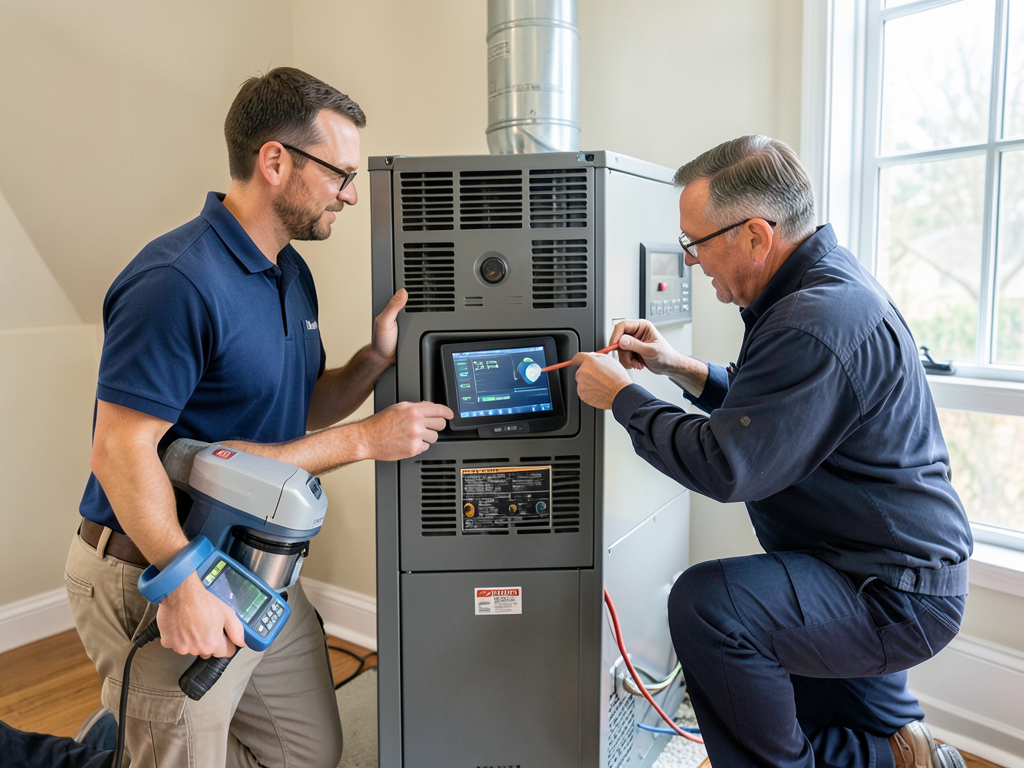
We test your current indoor air using particle counters and humidity monitors. This baseline measurement identifies specific contaminants in your home. We inspect your ductwork for leaks, check your existing filter condition, and evaluate your HVAC system's airflow capacity. The data determines which air cleaning system addresses your specific air quality problems.
02

System Selection and Installation

Based on your assessment results, we recommend a specific air purification system matched to your HVAC capacity and air quality goals. Installation takes three to five hours. We cut into your supply or return plenum, mount the purifier housing, seal all connections to prevent bypass, and verify proper electrical connections. We test airflow before and after installation to confirm no performance loss.
03

Post-Installation Verification and Training

We run your system through a complete cycle and verify proper operation. You receive specific maintenance instructions for your air filtration system, including filter replacement schedules and cleaning procedures for electronic units. We program any smart controls and show you how to monitor filter life. Follow-up particle count testing after 30 days confirms the system meets performance targets.

Why Nashville Homeowners Choose Alpha HVAC Nashville for Air Purification

Air purification requires understanding both HVAC mechanics and building science. Many contractors install units without measuring static pressure or calculating proper airflow. The result is reduced system efficiency and minimal air quality improvement.

We work in Nashville's specific housing conditions daily. Homes in The Nations and Sylvan Park have different ductwork layouts than newer construction in Antioch or Hermitage. Historic homes in Hillsboro Village require different approaches than ranch homes in Donelson. We account for existing duct design, insulation levels, and ventilation patterns.

Nashville's building codes require proper mechanical ventilation in new construction. We ensure air purification systems integrate with your ventilation strategy. Adding filtration without addressing outdoor air intake creates negative pressure that pulls unfiltered air through building envelope gaps.

Our technicians hold NATE certification in air quality systems. We install whole-house air purifiers from manufacturers like Aprilaire, Lennox, and Honeywell based on performance data, not sales incentives. We provide particle count testing before and after installation, giving you measurable proof of improvement.

The Cumberland Valley's unique air quality challenges require local knowledge. Tree pollen from Percy Warner Park affects homes in Belle Meade differently than industrial particulates near the airport affect homes in South Nashville. We match air cleaning systems to your specific location and exposure patterns.

You receive documentation showing your system's specifications, expected filter life, and maintenance schedule. This information matters when you sell your home or file insurance claims related to air quality.

What You Can Expect from Professional Air Purification Installation

Installation Timeframe and Scheduling

Standard whole-house air purifier installation takes three to five hours. We schedule installations during moderate weather when your HVAC system is off. Electronic air cleaner installations require electrical work and take slightly longer. UV germicidal systems mount quickly but require access to your air handler. We complete most residential installations in a single visit. Complex installations in homes with multiple HVAC zones or custom ductwork may require additional time. We provide exact timeframes after the initial assessment. Emergency installations for severe allergy or respiratory situations receive priority scheduling.

The Initial Air Quality Assessment

Our assessment uses calibrated particle counters to measure contaminant levels in your home. We test multiple rooms to identify problem areas. Humidity readings show whether moisture control affects your air quality. We inspect your HVAC system's filter cabinet, ductwork connections, and return air pathways. Static pressure measurements determine whether your system can handle additional filtration resistance. We photograph your existing setup and document baseline readings. This data drives our system recommendations. You receive a written report explaining what we found and why specific air purification systems address your particular indoor air quality issues.

Performance and Air Quality Results

Properly sized air purification systems remove 95 to 99 percent of airborne particles larger than 0.3 microns. You notice less dust accumulation on surfaces within the first week. Allergy symptoms typically improve within two to three weeks as your home's particle load decreases. Electronic air cleaners reduce smoke and fine particulates that cause odors. UV systems prevent mold growth on evaporator coils, eliminating musty smells from your vents. Activated carbon filters remove cooking odors and volatile organic compounds within hours. Results depend on your system's runtime and your home's air exchange rate with outdoor air.

Ongoing Maintenance and Filter Replacement

HEPA filters in whole-house air purifiers require replacement every 12 to 24 months depending on usage and particle load. Electronic air cleaners need monthly washing but have no disposable filters. UV bulbs lose effectiveness after 12 months and require annual replacement. Activated carbon filters last six to 12 months. We provide filter replacement service or sell you replacement media directly. Most systems include filter change indicators that alert you when maintenance is due. Regular HVAC maintenance visits include air purification system inspection. We verify proper operation, clean electronic components, and check UV bulb output to ensure your system maintains peak performance.

Frequently Asked Questions

You Have Questions,
We Have Answers

What is the best home air purifying system? +

The best home air purification system depends on your specific needs. HEPA filtration removes 99.97% of particles down to 0.3 microns, making it ideal for allergens and dust. In Nashville, where humidity and pollen levels spike in spring, whole-home systems integrated with your HVAC work best for consistent coverage. Portable HEPA units suit single rooms. Look for CADR ratings above 300 for larger spaces. UV-C light adds antimicrobial protection. Avoid ozone generators, which can irritate lungs. Size the unit to your square footage, and prioritize models with replaceable filters for long-term cost efficiency.

Is there a downside to air purifiers? +

Air purifiers have minor downsides if misused. Ozone-generating models can worsen asthma and lung irritation, so avoid them. Filter replacement costs add up, typically $50 to $150 yearly depending on the unit. Some models produce white noise, which may disrupt light sleepers. Undersized purifiers provide false confidence without adequate coverage. In Nashville homes with high humidity, purifiers do not replace dehumidifiers, and moisture can shorten filter life. Lastly, purifiers do not eliminate the need for regular HVAC maintenance or duct cleaning. They supplement, not replace, a comprehensive indoor air quality strategy.

What is the 2 3 rule for air purifiers? +

The 2-3 rule means running an air purifier for at least two to three hours daily to maintain clean air in a room. For continuous protection, especially during Nashville's high pollen months (March through May), run the unit all day. The rule also references air changes per hour. Quality purifiers cycle room air two to three times hourly at minimum. Check the unit's CADR rating against your room size. Undersized purifiers struggle to meet this threshold. In bedrooms or spaces with allergy sufferers, aim for four to five air changes per hour for optimal particle removal.

Do air purifying machines really work? +

Yes, air purifying machines work when sized and used correctly. HEPA filters capture airborne particles like pollen, pet dander, dust mites, and mold spores. Activated carbon filters trap odors and VOCs. Nashville homeowners see noticeable improvements in allergy symptoms during spring pollen surges. However, purifiers do not remove gases like carbon monoxide or radon. They also do not replace ventilation or humidity control. Effectiveness depends on proper placement, regular filter changes, and running the unit long enough to cycle room air multiple times. Expect measurable improvements in air quality within 24 to 48 hours.

What to avoid when buying an air purifier? +

Avoid ozone generators marketed as air purifiers. Ozone irritates lungs and worsens respiratory conditions. Skip undersized units that cannot handle your square footage, wasting money without results. Avoid models without CADR ratings or third-party testing, as performance claims may be false. In Nashville's humid climate, avoid units without washable pre-filters, which extend HEPA filter life. Do not buy purifiers with proprietary filters that lock you into expensive replacements. Avoid placing units in corners or behind furniture, which blocks airflow. Finally, skip ionizers unless they are certified ozone-free, as many produce trace ozone as a byproduct.

Which air purifier do doctors recommend? +

Doctors recommend HEPA-based air purifiers for allergy and asthma management. Models from brands with AHAM certification and high CADR ratings are preferred. For Nashville residents dealing with seasonal allergies, doctors suggest whole-home HEPA systems integrated with HVAC or portable units with medical-grade H13 HEPA filters. UV-C light adds antimicrobial protection against airborne viruses and bacteria. Avoid ozone generators, which medical professionals warn against due to lung irritation risks. Allergists also recommend purifiers in bedrooms, where you spend eight hours nightly. Pair purifiers with humidity control, as Nashville's moisture levels can promote mold growth that purifiers alone cannot eliminate.

What are signs you need an air purifier? +

You need an air purifier if you wake with congestion, itchy eyes, or persistent coughing. Visible dust accumulation despite regular cleaning signals poor air quality. Pet owners with dander allergies benefit from HEPA filtration. In Nashville, spring pollen counts often exceed 1,500 grains per cubic meter, triggering symptoms. Musty odors indicate mold spores circulating in your home. If someone in your household has asthma or COPD, an air purifier reduces airborne triggers. New construction or renovations release VOCs for months. Homes near high-traffic roads accumulate fine particulate matter. Any of these signs justify an air purifier investment.

Is it okay to sleep with an air purifier on all night? +

Yes, sleeping with an air purifier on all night is safe and beneficial. Continuous operation maintains clean air while you breathe for eight hours. Most modern units operate quietly on low settings, producing white noise that some people find soothing. In Nashville bedrooms, nighttime purification reduces pollen, dust mites, and pet dander that settle overnight. HEPA filters do not emit harmful byproducts. Avoid ozone generators, which should never run in occupied spaces. Place the unit three to six feet from your bed for optimal airflow without direct drafts. Replace filters on schedule to prevent reduced efficiency and motor strain.

Is an air purifier good for your lungs? +

Air purifiers benefit your lungs by removing irritants that trigger inflammation. HEPA filtration captures pollen, mold spores, and fine particulate matter that penetrate deep into lung tissue. Nashville residents with asthma or allergies experience fewer flare-ups with consistent purifier use. Activated carbon filters remove VOCs and odors that can irritate airways. However, ozone-generating purifiers harm lungs, causing chest tightness and reduced lung function. Purifiers do not replace medical treatment for respiratory conditions. They reduce exposure to airborne triggers, allowing lungs to recover. Pair purifiers with proper ventilation and humidity control for comprehensive respiratory protection in your home.

Where should you not put an air purifier? +

Do not put an air purifier in corners, behind furniture, or against walls. These placements block airflow and reduce efficiency. Avoid bathrooms or laundry rooms where humidity damages filters. In Nashville homes, keep purifiers away from windows during high pollen days, as open windows reintroduce particles faster than the unit can filter them. Do not place purifiers near electronics that generate heat, which can shorten motor life. Avoid kitchens where grease clogs pre-filters quickly. Keep units at least three feet from curtains or drapes that obstruct intake vents. Central locations with unobstructed airflow maximize coverage and particle capture efficiency.

How Nashville's Pollen and Humidity Make Air Purification Critical

Nashville ranks among the worst cities for spring allergies according to the Asthma and Allergy Foundation. Oak, maple, and cedar trees release pollen from February through May. Ragweed dominates fall months. The Cumberland River valley traps pollen and prevents dispersion. Humidity levels above 60 percent create ideal conditions for dust mites and mold growth. Standard HVAC filters capture less than 20 percent of these particles. Air purification systems with HEPA filtration remove the microscopic allergens that trigger respiratory symptoms. The difference matters when you spend 90 percent of your time indoors.

Nashville's building codes have evolved, but many homes predate modern ventilation standards. Alpha HVAC Nashville works throughout Davidson County installing air cleaning systems that meet current indoor air quality guidelines. We understand how older homes in East Nashville differ from new construction in Nolensville. Local expertise means proper integration with your existing HVAC system. We source replacement filters locally, eliminating shipping delays when you need maintenance. Our technicians know Nashville's seasonal air quality patterns and recommend systems based on your neighborhood's specific challenges.
HVAC Services in The Nashville Area

Alpha HVAC is a local business dedicated to serving the entire community. Our centralized location allows us to provide swift and reliable service to all surrounding areas. Whether you need a repair, a new installation, or routine maintenance, you can trust our team to be there for you when it matters most. Explore our service area on the map below to see how we can help you with all your heating and cooling needs.

Address:
Alpha HVAC Nashville, 1001 3rd Ave N, Nashville, TN, 37201

Additional Services We Offer

Our news updates

Latest Articles & News from The Blogs

Understanding the difference between a furnace and a boiler for older Middle Tennessee homes Choosing the right heating system for…

Understanding the difference between a furnace and a boiler for older Middle Tennessee homes

Understanding the difference between a furnace and a boiler for older Middle Tennessee homes Choosing the right heating system for…

How to choose a quiet HVAC system that won't disturb your neighbors in Brentwood

How to choose a quiet HVAC system that won't disturb your neighbors in Brentwood Living in Brentwood means enjoying peaceful…

Keeping your boat house or lakeside cabin comfortable with a mini split system

Keeping your boat house or lakeside cabin comfortable with a mini split system\n\nThe humid summers and mild winters of Middle…

Contact Us

Stop suffering through allergy season. Call Alpha HVAC Nashville at (615) 552-1922 for a professional indoor air quality assessment. We provide same-week installation on whole-house air purification systems. Clean air starts with one phone call.