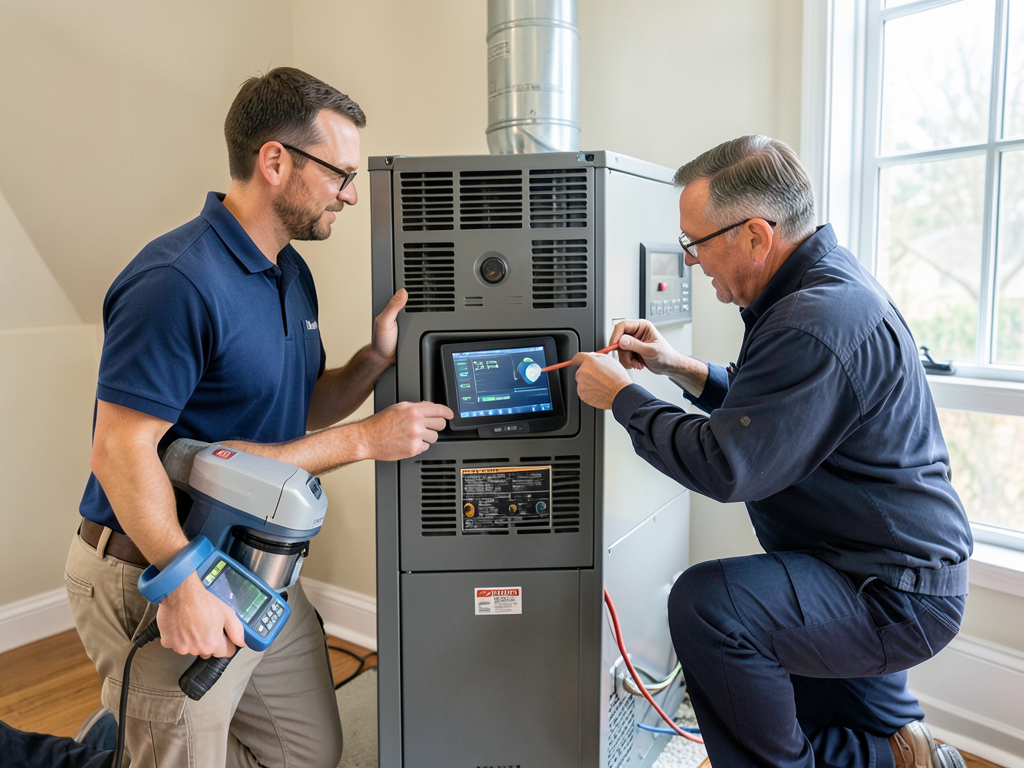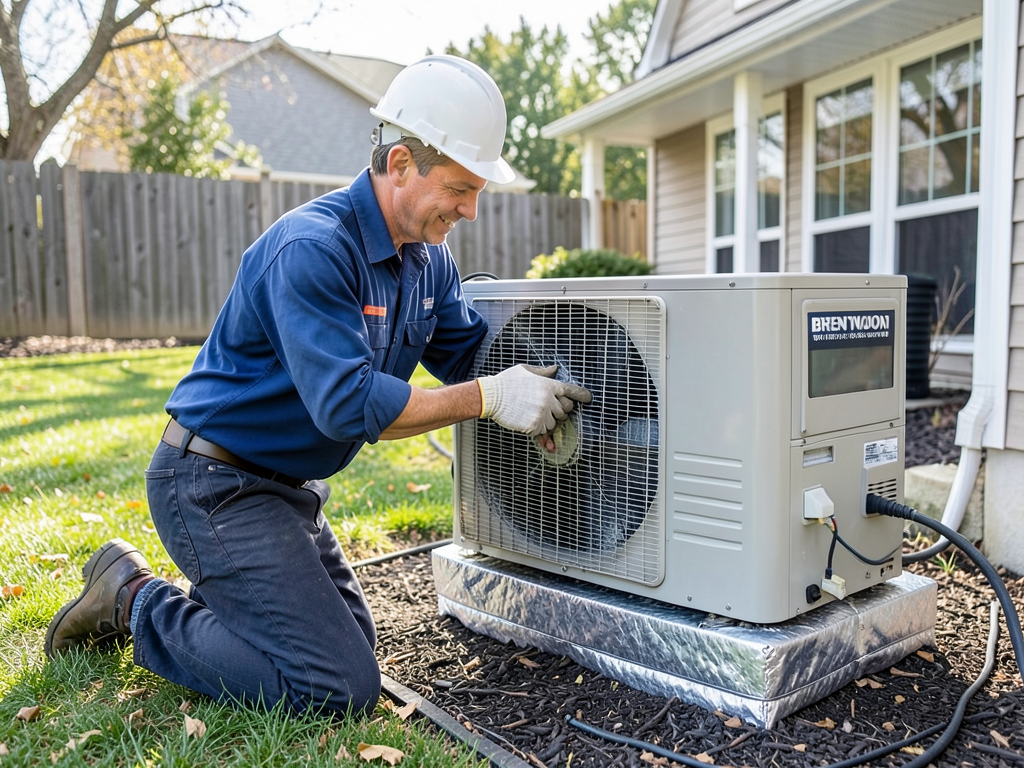







Nashville averages 119 days per year with humidity above 80 percent. High humidity forces your air conditioner to remove more moisture from the air, which increases runtime and stresses the evaporator coil. When the coil cannot drain condensate fast enough, water backs up into the drain pan and triggers the overflow switch. Your system shuts down to prevent water damage. Regular central air troubleshooting includes clearing the condensate drain and checking the drain pan for cracks. Summer thunderstorms bring voltage spikes that damage capacitors and control boards. Surge protectors help, but they do not stop direct lightning strikes to power lines. Identifying AC faults after storms requires testing all electrical components, not just the ones that look burned.
Nashville building codes require HVAC installations to meet 2018 International Residential Code standards, but many older homes have systems installed before these codes took effect. When we perform HVAC system diagnostics on older equipment, we identify code violations that affect safety and efficiency. Improper refrigerant line insulation allows condensation to drip onto ceilings. Undersized electrical disconnects create fire hazards. Unlevel condenser pads cause refrigerant to pool in the wrong part of the system. Alpha HVAC Nashville knows local inspection requirements and helps you bring systems up to code during repairs. We work in every Nashville neighborhood, from Germantown to Donelson, and understand the unique challenges each area presents.