








Menu

Excess Dust in Home in Nashville – Expert Diagnosis and Proven HVAC Solutions

When you notice excessive house dust coating your furniture within days, your HVAC system is likely the culprit. We diagnose the root cause and fix it right the first time.

Slider Image 1
Slider Image 2
Slider Image 3
Slider Image 4
Slider Image 5
Slider Image 7
Slider Image 8
Slider Image 9
Slider Image 10
Slider Image 11

Why Nashville Homes Battle Constant Dust Buildup

You dust your shelves on Monday. By Thursday, a visible film covers every surface again. The problem is not your cleaning routine. Nashville's humid subtropical climate creates the perfect storm for excessive house dust. High humidity causes airborne particles to clump and settle faster. Pollen from the Cumberland River basin mixes with construction dust from rapid development across Davidson County. Your HVAC system either filters this out or circulates it endlessly through your home.

Too much dust in home environments signals a breakdown in your air handling system. Leaky ductwork pulls attic insulation fibers and crawl space debris into your living areas. Undersized or clogged air filters force your system to bypass filtration entirely. When return air grilles are blocked by furniture, your system creates negative pressure that pulls unfiltered air through wall cavities and gaps around windows.

Nashville's clay soil shifts with seasonal moisture changes, creating foundation cracks that allow dust infiltration. Heavy dust buildup near baseboards often indicates these structural pathways. Older homes in East Nashville and Germantown lack proper duct sealing, a common issue in structures built before modern HVAC standards. Your unusually dusty home is telling you something specific is broken. The fix requires diagnostics, not just better filters.

Why Nashville Homes Battle Constant Dust Buildup
How We Eliminate Dust at the Source

How We Eliminate Dust at the Source

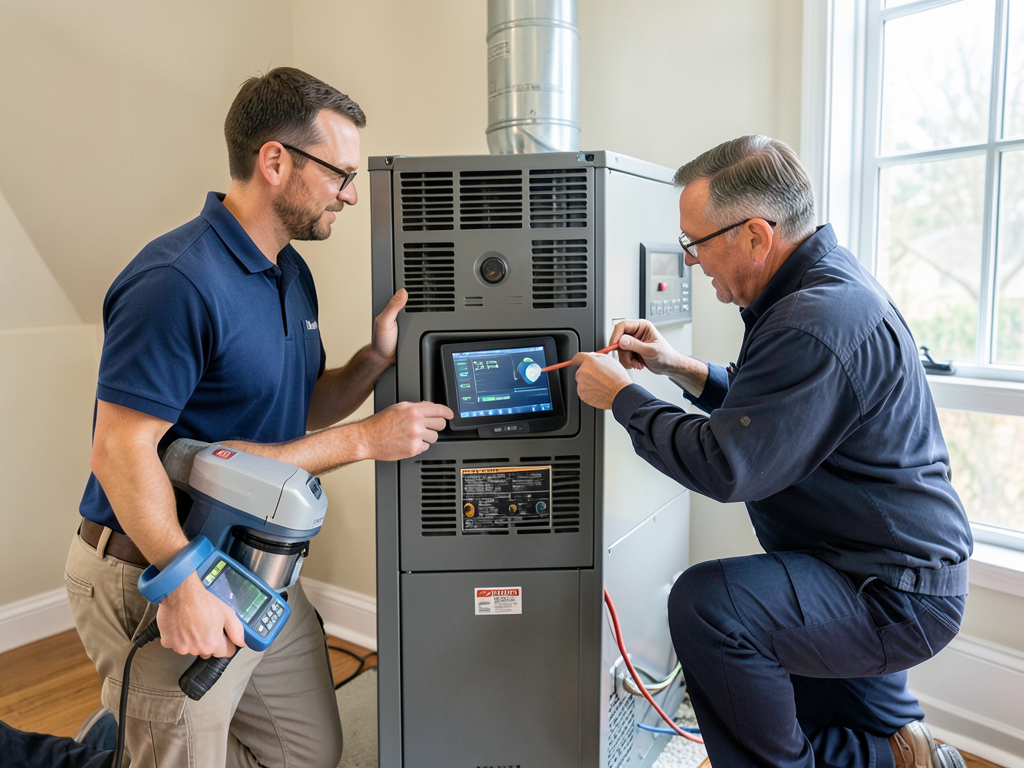
We do not sell you an expensive air purifier and hope for improvement. Our technicians perform a whole-system airflow analysis to identify where unfiltered air enters your ductwork. We use a digital manometer to measure static pressure across your system, revealing restrictions that force air through unintended pathways. A duct leakage test with a calibrated blower door quantifies exactly how much conditioned air you are losing and how much contaminated air you are pulling in.

Your filter is only effective if air actually passes through it. We inspect the filter housing for gaps and verify the filter fits properly against the frame. A 1/8-inch gap around a filter allows 30 percent of air to bypass filtration entirely. We check for duct disconnections in attics and crawl spaces, a common problem in Nashville homes where flex duct deteriorates from heat and humidity exposure.

Return air pathways matter just as much as supply ducts. We verify you have adequate return grilles in every room with a closed door. Without proper return air, your system pulls makeup air from the dirtiest available source, usually your attic or crawl space. We measure airflow at each register using a flow hood to confirm balanced distribution. If your system moves air unevenly, some rooms create negative pressure that sucks in dust through every crack and gap. We fix the mechanics, not just the symptoms.

What Happens During Your Dust Problem Investigation

Excess Dust in Home in Nashville – Expert Diagnosis and Proven HVAC Solutions
01

System Airflow Audit

We measure static pressure across your air handler and at multiple points in your duct system. This reveals restrictions, leaks, and imbalances that cause your system to pull in unfiltered air. We document airflow at each register and return grille to map how air actually moves through your home, not how it should move according to your original duct design.
02

Duct Integrity Testing

We visually inspect accessible ductwork in your attic, crawl space, and basement for disconnections, gaps, and deterioration. Using a blower door test, we quantify total duct leakage and identify whether leaks are on the supply side, which wastes energy, or return side, which pulls in contaminated air. We document problem areas with photos and pressure readings.
03

Targeted Repair Plan

Based on diagnostic data, we prioritize repairs by impact. Sealing return leaks eliminates the largest dust source. Adding return grilles balances pressure. Upgrading to a higher MERV filter only works after we fix airflow issues. We provide a written plan with measurable outcomes, so you know exactly what improvement to expect and how we verify success after repairs.

Why Nashville Homeowners Trust Our Dust Solutions

Generic advice about changing your filter more often does not solve constant dust in house problems. You need a technician who understands how Nashville's building stock and climate create specific HVAC challenges. Homes in neighborhoods like Sylvan Park and The Nations were often built with minimal ductwork, relying on natural ventilation. Retrofitted central air in these homes frequently has undersized return ducts that create negative pressure.

We have diagnosed dust problems in hundreds of Nashville homes. We know that post-World War II ranch homes often have ducts routed through vented crawl spaces, pulling in humid outdoor air laden with pollen and soil particles. We understand that newer construction in areas like Wedgewood-Houston often has flex duct connections that separate during framing settlement on clay soil.

Our approach is diagnostic, not transactional. We do not arrive with a predetermined solution. We measure, test, and verify before recommending repairs. You receive documentation of the problem with pressure readings and photos, not a sales pitch for equipment you may not need. If your ductwork is fundamentally undersized for your home, we tell you that up front. If a $200 duct sealing repair will solve 80 percent of your dust problem, we recommend that before discussing a $6,000 air purification system.

Nashville's HVAC contractors often focus on temperature, not air quality. We fix both. Your system should heat and cool efficiently while delivering clean, filtered air to every room. When we complete repairs, we re-test airflow and static pressure to verify improvement. You get measurable results, not promises.

What to Expect When We Solve Your Dust Problem

Same-Week Diagnostic Appointments

We schedule dust problem diagnostics within three to five business days. The initial assessment takes 90 minutes to two hours, depending on the accessibility of your ductwork and the complexity of your system. We perform all testing during this visit, so you receive a complete diagnosis and repair plan before we leave. If we identify a simple fix like a disconnected duct boot, we repair it immediately. More extensive duct sealing or system modifications are scheduled based on your availability and our crew capacity.

Comprehensive Airflow Analysis

Our diagnostic includes static pressure measurement across your air handler, total external static pressure testing, and airflow measurement at each supply register and return grille. We inspect all accessible ductwork for damage, disconnections, and improper installation. You receive a written report documenting pressure readings, airflow measurements, and identified deficiencies. This report includes photos of problem areas and a prioritized list of repairs ranked by impact on dust reduction. We explain every finding in plain language, so you understand what is broken and why it matters.

Measurable Dust Reduction

After we complete repairs, you will notice less dust accumulation within one to two weeks. The improvement is not subtle. Surfaces that required dusting every three days will stay clean for a week or more. We return after repairs to re-test static pressure and airflow, verifying that the system now operates within design specifications. You receive before and after measurements proving the repair solved the airflow problem. If dust levels do not improve as expected, we investigate further at no additional diagnostic charge.

Ongoing System Optimization

Duct repairs and airflow improvements do not require ongoing maintenance beyond standard filter changes. We provide a filter change schedule based on your system's actual airflow and your home's dust load, not generic three-month intervals. If we installed duct sealing or added return grilles, those modifications are permanent. We recommend an annual airflow check during your routine maintenance visit to verify the system maintains proper balance. This takes 15 minutes and catches new problems before they recreate dust issues.

Frequently Asked Questions

You Have Questions,
We Have Answers

Why do I get so much dust in my house? +

Excess dust usually comes from your HVAC system. Leaky ductwork pulls in attic insulation, crawl space debris, and outdoor pollen. Dirty air filters force dust to recirculate instead of getting trapped. Nashville's high humidity also makes dust particles stick to surfaces longer. Old or improperly sealed ducts are common in homes built before 2000. Check your filter monthly and inspect return vents for gaps. If you see dust puffing from vents when the system starts, you have a duct leak problem that needs professional sealing.

Do air purifiers actually reduce dust? +

Yes, but only in the room where they operate. Portable air purifiers with HEPA filters capture airborne particles down to 0.3 microns. They work best in bedrooms or closed spaces. They do not fix the source problem if your HVAC system is distributing dust throughout your home. Nashville homes with central air benefit more from whole-home filtration upgrades or duct sealing. A purifier treats the symptom. Fixing your ductwork treats the cause. Use both for maximum effect in high-pollen seasons.

Is it unhealthy to live in a dusty house? +

Yes. Dust contains mold spores, pollen, dust mites, and their waste. Breathing this daily triggers allergies, asthma, and respiratory infections. Nashville's humidity accelerates mold growth in dust. Children and elderly residents face higher risks. Dust mites thrive in bedding and upholstery, feeding on dead skin cells. If you wake up congested or develop a chronic cough, your dust problem is affecting your health. Clean HVAC filters and seal ducts to reduce exposure. Ignoring dust buildup creates long-term respiratory problems.

What is grandmas' simple trick to eliminate dust? +

The old trick is dampening your dusting cloth. Dry cloths push dust into the air where it resettles within hours. A slightly damp microfiber cloth traps particles instead of spreading them. This works for surfaces but does not address the root cause. If dust reappears within a day, your HVAC system is the problem. Nashville's pollen and humidity mean surface dusting is temporary relief. Focus on your air filter, duct sealing, and reducing indoor humidity to stop dust before it settles.

How do I stop my house from getting so dusty? +

Replace your HVAC filter every 30 days, not every 90. Use a MERV 11 or higher filter to trap smaller particles. Seal leaky ductwork, especially in attics and crawl spaces where Nashville humidity creates moisture problems. Add weatherstripping to doors and windows to block outdoor dust and pollen. Reduce indoor humidity below 50 percent with a dehumidifier. Vacuum with a HEPA filter bag twice weekly. These steps address the source instead of just cleaning surfaces repeatedly.

What are the signs of too much dust? +

Visible dust on surfaces within 24 hours of cleaning is the first sign. You may also notice dust streaks on walls near vents, dusty return air grilles, or a gray film on ceiling fan blades. Increased allergy symptoms, frequent sneezing, or a stuffy nose indoors signal poor air quality. If you see dust puffing from vents when your system starts, you have major ductwork leaks. Nashville homes with crawl spaces often show dust trails near floor vents from gaps in duct connections.

What is the best device to get rid of dust? +

A properly maintained HVAC system with sealed ductwork and a high-MERV filter is the most effective solution. Whole-home air purifiers integrate with your existing system to filter all air, not just one room. For standalone options, a HEPA air purifier works in bedrooms or offices. Nashville humidity requires pairing filtration with a dehumidifier to prevent mold spores from spreading. Skip gimmicks like ionizers or UV lights marketed for dust. Focus on mechanical filtration and fixing duct leaks first.

Why is my room still dusty with air purifier? +

Your air purifier only cleans the air that passes through it. If your HVAC system continues distributing dust from leaky ducts, the purifier cannot keep up. You may also have the purifier set too low or the filter needs replacement. Nashville homes with central air need whole-home solutions, not single-room devices. Check your return vents for gaps and inspect your main HVAC filter. A portable purifier treats one space. Duct sealing and filter upgrades treat the entire home.

Is there a downside to air purifiers? +

Ozone-generating purifiers damage your lungs and should be avoided. Some ionizers produce ozone as a byproduct. Standard HEPA purifiers have no health risks but require regular filter replacement, which adds cost. They also use electricity continuously. Noise from high fan speeds can disrupt sleep. In Nashville's humid climate, purifiers do not address mold or dust mites in ductwork. They work best as a supplement to HVAC maintenance, not a replacement. Do not rely on purifiers to fix systemic duct problems.

Does vacuuming every day reduce dust? +

Yes, if you use a vacuum with a sealed HEPA filter. Bagless vacuums without HEPA filtration blow fine dust back into the air, making the problem worse. Daily vacuuming removes surface dust and reduces allergens in carpets. Focus on high-traffic areas and under furniture where dust accumulates. However, vacuuming does not stop new dust from entering through leaky ducts or windows. Pair daily vacuuming with HVAC filter changes and duct sealing for lasting results in Nashville homes.

How Nashville's Rapid Development Affects Indoor Dust Levels

Construction activity across Davidson County has increased dramatically in the past five years. If you live within a half mile of active construction, your outdoor air contains elevated levels of concrete dust, silica, and diesel particulate. Nashville's prevailing southwest winds carry this construction dust across East Nashville, Inglewood, and Madison. Your HVAC system pulls in outdoor air through duct leaks, around windows, and through your attic. Without proper duct sealing and filtration, your home becomes a passive air filter for the neighborhood's construction debris. Heavy dust buildup during this construction boom is predictable and fixable with proper system sealing.

Nashville's HVAC contractors understand local building practices and how they affect indoor air quality. Homes built before 1990 often have ductwork installed with minimal sealing, relying on the low duct pressures of older, smaller air handlers. Modern high-efficiency systems create higher static pressures that expose old duct leaks. We have worked on hundreds of Nashville homes and know the common duct routing mistakes specific to local builders. Choosing a contractor familiar with Nashville's building stock means faster diagnosis and targeted repairs, not generic solutions that may not address your home's specific duct configuration.
HVAC Services in The Nashville Area

Alpha HVAC is a local business dedicated to serving the entire community. Our centralized location allows us to provide swift and reliable service to all surrounding areas. Whether you need a repair, a new installation, or routine maintenance, you can trust our team to be there for you when it matters most. Explore our service area on the map below to see how we can help you with all your heating and cooling needs.

Address:
Alpha HVAC Nashville, 1001 3rd Ave N, Nashville, TN, 37201

Additional Services We Offer

Our news updates

Latest Articles & News from The Blogs

Understanding the difference between a furnace and a boiler for older Middle Tennessee homes Choosing the right heating system for…

Understanding the difference between a furnace and a boiler for older Middle Tennessee homes

Understanding the difference between a furnace and a boiler for older Middle Tennessee homes Choosing the right heating system for…

How to choose a quiet HVAC system that won't disturb your neighbors in Brentwood

How to choose a quiet HVAC system that won't disturb your neighbors in Brentwood Living in Brentwood means enjoying peaceful…

Keeping your boat house or lakeside cabin comfortable with a mini split system

Keeping your boat house or lakeside cabin comfortable with a mini split system\n\nThe humid summers and mild winters of Middle…

Contact Us

You deserve to know why your home stays dusty despite constant cleaning. Call (615) 552-1922 today to schedule a comprehensive airflow diagnostic. We will identify the exact source of your dust problem and give you a clear repair plan with measurable results.