





Menu

Furnace Pilot Light Issues in Nashville – Expert Diagnosis and Permanent Fixes

When your pilot light won't stay lit or keeps going out, you need more than a quick relight. Alpha HVAC Nashville identifies the root cause of furnace pilot light problems and delivers repairs that last through winter.

Slider Image 1
Slider Image 2
Slider Image 3
Slider Image 4
Slider Image 5
Slider Image 7
Slider Image 8
Slider Image 9
Slider Image 10
Slider Image 11

Why Nashville Furnaces Struggle with Pilot Light Problems

You wake up to a cold house. The furnace is silent. You check the pilot light and find it out again. This is the third time this week.

Furnace pilot light problems plague Nashville homes every heating season. The combination of temperature swings and high humidity creates conditions where gas furnace pilot light malfunctions become frequent and frustrating.

Nashville winters alternate between freezing nights and mild afternoons. Your furnace cycles on and off repeatedly. Each cycle puts stress on the thermocouple, the safety device that keeps gas flowing to the pilot. When humidity seeps into the furnace cabinet through basement walls or crawl spaces, moisture corrodes electrical connections and clogs the pilot orifice.

The pilot light keeps going out because something in the system has failed. A dirty thermocouple cannot generate enough voltage to hold the gas valve open. A clogged pilot orifice restricts gas flow. A failing gas valve cannot maintain consistent pressure. Draft issues pull the flame away from the sensor.

When the pilot light won't stay lit, your furnace cannot heat your home. You try relighting it yourself, but it goes out within hours. The problem is not the pilot itself. The problem is what is preventing the pilot from staying lit.

Most homeowners in East Nashville, Germantown, and 12 South face pilot light issues during the coldest weeks of January and February. The furnace worked fine in November. By mid-winter, the pilot refuses to stay lit. The underlying issue has been developing for months, but only becomes obvious when you need heat the most.

A furnace pilot light not working signals a specific mechanical failure. Guessing at the cause wastes time and money. Proper diagnosis identifies the exact component that failed.

Why Nashville Furnaces Struggle with Pilot Light Problems
How We Diagnose and Fix Pilot Light Failures

How We Diagnose and Fix Pilot Light Failures

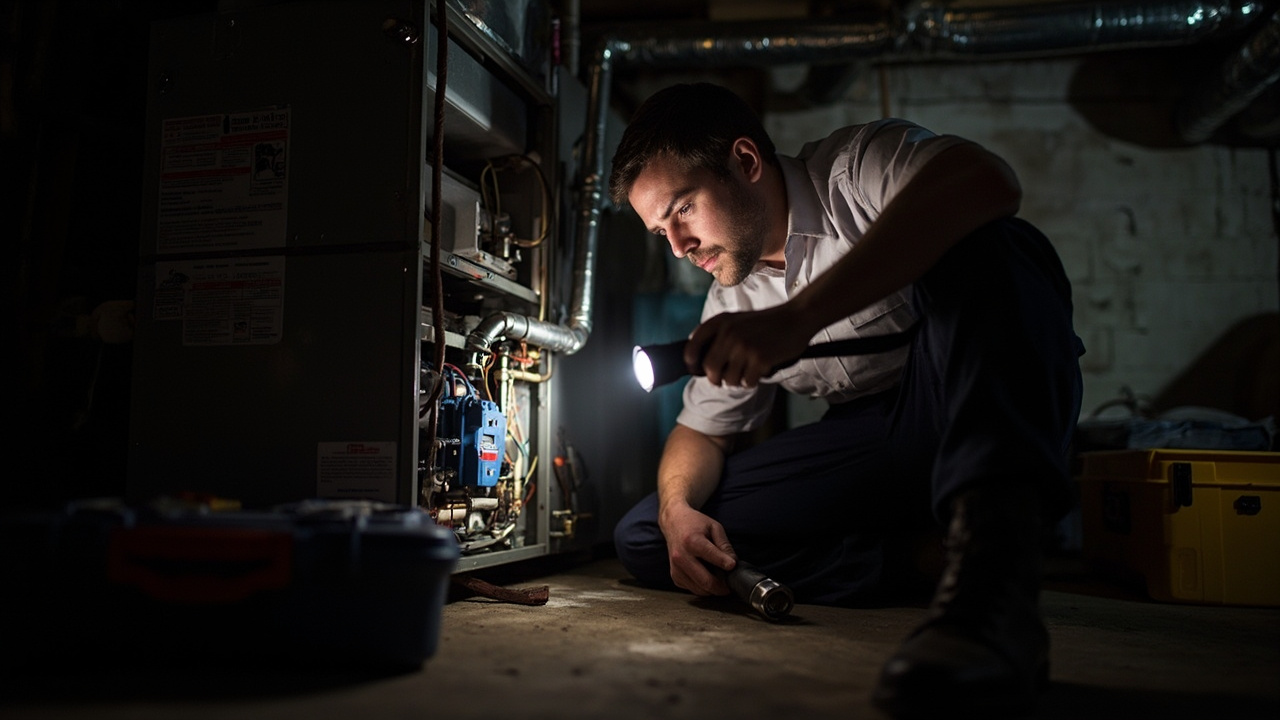
We do not relight your pilot and leave. We identify why the pilot light keeps going out and fix the root cause.

Our technicians test the thermocouple with a multimeter. A functioning thermocouple generates 25 to 35 millivolts when heated by the pilot flame. If the reading falls below 20 millivolts, the thermocouple cannot hold the gas valve open. We replace it with a manufacturer-matched component rated for your furnace model.

We inspect the pilot orifice for carbon buildup and debris. Nashville's humidity allows dust and particulates to combine with natural gas residue, forming deposits that restrict flow. We remove the pilot assembly, clean the orifice with compressed air and a fine wire brush, then reinstall and test for proper flame height and shape.

We measure gas pressure at the valve inlet and outlet. Low pressure indicates a regulator problem or gas line restriction. High pressure causes the pilot to lift off the thermocouple, triggering safety shutoffs. We adjust the pressure to manufacturer specifications.

We check for draft problems. Negative pressure in the basement or utility room pulls air across the pilot, blowing it out. We inspect the furnace room for backdrafting from exhaust fans, leaky return ducts, or inadequate combustion air. We seal duct leaks and verify proper ventilation.

We test the gas valve itself. A failing valve may not open fully or may allow gas to leak through when closed. If the valve fails our tests, we replace it with an OEM part that matches your furnace's BTU rating and gas type.

We verify the flame sensor and ignition control board are functioning. Even on standing pilot furnaces, electronic components can cause intermittent failures. We test for proper voltage and signal continuity throughout the ignition circuit.

The repair is complete when the pilot stays lit through multiple furnace cycles and temperature changes.

What Happens During a Pilot Light Service Call

Furnace Pilot Light Issues in Nashville – Expert Diagnosis and Permanent Fixes
01

Initial System Assessment

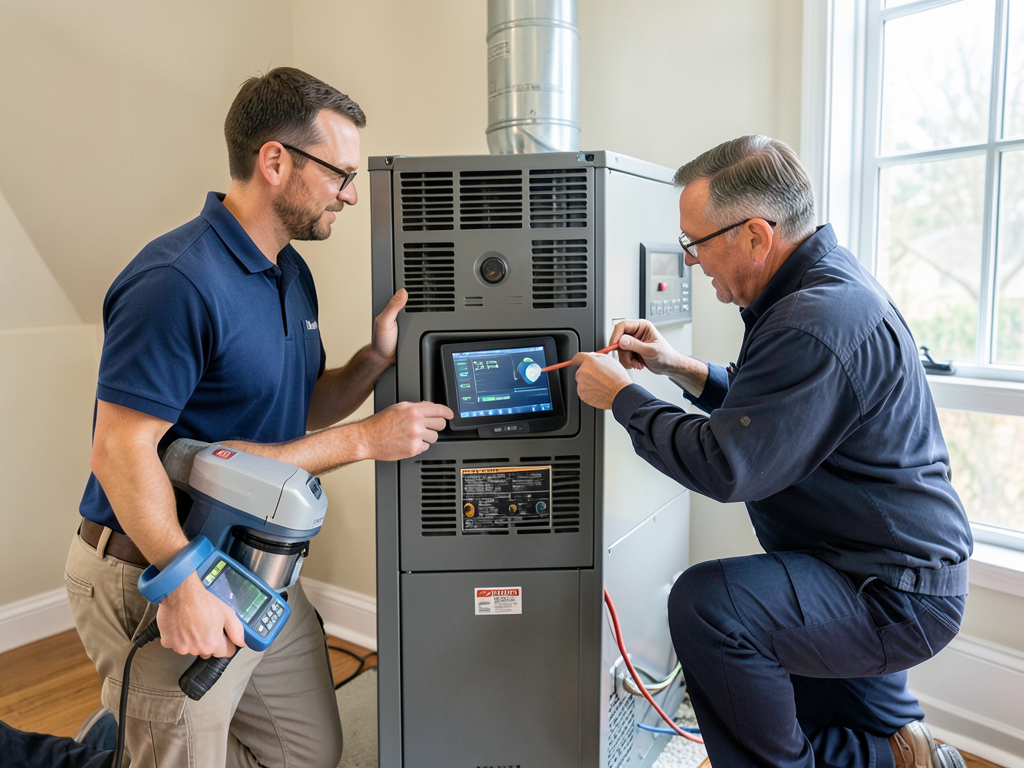
We arrive with diagnostic equipment and OEM replacement parts. Our technician observes the pilot behavior, checks for error codes, and measures gas pressure and millivolt output. We test the thermocouple response time and inspect the pilot assembly for physical damage or corrosion. This diagnostic phase identifies whether you need a simple cleaning or component replacement.
02

Component Testing and Repair

We isolate the failed component through methodical testing. If the thermocouple reads low, we replace it. If the pilot orifice is clogged, we disassemble and clean it. If the gas valve fails pressure tests, we install a new valve. We address draft issues by sealing combustion air leaks and verifying proper ventilation. Each repair follows manufacturer specifications for torque, clearance, and alignment.
03

System Verification and Testing

We cycle the furnace through multiple heating calls to confirm the pilot remains lit. We measure flame characteristics and verify proper ignition timing. We check for gas leaks at all connections and test carbon monoxide levels in the flue. You watch the furnace operate normally before we leave. We document all repairs and provide maintenance recommendations to prevent future pilot light problems.

Why Nashville Homeowners Trust Alpha HVAC for Pilot Light Repairs

You need a technician who understands how Nashville's climate affects gas furnaces. We have diagnosed pilot light failures in homes throughout Davidson County since we opened our doors. We know which components fail first in older furnaces common to Sylvan Park and Inglewood. We stock thermocouples and pilot assemblies for legacy systems still operating in Belmont and Hillsboro Village.

We do not sell you a new furnace when a thermocouple replacement will solve the problem. We do not relight your pilot and charge you a service fee when the underlying issue remains unaddressed. We diagnose accurately the first time because we carry the diagnostic tools and technical manuals to test every component in your ignition system.

Our technicians receive ongoing training on both modern electronic ignition systems and older standing pilot furnaces. Nashville homes feature furnaces installed anywhere from 1985 to last year. We service them all. We understand the differences between Carrier, Trane, Lennox, and Rheem ignition systems. We know which parts cross-reference and which require exact OEM matches.

We understand the urgency of a pilot light that won't stay lit in January. We prioritize no-heat calls and dispatch technicians with parts in their trucks. You do not wait three days for a diagnosis, then another week for parts to arrive. We fix pilot light problems the same day in most cases.

We explain what failed and why. We show you the corroded thermocouple or clogged pilot orifice. We walk you through the repair process and answer your questions. You understand what you are paying for and why the repair was necessary.

We verify our work before we leave. You see the pilot stay lit through multiple cycles. You feel warm air coming from the vents. The repair is complete, not temporary.

What to Expect When You Call About Pilot Light Problems

Same-Day Service for No-Heat Calls

When your pilot light won't stay lit and you have no heat, we prioritize your call. Most pilot light repairs happen the same day you contact us. Our technicians arrive with diagnostic equipment and common replacement parts. You are not left waiting days for an appointment while your family bundles in blankets. We understand that a furnace pilot light not working is not a minor inconvenience in winter. We treat it as the urgent problem it is.

Thorough Diagnostic Process

We spend 30 to 45 minutes diagnosing pilot light issues. Our technician tests the thermocouple, measures gas pressure, inspects the pilot assembly, checks for draft problems, and verifies gas valve operation. We do not guess. We use multimeters, manometers, and visual inspection to identify the exact failure point. You receive a clear explanation of what failed and why the pilot keeps going out. We present repair options with transparent pricing before we begin work.

Reliable Repairs That Last

We use OEM or OEM-equivalent parts matched to your furnace model. A thermocouple replacement includes proper positioning and flame adjustment. Pilot orifice cleaning includes verification of proper gas flow and flame characteristics. Gas valve replacements include pressure testing and leak checks. We cycle your furnace through multiple heating calls before we consider the job complete. The pilot stays lit through temperature swings and humidity changes. You have heat that works reliably through the rest of winter.

Maintenance Guidance to Prevent Future Failures

After we fix your pilot light problem, we identify factors that contributed to the failure. We check your furnace filter, inspect your ductwork for leaks, and assess combustion air supply. We recommend an annual maintenance schedule that includes thermocouple testing, pilot assembly cleaning, and gas pressure verification. Preventive maintenance catches corrosion and buildup before they cause failures. We provide written documentation of our findings and maintenance recommendations specific to your furnace age and condition.

Frequently Asked Questions

You Have Questions,
We Have Answers

What are the common causes of pilot light issues? +

Common pilot light problems stem from a few key culprits. A dirty or clogged pilot tube blocks gas flow, often caused by dust buildup during Nashville's humid summers. Thermocouple failures prevent the safety valve from staying open. Draft issues from poor ventilation or wind intrusion through older ductwork extinguish the flame. Gas supply interruptions or low pressure affect the pilot's ability to stay lit. Aging thermocouples corrode over time, especially in Middle Tennessee's moisture-heavy climate. Regular maintenance catches these issues before they leave you without heat during those sudden cold snaps we experience.

What are the symptoms of a bad igniter on a furnace? +

A failing igniter shows clear warning signs. You hear the furnace click on but no flame appears. The igniter may glow orange or white but fail to spark the burners. Visible cracks or breaks in the ceramic element indicate failure. Your furnace cycles on and off repeatedly without producing heat. You notice a weak glow that dims quickly. In Nashville homes with older furnaces, igniters weaken from repeated heating cycles. If your system tries to start three times then shuts down, the igniter cannot generate enough heat to open the gas valve and ignite fuel.

Why is my furnace pilot light not igniting? +

Several factors prevent pilot ignition. Check if the gas valve is fully open, as partial closure starves the pilot of fuel. A bent or misaligned pilot tube directs flame away from the thermocouple. Debris in the pilot orifice restricts gas flow. The thermocouple may be positioned incorrectly, failing to sense flame heat. In Nashville's older neighborhoods with vintage furnaces, corroded gas lines reduce pressure. Air in the gas line after service interruptions takes time to purge. If you smell gas without ignition, shut off the valve immediately and call a technician.

How do I know if my thermocouple is bad? +

A faulty thermocouple shows specific symptoms. The pilot lights but extinguishes when you release the control knob. Your pilot refuses to stay lit despite multiple attempts. Visible corrosion or a bent probe indicates deterioration. The tip appears damaged or discolored from constant heat exposure. Nashville's humidity accelerates corrosion on these sensors. If the pilot stays lit when you hold the button but dies immediately after release, the thermocouple cannot generate enough voltage to keep the gas valve open. This safety device fails over time and needs replacement by a qualified technician.

How Nashville's Climate Creates Chronic Pilot Light Failures

Nashville's winter humidity accelerates corrosion in furnace components. When outdoor temperatures swing from 28 degrees at night to 55 degrees by afternoon, condensation forms inside furnace cabinets. This moisture corrodes thermocouples, pilot assemblies, and electrical connections. Homes in neighborhoods near the Cumberland River or in low-lying areas like Donelson experience higher humidity levels that shorten component life. The pilot light keeps going out because moisture degrades the thermocouple's ability to generate voltage. Basement furnaces face additional humidity from foundation seepage and inadequate ventilation.

Nashville furnaces span four decades of technology. Homes in historic districts like Lockeland Springs and Edgefield still operate furnaces installed in the 1980s and 1990s. These systems use standing pilot lights and mechanical thermocouples that require different diagnostic approaches than modern electronic ignition systems. Alpha HVAC Nashville technicians carry parts and expertise for both legacy and current furnace models. We understand local building practices, from crawl space installations common in East Nashville to closet furnaces typical in Midtown condos. Our familiarity with Nashville's housing stock means faster, more accurate diagnosis of pilot light problems specific to your home's age and construction.
HVAC Services in The Nashville Area

Alpha HVAC is a local business dedicated to serving the entire community. Our centralized location allows us to provide swift and reliable service to all surrounding areas. Whether you need a repair, a new installation, or routine maintenance, you can trust our team to be there for you when it matters most. Explore our service area on the map below to see how we can help you with all your heating and cooling needs.

Address:
Alpha HVAC Nashville, 1001 3rd Ave N, Nashville, TN, 37201

Additional Services We Offer

Our news updates

Latest Articles & News from The Blogs

Understanding the difference between a furnace and a boiler for older Middle Tennessee homes Choosing the right heating system for…

Understanding the difference between a furnace and a boiler for older Middle Tennessee homes

Understanding the difference between a furnace and a boiler for older Middle Tennessee homes Choosing the right heating system for…

How to choose a quiet HVAC system that won't disturb your neighbors in Brentwood

How to choose a quiet HVAC system that won't disturb your neighbors in Brentwood Living in Brentwood means enjoying peaceful…

Keeping your boat house or lakeside cabin comfortable with a mini split system

Keeping your boat house or lakeside cabin comfortable with a mini split system\n\nThe humid summers and mild winters of Middle…

Contact Us

Do not spend another night without heat. Call Alpha HVAC Nashville at (615) 552-1922 for same-day pilot light repair. Our technicians diagnose the problem accurately and fix it permanently. You get reliable heat when you need it most.