






Menu

Ductless Mini-Split Systems in Nashville – Zoned Comfort for Homes Without Ductwork

Ductless air conditioners and mini split heat pumps deliver room-by-room temperature control for Nashville homes and historic properties where traditional ductwork is impractical or impossible to install.

Slider Image 1
Slider Image 2
Slider Image 3
Slider Image 4
Slider Image 5
Slider Image 7
Slider Image 8
Slider Image 9
Slider Image 10
Slider Image 11

Why Nashville Homes Need Ductless Solutions

Nashville's housing stock presents unique challenges for conventional HVAC systems. Historic homes in Germantown and East Nashville often lack the wall cavities and ceiling space required for ductwork installation. Older bungalows built before central air became standard present the same problem. You cannot run ducts through load-bearing walls without structural compromise, and suspended ceilings destroy the architectural character that makes these neighborhoods valuable.

Ductless mini split systems solve this problem by eliminating ducts entirely. Each indoor air handler mounts directly on the wall or ceiling, connected to the outdoor compressor by a small refrigerant line that runs through a three-inch hole. You get powerful cooling and heating without demolishing plaster walls or dropping ceilings.

Nashville's humid summers make air conditioning non-negotiable, but the city's cold snaps require heat. Ductless heat pumps handle both. Modern inverter-driven compressors maintain efficiency down to 5 degrees Fahrenheit, covering the full range of Nashville's climate from July humidity to January freezes.

Addition rooms, converted garages, and sunrooms are common in Nashville's expanding homes. These spaces rarely connect to existing ductwork. A single-zone ductless AC unit provides immediate comfort without the expense of extending your central system. Bonus rooms above detached garages and mother-in-law suites are perfect applications for ductless air conditioners.

Zone control is the hidden advantage. Traditional systems condition the entire house to one temperature. Ductless mini split heat pumps let you set different temperatures in different rooms. You stop paying to cool bedrooms during the day or heat unused guest rooms overnight. This flexibility cuts energy waste and monthly bills.

Why Nashville Homes Need Ductless Solutions
How Ductless Mini Split Installation Works

How Ductless Mini Split Installation Works

The installation process for ductless systems differs completely from traditional HVAC work. We start with a heat load calculation for each zone. Room size, window exposure, insulation levels, and ceiling height determine BTU requirements. Oversized units cycle on and off, creating temperature swings and humidity problems. Undersized units run constantly without reaching setpoint. Precision sizing is critical for comfort and efficiency.

Indoor unit placement follows strict airflow principles. Wall-mounted air handlers install seven feet above the floor to maximize air circulation without creating drafts. Ceiling cassettes work for commercial applications and open floor plans where wall space is limited. We measure throw distance to ensure conditioned air reaches every corner of the room without short-cycling the temperature sensor.

Refrigerant line routing requires careful planning. We conceal line sets inside walls whenever possible, routing through closets and chases to minimize visual impact. Exterior runs use protective conduit matched to your home's siding color. The refrigerant lines, power cable, and condensate drain all run through a single penetration, preserving your home's weather envelope.

Outdoor unit placement affects both performance and neighborhood compliance. Compressors need adequate airflow clearance, level mounting pads, and protection from direct sun exposure. We position units to minimize noise transmission to bedrooms and neighboring properties. Nashville's zoning codes restrict placement in front yards and require screening in certain historic districts.

Vacuum and pressure testing come before startup. We pull a deep vacuum on the refrigerant lines to remove all moisture and air, then pressure test with nitrogen to verify zero leaks. Moisture in the refrigerant circuit causes compressor failure. We take the time to do this right because callbacks for refrigerant leaks cost you money and comfort.

Your Ductless System Project Timeline

Ductless Mini-Split Systems in Nashville – Zoned Comfort for Homes Without Ductwork
01

In-Home Assessment

We evaluate each room you want conditioned, measuring square footage and ceiling height while noting window orientation and insulation quality. You tell us your comfort priorities and budget parameters. We photograph proposed installation locations and check electrical panel capacity for new circuit requirements. This assessment takes 45 minutes and results in a detailed proposal with multiple equipment options sized specifically for your home's thermal profile.
02

System Installation

Installation crews arrive with all equipment, mounting hardware, and line set materials. We protect floors and furniture with drop cloths, then mount the indoor air handlers and outdoor condensing unit. Refrigerant lines are routed, electrical connections completed, and condensate drainage installed. Wall penetrations are sealed with weatherproof escutcheons. The entire mechanical installation for a typical two-zone system takes one day. We vacuum test the refrigerant circuit, charge the system, and verify proper operation before we leave.
03

System Commissioning and Training

We program your wireless remotes for optimal comfort settings and walk you through all operating modes. You learn how to switch between cooling, heating, and dehumidification modes, adjust fan speeds, and set timers. We explain filter cleaning procedures and show you how to identify common issues. You receive manufacturer documentation, warranty registration, and our direct contact information. We measure supply air temperatures and verify refrigerant pressures meet factory specifications before signing off on the installation.

Why Nashville Homeowners Choose Ironwood HVAC Memphis for Ductless Systems

Ductless mini split systems require specialized installation knowledge that many HVAC contractors lack. We train specifically on inverter technology, refrigerant handling procedures, and multi-zone control programming. You need technicians who understand superheat and subcool measurements, not generalists who only work on conventional systems.

Nashville's building inspectors enforce strict codes for refrigerant line penetrations and electrical work. We pull permits for every ductless installation and schedule required inspections. Our work passes the first time because we know Davidson County's mechanical code requirements. You avoid failed inspections and compliance headaches.

Equipment selection matters more than most homeowners realize. We install Mitsubishi, Daikin, and Fujitsu systems, all Japanese-engineered for reliability and efficiency. Big-box store brands and economy imports lack the inverter technology and build quality that ensures ten-plus years of trouble-free operation. We explain the real differences between equipment tiers so you make informed decisions based on facts, not marketing claims.

Historic district installations require additional sensitivity. We worked on homes in Lockeland Springs and Belmont-Hillsboro where exterior equipment placement required neighborhood commission approval. Our installations respect architectural guidelines while delivering modern comfort. We understand the balance between preservation and livability.

The refrigerant transition affects ductless systems directly. R-410A is being phased out in favor of R-32 and A2L refrigerants. We install equipment compatible with future refrigerant standards so you avoid obsolescence and expensive retrofits. This forward planning protects your investment as regulations evolve.

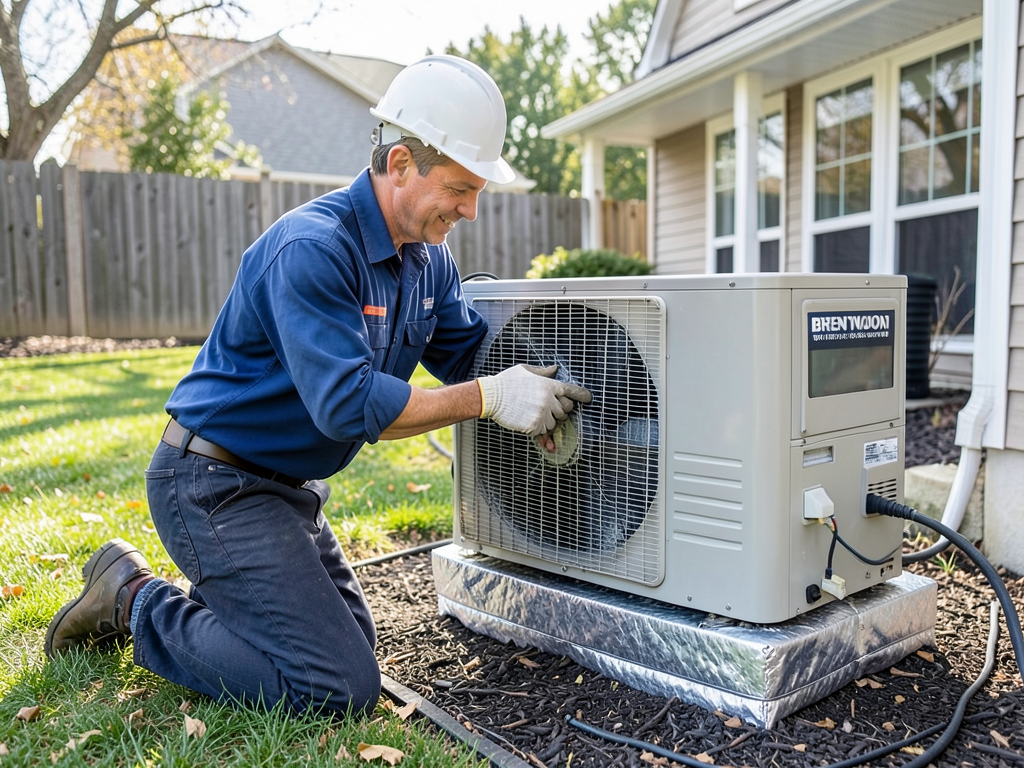
Our service continues after installation. Ductless systems need annual filter cleaning and periodic refrigerant pressure checks. We offer maintenance plans that keep your equipment running at peak efficiency and catch small problems before they become expensive failures.

What to Expect from Your Ductless Installation

Installation Timeline

Single-zone ductless AC units install in four to six hours. Multi-zone systems with three or four indoor units require a full day. We schedule installations Monday through Friday to minimize disruption and ensure inspector availability. You receive a confirmed appointment window, and we call 30 minutes before arrival. Lead time from proposal acceptance to installation runs seven to ten days during peak season, faster in shoulder months. Emergency add-on cooling for spaces without climate control can be expedited to three business days when equipment is in stock.

Pre-Installation Consultation

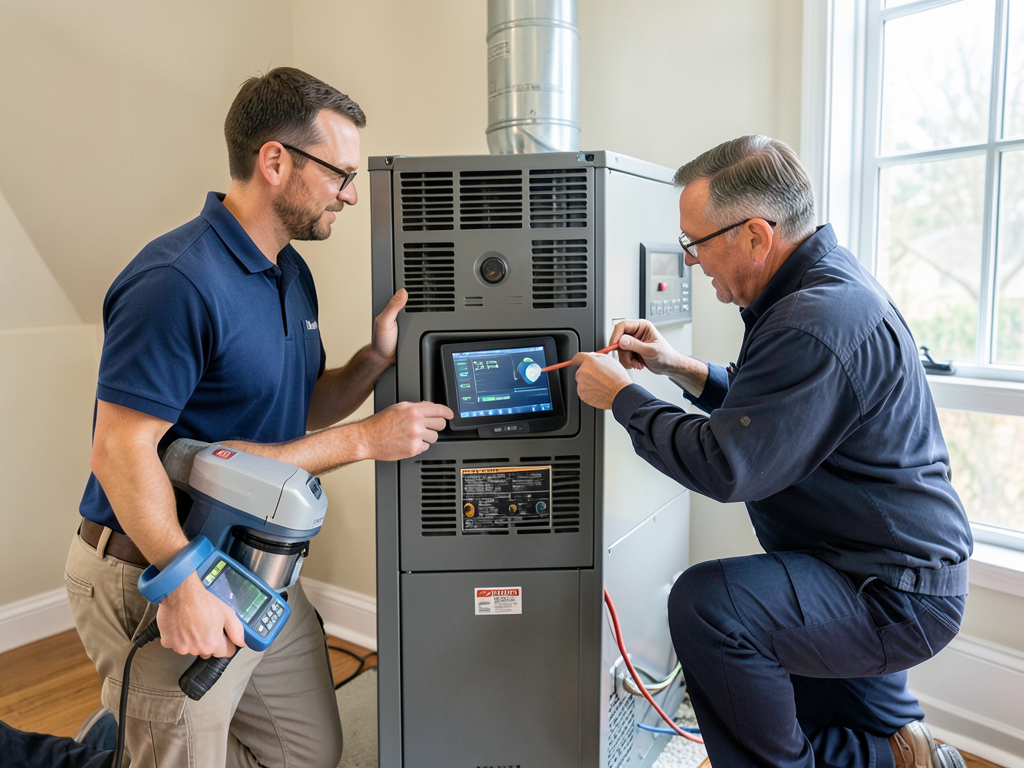
The assessment visit includes thermal imaging to identify insulation deficiencies and air leakage points that affect system sizing. We measure actual room dimensions rather than relying on blueprints, because additions and renovations change floor plans. You see equipment options with honest explanations of performance differences between models. We discuss aesthetic preferences for indoor unit styles, colors, and mounting locations. Electrical requirements are verified against your panel capacity to identify any service upgrades needed before installation day. You receive a written proposal with line-item pricing and equipment specifications.

Performance and Efficiency

Ductless mini split heat pumps operate at SEER ratings between 20 and 30, compared to 14-16 for conventional systems. This translates to 30-40 percent lower cooling costs for conditioned spaces. Inverter-driven compressors ramp speed up and down to match load rather than cycling on and off. You get consistent temperatures without the two-degree swings common with single-stage systems. Heating performance remains strong down to 5 degrees Fahrenheit outdoor temperature, covering Nashville's coldest winter nights. Dehumidification happens automatically during cooling mode, handling Middle Tennessee's summer humidity without separate equipment.

Maintenance Requirements

Indoor air filters require cleaning every 30 days during heavy use periods. You pop the front cover, slide out the washable filter, rinse it under a faucet, and reinstall when dry. This five-minute task maintains airflow and efficiency. Annual professional maintenance includes refrigerant pressure verification, condensate drain cleaning, and outdoor coil washing. We check electrical connections for tightness and measure amperage draw to identify compressor problems before failure occurs. Manufacturer warranties cover parts for five years on most models, with compressor coverage extending to ten years. Extended labor warranties are available through our service agreements.

Frequently Asked Questions

You Have Questions,
We Have Answers

What are the disadvantages of a mini split system? +

Mini splits have a higher upfront cost than traditional HVAC. The indoor wall units are visible and may not suit every aesthetic preference. Airflow can feel different compared to forced air systems. In Nashville's humid summers, you need proper sizing to handle moisture removal effectively. Condensate drainage lines can freeze during winter cold snaps if not installed correctly. Some homeowners find the remote control operation less intuitive than a standard thermostat. Professional installation matters because improper refrigerant line setup reduces efficiency. DIY installation voids warranties and creates performance issues.

How much does a mini split system cost for a 2000 square foot house? +

A 2000 square foot home in Nashville typically needs 3 to 5 indoor units, depending on layout and insulation quality. Expect equipment and installation to range from budget-friendly single-zone systems to multi-zone configurations. Older homes with poor insulation require more capacity. Your final price depends on SEER rating, number of zones, existing electrical work, and whether you need supplemental heating for Nashville's occasional winter freezes. Get a Manual J load calculation before buying. Avoid box store quotes that skip home-specific details. Quality installation costs more but prevents callback repairs.

Is ductless mini split worth it? +

For Nashville homes without existing ductwork, yes. You avoid the expense and space requirements of adding ducts. Mini splits deliver zone control, letting you cool bedrooms without wasting energy on empty spaces. They handle our humid summers well when sized correctly. Homes in East Nashville or Germantown with older construction benefit most. If you already have functional ductwork, the value proposition weakens. Calculate your energy savings against the upfront investment. For additions, sunrooms, or finished basements, mini splits beat extending ductwork. Efficiency gains show up fast during July and August peak usage.

Why is my electric bill so high with mini split? +

Your bill spikes when units run continuously because they are undersized for Nashville's heat and humidity. Dirty filters force the compressor to work harder. Setting the thermostat too low creates constant runtime. Leaking refrigerant from poor installation kills efficiency. Older homes with air leaks let conditioned air escape. Some homeowners cool unused rooms, negating zone control benefits. Check your usage patterns and compare to your previous system during the same months. Verify your installer charged the refrigerant correctly. Clean outdoor coils monthly during pollen season. Proper maintenance and realistic temperature settings fix most billing complaints.

Do mini splits work in 100 degree weather? +

Quality mini splits handle Nashville's peak summer temperatures without issue. Look for units rated for ambient temperatures above 100 degrees. The outdoor compressor works harder in extreme heat but modern inverter technology adjusts capacity automatically. Shade your outdoor unit if possible. Direct sun on the condenser reduces efficiency. Ensure adequate airflow around the unit. During heat waves, avoid setting the thermostat below 68 degrees, which strains the system. Units installed on south-facing walls work harder. Proper refrigerant charge matters because even small leaks kill performance when outdoor temps climb. Regular maintenance keeps efficiency high during July and August.

What is the $5000 rule? +

The $5000 rule is an informal guideline some HVAC contractors use to decide between repairing or replacing aging equipment. If repair costs exceed $5000 or half the replacement cost, replacement makes more financial sense. This applies when your existing system nears end-of-life and needs major component work. For mini splits in Nashville, factor in energy savings from newer high-efficiency models. A 12-year-old system needing a compressor replacement may cost $3000 to fix but wastes energy monthly. Compare repair costs against remaining lifespan and utility savings. Age and efficiency matter as much as repair price.

What's the lifespan of a mini split? +

Expect 15 to 20 years with proper maintenance in Nashville. Annual professional service extends lifespan. Clean filters monthly during heavy use months. Our high pollen counts in spring clog coils faster than drier climates. Hard water affects condensate drainage. Installers who cut corners on refrigerant line work shorten equipment life. Outdoor units exposed to direct weather age faster than shaded installations. Electrical surges from summer storms damage circuit boards. Surge protection helps. Quality brands with inverter compressors last longer than budget models. Usage patterns matter. Systems running year-round for heating and cooling wear faster than cooling-only applications.

How much does Home Depot charge to install mini splits? +

Big box retailers subcontract installation to local crews with varying skill levels. Their pricing typically covers basic installations but excludes electrical upgrades, wall penetrations in brick, or complex multi-zone setups common in Nashville homes. You pay separately for line set extensions, concrete pads, or structural modifications. Warranty support runs through the retailer, adding communication delays. Dedicated HVAC contractors provide direct accountability and understand Nashville building codes and permit requirements. Subcontractors may lack mini split-specific training. Compare total project costs, not just advertised installation fees. Cheap installation creates expensive callbacks when refrigerant lines leak or drainage fails.

What is better, 13 seer or 16 seer? +

Higher SEER means better efficiency and lower operating costs during Nashville's long cooling season. A 16 SEER unit uses roughly 20% less energy than 13 SEER. Your payback period depends on runtime hours and electricity rates. Homes that cool seven months yearly see faster returns on 16 SEER or higher. The upfront cost difference shrinks when you calculate lifetime energy savings. Nashville's humidity requires systems to run longer dehumidifying, making efficiency crucial. Federal tax credits apply to higher SEER ratings. If you plan to stay in your home five-plus years, choose higher efficiency. Resale value improves with efficient HVAC.

What is the 30% tax credit for mini splits? +

The federal Energy Efficient Home Improvement Credit offers 30% back on qualified mini split installations through 2032. The equipment must meet ENERGY STAR requirements. You can claim up to $2000 annually for heat pumps. This applies to primary residences only. Keep all receipts and manufacturer certification statements for your tax preparer. The credit covers equipment and installation labor. Combine this with potential TVA rebates for additional savings. Verify your specific model qualifies before purchasing. The tax credit reduces your total tax liability, not your taxable income. Consult a tax professional for your situation. Installation must occur in the tax year you claim.

How Nashville's Historic Architecture Makes Ductless Systems Essential

Nashville's Craftsman bungalows, Victorian cottages, and early 20th-century homes were built before central air conditioning existed. These structures lack the wall cavities, attic space, and floor plans that accommodate modern ductwork. Plaster walls on wood lath cannot be easily modified without destroying original craftsmanship. Ceiling heights in historic homes rarely exceed eight feet, making dropped ceilings for duct runs visually unacceptable. Ductless mini split systems preserve architectural integrity while delivering modern climate control. You maintain the character that makes East Nashville and Germantown desirable without sacrificing comfort during July heat or January cold snaps.

Davidson County mechanical permits require licensed contractors for all refrigerant-bearing equipment installations. We maintain Tennessee HVAC licenses and pull permits for every ductless system we install. Historic district installations in neighborhoods like Belmont-Hillsboro often require design review for exterior equipment placement. We work with homeowners through the approval process, providing site plans and equipment specifications that meet preservation guidelines. Our familiarity with local inspection requirements and historic commission procedures ensures your project moves forward without delays or compliance issues. Nashville homeowners trust us because we understand both the technical and regulatory sides of ductless installations.
HVAC Services in The Nashville Area

Alpha HVAC is a local business dedicated to serving the entire community. Our centralized location allows us to provide swift and reliable service to all surrounding areas. Whether you need a repair, a new installation, or routine maintenance, you can trust our team to be there for you when it matters most. Explore our service area on the map below to see how we can help you with all your heating and cooling needs.

Address:
Alpha HVAC Nashville, 1001 3rd Ave N, Nashville, TN, 37201

Additional Services We Offer

Our news updates

Latest Articles & News from The Blogs

Understanding the difference between a furnace and a boiler for older Middle Tennessee homes Choosing the right heating system for…

Understanding the difference between a furnace and a boiler for older Middle Tennessee homes

Understanding the difference between a furnace and a boiler for older Middle Tennessee homes Choosing the right heating system for…

How to choose a quiet HVAC system that won't disturb your neighbors in Brentwood

How to choose a quiet HVAC system that won't disturb your neighbors in Brentwood Living in Brentwood means enjoying peaceful…

Keeping your boat house or lakeside cabin comfortable with a mini split system

Keeping your boat house or lakeside cabin comfortable with a mini split system\n\nThe humid summers and mild winters of Middle…

Contact Us

Call (615) 552-1922 now for a free ductless system assessment. We evaluate your home, explain equipment options, and provide detailed pricing. You get expert installation that passes inspection and delivers immediate comfort.