





Franklin sits in the humid subtropical climate zone where systems work harder than almost anywhere else in Tennessee. Summer temperatures regularly hit 90 degrees with humidity that makes your air conditioner run 12 hours a day. Winter brings freezing rain and occasional ice storms that test heat pump performance when you need warmth most. The clay soil throughout Williamson County shifts with moisture changes, stressing ductwork connections in crawl spaces and causing air leaks that waste energy.
Homes in historic districts like Downtown Franklin and older neighborhoods near the Harpeth River often have outdated HVAC systems struggling to cool spaces with poor insulation and single-pane windows. Newer developments in Westhaven and Ladd Park feature modern equipment, but rapid temperature swings during spring and fall cause expansion and contraction that loosens electrical connections and refrigerant fittings.
The combination of temperature extremes, high humidity, and soil movement means Franklin HVAC systems experience more wear than equipment in moderate climates. Regular maintenance prevents most failures, but when breakdowns happen, they need immediate attention before minor discomfort becomes a health risk for children or elderly family members.
Alpha HVAC Nashville built its reputation responding to emergency calls across Franklin and delivering solutions that last. We've worked in every neighborhood from the historic homes near the Battlefield to new construction in Sullivan Farms. Our technicians know the common failures in older Carrier systems popular in 1990s construction and the electronic control issues that plague modern high-efficiency units.
When you call during a crisis, you reach a person who dispatches a qualified technician immediately. We don't make you wait until tomorrow or schedule you for a four-hour window next week. Our trucks carry the parts that fail most often in this climate so we fix problems on the first visit instead of ordering components and coming back days later.
We give you straight answers about whether repair makes sense or replacement protects you better. Some companies push new equipment because commission checks are bigger. We show you exactly what failed, explain why it happened, and present options with honest cost comparisons. Many of our customers have used us for 10 years because we treat their homes like our own and never sell services they don't need.
Our technicians complete factory training on all major brands and hold certifications for refrigerant handling required by EPA regulations. We pull permits for installations, follow Tennessee building codes, and schedule inspections to protect your investment. The work gets done right because our reputation depends on your comfort and safety.

We keep technicians on call every night, weekend, and holiday because air conditioner failures peak during the hottest days when your family needs relief most. You speak to a real dispatcher who sends help immediately, not an answering service that takes messages. Our average response time across Franklin is under 90 minutes from your call to technician arrival.

Our service vehicles carry capacitors, contactors, thermostats, refrigerant, motors, and control boards that fail most often in Tennessee's climate. This means we complete most repairs during the first visit instead of diagnosing the problem and returning days later with parts. You get your comfort back faster and avoid multiple service charges.
We show you the failed component, explain what caused the breakdown, and give you repair cost versus replacement analysis with real numbers. Many air conditioner repairs cost $300 to $800 and give you several more years of service. We recommend replacement only when repair costs approach half the price of new equipment or when efficiency improvements cut your power bills significantly.
We've serviced HVAC systems in every Franklin subdivision and know the common problems in each area. Homes near the Harpeth River deal with humidity issues. Historic district properties need creative solutions for ductwork in old construction. New developments in Westhaven have modern equipment but builder-grade installation quality that creates problems years later. This local knowledge speeds diagnosis and repair.
Alpha HVAC Nashville handles every aspect of heating and cooling for residential properties across Franklin. Emergency breakdowns get immediate response, but we also provide planned maintenance, system replacements, and indoor air quality improvements that prevent problems before they start.
Our service range covers split systems, heat pumps, gas furnaces, electric heating, ductwork repair, thermostat upgrades, and air filtration. We work on all major brands including Carrier, Trane, Lennox, Rheem, Goodman, and Bryant. Whether you need a failed compressor replaced at midnight or want to upgrade to a high-efficiency system that cuts your power bills, we deliver the same quality workmanship and honest communication.
Many Franklin homeowners don't realize that regular maintenance prevents 80% of HVAC failures and extends equipment life by years. Others struggle with uneven temperatures between floors or rooms that never get comfortable no matter how they adjust the thermostat. We solve these problems with systematic diagnostics that identify the root cause instead of treating symptoms. The services below represent the three main categories of work we perform, each designed to keep your home comfortable year-round.
When your system fails and your home becomes uncomfortable or unsafe, we respond immediately with experienced technicians who carry the parts needed to complete most repairs on the first visit. Common emergency repairs include compressor failures, refrigerant leaks, blower motor replacements, control board diagnostics, thermostat issues, and frozen evaporator coils. We diagnose the problem accurately, explain what failed and why, and restore your comfort quickly. You receive upfront pricing before we start work so you make informed decisions during stressful situations.
Old systems that require frequent repairs or run inefficiently cost more to keep than replacing with modern high-efficiency equipment. We help you select the right size and efficiency level for your home and budget, then install it according to manufacturer specifications and Tennessee building codes. Installation includes proper refrigerant charging, ductwork inspection and sealing, thermostat programming, and permits with required inspections. We haul away your old equipment and test the new system thoroughly before we leave. You get manufacturer warranty protection plus our installation workmanship guarantee.
Regular maintenance prevents most breakdowns and keeps your system running efficiently through Tennessee's extreme temperatures. Our maintenance service includes cleaning condenser coils, checking refrigerant levels, testing electrical connections, lubricating motors, inspecting ductwork for leaks, replacing filters, and verifying thermostat accuracy. We catch small problems like loose wiring or dirty coils before they cause expensive failures during heat waves or cold snaps. Maintained systems use less electricity and last years longer than neglected equipment, saving you money on both power bills and replacement costs.
Franklin's climate creates specific problems that wear out air conditioners and heating systems faster than moderate environments. The combination of summer heat, high humidity, and freezing winter nights forces your HVAC system to work year-round with few breaks. Clay soil movement stresses ductwork connections. Temperature swings cause expansion and contraction that loosens electrical contacts and refrigerant lines.
Understanding these common failures helps you recognize warning signs before complete breakdowns leave your family uncomfortable. Strange noises, weak airflow, uneven temperatures, and rising power bills all indicate problems that need attention. Some issues require immediate repair to prevent damage to expensive components. Others allow time for planned replacement when budget permits. The problems below represent the most frequent service calls we receive from Franklin residents, each with specific causes related to local conditions.
When your outdoor unit develops ice during hot weather, restricted airflow or low refrigerant prevents proper heat exchange. Dirty filters, clogged coils, or failed blower motors reduce air movement across the evaporator coil. Refrigerant leaks from vibration or corrosion drop pressure below operating range. Ice buildup stops cooling completely and can damage the compressor if you keep running the system trying to cool your home.
Heat pumps lose efficiency when outdoor temperatures drop below freezing because extracting heat from cold air requires more energy. If your heat pump runs constantly but your home stays cold, the refrigerant charge might be low or the reversing valve might be failing. Defrost cycles that don't complete leave ice on outdoor coils. Auxiliary electric heat should activate automatically when needed, but failed sensors or control boards prevent the backup system from helping.
When some rooms stay hot while others get too cold, ductwork problems or system sizing issues prevent balanced airflow. Leaking ducts in attics or crawl spaces waste conditioned air before it reaches living areas. Undersized systems can't overcome heat gain in rooms with large windows. Closed or blocked vents, dirty return grilles, and incorrect damper positions also create comfort problems that adjusting the thermostat can't fix.
Sudden increases in power bills without changes in your habits indicate your HVAC system is working harder to maintain comfort. Dirty coils force the compressor to run longer. Refrigerant leaks reduce cooling capacity. Failed capacitors make motors draw excess current. Duct leaks waste expensive conditioned air in attics and crawl spaces. Aging equipment loses efficiency gradually, and worn components consume more electricity while delivering less heating or cooling to your home.
The experience of calling for HVAC service should reduce stress, not add to it. When your air conditioner fails on the hottest day or your heat stops working during a freeze, you need clear communication and fast solutions from people who understand the urgency.
Alpha HVAC Nashville built our process around what customers told us they want most during equipment failures. You want someone to answer the phone immediately. You want a technician to arrive quickly with the skills and parts to fix the problem. You want honest explanations about what failed and realistic costs before work starts. You want the job completed right the first time so the same problem doesn't come back next week.
We deliver these expectations consistently because our reputation depends on your experience. The three commitments below define how we operate and what you should hold us accountable for when you call Alpha HVAC Nashville for service in Franklin.
You reach a real person when you call, not a voicemail system or answering service that takes messages. Our dispatcher asks about your symptoms, provides an estimated arrival time, and sends a qualified technician immediately. During evening and weekend emergencies, you get the same fast response as daytime calls. The technician calls when they're 15 minutes away so you're not waiting at the window. We give you the technician's name and photo before arrival for your security and peace of mind.
Our technician inspects your system thoroughly and explains what failed in clear language without technical jargon that confuses you. We show you the broken component when possible and explain what caused the failure. You receive written pricing for repair options before we start work so you decide what makes sense for your situation and budget. We never begin repairs without your approval of the cost. If replacement makes more financial sense than repair, we explain why with honest numbers and let you choose.
Repairs include testing to verify the system operates correctly under load before we leave your home. We clean up our work area and haul away any replaced components. You receive documentation of work performed, parts installed, and warranty information for your records. We follow up within 48 hours to confirm your system is still performing correctly. If you experience any issues with our work, we return to make it right at no additional charge because your satisfaction determines whether you call us again.
HVAC service should be straightforward and stress-free. We've streamlined our process to get you from problem to solution as quickly as possible while maintaining the quality and communication you deserve.
Contact Alpha HVAC Nashville at (615) 552-1922 any time day or night. Describe your symptoms to our dispatcher who asks questions to help the technician prepare. We provide an estimated arrival time based on your location in Franklin and current call volume. Emergency calls get priority response. The assigned technician contacts you directly when they're 15 minutes from your home. You know exactly when help arrives so you can plan accordingly.
The technician inspects your system completely and identifies the failed component causing your problem. You receive a clear explanation of what happened and why, plus upfront pricing for repair options. Once you approve the work and cost, the technician completes the repair using quality parts from our stocked truck. Most common failures get fixed during this first visit. The technician tests the system thoroughly under normal operating conditions before leaving to verify proper performance.
Before the technician leaves, your system runs correctly and your home is returning to comfortable temperature. You receive documentation of all work performed, parts installed, and warranty information for your records. We contact you within two days to confirm the system continues operating properly. If you experience any issues with our repair, we return quickly to resolve the problem at no additional charge because we stand behind our workmanship completely.
Professional HVAC service requires more than mechanical skills. Technicians must understand refrigeration physics, electrical systems, building codes, and safety regulations that protect you and your property. Tennessee requires contractors to hold proper licenses and pull permits for installations and major repairs. The International Mechanical Code and International Residential Code set minimum standards for equipment installation, ductwork sizing, ventilation rates, and combustion safety.
Refrigerant handling follows EPA Section 608 regulations requiring certified technicians and proper recovery equipment. We never vent refrigerants to atmosphere as some unlicensed contractors do to save time. Proper charging requires measuring superheat and subcooling, not just adding refrigerant until the system seems cold. Overcharging damages compressors and wastes your money on unnecessary refrigerant.
Load calculations determine correct system size using Manual J methodology that accounts for your home's insulation, window area, orientation, and occupancy. Many contractors skip this step and install whatever size fit the old unit, leaving you with equipment that short-cycles or runs constantly. Undersized systems can't maintain comfort during temperature extremes. Oversized units cycle frequently, waste energy, and fail to control humidity properly.
Ductwork design follows Manual D standards for sizing supply and return ducts to match airflow requirements. Leaking ducts waste 20 to 30 percent of conditioned air in typical homes. We test duct leakage with calibrated equipment and seal connections using mastic or approved tape, never standard duct tape which fails quickly. Proper duct insulation in unconditioned spaces prevents condensation and energy loss.
Electrical connections must meet National Electrical Code requirements for wire sizing, overcurrent protection, and disconnect location. We verify voltage, amperage, and check all contactors and relays for proper operation. Loose connections cause arcing that damages components and creates fire hazards. Smart thermostats require common wire installation for reliable operation, which many older systems lack.
Correct refrigerant charge requires measuring superheat and subcooling with calibrated gauges and thermometers while the system runs under normal load. Simply adding refrigerant until the air feels cold leads to overcharging that damages compressors and reduces efficiency. We follow manufacturer specifications exactly and document charge levels for your records. EPA regulations require certified technicians and proper recovery equipment for all refrigerant work.
Manual J load calculations determine the correct system size for your home based on insulation levels, window area, orientation, and occupancy patterns. Installing the same size as the old unit often perpetuates sizing mistakes from original construction. Oversized systems short-cycle and fail to dehumidify properly. Undersized systems run constantly and can't maintain comfort during extreme temperatures. Proper sizing ensures efficiency, comfort, and equipment longevity.
Tennessee requires permits for HVAC installations and major equipment replacements. Permitted work gets inspected to verify code compliance for safety and proper operation. We pull permits automatically and schedule required inspections because unpermitted work can cause problems when you sell your home or file insurance claims. International Mechanical Code and International Residential Code set minimum standards for ductwork, ventilation, combustion safety, and clearances that protect your family.
Duct leakage wastes 20 to 30 percent of conditioned air in typical homes. We test duct systems with calibrated equipment to measure actual leakage rates. Proper sealing uses mastic or approved foil tape on all connections. Standard duct tape fails quickly and doesn't meet code requirements. Sealed and insulated ductwork in attics and crawl spaces delivers full airflow to living areas and reduces your energy costs significantly.
Professional HVAC technician explains common air conditioning and heating problems specific to Franklin Tennessee homes. Topics include emergency repair procedures, system maintenance requirements, refrigerant charging standards, duct leakage testing, load calculation methodology, and Tennessee building code compliance for installations. Covers climate-related challenges including humidity control, heat pump performance in cold weather, and how clay soil affects ductwork integrity. Provides guidance on recognizing warning signs before system failures and understanding when repair versus replacement makes financial sense for homeowners.
Alpha HVAC Nashville provides emergency repair, installation, and maintenance services throughout Franklin and the greater Williamson County area. Our technicians know the neighborhoods, understand local construction styles, and recognize common problems specific to different parts of the region.
Historic homes in Downtown Franklin near the Public Square and along Main Street present unique challenges with old ductwork in tight crawl spaces and systems trying to cool spaces with minimal insulation and original windows. We've developed creative solutions for improving comfort in these beautiful older properties while respecting their character and limitations. Properties near the Harpeth River and along Liberty Pike deal with higher humidity levels that stress air conditioners and create moisture problems when systems don't dehumidify properly.
The established neighborhoods of Fieldstone Farms and Westhaven feature homes from the 1990s and early 2000s with aging HVAC equipment reaching the end of its service life. Original builder-grade installations in these developments often used undersized ductwork and minimal insulation that creates comfort problems as systems wear out. We help homeowners in these areas upgrade to properly sized high-efficiency systems that reduce energy costs and improve comfort throughout their homes.
Newer construction in Sullivan Farms, Tollgate Village, and developments along Mack Hatcher Parkway typically have modern high-efficiency equipment, but builder-grade installation quality often leaves problems that emerge after warranty periods expire. Duct leakage, improper refrigerant charging, and inadequate return air sizing create issues years after installation. Our service calls in these newer areas often involve correcting installation mistakes that the original contractor should have done right initially.
The mix of old and new construction across Franklin means we service everything from 1950s ranch homes with window units to modern smart homes with zoned heat pump systems. Rural properties along Lewisburg Pike and toward Spring Hill require different solutions than dense subdivisions closer to Cool Springs. We keep trucks stocked with parts for all major brands and equipment types because Franklin's diverse housing requires versatility and deep knowledge of how different systems perform in Tennessee's challenging climate.
Whether you live in the historic district, an established neighborhood, or new construction anywhere across Franklin and Williamson County, Alpha HVAC Nashville responds quickly with the experience and equipment to solve your heating and cooling problems. We understand how your location affects your HVAC challenges and deliver solutions that work for your specific situation.
The $5000 rule is a simple repair-or-replace guideline. You multiply your system's age by the repair cost. If the total exceeds $5000, replacement makes more sense than repair. For example, a 12-year-old unit needing a $500 repair equals $6000, so you should replace it. In Franklin's humid climate, older systems lose efficiency fast. This rule helps you avoid throwing money at a dying unit. Your HVAC contractor can run the calculation during diagnosis and show you the math. It prevents costly repeat repairs on equipment nearing end-of-life.
HVAC jobs in Franklin vary widely based on scope. A straightforward system replacement for a single-family home typically runs several thousand dollars, depending on unit size, efficiency rating, and ductwork condition. Repair jobs range from a few hundred for minor fixes like capacitor replacement to over a thousand for compressor or coil work. Commercial installations cost significantly more due to tonnage and complexity. High-efficiency units with variable-speed technology carry premium pricing but deliver lower utility bills. Request multiple itemized quotes to compare equipment brands, labor, and warranties before committing.
Replacing HVAC for a 2000 square foot home in Franklin depends on equipment tier, ductwork condition, and efficiency level. A mid-efficiency system with standard installation generally falls in the mid-range price bracket. High-efficiency variable-speed systems with zoning capabilities cost more upfront but reduce cooling bills during Tennessee's humid summers. Older homes with compromised ductwork or inadequate insulation may need additional sealing or modifications, increasing total investment. Get a load calculation from your contractor to confirm proper sizing. Undersized units run constantly, oversized units short-cycle and waste energy.
The $5000 rule is a simple repair-or-replace guideline. You multiply your system's age by the repair cost. If the total exceeds $5000, replacement makes more sense than repair. For example, a 12-year-old unit needing a $500 repair equals $6000, so you should replace it. In Franklin's humid climate, older systems lose efficiency fast. This rule helps you avoid throwing money at a dying unit. Your HVAC contractor can run the calculation during diagnosis and show you the math. It prevents costly repeat repairs on equipment nearing end-of-life.
HVAC jobs in Franklin vary widely based on scope. A straightforward system replacement for a single-family home typically runs several thousand dollars, depending on unit size, efficiency rating, and ductwork condition. Repair jobs range from a few hundred for minor fixes like capacitor replacement to over a thousand for compressor or coil work. Commercial installations cost significantly more due to tonnage and complexity. High-efficiency units with variable-speed technology carry premium pricing but deliver lower utility bills. Request multiple itemized quotes to compare equipment brands, labor, and warranties before committing.
Replacing HVAC for a 2000 square foot home in Franklin depends on equipment tier, ductwork condition, and efficiency level. A mid-efficiency system with standard installation generally falls in the mid-range price bracket. High-efficiency variable-speed systems with zoning capabilities cost more upfront but reduce cooling bills during Tennessee's humid summers. Older homes with compromised ductwork or inadequate insulation may need additional sealing or modifications, increasing total investment. Get a load calculation from your contractor to confirm proper sizing. Undersized units run constantly, oversized units short-cycle and waste energy.
Average HVAC unit pricing in Franklin depends on tonnage, SEER rating, and brand. A standard 3-ton unit costs less than a 5-ton system. Entry-level units with SEER 14-16 are budget-friendly but run higher operating costs. High-efficiency models with SEER 18-20 and variable-speed compressors carry premium pricing but slash summer electric bills. Add installation labor, refrigerant, permits, and disposal fees to the equipment price. Multi-stage systems handle Franklin's temperature swings better than single-stage units. Your contractor should provide tiered pricing options with efficiency comparisons.
In 2025, certain high-efficiency HVAC systems may qualify for federal tax credits under the Inflation Reduction Act. Energy Star certified heat pumps and air conditioners meeting specific SEER2 and HSPF2 thresholds can earn you up to 30% back, capped at specific dollar limits. You need manufacturer certification statements and receipts for IRS filing. Standard efficiency replacements do not qualify. Check IRS.gov or consult your tax advisor for current requirements. Franklin homeowners should verify eligibility before purchase. Rebates from Middle Tennessee Electric may stack with federal credits for additional savings.
HVAC systems in Franklin last 12-15 years on average. Heat pumps, which handle both heating and cooling in Tennessee's climate, typically reach 12-14 years. Air conditioners often hit 15 years with proper maintenance. Lifespan depends on installation quality, usage patterns, and maintenance frequency. Skipping annual tune-ups shortens life expectancy. Franklin's high humidity and heavy summer use stress systems harder than mild climates. Furnaces in northern homes last longer because they run less year-round. Once your system passes 10 years, budget for replacement and monitor repair frequency closely.
The 3-minute rule prevents compressor damage after your AC cycles off. Wait at least three minutes before restarting your system. This allows refrigerant pressure to equalize between the high and low sides of the system. Restarting too quickly forces the compressor to start against high pressure, which strains internal components and shortens lifespan. If you lose power during Franklin's summer storms, wait before turning your thermostat back on. Modern systems have built-in time-delay relays, but manual restarts should still follow this rule. Compressor replacement is expensive.
Homeowners insurance in Franklin rarely covers normal HVAC repair or maintenance. Policies typically exclude mechanical breakdown from age or wear. If your AC fails due to a covered peril like fire, lightning strike, or vandalism, you may get reimbursement. Some insurers offer optional equipment breakdown endorsements that cover HVAC failures, but they add premium costs. Review your policy declarations page or call your agent. Home warranty companies offer separate HVAC coverage, but read exclusions carefully. Pre-existing conditions and lack of maintenance often void claims.
A 2000 square foot home in Franklin typically needs a 3 to 3.5-ton HVAC system. Exact sizing requires a Manual J load calculation accounting for insulation levels, window types, ceiling height, and sun exposure. Tennessee's humid summers demand properly sized equipment. Oversized units cool quickly but fail to dehumidify, leaving homes clammy. Undersized units run constantly and struggle during heat waves. Older homes with poor insulation may need larger capacity. Two-story homes often benefit from zoned systems. Your contractor should perform a room-by-room calculation before recommending tonnage.
HVAC costs in 2025 remain elevated due to refrigerant transitions and supply chain factors. The industry shift to R-454B refrigerant and updated efficiency standards affects equipment pricing. Manufacturers discontinued older R-410A models, pushing consumers toward higher-efficiency options. Labor costs in Franklin's competitive market continue climbing as skilled technicians remain in demand. High-efficiency heat pumps with variable-speed technology command premium pricing but qualify for federal tax credits. Expect moderate price increases over 2024 levels. Lock in quotes quickly if replacing soon. Off-season installation in spring or fall may offer better pricing.
Average HVAC unit pricing in Franklin depends on tonnage, SEER rating, and brand. A standard 3-ton unit costs less than a 5-ton system. Entry-level units with SEER 14-16 are budget-friendly but run higher operating costs. High-efficiency models with SEER 18-20 and variable-speed compressors carry premium pricing but slash summer electric bills. Add installation labor, refrigerant, permits, and disposal fees to the equipment price. Multi-stage systems handle Franklin's temperature swings better than single-stage units. Your contractor should provide tiered pricing options with efficiency comparisons.
In 2025, certain high-efficiency HVAC systems may qualify for federal tax credits under the Inflation Reduction Act. Energy Star certified heat pumps and air conditioners meeting specific SEER2 and HSPF2 thresholds can earn you up to 30% back, capped at specific dollar limits. You need manufacturer certification statements and receipts for IRS filing. Standard efficiency replacements do not qualify. Check IRS.gov or consult your tax advisor for current requirements. Franklin homeowners should verify eligibility before purchase. Rebates from Middle Tennessee Electric may stack with federal credits for additional savings.
HVAC systems in Franklin last 12-15 years on average. Heat pumps, which handle both heating and cooling in Tennessee's climate, typically reach 12-14 years. Air conditioners often hit 15 years with proper maintenance. Lifespan depends on installation quality, usage patterns, and maintenance frequency. Skipping annual tune-ups shortens life expectancy. Franklin's high humidity and heavy summer use stress systems harder than mild climates. Furnaces in northern homes last longer because they run less year-round. Once your system passes 10 years, budget for replacement and monitor repair frequency closely.
The 3-minute rule prevents compressor damage after your AC cycles off. Wait at least three minutes before restarting your system. This allows refrigerant pressure to equalize between the high and low sides of the system. Restarting too quickly forces the compressor to start against high pressure, which strains internal components and shortens lifespan. If you lose power during Franklin's summer storms, wait before turning your thermostat back on. Modern systems have built-in time-delay relays, but manual restarts should still follow this rule. Compressor replacement is expensive.
Homeowners insurance in Franklin rarely covers normal HVAC repair or maintenance. Policies typically exclude mechanical breakdown from age or wear. If your AC fails due to a covered peril like fire, lightning strike, or vandalism, you may get reimbursement. Some insurers offer optional equipment breakdown endorsements that cover HVAC failures, but they add premium costs. Review your policy declarations page or call your agent. Home warranty companies offer separate HVAC coverage, but read exclusions carefully. Pre-existing conditions and lack of maintenance often void claims.
A 2000 square foot home in Franklin typically needs a 3 to 3.5-ton HVAC system. Exact sizing requires a Manual J load calculation accounting for insulation levels, window types, ceiling height, and sun exposure. Tennessee's humid summers demand properly sized equipment. Oversized units cool quickly but fail to dehumidify, leaving homes clammy. Undersized units run constantly and struggle during heat waves. Older homes with poor insulation may need larger capacity. Two-story homes often benefit from zoned systems. Your contractor should perform a room-by-room calculation before recommending tonnage.
HVAC costs in 2025 remain elevated due to refrigerant transitions and supply chain factors. The industry shift to R-454B refrigerant and updated efficiency standards affects equipment pricing. Manufacturers discontinued older R-410A models, pushing consumers toward higher-efficiency options. Labor costs in Franklin's competitive market continue climbing as skilled technicians remain in demand. High-efficiency heat pumps with variable-speed technology command premium pricing but qualify for federal tax credits. Expect moderate price increases over 2024 levels. Lock in quotes quickly if replacing soon. Off-season installation in spring or fall may offer better pricing.
Alpha HVAC is a local business dedicated to serving the entire community. Our centralized location allows us to provide swift and reliable service to all surrounding areas. Whether you need a repair, a new installation, or routine maintenance, you can trust our team to be there for you when it matters most. Explore our service area on the map below to see how we can help you with all your heating and cooling needs.
Address:
Franklin, TN, 37064
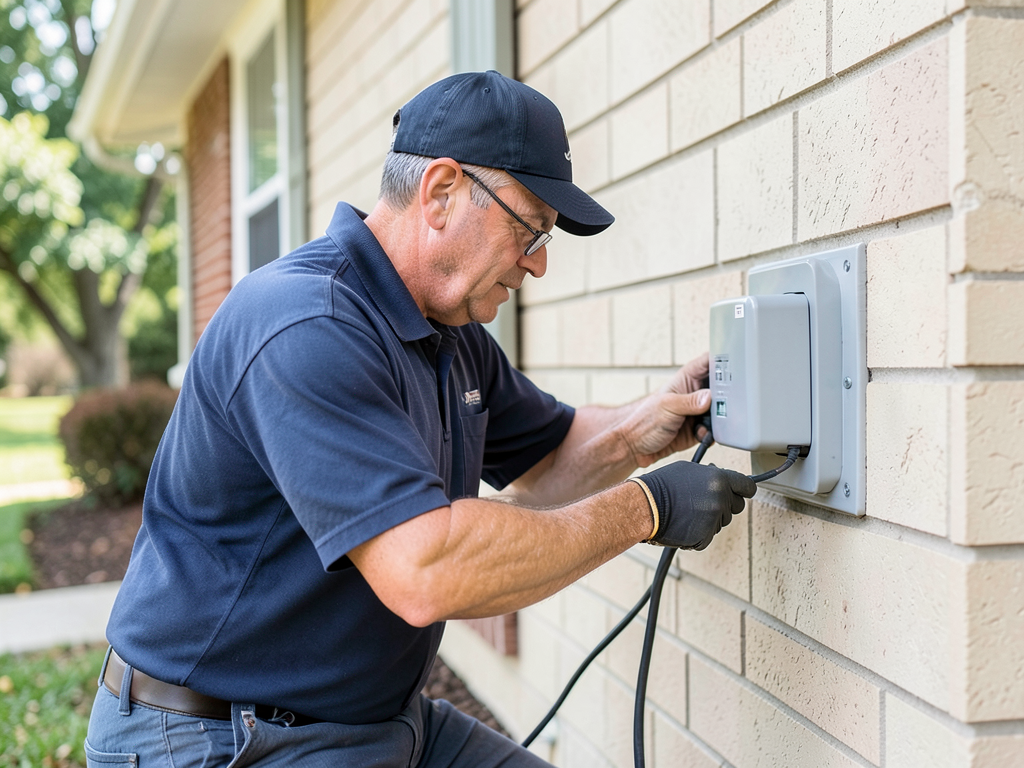
Why Your Nashville HVAC Needs Surge Protection Nashville homeowners face a hidden threat that strikes without warning: electrical surges from lightning storms. These power spikes can instantly destroy your air conditioner's control board or compressor…
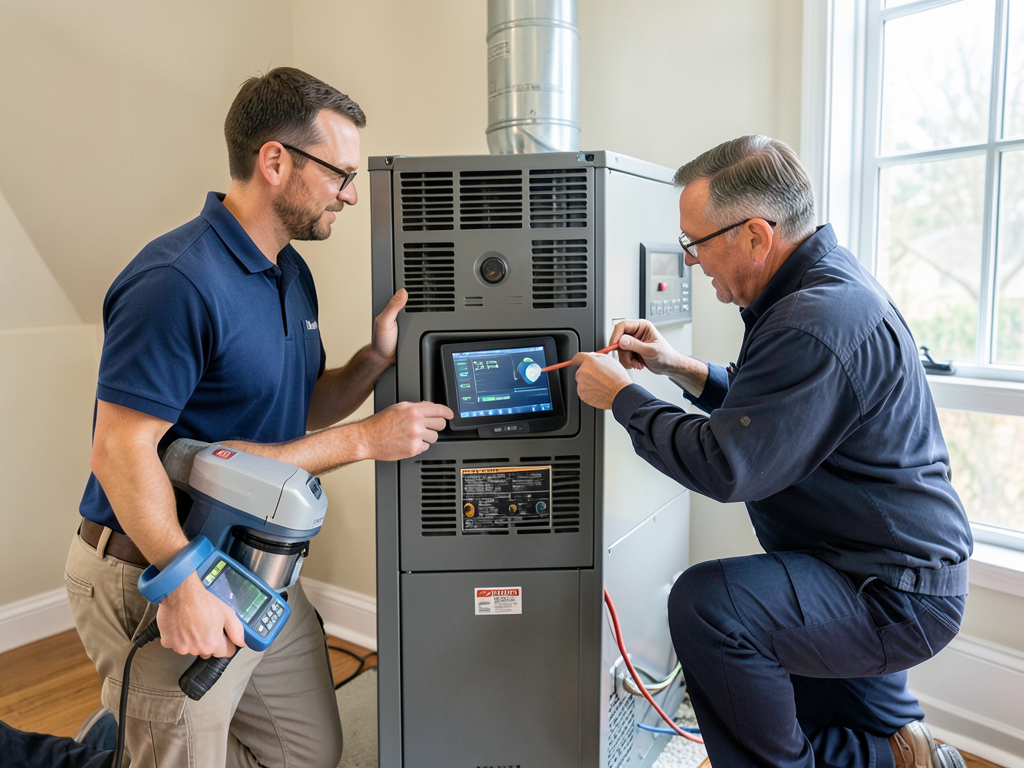
Understanding the difference between a furnace and a boiler for older Middle Tennessee homes Choosing…
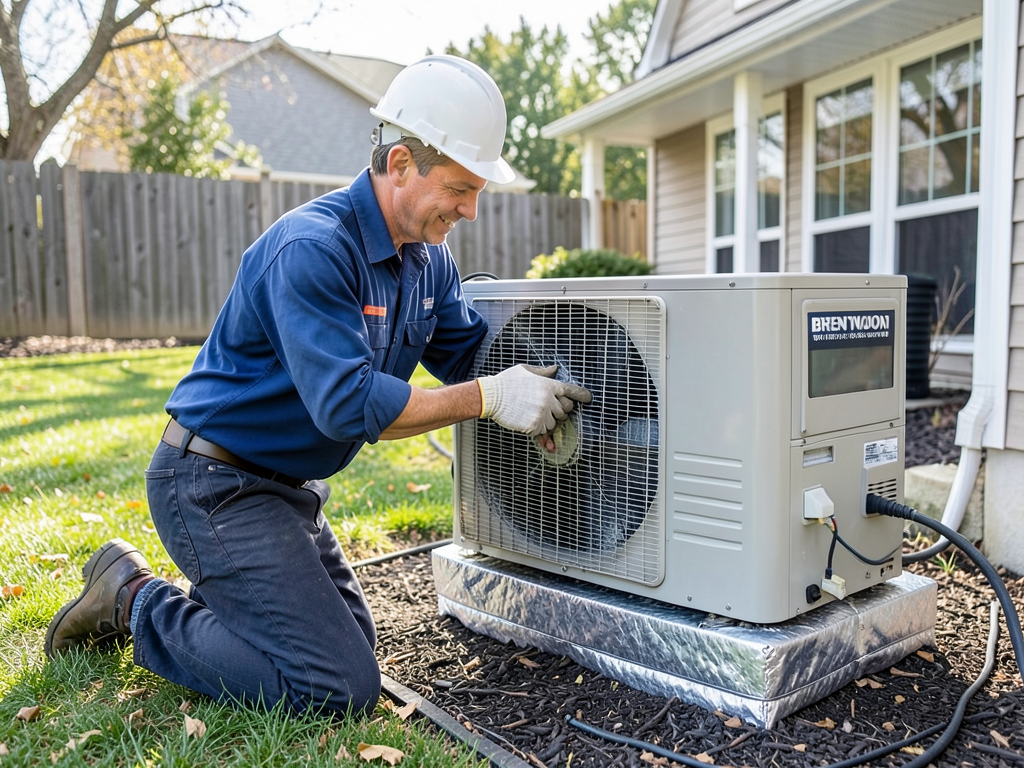
How to choose a quiet HVAC system that won't disturb your neighbors in Brentwood Living…

Keeping your boat house or lakeside cabin comfortable with a mini split system\n\nThe humid summers…
Your comfort and safety matter. When your system fails, Alpha HVAC Nashville responds immediately with experienced technicians ready to solve the problem. Call (615) 552-1922 now for emergency repair or schedule maintenance to prevent breakdowns before they happen.