
Choosing the Right HVAC System for Your New Luxury Pool House in Belle Meade
Building a luxury pool house in Belle Meade means creating a space that stays comfortable year-round despite Nashville’s high humidity and the unique challenges of pool air. The right HVAC system does more than cool the air—it manages moisture, prevents corrosion, and keeps your pool house fresh and inviting. This guide breaks down the best HVAC solutions for Nashville pool houses, focusing on what actually works in Middle Tennessee’s climate. Nashville AC Repair Companies That Actually Answer the Phone on Weekends.
The Unique Challenges of Pool House Climate Control
Pool houses face environmental conditions that standard rooms do not. Chlorine and bromine off-gassing create corrosive air that attacks metal components. High humidity levels from evaporation can cause condensation on cool surfaces, leading to mold growth and structural damage. Rapid temperature swings between day and night stress HVAC equipment. Storm Damage HVAC Repair.
In Belle Meade, summer dew points regularly climb above 70°F, meaning the air holds substantial moisture. Standard residential cooling systems often cannot handle this latent heat load, leaving your pool house feeling damp and uncomfortable. The solution requires equipment designed specifically for high-moisture environments. The Best High Efficiency HVAC Systems for Luxury Homes in Brentwood.
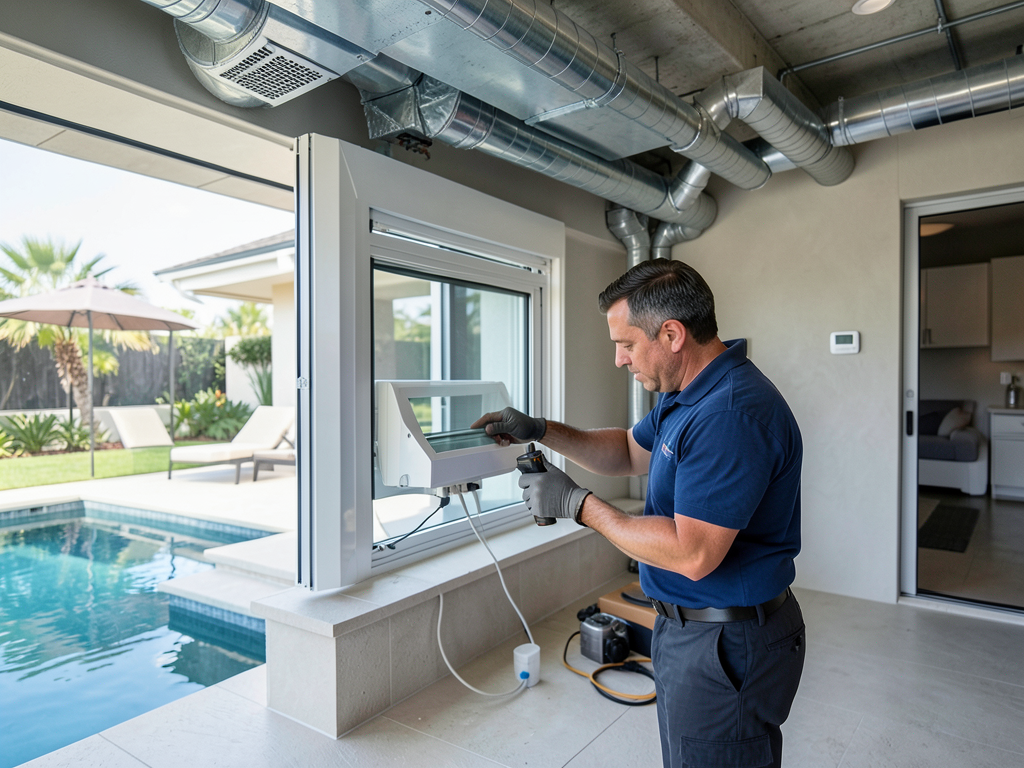
Top 3 HVAC Solutions for Nashville Pool Houses
Ductless Mini-Split Systems with Dehumidification
Mini-split heat pumps offer zoned comfort and high efficiency for pool houses up to 1,500 square feet. Modern inverter-driven compressors adjust output to match demand, reducing energy consumption by up to 30% compared to single-stage units. Look for models with enhanced dehumidification modes that can run the fan slower to extract more moisture.. Read more about Keeping your boat house or lakeside cabin comfortable with a mini split system.
Corrosion-resistant coils with epoxy coatings protect against chlorine damage. Units with washable filters make maintenance easier in pool environments. Most mini-splits install without ductwork, preserving ceiling height and architectural lines in luxury designs.
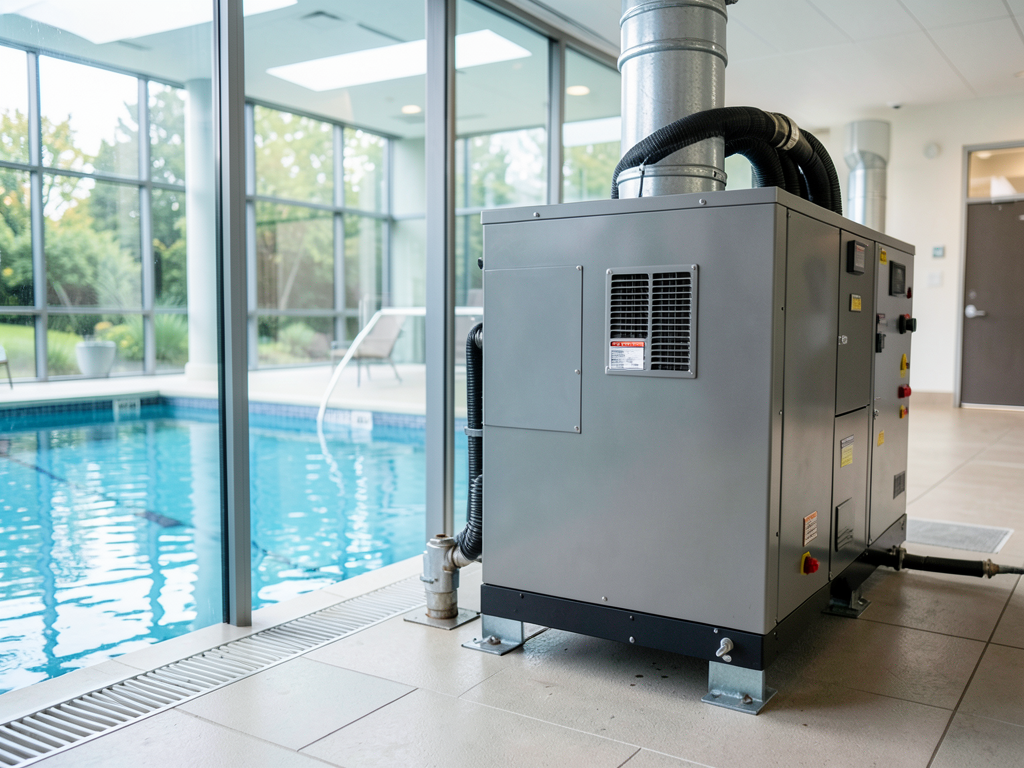
Packaged Natatorium Units
For larger pool houses or those with indoor spas, packaged natatorium units combine cooling, heating, and dedicated dehumidification in one cabinet. These systems use heat recovery to warm pool water while removing moisture from the air, improving overall efficiency. Heating and Cooling Historic Germantown Homes Without Bulky Ductwork.
Commercial-grade components withstand the harsh chemical environment. Fresh air ventilation options help dilute chloramine concentrations. These units typically require ductwork but provide the most robust solution for year-round humidity control in Middle Tennessee’s climate.
Dedicated Dehumidification Systems
Sometimes the best approach pairs a standard cooling system with a dedicated pool dehumidifier. These units can remove 100-300 pints of moisture per day, far exceeding standard AC capacity. They work independently of your cooling system, allowing precise humidity control regardless of temperature setpoints.. Read more about Selecting a Discreet HVAC System That Won’t Ruin Your West Meade Landscape Design.
Pool-specific dehumidifiers often include reheat functions to warm the air after moisture removal, preventing cold drafts. They integrate with your pool’s chemical control system to optimize ventilation based on actual chlorine levels.
Nashville Climate Considerations
Middle Tennessee’s humid subtropical climate creates year-round moisture challenges. July and August bring average relative humidity above 70%, with afternoon heat indexes regularly exceeding 100°F. Spring thunderstorms dump heavy rain, increasing ambient moisture levels.
Winter brings its own concerns. Cold snaps can cause condensation on poorly insulated ductwork or glass surfaces. Freeze-thaw cycles stress building materials, potentially creating air leaks that allow humid outdoor air infiltration.
According to the National Weather Service, Nashville receives an average of 47 inches of rainfall annually, compared to the national average of 38 inches. This excess moisture means your pool house HVAC must work harder than systems in drier climates. National Weather Service climate data.
Installation and Ventilation Requirements
Proper ventilation prevents chloramine buildup and maintains air quality. The American Society of Heating, Refrigerating and Air-Conditioning Engineers (ASHRAE) Standard 62.1 requires outdoor air ventilation rates of 0.48 cubic feet per minute per square foot for indoor pool areas. ASHRAE Standard 62.1.
Negative pressure design keeps pool air contained. Return air ducts should pull from the pool area while supply vents push air toward exhaust points. This prevents pool smells from migrating into your main house through doorways or gaps.
Corrosion-resistant materials extend equipment life. Aluminum fins with epoxy coatings resist chlorine damage better than standard copper. PVC-coated ductwork prevents condensation and chemical attack. Stainless steel drain pans resist rust in high-moisture environments.
Mount equipment on vibration isolators to reduce noise transmission through pool house structures. Locate condensers away from pool decks where splashed water could cause damage. Ensure condensate drains slope properly to prevent standing water that breeds bacteria. HVAC Mount Juliet.
Estimated Costs and ROI
Basic mini-split installations for pool houses typically range from $4,000 to $8,000 depending on capacity and features. Mid-range packaged units cost $8,000 to $15,000 installed. High-end natatorium systems with dedicated dehumidification run $15,000 to $30,000.
Energy savings from inverter technology and heat recovery can offset 15-25% of operating costs annually. Corrosion-resistant components last 2-3 years longer than standard equipment, reducing replacement frequency. Proper humidity control prevents costly mold remediation and structural repairs.
Tennessee Valley Authority offers rebates for high-efficiency HVAC equipment. Check their website for current incentives. Some pool house dehumidifiers qualify for energy efficiency tax credits under federal programs.
Making the Right Choice for Your Belle Meade Pool House
Consider your pool house size, usage patterns, and budget when selecting equipment. A 400-square-foot pool house used occasionally might work well with a high-capacity mini-split. A 1,200-square-foot space with an indoor spa needs commercial-grade equipment.
Factor in aesthetics. Mini-splits mount on walls or ceilings with minimal visual impact. Packaged units require dedicated mechanical rooms but provide superior performance. Dedicated dehumidifiers need floor space but offer the most precise moisture control.
Professional load calculations ensure proper sizing. Undersized equipment runs constantly without achieving comfort. Oversized units short-cycle, failing to remove adequate moisture. A qualified HVAC contractor measures your space, accounts for pool evaporation rates, and calculates the exact capacity needed.
Call (615) 552-1922 today to schedule your pool house HVAC consultation. Our Middle Tennessee experts understand the unique challenges of Nashville’s climate and can design a system that keeps your pool house comfortable year-round.
Frequently Asked Questions
What size HVAC system do I need for a pool house?
Pool house HVAC sizing depends on square footage, ceiling height, insulation levels, and pool evaporation rates. A typical 500-square-foot pool house needs 12,000-15,000 BTU cooling capacity plus 30-50 pints per day of dehumidification. Professional load calculations account for all these factors.
How often should pool house HVAC equipment be serviced?
Service pool house HVAC systems twice yearly—once before cooling season and once before heating season. Pool environments require more frequent filter changes, typically every 30-60 days. Check condensate drains monthly during heavy use periods to prevent clogs.. Read more about The best ways to keep your garage gym cool during a brutal Tennessee July.
Can I use my home’s HVAC system for the pool house?
Extending your home’s HVAC to a pool house often fails because standard systems cannot handle the high latent heat load. Pool air requires specialized equipment with enhanced dehumidification capabilities. Separate systems provide better control and protect your main house from moisture and chemical exposure.
What maintenance prevents corrosion in pool house HVAC systems?
Regular cleaning of coils with specialized pool-safe cleaners prevents buildup. Replace standard filters with high-efficiency pleated filters that trap more particles. Inspect and clean condensate drains to prevent standing water. Consider installing sacrificial zinc anodes near equipment to absorb corrosive elements before they damage components.
{
“@context”: “https://schema.org”,
“@type”: “BlogPosting”,
“headline”: “Choosing the Right HVAC System for Your New Luxury Pool House in Belle Meade”,
“description”: “Discover the best HVAC solutions for your Belle Meade pool house. Learn how to control humidity, prevent corrosion, and maintain comfort in Nashville’s humid climate.”,
“wordCount”: 1219,
“datePublished”: “2026-05-15T14:34:00.000Z”,
“dateModified”: “2026-05-15T14:34:00.000Z”,
“inLanguage”: “en-US”,
“mainEntityOfPage”: {
“@type”: “WebPage”,
“@id”: “https://alphahvacnashville.com”
},
“publisher”: {
“@type”: “LocalBusiness”,
“name”: “Alpha HVAC Nashville”,
“url”: “https://alphahvacnashville.com”
},
“author”: {
“@type”: “Organization”,
“name”: “Alpha HVAC Nashville”,
“url”: “https://alphahvacnashville.com”
},
“image”: {
“@type”: “ImageObject”,
“url”: “https://alphahvacnashville.com/wp-content/uploads/2026/03/choosing-the-right-hvac-system-for-your-new-luxury-1.png”
}
}
{
“@context”: “https://schema.org”,
“@type”: “HVACBusiness”,
“name”: “Alpha HVAC Nashville”,
“url”: “https://alphahvacnashville.com”,
“address”: {
“@type”: “PostalAddress”,
“addressLocality”: “Nashville”
},
“areaServed”: {
“@type”: “City”,
“name”: “Nashville”
}
}
{
“@context”: “https://schema.org”,
“@type”: “FAQPage”,
“mainEntity”: [
{
“@type”: “Question”,
“name”: “What size HVAC system do I need for a pool house?”,
“acceptedAnswer”: {
“@type”: “Answer”,
“text”: “Pool house HVAC sizing depends on square footage, ceiling height, insulation levels, and pool evaporation rates. A typical 500-square-foot pool house needs 12,000-15,000 BTU cooling capacity plus 30-50 pints per day of dehumidification. Professional load calculations account for all these factors.”
}
},
{
“@type”: “Question”,
“name”: “How often should pool house HVAC equipment be serviced?”,
“acceptedAnswer”: {
“@type”: “Answer”,
“text”: “Service pool house HVAC systems twice yearly—once before cooling season and once before heating season. Pool environments require more frequent filter changes, typically every 30-60 days. Check condensate drains monthly during heavy use periods to prevent clogs.”
}
},
{
“@type”: “Question”,
“name”: “Can I use my home’s HVAC system for the pool house?”,
“acceptedAnswer”: {
“@type”: “Answer”,
“text”: “Extending your home’s HVAC to a pool house often fails because standard systems cannot handle the high latent heat load. Pool air requires specialized equipment with enhanced dehumidification capabilities. Separate systems provide better control and protect your main house from moisture and chemical exposure.”
}
},
{
“@type”: “Question”,
“name”: “What maintenance prevents corrosion in pool house HVAC systems?”,
“acceptedAnswer”: {
“@type”: “Answer”,
“text”: “Regular cleaning of coils with specialized pool-safe cleaners prevents buildup. Replace standard filters with high-efficiency pleated filters that trap more particles. Inspect and clean condensate drains to prevent standing water. Consider installing sacrificial zinc anodes near equipment to absorb corrosive elements before they damage components.”
}
}
]
}
{
“@context”: “https://schema.org”,
“@type”: “BreadcrumbList”,
“itemListElement”: [
{
“@type”: “ListItem”,
“position”: 1,
“name”: “Home”,
“item”: “https://alphahvacnashville.com”
},
{
“@type”: “ListItem”,
“position”: 2,
“name”: “Blog”,
“item”: “https://alphahvacnashville.com/blog”
},
{
“@type”: “ListItem”,
“position”: 3,
“name”: “Choosing the Right HVAC System for Your New Luxury Pool House in Belle Meade”
}
]
}
{
“@context”: “https://schema.org”,
“@type”: “Service”,
“serviceType”: “HVAC”,
“provider”: {
“@type”: “LocalBusiness”,
“name”: “Alpha HVAC Nashville”,
“url”: “https://alphahvacnashville.com”
},
“areaServed”: {
“@type”: “City”,
“name”: “Nashville”
},
“description”: “Discover the best HVAC solutions for your Belle Meade pool house. Learn how to control humidity, prevent corrosion, and maintain comfort in Nashville’s humid climate.”
}