
Why an Energy Recovery Ventilator (ERV) is Essential for Tight New Builds in Wedgewood-Houston
Modern construction in Nashville’s Wedgewood-Houston neighborhood creates homes that are incredibly airtight for energy efficiency. While this reduces heating and cooling costs, it also traps indoor pollutants, excess moisture, and stale air inside your home. An Energy Recovery Ventilator (ERV) solves this problem by continuously exchanging indoor air with fresh outdoor air while recovering energy from the exhaust stream. In Nashville’s humid subtropical climate, where summer humidity regularly exceeds 70%, an ERV is not just beneficial—it’s essential for maintaining healthy indoor air quality and preventing moisture damage in your new construction home. Energy Efficient Home Improvement Credit.
The unique combination of Nashville’s high humidity, temperature swings, and modern building practices makes ERVs particularly valuable in the 37203 zip code area. Without proper ventilation, tightly sealed homes in Wedgewood-Houston can experience condensation on windows, musty odors, and even mold growth within months of occupancy. An ERV system addresses these issues while actually reducing the load on your HVAC system by preconditioning incoming air. Nashville AC Repair Companies That Actually Answer the Phone on Weekends.
How Nashville’s Climate Makes ERVs Different from Other Regions
Nashville’s climate presents unique challenges that make ERV selection and installation different from what works in drier regions. The Tennessee Valley Authority service area experiences some of the highest humidity levels in the continental United States, particularly during July and August when relative humidity often stays above 65% even during peak afternoon heat.
This persistent moisture in the air means that a standard Heat Recovery Ventilator (HRV), which transfers only heat between air streams, would actually worsen indoor humidity problems by bringing in moisture-laden outdoor air. An ERV, however, transfers both heat and moisture, helping to balance indoor humidity levels throughout the year.
According to ASHRAE Standard 62.2, modern homes require mechanical ventilation to maintain healthy indoor air quality. In Nashville’s climate, this translates to approximately 0.35 air changes per hour for a typical 2,500-square-foot home, or about 50 cubic feet per minute of continuous ventilation. An ERV system provides this ventilation while recovering up to 80% of the energy that would otherwise be lost through simple exhaust fans. ASHRAE Standard 62.2.
ERV vs. HRV: Why ERVs Win in Middle Tennessee
Understanding the difference between ERVs and HRVs is crucial for Nashville homeowners. While both systems provide fresh air ventilation, they handle moisture very differently. An HRV transfers only sensible heat between exhaust and supply air streams, while an ERV transfers both sensible heat and latent heat (moisture). The Best High Efficiency HVAC Systems for Luxury Homes in Brentwood.
In Nashville’s humid climate, this moisture transfer capability makes ERVs significantly more effective. During summer months, an ERV helps remove excess indoor humidity by transferring moisture from incoming air to the drier exhaust air. In winter, it helps retain indoor moisture when outdoor air is extremely dry.
The technical advantage becomes clear when examining energy recovery efficiency. A typical HRV might recover 70-80% of sensible heat, but an ERV in Nashville’s climate recovers 60-70% of total energy (both heat and moisture). This translates to lower cooling costs in summer and reduced heating costs in winter, while maintaining optimal indoor humidity levels between 40-60%. Heating and Cooling Historic Germantown Homes Without Bulky Ductwork.
Additionally, ERVs help filter incoming air through high-quality MERV 13 filters, removing pollen, dust, and other particulates common in Middle Tennessee. This is particularly important during spring allergy season when oak, cedar, and pine pollen counts can reach extremely high levels in Davidson County.
Installation Process for New Construction in Wedgewood-Houston
Installing an ERV in new construction requires careful planning during the building phase. The system needs dedicated ductwork that runs from the ERV unit to both supply and return air connections throughout the home. In Wedgewood-Houston’s newer developments, where homes often feature open floor plans and high ceilings, the ductwork layout must be optimized for even air distribution.. Read more about How a high-end HVAC filtration system can help your pets breathe easier during Nashville allergy season.
The installation process typically follows these steps:
- System Design and Load Calculation
Our technicians perform Manual J calculations to determine the exact ventilation requirements based on your home’s size, occupancy, and local climate conditions. This ensures the ERV provides adequate fresh air without overworking your HVAC system.
- Ductwork Integration
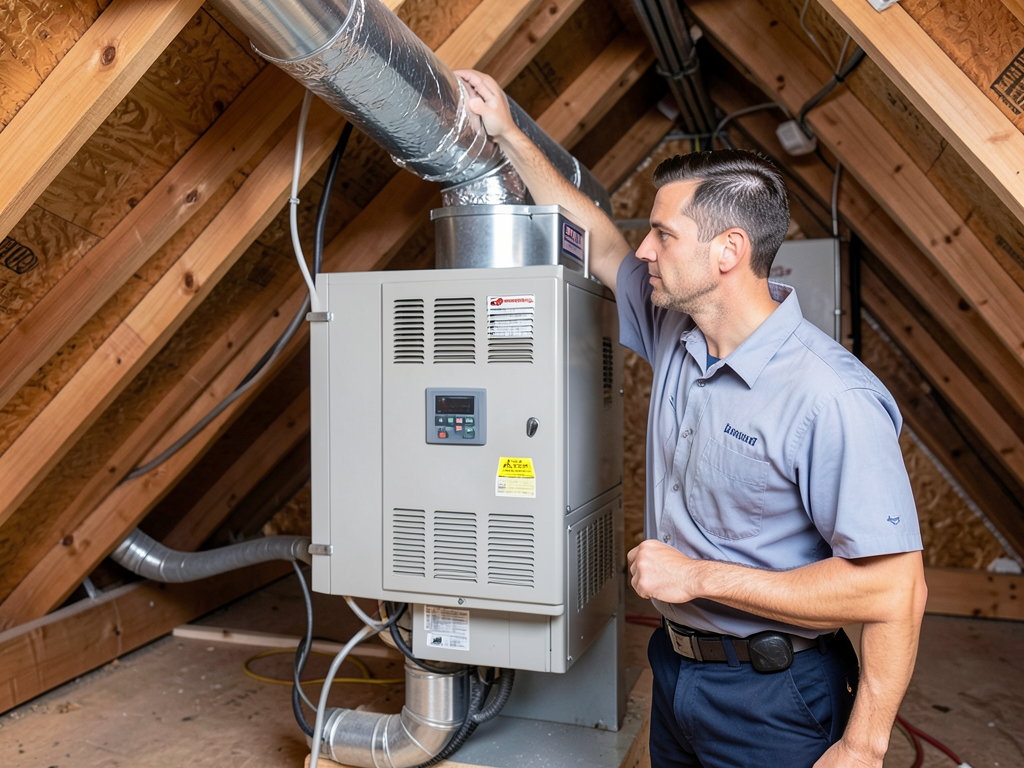
We install dedicated supply and return ducts that connect to the ERV unit, typically located in an attic or mechanical closet. The ductwork is sized according to ACCA Manual D standards to ensure proper airflow distribution.
- Unit Mounting and Electrical Connection
The ERV unit is mounted on vibration isolators to minimize noise transmission. We connect it to a dedicated 120V circuit with proper surge protection, crucial in Nashville’s storm-prone climate. Storm Damage HVAC Repair.
- Control System Integration
The ERV is integrated with your home’s thermostat or installed with its own controls. Many Nashville homeowners opt for smart controls that adjust ventilation rates based on occupancy, humidity levels, or outdoor air quality.
- System Balancing and Testing
We use specialized airflow measurement tools to balance the system, ensuring each room receives the proper amount of fresh air. This step is critical for optimal performance and energy efficiency. HVAC Mount Juliet.
Proper installation in Nashville’s climate also includes considerations for condensate management. The ERV’s condensate drain must be connected to your home’s plumbing system with an air gap to prevent cross-contamination, and the drain line must be properly insulated to prevent sweating in our humid summers.
Signs Your Wedgewood-Houston Home Has Poor Indoor Air Quality
Many homeowners in the Wedgewood-Houston area don’t realize they have indoor air quality problems until symptoms become severe. Common signs include persistent condensation on windows, especially during temperature swings common in Middle Tennessee’s transitional seasons. You might notice a stale or musty odor that doesn’t go away with regular cleaning.
Health symptoms often indicate poor ventilation. Residents may experience increased allergy symptoms, frequent headaches, or respiratory irritation. These issues can be particularly pronounced in tightly sealed new construction homes where pollutants from furniture, cleaning products, and building materials accumulate without proper air exchange.
High indoor humidity is another red flag. In Nashville’s climate, indoor humidity should stay between 40-60%. Levels consistently above 60% can lead to condensation on cool surfaces, creating ideal conditions for mold growth. You might notice water stains on ceilings or walls, particularly in bathrooms or kitchens where moisture generation is highest.
Energy bills can also indicate ventilation problems. If your HVAC system seems to run constantly but your home never feels quite comfortable, poor air exchange might be forcing your system to work harder than necessary. An ERV can reduce this load by preconditioning incoming air, potentially saving 10-15% on heating and cooling costs.
Maintenance Requirements for Nashville’s Climate
Maintaining an ERV in Nashville’s climate requires attention to seasonal changes and local environmental factors. The system’s filters need replacement every 3-6 months, depending on your home’s specific conditions. During spring pollen season, when oak and cedar pollen counts can exceed 1,000 grains per cubic meter in Davidson County, more frequent filter changes may be necessary.. Read more about Maintaining rooftop HVAC units on modern townhomes in The Nations.
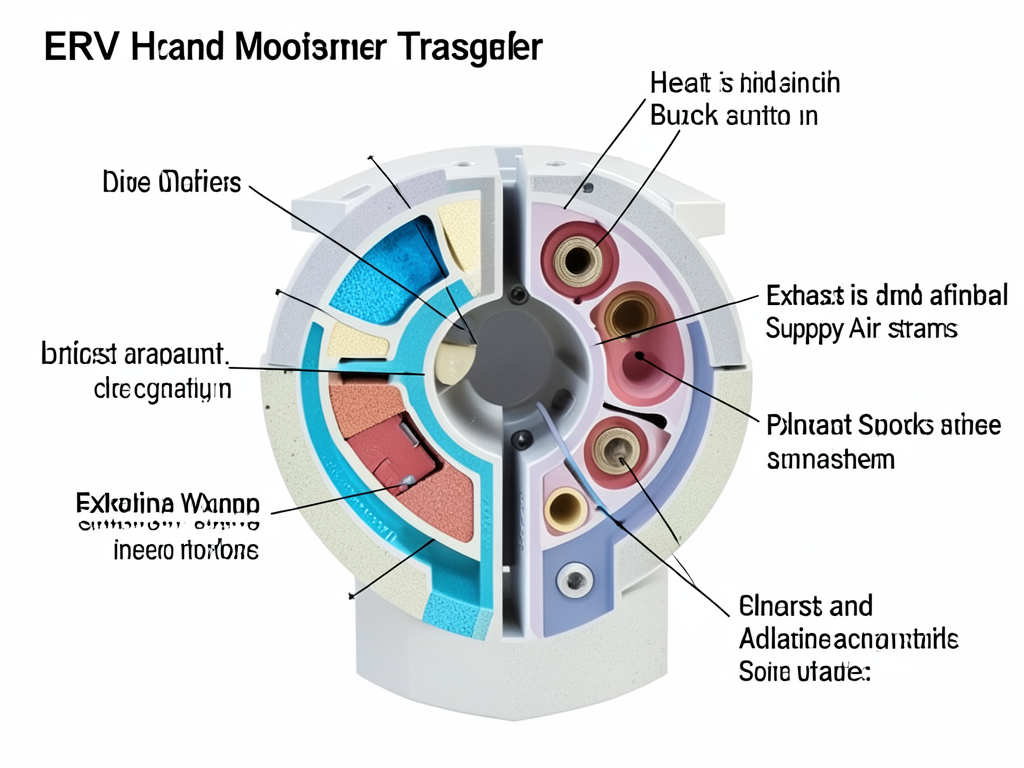
The ERV’s core, which transfers heat and moisture between air streams, requires cleaning every 6-12 months. In Nashville’s humid climate, this core can accumulate biological growth if not properly maintained. We recommend professional cleaning during the spring or fall when HVAC usage is lower.
Condensate drain maintenance is particularly important in our climate. The drain line should be flushed with a vinegar solution every 3-4 months to prevent algae growth, which is common in Nashville’s warm, humid conditions. The drain pan should be inspected for cracks or damage that could lead to water leaks.
Seasonal adjustments to the ERV’s operation can optimize performance. During peak summer humidity, you might want to reduce the ventilation rate slightly to minimize moisture introduction, while increasing it during milder spring and fall months when outdoor air quality is excellent and humidity is moderate.
Energy Efficiency and Cost Savings in Middle Tennessee
The energy recovery capabilities of an ERV translate to significant cost savings in Nashville’s climate. By preconditioning incoming air, an ERV can reduce the load on your HVAC system by 10-20%. In a typical 2,500-square-foot home, this can mean annual savings of $150-300 on utility bills, depending on your specific system and usage patterns.
The savings are particularly noticeable during shoulder seasons when outdoor temperatures are moderate but humidity remains high. During these periods, an ERV can provide adequate ventilation without triggering your air conditioner, which would otherwise need to remove the moisture from incoming air.
Many Nashville homeowners qualify for TVA EnergyRight rebates when installing high-efficiency ventilation systems. The current program offers rebates of up to $300 for ERV installations that meet specific efficiency criteria. Additionally, the federal Energy Efficient Home Improvement Credit (25C) provides a tax credit of up to $2,000 for qualifying ventilation improvements.
When evaluating the investment, consider that an ERV typically costs $3,000-5,000 installed in the Nashville area. With energy savings, rebates, and the extended lifespan of your HVAC equipment due to reduced runtime, most systems pay for themselves within 5-7 years while providing improved indoor air quality throughout their 15-20 year lifespan.
Top ERV Brands for Nashville Homes
Several manufacturers produce ERVs specifically designed for humid climates like Nashville’s. Here’s a comparison of top options:
| Brand | Model Series | Key Features for Nashville | Typical Cost Range |
|---|---|---|---|
| Honeywell | TrueEASE™ | Advanced humidity control, smart home integration | $3,200 – $4,500 |
| Broan | ERV Series | Corrosion-resistant components, easy maintenance | $2,800 – $4,200 |
| Aprilaire | ERV Models | High-efficiency cores, quiet operation | $3,100 – $4,400 |
| Fantech | ERV Elite | Commercial-grade components, high capacity | $2,900 – $4,100 |
When selecting an ERV for your Wedgewood-Houston home, consider factors beyond just price. The unit’s sound level is important, as ERVs are typically installed near living spaces. Energy efficiency ratings, particularly the Sensible Recovery Efficiency (SRE) and Latent Recovery Efficiency (LRE), indicate how well the unit will perform in Nashville’s humid conditions.
Warranty coverage varies by manufacturer, with most offering 5-10 year warranties on major components. Look for units with good local support and readily available replacement parts, as this can significantly impact long-term maintenance costs.
Frequently Asked Questions
Will an ERV make my home too humid in summer?
No, a properly sized ERV actually helps manage humidity in Nashville’s climate. The system transfers moisture from incoming air to exhaust air during summer months, preventing excess humidity introduction. If you’re experiencing high humidity with an ERV, the system may be undersized or require maintenance.
How does an ERV differ from my bathroom exhaust fan?
While both provide ventilation, an ERV is a whole-house system that continuously exchanges air while recovering energy. Bathroom fans only exhaust air from one room without bringing in fresh air or recovering energy. An ERV provides balanced ventilation throughout your entire home.
Can I install an ERV in my existing Wedgewood-Houston home?
Yes, ERVs can be retrofitted into existing homes, though installation is more complex than in new construction. The process involves running new ductwork through walls and ceilings, which may require drywall repair. Many older homes in the area benefit significantly from ERV installation due to their original construction predating modern ventilation standards.
How often should I run my ERV in Nashville?
Most ERVs should run continuously at a low speed, with intermittent high-speed operation for boost ventilation during cooking or showering. In Nashville’s climate, continuous operation helps maintain consistent indoor air quality while the energy recovery features minimize energy costs.
Does an ERV filter outdoor air pollution?
Yes, ERVs include high-quality filters that remove pollen, dust, and other particulates from incoming air. In Nashville, where spring pollen counts can be extremely high, this filtration is particularly valuable. Most systems use MERV 13 filters, which capture particles as small as 1 micron.
Take Control of Your Indoor Air Quality Today
The tight construction of modern homes in Nashville’s Wedgewood-Houston neighborhood creates a ventilation challenge that only a properly designed ERV system can solve. With our unique combination of high humidity, temperature extremes, and energy-efficient building practices, an ERV isn’t just an upgrade—it’s becoming a necessity for healthy, comfortable living.
Don’t wait until you notice condensation on your windows or experience allergy symptoms that won’t go away. Our team of certified HVAC professionals understands the specific challenges of Middle Tennessee’s climate and can design an ERV system that perfectly matches your home’s needs.
Call (615) 552-1922 today to schedule your free consultation. We’ll assess your current ventilation, explain your options, and provide a detailed quote for installing an ERV system that will improve your indoor air quality while reducing your energy costs. Serving Wedgewood-Houston and all of Middle Tennessee with expert HVAC solutions since 2010.
Pick up the phone and call (615) 552-1922 before the next humid Nashville summer makes your indoor air quality problems even worse. Your family deserves to breathe clean, fresh air in your new construction home.
You may also find this helpful. Why your AC smells like a gym locker and how to get rid of dirty sock syndrome for good.
{
“@context”: “https://schema.org”,
“@type”: “BlogPosting”,
“headline”: “Why an Energy Recovery Ventilator (ERV) is Essential for Tight New Builds in Wedgewood-Houston”,
“description”: “Discover why ERV systems are critical for new construction in Nashville’s humid climate. Learn how ERVs improve indoor air quality and energy efficiency in Wedgewood-Houston.”,
“wordCount”: 2136,
“datePublished”: “2026-05-17T11:34:00.000Z”,
“dateModified”: “2026-05-17T11:34:00.000Z”,
“inLanguage”: “en-US”,
“mainEntityOfPage”: {
“@type”: “WebPage”,
“@id”: “https://alphahvacnashville.com”
},
“publisher”: {
“@type”: “LocalBusiness”,
“name”: “Alpha HVAC Nashville”,
“url”: “https://alphahvacnashville.com”
},
“author”: {
“@type”: “Organization”,
“name”: “Alpha HVAC Nashville”,
“url”: “https://alphahvacnashville.com”
},
“image”: {
“@type”: “ImageObject”,
“url”: “https://alphahvacnashville.com/wp-content/uploads/2026/03/why-an-energy-recovery-ventilator-erv-is-essential-1.png”
}
}
{
“@context”: “https://schema.org”,
“@type”: “HVACBusiness”,
“name”: “Alpha HVAC Nashville”,
“url”: “https://alphahvacnashville.com”,
“address”: {
“@type”: “PostalAddress”,
“addressLocality”: “Nashville”
},
“areaServed”: {
“@type”: “City”,
“name”: “Nashville”
}
}
{
“@context”: “https://schema.org”,
“@type”: “FAQPage”,
“mainEntity”: [
{
“@type”: “Question”,
“name”: “Will an ERV make my home too humid in summer?”,
“acceptedAnswer”: {
“@type”: “Answer”,
“text”: “No, a properly sized ERV actually helps manage humidity in Nashville’s climate. The system transfers moisture from incoming air to exhaust air during summer months, preventing excess humidity introduction. If you’re experiencing high humidity with an ERV, the system may be undersized or require maintenance.”
}
},
{
“@type”: “Question”,
“name”: “How does an ERV differ from my bathroom exhaust fan?”,
“acceptedAnswer”: {
“@type”: “Answer”,
“text”: “While both provide ventilation, an ERV is a whole-house system that continuously exchanges air while recovering energy. Bathroom fans only exhaust air from one room without bringing in fresh air or recovering energy. An ERV provides balanced ventilation throughout your entire home.”
}
},
{
“@type”: “Question”,
“name”: “How often should I run my ERV in Nashville?”,
“acceptedAnswer”: {
“@type”: “Answer”,
“text”: “Most ERVs should run continuously at a low speed, with intermittent high-speed operation for boost ventilation during cooking or showering. In Nashville’s climate, continuous operation helps maintain consistent indoor air quality while the energy recovery features minimize energy costs.”
}
},
{
“@type”: “Question”,
“name”: “Does an ERV filter outdoor air pollution?”,
“acceptedAnswer”: {
“@type”: “Answer”,
“text”: “Yes, ERVs include high-quality filters that remove pollen, dust, and other particulates from incoming air. In Nashville, where spring pollen counts can be extremely high, this filtration is particularly valuable. Most systems use MERV 13 filters, which capture particles as small as 1 micron.”
}
}
]
}
{
“@context”: “https://schema.org”,
“@type”: “HowTo”,
“name”: “ERV Installation Process”,
“step”: [
{
“@type”: “HowToStep”,
“position”: 1,
“name”: “System Design and Load Calculation”,
“text”: “Our technicians perform Manual J calculations to determine the exact ventilation requirements based on your home’s size, occupancy, and local climate conditions. This ensures the ERV provides adequate fresh air without overworking your HVAC system.”
},
{
“@type”: “HowToStep”,
“position”: 2,
“name”: “Ductwork Integration”,
“text”: “We install dedicated supply and return ducts that connect to the ERV unit, typically located in an attic or mechanical closet. The ductwork is sized according to ACCA Manual D standards to ensure proper airflow distribution.”
},
{
“@type”: “HowToStep”,
“position”: 3,
“name”: “Unit Mounting and Electrical Connection”,
“text”: “The ERV unit is mounted on vibration isolators to minimize noise transmission. We connect it to a dedicated 120V circuit with proper surge protection, crucial in Nashville’s storm-prone climate. Storm Damage HVAC Repair.”
},
{
“@type”: “HowToStep”,
“position”: 4,
“name”: “Control System Integration”,
“text”: “The ERV is integrated with your home’s thermostat or installed with its own controls. Many Nashville homeowners opt for smart controls that adjust ventilation rates based on occupancy, humidity levels, or outdoor air quality.”
},
{
“@type”: “HowToStep”,
“position”: 5,
“name”: “System Balancing and Testing”,
“text”: “We use specialized airflow measurement tools to balance the system, ensuring each room receives the proper amount of fresh air. This step is critical for optimal performance and energy efficiency. HVAC Mount Juliet.”
}
],
“image”: “https://alphahvacnashville.com/wp-content/uploads/2026/03/why-an-energy-recovery-ventilator-erv-is-essential-1.png”
}
{
“@context”: “https://schema.org”,
“@type”: “BreadcrumbList”,
“itemListElement”: [
{
“@type”: “ListItem”,
“position”: 1,
“name”: “Home”,
“item”: “https://alphahvacnashville.com”
},
{
“@type”: “ListItem”,
“position”: 2,
“name”: “Blog”,
“item”: “https://alphahvacnashville.com/blog”
},
{
“@type”: “ListItem”,
“position”: 3,
“name”: “Why an Energy Recovery Ventilator (ERV) is Essential for Tight New Builds in Wedgewood-Houston”
}
]
}
{
“@context”: “https://schema.org”,
“@type”: “Service”,
“serviceType”: “HVAC”,
“provider”: {
“@type”: “LocalBusiness”,
“name”: “Alpha HVAC Nashville”,
“url”: “https://alphahvacnashville.com”
},
“areaServed”: {
“@type”: “City”,
“name”: “Nashville”
},
“description”: “Discover why ERV systems are critical for new construction in Nashville’s humid climate. Learn how ERVs improve indoor air quality and energy efficiency in Wedgewood-Houston.”
}