
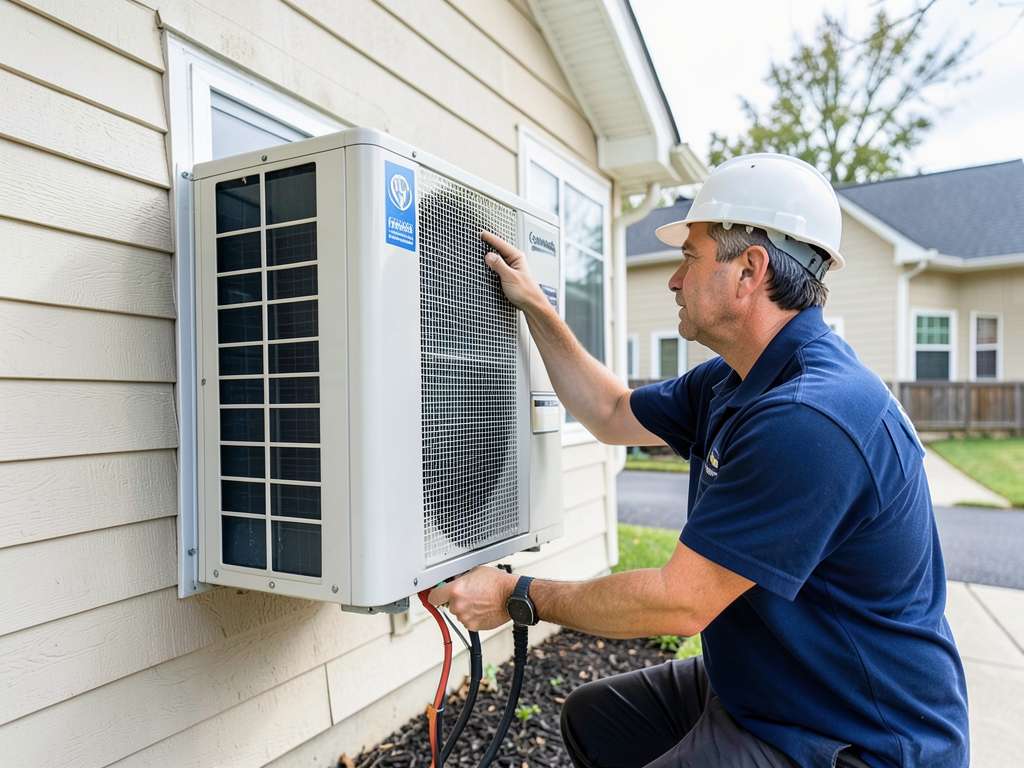
Why Nashville Homeowners Choose Between Goodman and Amana
Both Goodman and Amana offer reliable heating and cooling systems that fit middle Tennessee budgets. The choice between them depends on your home’s needs, your budget, and how long you plan to stay in your current house. The Best High Efficiency HVAC Systems for Luxury Homes in Brentwood.
Goodman focuses on value engineering with solid performance at lower price points. Amana emphasizes premium features and longer warranties that protect your investment over time. Both brands share Daikin’s manufacturing expertise but target different customer priorities. Daikin Comfort Technologies.
Nashville’s climate creates unique demands. Our hot summers push air conditioners to work harder than in cooler regions. High humidity means proper dehumidification matters as much as cooling capacity. Winter temperatures rarely stay below freezing for long periods, so heat pumps work efficiently here. Heating and Cooling Historic Germantown Homes Without Bulky Ductwork.
The right system balances upfront costs against long-term performance. A cheaper unit that struggles in July humidity costs more in energy bills and repair calls. A premium system that runs quietly and efficiently pays dividends through lower operating costs and fewer service calls. Nashville AC Repair Companies That Actually Answer the Phone on Weekends.
Local utility rebates through TVA EnergyRight can offset costs significantly. Some high-efficiency models qualify for substantial rebates that make premium brands more affordable. Installation costs vary by neighborhood due to accessibility and existing infrastructure. TVA EnergyRight Rebates.
Before comparing specific models, understand that both brands use similar components. The differences lie in warranty terms, sound insulation, and efficiency optimization. Goodman targets rental properties and budget-conscious buyers. Amana appeals to homeowners planning to stay put for years.. Read more about The truth about HVAC rental programs and if they actually make sense for Nashville homeowners.
Sound levels matter more in Nashville’s older neighborhoods where houses sit closer together. A noisy outdoor unit can disturb neighbors and family members enjoying outdoor spaces. Efficiency ratings affect monthly utility bills more than you might expect in our long cooling season.
Heat exchanger technology differs between brands. Amana uses AlumaFin7 heat exchangers in many models for better corrosion resistance. Goodman employs stainless steel options that resist rust but may not transfer heat as efficiently in humid conditions.
Variable-speed compressors available in premium models adjust output to match demand. This reduces energy waste and improves comfort by eliminating temperature swings. Not all Nashville homes need this sophistication, but it makes a noticeable difference in larger houses.
Installation quality matters more than brand choice. A poorly installed premium system performs worse than a budget system installed correctly. Local building codes require specific clearances and safety features that affect installation time and costs.
TVA’s energy efficiency standards influence which models qualify for rebates. The 2023 SEER2 standards mean newer systems must meet stricter efficiency requirements. Some older inventory may still meet pre-2023 standards but won’t qualify for current incentives.
Humidity control features vary between models. Some systems include enhanced dehumidification modes that run the fan slower to remove more moisture. This matters in Nashville where July humidity often exceeds 70%.
Smart thermostat compatibility affects long-term satisfaction. Both brands work with major smart home platforms, but some models include built-in Wi-Fi controls. Remote monitoring helps catch problems early before they become expensive repairs.
Local service availability influences the total ownership experience. Both brands have extensive Nashville dealer networks, but some contractors specialize in one brand over the other. Service response times vary by contractor, not by manufacturer.
Energy costs in Middle Tennessee run higher than national averages due to our cooling demands. A 15% efficiency improvement can save hundreds per year on utility bills. Over a 15-year system life, efficiency differences compound significantly.
Noise ratings in decibels help compare outdoor units. A 3-decibel reduction sounds barely noticeable, but a 10-decibel reduction sounds half as loud. This matters for outdoor living spaces and bedroom windows near outdoor units.
Installation timelines vary by season. July and August bring the longest waits as systems fail during heat waves. February sees moderate demand as people prepare for cooling season. Planning ahead can save money and reduce wait times.
Permitting requirements differ by Nashville neighborhood. Historic districts require additional approvals for exterior equipment changes. Some HOA communities have specific noise and placement requirements that affect installation options.
Maintenance requirements stay consistent across both brands. Annual professional service prevents most major failures. Filter changes every 1-3 months depending on household dust and pet levels extend system life significantly.
Both brands offer financing options through local dealers. Interest rates and terms vary by credit score and promotion periods. Some utility rebates require specific financing partners to qualify for maximum incentives.
The decision ultimately depends on your specific situation. Budget properties benefit from Goodman’s lower upfront costs. Forever homes justify Amana’s premium features and longer warranties. Neither choice is wrong if it matches your needs and budget.
Call (615) 552-1922 today to schedule your free consultation. Our technicians can assess your home’s specific needs and recommend the right system for your budget and comfort requirements.
Feature Comparison: Goodman vs Amana
| Feature | Goodman | Amana |
|---|---|---|
| SEER2 Rating Range | 14-18 | 16-21 |
| HSPF2 Rating Range | 8.2-10 | 9-10.5 |
| Sound Level (dB) | 72-78 | 68-74 |
| Compressor Type | Single/Two-Stage | Single/Two-Stage/Inverter |
| Heat Exchanger | Stainless Steel | AlumaFin7 |
| Smart Controls | Optional | Standard on Premium |
Warranty Coverage: The Long-Term Protection Difference
Amana offers the strongest warranty protection in the industry with their Lifetime Unit Replacement warranty on many models. This covers the entire outdoor unit if the compressor fails. Goodman provides 10-year parts warranties that cover individual components but not full unit replacement.
The warranty difference matters most for long-term ownership. A failed compressor on a 12-year-old Goodman system means replacing the entire outdoor unit. The same failure on an Amana system triggers a free replacement under warranty.
Both brands require professional installation and registration within 60 days to activate full warranty coverage. DIY installation or unregistered systems default to 5-year parts coverage only.
Commercial applications follow different warranty structures. Goodman offers 1-year commercial warranties standard. Amana provides 2-year commercial coverage on many models.
Extended warranty options exist through both brands. These add 5-10 years of coverage for an additional cost. The economics depend on your risk tolerance and expected ownership period.
Transferability affects resale value. Amana warranties transfer once to new homeowners. Goodman warranties transfer but may reduce coverage periods for subsequent owners.
Registration requirements vary by model. Some premium Amana units include automatic online registration when installed by certified dealers. Goodman requires manual registration by either homeowner or contractor.
Service contract availability differs between brands. Many contractors offer annual maintenance plans that include priority service and repair discounts. These plans often pay for themselves through prevented breakdowns.
Parts availability affects repair times. Both brands stock common parts locally in Nashville. Specialized components may require 2-5 day shipping from regional warehouses.
Contractor certification requirements ensure proper installation. Both brands require NATE certification for premium warranty coverage. This guarantees technicians understand proper sizing and installation procedures.
Regional warranty administrators handle claims differently. Amana uses a centralized system that processes claims within 48 hours. Goodman allows local contractors to handle many warranty decisions directly.
The warranty difference represents a significant value proposition. Amana’s lifetime replacement warranty can save thousands if major components fail after the 10-year mark. This protection justifies the higher upfront costs for many homeowners.
Call (615) 552-1922 to learn which warranty structure best fits your needs. Our team can explain the fine print and help you make an informed decision.
Nashville Climate Performance Analysis
Nashville’s humid subtropical climate creates specific demands on HVAC systems. July and August temperatures regularly exceed 90°F with humidity levels above 70%. Systems must remove both heat and moisture efficiently to maintain comfort.
High humidity affects system sizing calculations. Standard Manual J calculations may undersize units for our climate. Many Nashville homes need slightly larger systems than national averages suggest.
Heat pump efficiency drops as outdoor temperatures fall below 40°F. Nashville rarely sees sustained temperatures below freezing, so heat pumps work efficiently here most of the winter. Only about 15-20 days per year need supplemental heat.
Summer cooling loads peak in late July when humidity combines with high temperatures. Systems sized for average conditions may struggle during heat waves. Proper sizing includes a 10-15% safety factor for extreme conditions.
Indoor air quality concerns increase with humidity. Mold growth accelerates above 60% relative humidity. Both brands offer enhanced filtration options, but Amana’s premium models include better humidity control features.
Storm resilience matters in Middle Tennessee. Spring thunderstorms can cause power surges that damage electronics. Both brands use similar surge protection, but Amana’s premium models include enhanced circuit protection. Storm Damage HVAC Repair.
Energy costs vary by neighborhood. Older homes in East Nashville often have poor insulation, increasing cooling demands. Newer construction in Mount Juliet meets stricter efficiency standards, reducing operating costs. HVAC Mount Juliet.
TVA’s time-of-use rates affect operating costs. Peak rates run 1-8 PM weekdays in summer. Systems with programmable thermostats can shift cooling to off-peak hours, saving 15-20% on summer bills.
Both brands meet Nashville’s energy code requirements. The Metro Nashville Energy Conservation Code requires minimum SEER2 ratings of 14 for new installations. Many older homes upgrading from 10 SEER units see dramatic efficiency improvements.
Humidity removal capacity varies by model. Standard units remove about 1-2 pints of water per hour. Enhanced dehumidification models remove 3-4 pints per hour, making a noticeable difference in muggy conditions.
Noise ordinances affect outdoor unit placement. Nashville limits outdoor equipment noise to 70 decibels at property lines. Both brands offer models meeting these requirements, but Amana’s premium units run quieter at full capacity.
Winter performance differences matter less here than in northern climates. Both brands provide adequate heating for Nashville’s mild winters. Heat pump models work efficiently down to about 25°F before needing supplemental heat.
System longevity depends on maintenance and operating conditions. Nashville’s humidity accelerates corrosion on outdoor units. Both brands use protective coatings, but Amana’s premium models include enhanced rust protection.
Energy savings potential varies by home age and construction. Homes built before 1980 often benefit most from efficiency upgrades. The energy savings can offset premium equipment costs within 5-7 years.
Call (615) 552-1922 for a climate-specific assessment. We’ll evaluate your home’s unique needs and recommend the right system for Nashville’s weather patterns.
Installation Cost Breakdown in Middle Tennessee
Installation costs in Nashville vary by home size, accessibility, and existing infrastructure. A basic Goodman system for a 1,500 square foot home starts around $4,500 installed. Comparable Amana systems begin near $5,500.
Labor costs represent 40-50% of total installation prices. Experienced technicians charge $75-125 per hour depending on complexity. Simple replacements take 6-8 hours. Complex installations requiring new ductwork or electrical work take 12-16 hours.
Permit fees vary by Nashville neighborhood. Davidson County charges $75-150 for HVAC permits. Historic districts may require additional review fees of $100-300.
Old equipment disposal adds $100-200 to most replacements. Systems manufactured before 2010 contain R-22 refrigerant, which requires special handling and disposal procedures increasing costs by $50-100.
Electrical upgrades affect many Nashville homes. Homes built before 1980 often need panel upgrades to support new systems. This adds $800-2,500 depending on existing infrastructure.
Ductwork modifications improve efficiency but increase costs. Sealing leaky ducts costs $300-800. Adding return air pathways costs $500-1,500. Complete duct replacement runs $3,000-8,000.
Thermostat upgrades affect total project costs. Basic programmable thermostats add $75-150. Smart thermostats with Wi-Fi capability add $200-350. Premium touchscreen models cost $400-600.
Utility rebates through TVA EnergyRight can offset 10-30% of costs. Qualifying systems installed by participating contractors receive rebates directly applied to invoices. The process adds 2-3 weeks to project timelines.
Financing options spread costs over time. 0% APR promotions run 12-18 months for qualified buyers. Standard financing at 6-12% APR extends payments over 5-10 years.
Geographic factors affect pricing. Homes in flood zones may need elevated pads adding $200-500. Properties with difficult access increase labor costs by 15-25%.
Seasonal demand creates price fluctuations. July and August bring premium pricing due to high demand. February and March offer best pricing as contractors seek off-season work.
Contractor experience levels affect pricing. Master certified contractors charge 15-25% more than entry-level installers. The premium often pays for itself through better installation quality and fewer future repairs.
Additional features increase costs but improve comfort. Zoning systems add $1,500-3,000. Enhanced filtration adds $400-800. Humidity control systems add $800-1,500.
Commercial installations follow different pricing models. Light commercial systems for small offices start around $8,000. Larger systems require custom quotes based on building loads and usage patterns.
Call (615) 552-1922 for a detailed quote specific to your home. We provide transparent pricing with no hidden fees or surprise charges.
Making the Right Choice for Your Home
Choose Goodman if you prioritize upfront costs and plan to stay less than five years. This brand works well for rental properties, budget-conscious buyers, and homes where the existing system meets basic needs.
Goodman excels in simple replacement scenarios. If your current system provides adequate heating and cooling, a similar Goodman model offers the lowest cost path to reliable comfort. The 10-year parts warranty provides reasonable protection against early failures.
Consider Goodman for homes under 2,000 square feet where premium features provide minimal benefit. Smaller spaces heat and cool quickly, reducing the advantages of variable-speed compressors and advanced humidity control.
Choose Amana if you plan to stay in your home long-term and value quiet operation and energy efficiency. This brand suits forever homes, luxury properties, and situations where noise reduction matters for outdoor living spaces.
Amana’s premium features justify costs in larger homes over 2,500 square feet. Variable-speed compressors reduce temperature swings and improve comfort in spacious areas. Enhanced humidity control prevents the sticky feeling common in Nashville summers.
Consider Amana if you have family members with allergies or respiratory issues. Enhanced filtration and humidity control create healthier indoor environments. The lifetime replacement warranty provides peace of mind for major component failures.
Both brands work well in Nashville’s climate. The differences become more apparent in specific situations. Noise-sensitive neighborhoods benefit from Amana’s quieter operation. Budget properties achieve adequate comfort with Goodman’s value pricing.
System sizing affects both brands equally. An oversized unit cycles too frequently, reducing efficiency and comfort regardless of brand. Proper Manual J calculations ensure optimal performance from either manufacturer.
Installation quality matters more than brand choice. A poorly installed premium system performs worse than a budget system installed correctly. Choose contractors based on experience and reviews rather than brand preference.
Energy costs affect long-term ownership expenses. A 15% efficiency improvement saves about $150-300 per year in Nashville. Over a 15-year system life, efficiency differences compound significantly.
Maintenance requirements stay consistent across both brands. Annual professional service prevents most major failures. Filter changes every 1-3 months depending on household conditions extend system life significantly.
Both brands offer financing options through local dealers. Interest rates and terms vary by credit score and promotion periods. Some utility rebates require specific financing partners to qualify for maximum incentives.
The best choice depends on your specific situation. Budget properties benefit from Goodman’s lower upfront costs. Forever homes justify Amana’s premium features and longer warranties. Neither choice is wrong if it matches your needs and budget.
Call (615) 552-1922 today to schedule your free consultation. Our technicians can assess your home’s specific needs and recommend the right system for your budget and comfort requirements.
Frequently Asked Questions
Which brand lasts longer in Nashville’s climate?
Both brands typically last 15-20 years with proper maintenance. Nashville’s humidity can accelerate corrosion, but both manufacturers use protective coatings. Amana’s premium models include enhanced rust protection that may extend life slightly in coastal or high-humidity areas.
Are utility rebates worth the wait?
Yes. TVA EnergyRight rebates typically save $300-800 on qualifying systems. The application process adds 2-3 weeks but the savings often offset the wait time. Some contractors handle all rebate paperwork, making the process seamless.
Can I install the system myself to save money?
No. Tennessee law requires licensed HVAC contractors for system installation. DIY installation voids all warranties and may create safety hazards. Improper installation often costs more to fix than professional installation would have cost initially.
How do I know what size system I need?
Proper sizing requires Manual J calculations based on your home’s construction, insulation, window area, and orientation. Guessing often results in oversized systems that short-cycle and waste energy. Professional load calculations ensure optimal comfort and efficiency.
What’s the difference between SEER and SEER2 ratings?
SEER2 uses more realistic test conditions than the old SEER standard. A 16 SEER2 unit performs similarly to an 18 SEER unit under the old rating system. All new systems use SEER2 ratings, making comparisons more accurate across brands.
How long does installation take?
Standard replacements take 1-2 days. Complex installations requiring new ductwork or electrical work take 2-4 days. Most homeowners can remain in their homes during installation, though the system will be offline for several hours.
Do I need a permit for replacement?
Yes. Davidson County requires permits for all HVAC replacements. The permit ensures the installation meets current building codes and safety standards. Most contractors include permit fees in their quotes.
What maintenance do these systems need?
Annual professional maintenance and monthly filter changes provide optimal performance. Professional service includes checking refrigerant levels, cleaning coils, and testing safety controls. Regular maintenance prevents 80% of major failures and extends system life by 3-5 years.
You may also find this helpful. Switching from an old oil furnace to a modern gas or electric system in Kingston Springs.
{
“@context”: “https://schema.org”,
“@type”: “BlogPosting”,
“headline”: “Comparing Goodman and Amana Performance for Budget Conscious Nashville Homeowners”,
“description”: “Compare Goodman and Amana HVAC systems for Nashville homes. See real efficiency ratings, warranty differences, and local installation costs to make the right choice.”,
“wordCount”: 2877,
“datePublished”: “2026-05-16T10:33:00.000Z”,
“dateModified”: “2026-05-16T10:33:00.000Z”,
“inLanguage”: “en-US”,
“mainEntityOfPage”: {
“@type”: “WebPage”,
“@id”: “https://alphahvacnashville.com”
},
“publisher”: {
“@type”: “LocalBusiness”,
“name”: “Alpha HVAC Nashville”,
“url”: “https://alphahvacnashville.com”
},
“author”: {
“@type”: “Organization”,
“name”: “Alpha HVAC Nashville”,
“url”: “https://alphahvacnashville.com”
},
“image”: {
“@type”: “ImageObject”,
“url”: “https://alphahvacnashville.com/wp-content/uploads/2026/03/comparing-goodman-and-amana-performance-for-budget-1.png”
}
}
{
“@context”: “https://schema.org”,
“@type”: “HVACBusiness”,
“name”: “Alpha HVAC Nashville”,
“url”: “https://alphahvacnashville.com”,
“address”: {
“@type”: “PostalAddress”,
“addressLocality”: “Nashville”
},
“areaServed”: {
“@type”: “City”,
“name”: “Nashville”
}
}
{
“@context”: “https://schema.org”,
“@type”: “FAQPage”,
“mainEntity”: [
{
“@type”: “Question”,
“name”: “Which brand lasts longer in Nashville’s climate?”,
“acceptedAnswer”: {
“@type”: “Answer”,
“text”: “Both brands typically last 15-20 years with proper maintenance. Nashville’s humidity can accelerate corrosion, but both manufacturers use protective coatings. Amana’s premium models include enhanced rust protection that may extend life slightly in coastal or high-humidity areas.”
}
},
{
“@type”: “Question”,
“name”: “Are utility rebates worth the wait?”,
“acceptedAnswer”: {
“@type”: “Answer”,
“text”: “Yes. TVA EnergyRight rebates typically save $300-800 on qualifying systems. The application process adds 2-3 weeks but the savings often offset the wait time. Some contractors handle all rebate paperwork, making the process seamless.”
}
},
{
“@type”: “Question”,
“name”: “Can I install the system myself to save money?”,
“acceptedAnswer”: {
“@type”: “Answer”,
“text”: “No. Tennessee law requires licensed HVAC contractors for system installation. DIY installation voids all warranties and may create safety hazards. Improper installation often costs more to fix than professional installation would have cost initially.”
}
},
{
“@type”: “Question”,
“name”: “What’s the difference between SEER and SEER2 ratings?”,
“acceptedAnswer”: {
“@type”: “Answer”,
“text”: “SEER2 uses more realistic test conditions than the old SEER standard. A 16 SEER2 unit performs similarly to an 18 SEER unit under the old rating system. All new systems use SEER2 ratings, making comparisons more accurate across brands.”
}
},
{
“@type”: “Question”,
“name”: “How long does installation take?”,
“acceptedAnswer”: {
“@type”: “Answer”,
“text”: “Standard replacements take 1-2 days. Complex installations requiring new ductwork or electrical work take 2-4 days. Most homeowners can remain in their homes during installation, though the system will be offline for several hours.”
}
},
{
“@type”: “Question”,
“name”: “Do I need a permit for replacement?”,
“acceptedAnswer”: {
“@type”: “Answer”,
“text”: “Yes. Davidson County requires permits for all HVAC replacements. The permit ensures the installation meets current building codes and safety standards. Most contractors include permit fees in their quotes.”
}
},
{
“@type”: “Question”,
“name”: “What maintenance do these systems need?”,
“acceptedAnswer”: {
“@type”: “Answer”,
“text”: “Annual professional maintenance and monthly filter changes provide optimal performance. Professional service includes checking refrigerant levels, cleaning coils, and testing safety controls. Regular maintenance prevents 80% of major failures and extends system life by 3-5 years.”
}
}
]
}
{
“@context”: “https://schema.org”,
“@type”: “BreadcrumbList”,
“itemListElement”: [
{
“@type”: “ListItem”,
“position”: 1,
“name”: “Home”,
“item”: “https://alphahvacnashville.com”
},
{
“@type”: “ListItem”,
“position”: 2,
“name”: “Blog”,
“item”: “https://alphahvacnashville.com/blog”
},
{
“@type”: “ListItem”,
“position”: 3,
“name”: “Comparing Goodman and Amana Performance for Budget Conscious Nashville Homeowners”
}
]
}
{
“@context”: “https://schema.org”,
“@type”: “Service”,
“serviceType”: “HVAC”,
“provider”: {
“@type”: “LocalBusiness”,
“name”: “Alpha HVAC Nashville”,
“url”: “https://alphahvacnashville.com”
},
“areaServed”: {
“@type”: “City”,
“name”: “Nashville”
},
“description”: “Compare Goodman and Amana HVAC systems for Nashville homes. See real efficiency ratings, warranty differences, and local installation costs to make the right choice.”
}