
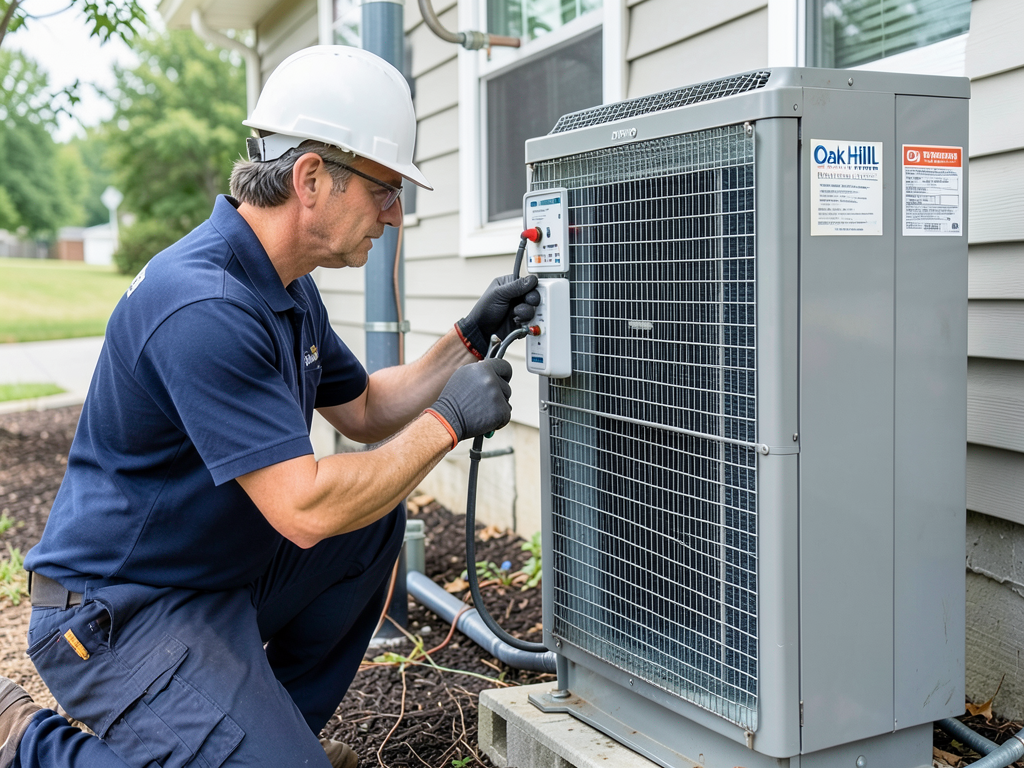
A Landlord Guide to HVAC Maintenance for Rental Properties in Oak Hill
Managing rental properties in Oak Hill means dealing with Nashville’s extreme humidity and temperature swings. Your HVAC system works harder here than in most markets, making regular maintenance not just smart but essential for protecting your investment and keeping tenants comfortable year-round. Nashville AC Repair Companies That Actually Answer the Phone on Weekends.
Oak Hill’s humid subtropical climate puts unique stress on heating and cooling equipment. Summer humidity often exceeds 70%, causing condensate drains to clog and coils to freeze. Winter brings occasional hard freezes that can damage unprotected outdoor units. These local conditions mean systems here need more frequent service than national averages suggest. The Best High Efficiency HVAC Systems for Luxury Homes in Brentwood.
According to the Tennessee Uniform Residential Landlord and Tenant Act, landlords must provide habitable conditions including proper heating and cooling. This means you’re legally responsible for maintaining functional HVAC equipment, not your tenants. Regular maintenance prevents costly emergency repairs and keeps you compliant with local housing codes. Tennessee Mechanical Code Requirements.
Seasonal HVAC Maintenance Checklist for Middle Tennessee
Oak Hill’s climate demands a specific maintenance schedule that differs from other regions. Here’s what your rental properties need throughout the year.. Read more about How to keep mice and squirrels from chewing through your HVAC wires in Whites Creek.
Spring/Summer: Preparing for Nashville Humidity
Spring maintenance prevents mid-summer breakdowns when repair costs spike. Start by replacing air filters – Oak Hill’s high pollen counts mean filters clog faster than in drier climates. A clogged filter reduces airflow by up to 15%, forcing your system to work harder.
Clean the outdoor condenser coil. Oak Hill’s red clay soil gets tracked onto coils during spring rains, reducing efficiency. A dirty coil can increase energy use by 30%.
Check condensate drain lines for algae buildup. Nashville’s humidity creates perfect conditions for algae growth, which can block drains and cause water damage to ceilings and walls. Storm Damage HVAC Repair.
Test refrigerant levels. Heat pumps in Oak Hill often lose 10% of their charge over winter due to temperature cycling.
Fall/Winter: Heating Safety and Efficiency
Before cold weather hits, inspect heat exchangers for cracks. Oak Hill’s temperature swings cause metal fatigue in heat exchangers over time.
Clean burners and check gas pressure. Nashville’s hard water leaves mineral deposits that reduce burner efficiency by up to 20%.. Read more about The Fall Checklist Every Nashville Homeowner Needs to Get Their Heating Ready.
Verify thermostat operation. Smart thermostats save 10-15% on energy costs but need proper calibration for Oak Hill’s climate.
Check carbon monoxide detectors. Tennessee code requires working CO detectors in all rental units with fuel-burning appliances.
Landlord vs. Tenant: Who is Responsible for HVAC Maintenance?
Confusion about responsibilities leads to neglected systems and costly disputes. Here’s the breakdown for Oak Hill rental properties.
Landlords must provide and maintain the HVAC system itself. This includes the furnace, air conditioner, heat pump, ductwork, and all mechanical components. You’re responsible for repairs, replacements, and regular professional maintenance.. Read more about Essential furnace safety tips to keep your family safe from carbon monoxide in Inglewood.
Tenants must use the system properly and report problems promptly. They should change filters monthly and keep the area around outdoor units clear of debris. However, they’re not responsible for mechanical failures or efficiency issues.
Put these responsibilities in writing. A clear HVAC maintenance clause in your lease prevents misunderstandings and protects both parties.
Consider providing tenants with a simple maintenance guide specific to your property. Include filter sizes, recommended brands, and emergency contact information.
Benefits of a Professional HVAC Maintenance Plan for Property Managers
Professional maintenance contracts save money long-term by preventing expensive emergency repairs. Here’s what a typical plan includes for Oak Hill properties.
Twice-yearly inspections catch small problems before they become major failures. A loose electrical connection today becomes a burnt-out compressor tomorrow.
Priority service means faster response times when issues do occur. During August heat waves, waiting days for service can lead to tenant complaints and even lease violations.
Extended equipment life is another benefit. Well-maintained systems in Oak Hill’s climate last 2-3 years longer than neglected ones.
Energy efficiency improvements from regular maintenance can reduce utility costs by 15-20% annually.
Professional technicians document all service visits, creating a maintenance history that proves you’ve fulfilled your legal obligations as a landlord.
Common HVAC Issues Found in Nashville Rental Homes
Oak Hill rental properties face specific problems due to local conditions. Here are the most common issues technicians encounter.
Condensate drain clogs from algae growth are the number one service call. The combination of heat, moisture, and organic matter creates perfect conditions for blockages.
Capacitor failures increase during summer months. Nashville’s power grid experiences voltage fluctuations during peak demand, stressing electrical components.. Read more about Protecting your Nashville short term rental from guests who crank the AC to sixty degrees.
Refrigerant leaks often occur at connection points weakened by temperature cycling. Oak Hill’s wide temperature swings cause metal to expand and contract more than in milder climates.
Thermostat malfunctions happen when tenants override programmable settings. Many modern systems require specific programming for optimal efficiency.
Duct leaks waste 20-30% of conditioned air in many Nashville homes. Older homes in Oak Hill often have leaky ducts in unconditioned spaces.
Energy Efficiency Upgrades and Local Utility Rebates
Upgrading HVAC equipment can qualify for rebates from Nashville Electric Service and TVA. These programs change annually but often include: TVA Energy Efficiency Rebates.
- High-efficiency heat pump rebates
- Smart thermostat installation incentives
- Energy audit cost-sharing programs
- Weatherization assistance for qualifying properties
According to TVA’s current energy efficiency programs, upgrading from a 14 SEER to a 16 SEER system can save $150-200 annually in Oak Hill’s climate.
Consider installing programmable or smart thermostats in all rental units. These devices pay for themselves within 1-2 years through energy savings.
Proper insulation and air sealing complement HVAC efficiency. Many Oak Hill homes built before 2000 need additional attic insulation to meet current energy codes.
Emergency Repair Protocols for High-Heat Nashville Augusts
When your rental’s AC fails during a heat wave, you need a clear action plan. Here’s what to do:
- Establish a 24/7 emergency contact number for tenants
- Pre-qualify multiple HVAC contractors who offer weekend service
- Keep spare parts like capacitors and contactors on hand
- Provide tenants with temporary cooling options like window units
- Document all emergency repairs with photos and receipts
According to Nashville’s heat emergency guidelines, indoor temperatures above 88°F create health risks for vulnerable tenants. You must act quickly when systems fail during extreme heat.
Consider including emergency service fees in your rental rates. A $25 monthly charge covers most after-hours service calls and prevents financial strain when emergencies occur.
Cost-Benefit Analysis of Preventative Maintenance vs. Emergency Repair
Let’s compare the costs of different approaches to HVAC maintenance for your Oak Hill rental properties.
| Maintenance Approach | Annual Cost | Typical Repair Costs | System Lifespan | Tenant Satisfaction |
|---|---|---|---|---|
| Professional Maintenance Plan | $300-500/unit | $200-400/year | 15-18 years | High |
| DIY Basic Maintenance | $100-200/unit | $800-1,500/year | 12-15 years | Medium |
| Reactive Only | $0 initial | $2,000-5,000/year | 8-12 years | Low |
Professional maintenance costs more upfront but saves thousands over a system’s lifetime. The difference between a $3,000 compressor replacement and a $150 capacitor repair is significant.
Tenant turnover costs also factor in. Happy tenants who stay longer reduce your marketing and vacancy expenses. A comfortable rental in Oak Hill’s climate is a competitive advantage.
Filter Replacement Frequency for Tennessee Pollen Seasons
Oak Hill’s location means higher pollen counts than many areas. Here’s when to change filters in your rental properties:
- January-February: Every 2 months (cedar/juniper pollen)
- March-May: Monthly (oak, maple, elm pollen)
- June-August: Every 6 weeks (grass pollen, dust)
- September-November: Monthly (ragweed, mold spores)
- December: Every 2 months
Provide tenants with a filter replacement schedule and calendar. Consider including filter costs in rent or offering a small credit for timely replacements.
High-efficiency filters (MERV 8-11) work well for most rentals. Higher MERV ratings restrict airflow too much for many residential systems.
Humidity Control and Mold Prevention in Middle TN Rentals
Oak Hill’s humidity creates mold risks that many landlords overlook. Here’s how to prevent moisture-related problems:
Keep indoor humidity between 40-50%. Higher levels promote mold growth and make tenants uncomfortable.
Install condensate pump safety switches. These shut off the system if the drain clogs, preventing water damage.
Consider whole-house dehumidifiers for properties with chronic moisture issues. They cost $1,500-2,500 installed but prevent thousands in mold remediation. Whole Home Humidifiers.
Educate tenants about using exhaust fans and keeping windows closed when AC runs. Open windows with running AC wastes energy and increases humidity.. Read more about How to find out exactly how old your HVAC unit is using the serial number.
Inspect for signs of moisture problems during routine maintenance. Musty odors, condensation on windows, or water stains indicate issues needing attention.
Professional HVAC Service Contracts for Property Managers
Managing multiple rental properties requires a different approach than single-home maintenance. Here’s what to look for in a service contract:
Volume pricing makes sense when you have multiple properties. Ask about discounts for 5+ units or portfolio management.
Online scheduling portals let you track all maintenance across your properties. This simplifies tax documentation and warranty claims.
Electronic reporting provides proof of service for each unit. This documentation protects you if tenant disputes arise.
Emergency response guarantees ensure you’re not left without AC during heat waves. Look for 4-hour response times for priority customers.
Preventive maintenance reminders keep you on schedule. Automated systems can alert you when service is due for each property.
Advanced HVAC Technologies for Modern Rentals
Smart thermostats offer benefits beyond basic programming. Many models provide energy usage reports and can alert you to system problems.
Zoned systems allow different temperature settings in various parts of a home. This feature appeals to tenants with varying comfort preferences.
Variable-speed equipment runs more quietly and efficiently than single-speed units. The improved comfort justifies the higher upfront cost.
UV light systems installed in ductwork kill mold and bacteria. They’re particularly valuable in Oak Hill’s humid climate.
WiFi-enabled systems let you monitor and control equipment remotely. This feature helps you verify tenant claims and troubleshoot problems quickly.
Legal Requirements and Code Compliance in Davidson County
Davidson County has specific requirements for rental property HVAC systems. Understanding these regulations prevents violations and fines.
The Metro Nashville Code requires minimum efficiency standards for replacement equipment. Units installed after 2015 must meet specific SEER ratings.
Carbon monoxide detectors are mandatory in all rental units with fuel-burning appliances. This includes gas furnaces, water heaters, and fireplaces.
Working smoke detectors are required in every bedroom and on every level. These must be interconnected in newer construction.
Permits are required for most HVAC replacements. Unpermitted work can result in fines and require costly corrections.
According to the International Mechanical Code adopted by Tennessee, all HVAC work must be performed by licensed contractors. DIY repairs on rental properties violate state law.
Tenant Education and Communication Strategies
Good communication prevents many HVAC problems. Here’s how to educate your tenants:
Provide a welcome packet with HVAC information. Include filter sizes, replacement schedules, and emergency contact numbers.
Create simple troubleshooting guides for common issues. Many problems tenants report are actually user errors that simple instructions could prevent.
Establish clear reporting procedures for maintenance issues. Specify what information you need and how quickly you’ll respond.
Consider offering small incentives for proper system care. A rent credit for timely filter changes encourages responsible behavior.
Document all tenant communications about HVAC issues. This paper trail proves you’ve fulfilled your maintenance obligations if disputes arise.
Preparing for Seasonal Transitions in Oak Hill
Oak Hill’s weather transitions require specific preparation. Here’s how to handle seasonal changes:
Spring transition: Test cooling systems before hot weather arrives. Waiting until July means longer repair times and higher costs. Heating and Cooling Historic Germantown Homes Without Bulky Ductwork.
Fall transition: Clean heating components before cold weather. Dust and debris from summer can create burning smells or even fire hazards when heat first runs.
Storm preparation: Secure outdoor units before severe weather. Nashville experiences frequent thunderstorms that can damage unprotected equipment.
Power outage planning: Install surge protectors to prevent damage from lightning strikes. Oak Hill’s exposed location makes it vulnerable to electrical surges.
Temperature swing management: Educate tenants about proper thermostat settings during rapid weather changes. Large temperature differences stress HVAC components.
Cost Analysis: Repair vs. Replace Decisions
Knowing when to replace versus repair equipment saves money long-term. Here’s a decision framework:
If repair costs exceed 30% of replacement cost, replacement often makes more sense. This rule accounts for the likelihood of additional failures.
Consider the system’s age. Most HVAC equipment in Nashville’s climate lasts 12-15 years. Units over 12 years old often benefit from replacement.
Energy efficiency improvements can justify replacement even when repairs are affordable. A new high-efficiency system might save $300-500 annually in utility costs.. Read more about Why your beautiful landscaping might actually be suffocating your AC unit in Goodlettsville.
Tenant satisfaction matters. An unreliable system leads to complaints and potential vacancies. Sometimes peace of mind justifies replacement.
Warranty coverage affects the decision. If major components are under warranty, repairs might be more attractive than replacement.
Building a Long-Term HVAC Strategy for Your Rental Portfolio
Successful property management requires strategic thinking about HVAC systems. Here’s how to develop a comprehensive approach:
Inventory all HVAC equipment by age, condition, and efficiency. This database helps you plan replacements and budget for future expenses.
Schedule systematic replacements rather than emergency ones. Replacing a 15-year-old system during the off-season costs 30-40% less than July emergency replacements.
Standardize equipment across your properties when possible. Using the same brands and models simplifies maintenance and reduces parts inventory needs.
Budget for HVAC expenses as a regular cost of doing business. Setting aside $200-300 per unit annually prevents financial strain when major repairs occur.
Build relationships with reliable HVAC contractors. A trusted partner who understands your portfolio provides better service than random service calls.
Consider energy efficiency as a competitive advantage. Modern, efficient systems attract quality tenants and justify slightly higher rents.
Don’t forget about indoor air quality. HEPA filters, UV lights, and proper ventilation improve tenant health and satisfaction.
Stay informed about new technologies and changing regulations. The HVAC industry evolves rapidly, and staying current prevents obsolescence.
Document everything. Good records help you make informed decisions and prove compliance if questions arise.
Remember that your HVAC strategy affects your bottom line. Well-maintained systems reduce costs, prevent vacancies, and protect your investment in Oak Hill’s competitive rental market.
Frequently Asked Questions
How often should I service HVAC systems in Oak Hill rental properties?
Professional maintenance should be performed twice yearly – once before cooling season and once before heating season. This schedule accounts for Nashville’s extreme seasonal demands.
What’s the most common HVAC problem in Nashville rentals?
Condensate drain clogs from algae growth are the most frequent issue. Nashville’s humidity creates perfect conditions for blockages that can cause water damage.
Are smart thermostats worth installing in rental properties?
Yes. Smart thermostats typically save 10-15% on energy costs and can alert you to system problems before tenants notice them. They also appeal to tech-savvy renters.
How long should HVAC equipment last in Nashville’s climate?
Most systems last 12-15 years in Nashville’s climate, compared to 15-20 years in milder regions. Regular maintenance can extend this by 2-3 years.
What permits are required for HVAC work in Oak Hill?
Most HVAC replacements require permits from Metro Nashville. DIY work on rental properties is illegal under Tennessee law. Always use licensed contractors.
Call (615) 552-1922 today to schedule your rental property HVAC inspection. Don’t wait for a summer breakdown to discover problems with your system. Our experienced technicians understand Oak Hill’s unique climate challenges and can help you develop a maintenance plan that protects your investment and keeps your tenants comfortable year-round.
Pick up the phone and call (615) 552-1922 before the next storm hits. Our emergency services are available 24/7 for urgent HVAC issues in your rental properties. We’ll get your system running again quickly and help you avoid costly tenant disputes and potential code violations.