
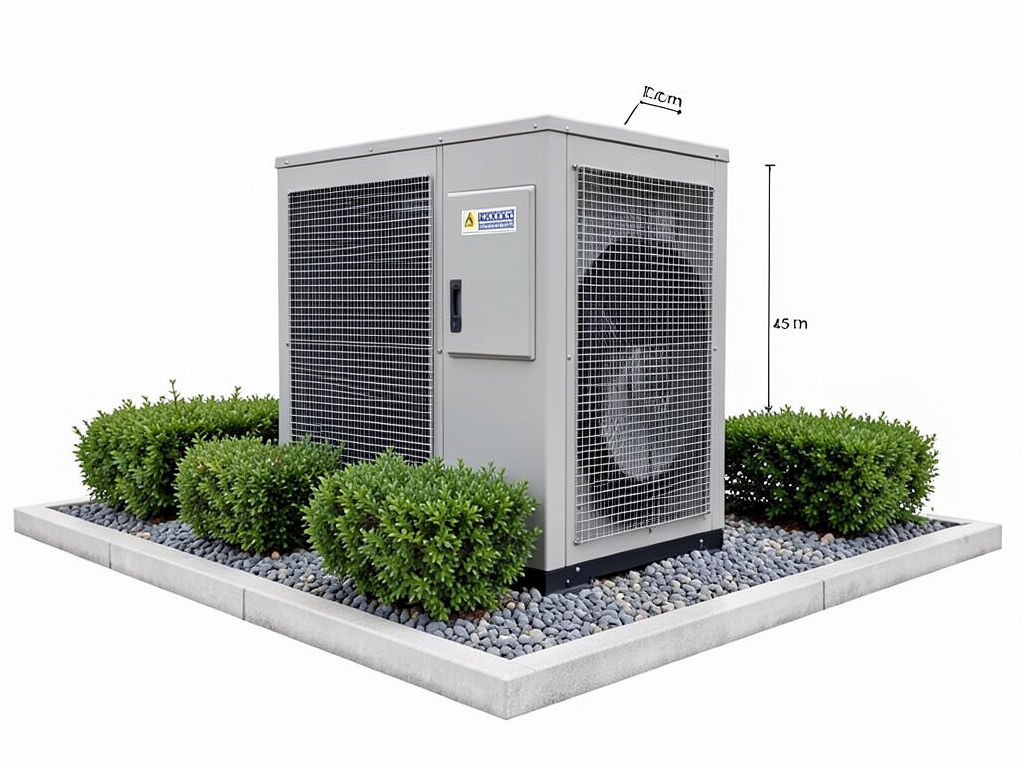
Your lush garden and perfectly trimmed hedges might be the reason your AC struggles to keep up with Goodlettsville’s summer heat. When airflow around your outdoor condenser unit gets blocked, your system works harder, costs more to run, and breaks down faster. Let’s fix that before the next heat wave hits.
The hidden cost of beautiful landscaping
Goodlettsville homeowners often plant shrubs and flowers around their AC units to hide them from view. But those same plants can choke off the airflow your system needs to dump heat. When hot air cannot escape, your compressor runs hotter and longer, which means higher energy bills and more repair calls. Nashville AC Repair Companies That Actually Answer the Phone on Weekends.
Most condenser units need at least two feet of clear space on all sides and five feet above the top. That means no vines climbing the unit, no mulch piled against the base, and no decorative rocks touching the cabinet. Even a small reduction in airflow can drop your system’s efficiency by 10 to 15 percent. The Best High Efficiency HVAC Systems for Luxury Homes in Brentwood.
In Middle Tennessee’s humid climate, poor clearance also traps moisture. Wet leaves, grass clippings, and mulch hold humidity against the metal housing, which speeds up rust and corrosion. Combine that with our summer thunderstorms and you have a recipe for early failure. Tennessee State Fire Marshal’s mechanical codes.
Goodlettsville sits in a humid subtropical zone where cooling season runs from April through October. During those months, your condenser runs almost constantly. Without proper airflow, the system can overheat and trigger a safety shutdown. That means no cooling right when you need it most. Heating and Cooling Historic Germantown Homes Without Bulky Ductwork.
The fix is simple but specific. Keep a two-foot buffer around the unit using gravel or pavers instead of mulch. Choose plants that shed minimal debris and trim them back at least twice a year. Most importantly, never let vines or climbing plants attach to the condenser cabinet.
If you are not sure your clearance meets manufacturer specs, a quick inspection can save you hundreds in wasted energy and prevent a mid-summer breakdown. Call (615) 552-1922 today to schedule your clearance check before the heat arrives.
Why Nashville’s climate makes clearance critical
Middle Tennessee’s high humidity means your AC must remove both heat and moisture from the air. That process creates even more hot air around the condenser. If plants block that airflow, the unit cannot release the heat it collects from inside your home.. Read more about What to do when you see actual ice forming on your AC unit in the middle of a Smyrna summer.
During July and August, afternoon heat indexes often climb above 100 degrees. Your condenser is already working near its limit. Any extra restriction from landscaping can push it into thermal shutdown, leaving you without cooling during the hottest part of the day.
Local soil also plays a role. Goodlettsville’s red clay retains water and can shift during heavy rains. If your condenser pad is not level, the unit may tilt and pull away from refrigerant lines. That tilt can also make it harder to maintain proper clearance on all sides.
Common Middle Tennessee trees like cottonwoods and maples drop heavy pollen and seed pods in spring. Those fine particles can clog condenser fins and reduce airflow by up to 30 percent. Regular rinsing with a garden hose helps, but only if you can reach all sides of the unit.
Spring thunderstorms bring another challenge. High winds drive leaves, twigs, and even small branches into your landscaping. After a storm, check the area around your condenser and remove any debris before it gets sucked into the fan. Storm Damage HVAC Repair.
Goodlettsville homeowners also face occasional flash flooding from the nearby creek systems. If water pools around your unit, it can short out electrical components. Raising the pad on a concrete base and keeping a gravel border helps water drain away quickly.
Following these climate-specific steps keeps your system running at peak efficiency and extends its life by several years. Want a quick visual guide? Call (615) 552-1922 and we will walk your property with you.. Read more about Why your AC keeps turning on and off every five minutes.
Manufacturer clearance requirements you cannot ignore
Every major HVAC brand publishes minimum clearance specs for their outdoor units. Trane, Carrier, and Rheem all require at least 24 inches of side clearance and 60 inches of overhead clearance. These numbers are not suggestions; they are part of the warranty terms.
Side clearance allows air to enter the coil from multiple angles. If plants or structures block one side, the remaining open sides must work harder, which reduces efficiency and increases wear. A three-sided enclosure might look neat but can cut performance by half.
Overhead clearance is just as important. The fan at the top of the unit pushes hot air straight up. If a deck, awning, or low tree branch sits too close, that heat recirculates into the coil and drives up head pressure. High head pressure is the leading cause of compressor failure.
Service access is the third critical dimension. Technicians need a clear three-foot path to remove panels, check refrigerant levels, and test electrical components. If you box in the unit with lattice or a solid fence, a routine service call can turn into a demolition project.
Local codes in Davidson County follow the 2021 International Mechanical Code, which mirrors manufacturer specs. If you plan to build a screen or enclosure, you must still meet those minimums. Ignoring them can void your warranty and fail a home inspection if you sell. 2021 International Mechanical Code.
Measuring clearance is simple. Use a tape measure to check each side and above the unit. If any dimension falls short, trim back plants or relocate structures before the next heat wave. Need help? Call (615) 552-1922 for a free clearance audit.
Best and worst plants for AC unit areas
Choosing the right plants around your condenser can make the difference between hidden beauty and hidden trouble. Some species shed so much debris that they clog coils within weeks. Others have invasive roots that can shift your concrete pad and stress refrigerant lines.
Evergreen shrubs like boxwood and holly are good choices because they keep their leaves year-round and shed very little. They also tolerate regular trimming, so you can maintain that two-foot buffer without killing the plant. Dwarf varieties stay compact and reduce pruning chores. Why Your Green Hills Home Needs a Heating Tune Up Before the First Freeze.
Perennial grasses such as blue fescue or dwarf fountain grass add texture without creating a debris problem. Their soft foliage does not scratch the condenser cabinet, and they can be cut back each spring to keep the area tidy.
Avoid plants that drop heavy fruit, seed pods, or large leaves. Sweetgum trees, for example, produce spiky balls that can jam fan blades. Magnolias drop thick leaves that trap moisture against the metal. Even small debris becomes a problem when it builds up over a humid summer.
Vines are a major no-no. English ivy, wisteria, and trumpet vine attach to surfaces with tiny roots or tendrils. Once they grab the condenser, they can pull off paint, bend fins, and block airflow. If you want a green screen, use a freestanding trellis at least three feet away.
For a low-maintenance border, consider a gravel or paver ring around the unit. This eliminates plant debris entirely and makes it easy to spot oil stains or refrigerant leaks early. Add a few potted plants if you want color, but keep them mobile so you can move them for service.
Unsure what to plant? Call (615) 552-1922 and we will suggest species that thrive in Goodlettsville without harming your AC.
Ground cover options that protect your system
The material you place around your condenser affects both airflow and moisture control. Mulch might look neat, but it holds water and can splash onto the unit during rain. Over time, that constant dampness promotes rust and can short out electrical connections.
River rock or pea gravel is a better choice. These materials drain quickly, do not trap moisture, and make it easy to spot oil or refrigerant leaks. A three-inch layer of gravel also discourages weed growth, reducing the need for chemical sprays near your AC.
Concrete pavers create a clean, permanent border. They prevent soil erosion, keep the pad stable, and make it simple to sweep away grass clippings. Choose light colors to reflect heat rather than absorb it, which helps keep the area around the condenser cooler.
Rubber mulch is popular for playgrounds but not for AC areas. It can break down into fine particles that stick to condenser fins and reduce efficiency. It also holds heat longer than organic mulch, which can raise ambient temperatures around the unit.
If your yard slopes toward the condenser, consider a raised gravel bed with a slight crown. This directs water away from the base and prevents pooling during heavy rains. A small trench or French drain can also channel runoff to a safer spot.
Whatever ground cover you choose, keep it at least six inches away from the cabinet. This gap allows air to move freely and makes it easier to spot pests like ants or wasps that sometimes nest near the unit.
Want a professional recommendation for your specific yard? Call (615) 552-1922 and we will help you pick the best option.
Seasonal maintenance schedule for Middle Tennessee
Goodlettsville’s four distinct seasons each bring different challenges for your AC condenser. A simple seasonal checklist can prevent most airflow problems before they start.
Spring is pollen season in Middle Tennessee. Cottonwood and maple trees release fine particles that stick to condenser fins. Rinse the unit gently with a garden hose every two weeks in April and May. Do not use a pressure washer; high pressure can bend the delicate fins.
Summer brings fast-growing grass and weeds. Trim back any plants that creep toward the two-foot buffer at least once a month. After mowing, use a leaf blower to clear clippings from around the unit. Wet grass clippings can mat against the coil and trap heat.
Fall leaf drop is the next big challenge. Maples, oaks, and sweetgums blanket the area with debris. Check the condenser weekly in October and November. Remove leaves from the top grille and sides to keep airflow open. Consider a breathable mesh cover for the top only; solid covers trap moisture.
Winter in Goodlettsville is mild but can include ice storms. If ice builds up on the unit, let it melt naturally. Chipping it off can dent panels and damage fins. Keep a three-foot snow-free zone around the base to prevent drifting against the cabinet.
Year-round, inspect the concrete pad for cracks or settling. Red clay soil expands when wet and contracts when dry, which can tilt the unit over time. A level pad ensures even clearance and proper refrigerant line alignment.
Mark your calendar for a professional tune-up each spring. A technician will check refrigerant levels, clean the coil, and verify that all clearances meet manufacturer specs. This one visit can prevent a mid-summer emergency.
Need help building your seasonal checklist? Call (615) 552-1922 and we will create a custom plan for your home.
DIY inspection checklist for homeowners
You do not need to be a technician to spot clearance problems. A quick monthly walk-around can catch issues before they cause a breakdown.
Start with a two-foot tape measure. Check each side of the condenser and write down the smallest measurement. If any side is under 24 inches, plan to trim or relocate plants. Measure from the cabinet, not from the edge of a rock border.
Next, check overhead clearance. Use a broom handle or tape to measure from the top of the unit to the nearest obstruction. You need at least five feet of open space. If a tree branch or deck sits too close, trim it back or consider a different landscaping layout.
Look for signs of moisture damage. Rust spots, white powdery residue, or water stains on the base indicate poor drainage. If you see these, improve the ground cover and check the pad for level.
Inspect the coil fins through the grille. Bent or crushed fins reduce airflow. If you see damage, a technician can straighten them with a special comb. Do not try this yourself; fins are easy to break.. Read more about How to keep mice and squirrels from chewing through your HVAC wires in Whites Creek.
Check for pest activity. Ants, wasps, and even small rodents sometimes nest near the warm condenser. Clear away any nests and seal gaps in the base with metal mesh to keep them out.
Finally, listen to the unit while it runs. Loud rattling or buzzing can mean loose panels or failing fan bearings. If the sound changes suddenly, turn off the system and call for service.
Keep a simple log of your measurements and observations. Over time, you will notice patterns and catch problems early. Want a professional second opinion? Call (615) 552-1922 and we will inspect your setup at no charge.
Local Goodlettsville building code considerations
Goodlettsville follows the 2021 International Mechanical Code with local amendments. While the code does not dictate exact plant species, it does require that outdoor equipment be installed and maintained according to manufacturer specs. That includes the two-foot side and five-foot top clearance rules.
If you live in a neighborhood with a homeowners association, there may be additional screening rules. Some HOAs require decorative fences or lattice around condensers. These are allowed as long as they still meet the minimum clearance and provide service access.
Permits are not required for routine landscaping changes, but they are required if you build a permanent structure over a certain size. A solid enclosure with a roof, for example, might need a zoning review to ensure it does not block utility access or violate setback rules.
Goodlettsville also enforces the Tennessee State Fire Marshal’s mechanical codes, which include electrical safety around HVAC equipment. Keep mulch and flammable ground cover at least 18 inches away from any electrical disconnect box attached to the unit.
If your home is in a flood-prone area near Mansker Creek, the city may have additional elevation requirements for mechanical equipment. Raising your condenser pad above the base flood elevation can prevent water damage during heavy rains.
Unsure whether your landscaping plans comply? Call (615) 552-1922 and we will review your design against local codes before you plant the first shrub.
Frequently Asked Questions
How much clearance does my AC unit really need?
Most manufacturers require at least 24 inches of side clearance and 60 inches of overhead clearance. These dimensions ensure proper airflow and allow technicians to service the unit without obstruction.
Can I plant flowers or shrubs right next to my condenser?
You can plant near the unit, but keep a two-foot buffer to maintain airflow. Choose low-shedding plants like boxwood or dwarf holly, and trim them back at least twice a year.
Will a decorative fence around my AC unit cause problems?
A fence is fine if it still meets clearance requirements and allows service access. Use a removable panel or gate so technicians can open it for repairs without dismantling your landscaping.
How often should I clean around my outdoor unit?
Check the area monthly during cooling season. After mowing, use a leaf blower to clear clippings. In spring and fall, rinse the coil gently with a hose to remove pollen and leaves.
What ground cover is safest for AC units?
Gravel or concrete pavers are best because they drain quickly and do not trap moisture. Keep them at least six inches away from the cabinet to allow air movement.
Can vines or climbing plants damage my condenser?
Yes. Vines attach with tiny roots or tendrils that can pull off paint, bend fins, and block airflow. Never let them grow on or near the unit.
Does poor clearance really affect my energy bills?
Absolutely. Restricted airflow can reduce efficiency by 10 to 15 percent, which means your system runs longer and costs more to operate each month.
What should I do if my condenser is in a low spot that floods?
Raise the concrete pad above the surrounding grade and add a gravel border for drainage. In severe cases, a small French drain can channel water away from the unit.
How can I tell if my clearance is causing problems?
Signs include higher energy bills, the system running constantly, warm air from vents, or the unit shutting off on hot days. A quick measurement can confirm if clearance is the issue.
Where can I get help making sure my landscaping is AC-friendly?
Call (615) 552-1922 for a free on-site inspection. We will measure your clearances, check for code compliance, and suggest plant choices that keep your system running efficiently.
{
“@context”: “https://schema.org”,
“@type”: “BlogPosting”,
“headline”: “Why your beautiful landscaping might actually be suffocating your AC unit in Goodlettsville”,
“description”: “Learn how Nashville’s humid climate and common landscaping choices can block AC airflow and raise your energy bills. Get local plant recommendations and clearance guidelines.”,
“wordCount”: 2782,
“datePublished”: “2026-03-27T16:00:00.000Z”,
“dateModified”: “2026-03-27T16:00:00.000Z”,
“inLanguage”: “en-US”,
“mainEntityOfPage”: {
“@type”: “WebPage”,
“@id”: “https://alphahvacnashville.com”
},
“publisher”: {
“@type”: “LocalBusiness”,
“name”: “Alpha HVAC Nashville”,
“url”: “https://alphahvacnashville.com”
},
“author”: {
“@type”: “Organization”,
“name”: “Alpha HVAC Nashville”,
“url”: “https://alphahvacnashville.com”
},
“image”: {
“@type”: “ImageObject”,
“url”: “https://alphahvacnashville.com/wp-content/uploads/2026/03/why-your-beautiful-landscaping-might-actually-be-s-1.png”
}
}
{
“@context”: “https://schema.org”,
“@type”: “HVACBusiness”,
“name”: “Alpha HVAC Nashville”,
“url”: “https://alphahvacnashville.com”,
“address”: {
“@type”: “PostalAddress”,
“addressLocality”: “Nashville”
},
“areaServed”: {
“@type”: “City”,
“name”: “Nashville”
}
}
{
“@context”: “https://schema.org”,
“@type”: “FAQPage”,
“mainEntity”: [
{
“@type”: “Question”,
“name”: “How much clearance does my AC unit really need?”,
“acceptedAnswer”: {
“@type”: “Answer”,
“text”: “Most manufacturers require at least 24 inches of side clearance and 60 inches of overhead clearance. These dimensions ensure proper airflow and allow technicians to service the unit without obstruction.”
}
},
{
“@type”: “Question”,
“name”: “Can I plant flowers or shrubs right next to my condenser?”,
“acceptedAnswer”: {
“@type”: “Answer”,
“text”: “You can plant near the unit, but keep a two-foot buffer to maintain airflow. Choose low-shedding plants like boxwood or dwarf holly, and trim them back at least twice a year.”
}
},
{
“@type”: “Question”,
“name”: “Will a decorative fence around my AC unit cause problems?”,
“acceptedAnswer”: {
“@type”: “Answer”,
“text”: “A fence is fine if it still meets clearance requirements and allows service access. Use a removable panel or gate so technicians can open it for repairs without dismantling your landscaping.”
}
},
{
“@type”: “Question”,
“name”: “How often should I clean around my outdoor unit?”,
“acceptedAnswer”: {
“@type”: “Answer”,
“text”: “Check the area monthly during cooling season. After mowing, use a leaf blower to clear clippings. In spring and fall, rinse the coil gently with a hose to remove pollen and leaves.”
}
},
{
“@type”: “Question”,
“name”: “What ground cover is safest for AC units?”,
“acceptedAnswer”: {
“@type”: “Answer”,
“text”: “Gravel or concrete pavers are best because they drain quickly and do not trap moisture. Keep them at least six inches away from the cabinet to allow air movement.”
}
},
{
“@type”: “Question”,
“name”: “Can vines or climbing plants damage my condenser?”,
“acceptedAnswer”: {
“@type”: “Answer”,
“text”: “Yes. Vines attach with tiny roots or tendrils that can pull off paint, bend fins, and block airflow. Never let them grow on or near the unit.”
}
},
{
“@type”: “Question”,
“name”: “Does poor clearance really affect my energy bills?”,
“acceptedAnswer”: {
“@type”: “Answer”,
“text”: “Absolutely. Restricted airflow can reduce efficiency by 10 to 15 percent, which means your system runs longer and costs more to operate each month.”
}
},
{
“@type”: “Question”,
“name”: “What should I do if my condenser is in a low spot that floods?”,
“acceptedAnswer”: {
“@type”: “Answer”,
“text”: “Raise the concrete pad above the surrounding grade and add a gravel border for drainage. In severe cases, a small French drain can channel water away from the unit.”
}
},
{
“@type”: “Question”,
“name”: “Where can I get help making sure my landscaping is AC-friendly?”,
“acceptedAnswer”: {
“@type”: “Answer”,
“text”: “Call (615) 552-1922 for a free on-site inspection. We will measure your clearances, check for code compliance, and suggest plant choices that keep your system running efficiently.”
}
}
]
}
{
“@context”: “https://schema.org”,
“@type”: “BreadcrumbList”,
“itemListElement”: [
{
“@type”: “ListItem”,
“position”: 1,
“name”: “Home”,
“item”: “https://alphahvacnashville.com”
},
{
“@type”: “ListItem”,
“position”: 2,
“name”: “Blog”,
“item”: “https://alphahvacnashville.com/blog”
},
{
“@type”: “ListItem”,
“position”: 3,
“name”: “Why your beautiful landscaping might actually be suffocating your AC unit in Goodlettsville”
}
]
}
{
“@context”: “https://schema.org”,
“@type”: “Service”,
“serviceType”: “HVAC”,
“provider”: {
“@type”: “LocalBusiness”,
“name”: “Alpha HVAC Nashville”,
“url”: “https://alphahvacnashville.com”
},
“areaServed”: {
“@type”: “City”,
“name”: “Nashville”
},
“description”: “Learn how Nashville’s humid climate and common landscaping choices can block AC airflow and raise your energy bills. Get local plant recommendations and clearance guidelines.”
}