
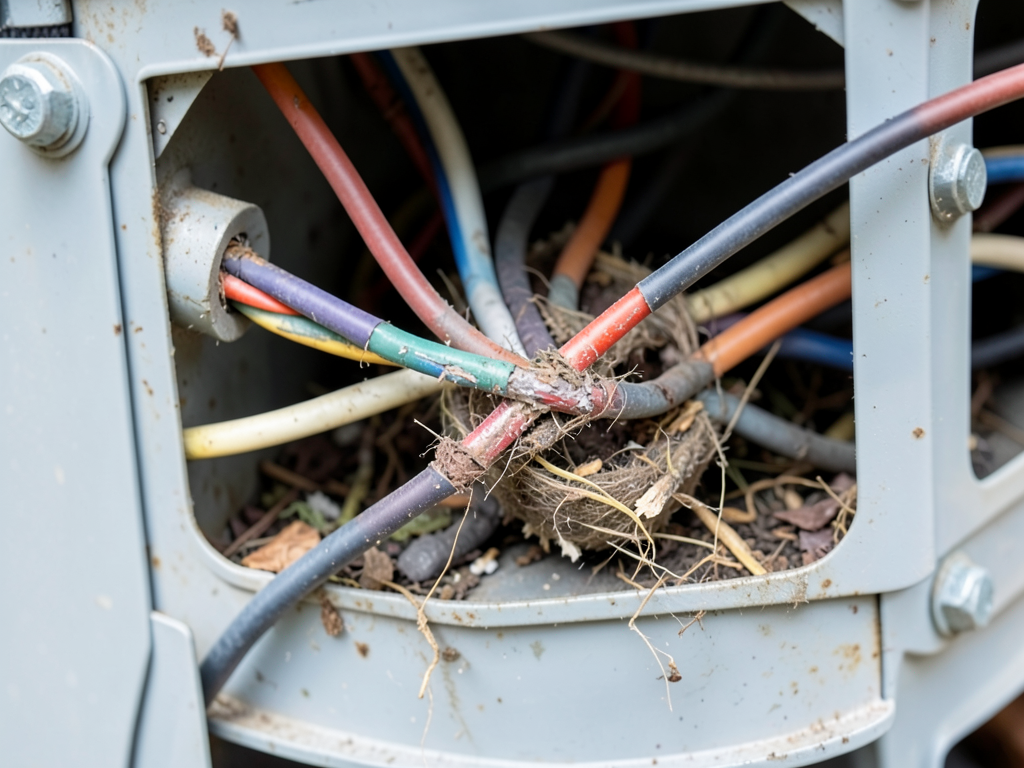
How to Keep Mice and Squirrels from Chewing Through Your HVAC Wires in Whites Creek
Rodents and squirrels in Whites Creek love to nest inside your HVAC unit’s warm, sheltered condenser. Once inside, they chew through wiring, insulation, and refrigerant lines. This causes short circuits, refrigerant leaks, and expensive repairs. The humid Middle Tennessee climate means more wildlife activity year-round. You can prevent this damage with simple steps like sealing entry points, installing protective screens, and scheduling regular maintenance. Tennessee Wildlife Resources Agency.
Why Whites Creek Homes Face Higher Pest Risk
Whites Creek sits near the Cumberland River floodplain with heavy red clay soil and mature trees. These conditions create perfect shelter for rodents. The area’s mix of older homes and new construction leaves many gaps in exterior walls where animals enter. According to the Tennessee Wildlife Resources Agency, field mice and gray squirrels are most active in late fall when they seek warm nesting spots.
Local pest control companies report that HVAC damage from rodents spikes during cold snaps. The animals chew through low-voltage thermostat wires, control board connections, and even copper refrigerant lines. A single chewed wire can short out your entire system, leaving you without heat or cooling. Heating and Cooling Historic Germantown Homes Without Bulky Ductwork.
Common Signs of Pest Damage in Your HVAC System
You might hear scratching sounds from the condenser unit or notice your system cycling on and off randomly. A burning smell when the AC starts could mean chewed wires are shorting out. You may also see droppings near the outdoor unit or find shredded insulation inside.
During a service call, technicians often find nests made from leaves, twigs, and even HVAC insulation. The animals target the warm electrical components and refrigerant lines. Once inside, they chew through anything soft enough to make a nest.
Step-by-Step Prevention Methods
Follow these steps to protect your system from rodents and squirrels:
- Clear Vegetation Around the Unit
Maintain at least 2-3 feet of clear space around your condenser. Trim back bushes, remove leaf piles, and clear tall grass. This removes hiding spots and makes it harder for animals to approach undetected.
- Seal Entry Points
Check where refrigerant lines enter your home. Use expanding foam or silicone caulk to seal gaps larger than 1/4 inch. Pay special attention to where the line set penetrates exterior walls or the foundation.
- Install Protective Screens
Cover the top and sides of your condenser with 1/4-inch hardware cloth. This mesh keeps animals out while allowing proper airflow. Do not use chicken wire or plastic mesh, which animals can chew through.
- Apply Natural Deterrents
Sprinkle predator urine granules or peppermint oil around the unit base. These scents discourage rodents without harming your system. Reapply after heavy rain.
- Schedule Regular Maintenance
Have a technician inspect your system twice yearly. They check for signs of chewing, nesting, or wire damage. Early detection prevents major failures. Storm Damage HVAC Repair.
Materials That Actually Work vs. Those That Fail
| Material | Effectiveness | Cost Range | Best For |
|---|---|---|---|
| 1/4-inch hardware cloth | Excellent | $15-25 per panel | Long-term protection |
| Expanding foam sealant | Good | $5-8 per can | Sealing gaps |
| Chicken wire | Poor | $10-15 per roll | Never use |
| Plastic mesh covers | Poor | $30-50 per cover | Avoid |
| Metal vent caps | Excellent | $20-40 per cap | Roof penetrations |
Professional Solutions When DIY Isn’t Enough
Sometimes you need expert help. If you hear constant scratching, smell burning, or notice your system failing, call a professional immediately. A technician can safely remove nests, repair chewed wires, and install proper protective barriers. Nashville AC Repair Companies That Actually Answer the Phone on Weekends.
Professional exclusion services include installing commercial-grade mesh screens, sealing all penetrations with fire-rated materials, and applying rodent deterrent treatments that won’t damage your system. They also check for damage to electrical components that could cause fires.
Many Whites Creek homeowners combine HVAC service with pest control. This ensures both the immediate damage and the underlying attraction are addressed. The Tennessee Wildlife Resources Agency recommends this integrated approach for persistent problems.
Seasonal Timing for Maximum Protection
The best time to pest-proof your HVAC is early fall before animals start seeking winter shelter. September through October is ideal in Middle Tennessee. This timing prevents animals from establishing nests before cold weather hits.
Spring maintenance in March or April catches any winter damage and prepares your system for summer. This is also when animals look for nesting spots again after winter.
After severe storms, check your unit for damage. High winds can create new entry points or damage existing screens. Fallen branches can also create new pathways for animals to reach your system.
The Cost of Waiting vs. Acting Now
Replacing a control board costs $300-600. Fixing refrigerant leaks runs $200-1500 depending on damage extent. A full system replacement from severe damage can exceed $5000. Prevention costs under $100 for materials and a few hours of your time.
Beyond direct repair costs, chewed wires create fire hazards. The National Fire Protection Association reports that electrical failures from animal damage cause hundreds of house fires annually. Your HVAC system contains high-voltage components that become dangerous when insulation is compromised. National Fire Protection Association.
Local Building Codes and Requirements
Nashville’s Metro Code requires that all exterior penetrations be sealed to prevent pest entry. This includes where refrigerant lines enter your home. The 2021 International Mechanical Code, adopted by Tennessee, mandates proper screening of outdoor mechanical equipment.
Local HVAC contractors must follow these codes when installing new systems. However, many existing homes have gaps that don’t meet current standards. Upgrading your protection often brings your installation into compliance with modern codes. The Best High Efficiency HVAC Systems for Luxury Homes in Brentwood.
Frequently Asked Questions
Can I use poison to keep rodents away from my HVAC unit?
Poison creates more problems than it solves. Animals may die inside your walls or attic, causing odors and attracting other pests. Poison also poses risks to pets and wildlife. Physical barriers and deterrents are safer and more effective.
How often should I check my HVAC for pest damage?
Visually inspect your unit monthly, especially during fall and spring. Look for droppings, nesting materials, or chewed wires. Schedule professional maintenance twice yearly as a minimum.
Will my homeowner’s insurance cover pest damage?
Most policies exclude damage from rodents and squirrels as a maintenance issue. However, if the damage leads to a fire or water leak, related damages might be covered. Check your specific policy details.
What’s the best time of day to install protective screens?
Install screens during daylight hours when animals are less active. This makes installation easier and safer. Avoid working at dusk or dawn when rodents are most active.
Can pest damage affect my system’s efficiency?
Yes. Chewed wires can cause your system to run inefficiently or short cycle. Animals nesting inside can block airflow and reduce cooling capacity. Even minor damage can increase your energy bills significantly.
Call (615) 552-1922 for Professional Pest Protection
Don’t wait until you hear scratching sounds or smell burning wires. Protect your HVAC system now with professional pest exclusion services. Our technicians understand Whites Creek’s unique pest challenges and can install proper protection that lasts.
Call (615) 552-1922 today to schedule your inspection. We’ll check for existing damage, seal entry points, and install protective screens that keep rodents out for good. Our service includes a full system check to ensure no damage has already occurred.
Pick up the phone and call (615) 552-1922 before the next cold snap drives more animals to seek shelter in your HVAC system. A small investment now prevents expensive repairs later.
You may also find this helpful. Choosing between propane and electric heating for your rural Kingston Springs property.
{
“@context”: “https://schema.org”,
“@type”: “BlogPosting”,
“headline”: “How to keep mice and squirrels from chewing through your HVAC wires in Whites Creek”,
“description”: “Protect your HVAC system from pests in Whites Creek. Learn how to keep mice and squirrels from chewing wires and causing expensive damage. Call (615) 552-1922 today.”,
“wordCount”: 1266,
“datePublished”: “2026-04-06T12:28:00.000Z”,
“dateModified”: “2026-04-06T12:28:00.000Z”,
“inLanguage”: “en-US”,
“mainEntityOfPage”: {
“@type”: “WebPage”,
“@id”: “https://alphahvacnashville.com”
},
“publisher”: {
“@type”: “LocalBusiness”,
“name”: “Alpha HVAC Nashville”,
“url”: “https://alphahvacnashville.com”
},
“author”: {
“@type”: “Organization”,
“name”: “Alpha HVAC Nashville”,
“url”: “https://alphahvacnashville.com”
},
“image”: {
“@type”: “ImageObject”,
“url”: “https://alphahvacnashville.com/wp-content/uploads/2026/03/how-to-keep-mice-and-squirrels-from-chewing-throug-1.png”
}
}
{
“@context”: “https://schema.org”,
“@type”: “HVACBusiness”,
“name”: “Alpha HVAC Nashville”,
“url”: “https://alphahvacnashville.com”,
“address”: {
“@type”: “PostalAddress”,
“addressLocality”: “Nashville”
},
“areaServed”: {
“@type”: “City”,
“name”: “Nashville”
}
}
{
“@context”: “https://schema.org”,
“@type”: “FAQPage”,
“mainEntity”: [
{
“@type”: “Question”,
“name”: “Can I use poison to keep rodents away from my HVAC unit?”,
“acceptedAnswer”: {
“@type”: “Answer”,
“text”: “Poison creates more problems than it solves. Animals may die inside your walls or attic, causing odors and attracting other pests. Poison also poses risks to pets and wildlife. Physical barriers and deterrents are safer and more effective.”
}
},
{
“@type”: “Question”,
“name”: “How often should I check my HVAC for pest damage?”,
“acceptedAnswer”: {
“@type”: “Answer”,
“text”: “Visually inspect your unit monthly, especially during fall and spring. Look for droppings, nesting materials, or chewed wires. Schedule professional maintenance twice yearly as a minimum.”
}
},
{
“@type”: “Question”,
“name”: “Will my homeowner’s insurance cover pest damage?”,
“acceptedAnswer”: {
“@type”: “Answer”,
“text”: “Most policies exclude damage from rodents and squirrels as a maintenance issue. However, if the damage leads to a fire or water leak, related damages might be covered. Check your specific policy details.”
}
},
{
“@type”: “Question”,
“name”: “What’s the best time of day to install protective screens?”,
“acceptedAnswer”: {
“@type”: “Answer”,
“text”: “Install screens during daylight hours when animals are less active. This makes installation easier and safer. Avoid working at dusk or dawn when rodents are most active.”
}
},
{
“@type”: “Question”,
“name”: “Can pest damage affect my system’s efficiency?”,
“acceptedAnswer”: {
“@type”: “Answer”,
“text”: “Yes. Chewed wires can cause your system to run inefficiently or short cycle. Animals nesting inside can block airflow and reduce cooling capacity. Even minor damage can increase your energy bills significantly.”
}
}
]
}
{
“@context”: “https://schema.org”,
“@type”: “HowTo”,
“name”: “How to Keep Pests Out of Your HVAC System”,
“step”: [
{
“@type”: “HowToStep”,
“position”: 1,
“name”: “Clear Vegetation Around the Unit”,
“text”: “Maintain at least 2-3 feet of clear space around your condenser. Trim back bushes, remove leaf piles, and clear tall grass. This removes hiding spots and makes it harder for animals to approach undetected.”
},
{
“@type”: “HowToStep”,
“position”: 2,
“name”: “Seal Entry Points”,
“text”: “Check where refrigerant lines enter your home. Use expanding foam or silicone caulk to seal gaps larger than 1/4 inch. Pay special attention to where the line set penetrates exterior walls or the foundation.”
},
{
“@type”: “HowToStep”,
“position”: 3,
“name”: “Install Protective Screens”,
“text”: “Cover the top and sides of your condenser with 1/4-inch hardware cloth. This mesh keeps animals out while allowing proper airflow. Do not use chicken wire or plastic mesh, which animals can chew through.”
},
{
“@type”: “HowToStep”,
“position”: 4,
“name”: “Apply Natural Deterrents”,
“text”: “Sprinkle predator urine granules or peppermint oil around the unit base. These scents discourage rodents without harming your system. Reapply after heavy rain.”
},
{
“@type”: “HowToStep”,
“position”: 5,
“name”: “Schedule Regular Maintenance”,
“text”: “Have a technician inspect your system twice yearly. They check for signs of chewing, nesting, or wire damage. Early detection prevents major failures. Storm Damage HVAC Repair.”
}
],
“image”: “https://alphahvacnashville.com/wp-content/uploads/2026/03/how-to-keep-mice-and-squirrels-from-chewing-throug-1.png”
}
{
“@context”: “https://schema.org”,
“@type”: “BreadcrumbList”,
“itemListElement”: [
{
“@type”: “ListItem”,
“position”: 1,
“name”: “Home”,
“item”: “https://alphahvacnashville.com”
},
{
“@type”: “ListItem”,
“position”: 2,
“name”: “Blog”,
“item”: “https://alphahvacnashville.com/blog”
},
{
“@type”: “ListItem”,
“position”: 3,
“name”: “How to keep mice and squirrels from chewing through your HVAC wires in Whites Creek”
}
]
}
{
“@context”: “https://schema.org”,
“@type”: “Service”,
“serviceType”: “HVAC”,
“provider”: {
“@type”: “LocalBusiness”,
“name”: “Alpha HVAC Nashville”,
“url”: “https://alphahvacnashville.com”
},
“areaServed”: {
“@type”: “City”,
“name”: “Nashville”
},
“description”: “Protect your HVAC system from pests in Whites Creek. Learn how to keep mice and squirrels from chewing wires and causing expensive damage. Call (615) 552-1922 today.”
}