
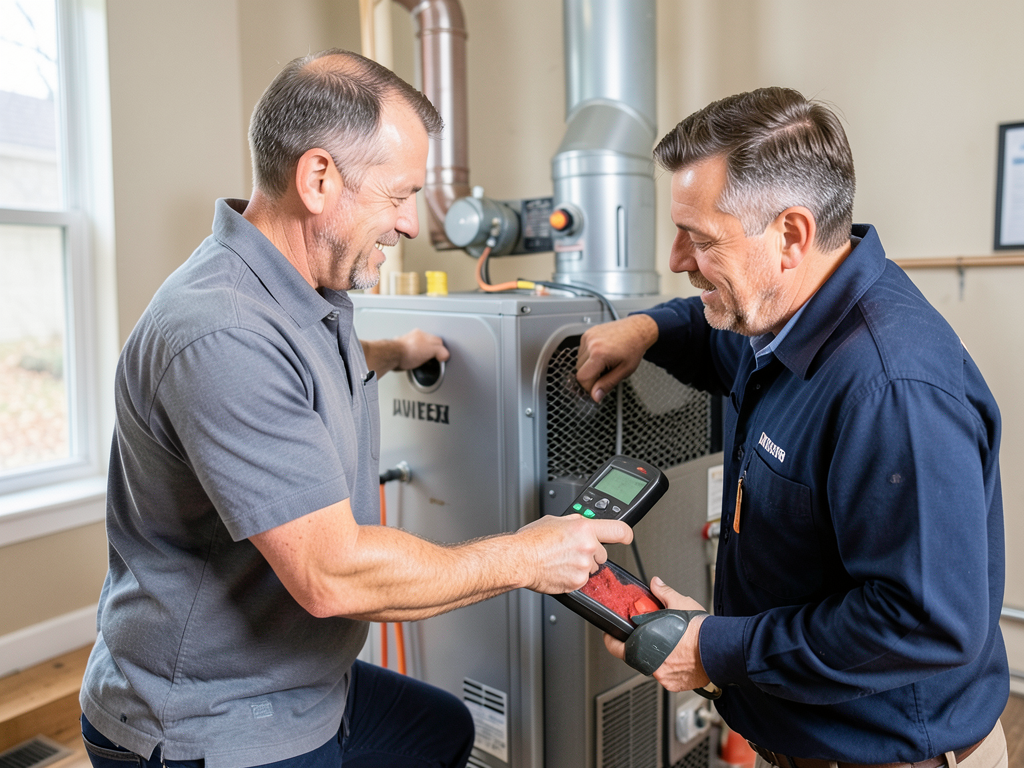
The Fall Checklist Every Nashville Homeowner Needs to Get Their Heating Ready
Nashville winters can surprise you with sudden cold snaps after our humid summers. Your heating system sits idle for months then suddenly works overtime when temperatures drop. That’s why fall maintenance matters here more than in many other cities. Heating and Cooling Historic Germantown Homes Without Bulky Ductwork.
Middle Tennessee’s clay soil expands and contracts with moisture changes. This movement stresses your home’s foundation and can shift your HVAC equipment. Combined with our erratic weather patterns where 70-degree days can become 30-degree nights, your heating system needs specific preparation for Nashville conditions. Nashville AC Repair Companies That Actually Answer the Phone on Weekends.
This checklist covers what every Nashville homeowner should do before November arrives. Follow these steps to avoid emergency service calls when the first cold front hits.. Read more about Why does my Nashville furnace smell like it is burning the first time I turn it on?.
DIY Furnace Maintenance: 5 Steps to Take Today
Before you call a professional, several maintenance tasks can improve your system’s performance and efficiency. These five steps take less than an hour but can prevent common winter problems. The Best High Efficiency HVAC Systems for Luxury Homes in Brentwood.
1. Replace Your Air Filter
Summer allergens and dust accumulate in your filter during the cooling season. A clogged filter forces your furnace to work harder, reducing efficiency by up to 15 percent according to the Department of Energy. Department of Energy furnace efficiency guidelines.
Check your filter size printed on the frame. Most Nashville homes use 16x25x1 or 20x25x1 filters. Slide the old filter out and note the airflow direction arrow. Install the new filter with the arrow pointing toward the blower motor.
For Nashville’s pollen seasons, use a MERV 8 to MERV 11 filter. Higher MERV ratings trap more particles but can restrict airflow in older systems. If you have pets or allergies, replace filters every 60 days instead of every 90.
2. Test Your Thermostat
Thermostats can fail after sitting unused all summer. Set your thermostat to heat mode and raise the temperature 5 degrees above room temperature. You should hear a click and feel warm air within a few minutes.
If nothing happens, check the batteries if you have a digital thermostat. Most Nashville homes built after 2000 use programmable thermostats that need battery replacement every 12 months.
For older mechanical thermostats, gently clean the contact points with a cotton swab. Dust buildup can prevent proper switching between heating and cooling modes.
3. Clear Vents and Registers
Summer furniture rearrangements often block floor vents. Walk through each room and ensure all supply and return vents have at least 6 inches of clearance. Blocked vents create pressure imbalances that strain your system.. Read more about How to keep mice and squirrels from chewing through your HVAC wires in Whites Creek.
Vacuum vent covers with a brush attachment to remove dust and pet hair. For homes in Hermitage or Donelson with pier-and-beam foundations, check crawl space vents aren’t blocked by fallen leaves or debris.
4. Inspect Your Carbon Monoxide Detectors
Furnaces produce carbon monoxide as a byproduct of combustion. Tennessee code requires CO detectors within 15 feet of all sleeping areas in homes with fuel-burning appliances.. Read more about Essential furnace safety tips to keep your family safe from carbon monoxide in Inglewood.
Test each detector by pressing the test button. Replace batteries even if they seem fine. CO detector sensors degrade over time and need replacement every 5-7 years according to manufacturer specifications.
If your detector is more than 7 years old, replace it entirely. The cost of a new detector is minimal compared to the risk of CO poisoning.
5. Check Your Condensate Drain
High-efficiency furnaces produce condensation that drains through a PVC pipe. Summer humidity can cause algae growth in these drains, leading to clogs when you need heat.
Locate the drain line near your furnace. Pour a cup of white vinegar down the drain to kill algae. If water backs up, you may need a wet vacuum to clear the line.
Homes in Antioch and southeast Nashville often have elevated humidity levels that accelerate drain line growth. Consider installing a condensate line treatment tablet for ongoing protection.
Professional HVAC Tune-Up: What Our Nashville Techs Look For
Professional maintenance catches problems that homeowners miss. Our technicians follow a 20-point inspection specific to Middle Tennessee conditions.
Heat Exchanger Inspection
The heat exchanger separates combustion gases from your breathing air. Over time, metal fatigue causes cracks that can leak carbon monoxide into your home.
We use a combustion analyzer to test for CO leakage and a boroscope to inspect the heat exchanger interior. Nashville’s humidity accelerates corrosion in heat exchangers, especially in homes near Percy Priest Lake where salt air penetrates inland.
Early detection prevents dangerous failures. A cracked heat exchanger requires immediate replacement for safety.
Burner Cleaning and Adjustment
Dirty burners reduce efficiency and create uneven heating. Our technicians remove burners and clean each port with specialized brushes.
We adjust the gas-to-air mixture for optimal combustion. Nashville’s elevation of approximately 550 feet above sea level affects burner performance. Proper adjustment ensures complete fuel combustion and prevents soot buildup.
Listen for the burner ignition. A healthy burner produces a steady blue flame with minimal noise. Yellow tipping or delayed ignition indicates problems requiring adjustment.
Blower Motor Service
The blower motor circulates air through your home. Dust accumulation on motor windings causes overheating and premature failure.
We remove the blower assembly and clean each blade. We also lubricate bearings on older motors and check capacitor performance. A failing capacitor causes the motor to draw excess current and trip breakers.
Listen for bearing noise when the motor runs. Grinding or squealing indicates bearing wear that requires replacement before winter.
Safety Control Testing
Modern furnaces have multiple safety switches that prevent dangerous conditions. We test each control including the limit switch, pressure switch, and flame rollout switch.
The limit switch monitors internal temperature and shuts down the furnace if it overheats. A failing limit switch causes intermittent heating or complete system shutdown.
We also verify proper venting. Nashville’s occasional temperature inversions can trap combustion gases near ground level. Adequate vent height prevents backdrafting.
Electrical Connection Inspection
Thermal cycling causes wire connections to loosen over time. We check every connection in the control board and verify proper voltage at each component.
Corroded connections cause voltage drops that stress control boards. Nashville’s summer lightning storms can damage electrical components even when your system is off. Storm Damage HVAC Repair.
We test the control board for proper sequencing. A malfunctioning board can cause the system to short-cycle or fail to start.
Common Furnace Issues Unique to the Nashville Area
Nashville’s climate creates specific challenges for heating systems. Understanding these issues helps you recognize problems early.
Humidity Swings and Static Electricity
Nashville winters bring dry air that drops indoor humidity below 30 percent. This causes static electricity, dry skin, and respiratory irritation.. Read more about How to stop dry skin and static electricity in your Crieve Hall home this winter.
Many Nashville homes built in the 1970s and 1980s lack whole-home humidifiers. We install bypass humidifiers that connect to your furnace and maintain 40-50 percent relative humidity.
Proper humidity levels also protect wood furniture and hardwood floors from cracking due to excessive dryness.
Foundation Movement and Ductwork
Middle Tennessee’s clay soil expands when wet and contracts when dry. This seasonal movement shifts your home’s foundation and can separate ductwork connections.
We inspect accessible ductwork for gaps and seal any separations with mastic sealant. Homes in areas like Brentwood with expansive clay soils need more frequent duct inspections.
Foundation movement can also cause your furnace to shift slightly, creating gas line stress or vent misalignment.
TVA Rate Changes and Energy Efficiency
The Tennessee Valley Authority periodically adjusts electric rates. Current TVA rate structures incentivize off-peak usage, making programmable thermostats more valuable. TVA energy efficiency recommendations.
We program thermostats to reduce heating during overnight hours when you’re under blankets. This can save 10-15 percent on heating costs according to TVA energy efficiency guidelines.
For homes with heat pumps, we verify proper backup heat lockout. Electric resistance heat costs three times more to operate than heat pump heating.
Storm Damage and Power Surges
Nashville averages 50 thunderstorm days annually. Lightning strikes can damage HVAC controls even when your system is off.
We check control boards for surge damage and verify proper grounding. Installing a whole-home surge protector protects your entire HVAC system investment.
Power outages also affect furnace operation. Modern furnaces need proper sequence restoration after power interruptions to prevent short cycling.
When to Schedule Your Nashville Furnace Inspection
Timing matters for furnace maintenance. Schedule your inspection during these optimal windows.
Early Fall: September to Early October
This is the ideal time for furnace maintenance. Temperatures are mild, so you won’t need emergency service if problems are found.
Early scheduling also ensures you get a convenient appointment time. Our schedule fills quickly once cold weather arrives.
September inspections give you time to order parts if needed. Common replacement parts like igniters or control boards may take several days to arrive.
Before the First Freeze: Late October
Nashville’s first freeze typically arrives between October 20 and November 10. Schedule your inspection at least two weeks before this date.
Check the National Weather Service forecast for Middle Tennessee. When overnight lows consistently drop below 40 degrees, your heating system will run more frequently.
Late October is also when we see increased calls for no-heat emergencies. Don’t wait until your neighbors discover their problems.
Emergency Signs: Call Immediately
Certain conditions require immediate attention regardless of the calendar. Call us if you notice:
- Yellow burner flame instead of blue
- Soot around the furnace
- Strange odors when the system runs
- Carbon monoxide detector alarms
- System short cycling (turning on and off rapidly)
These indicate dangerous conditions that threaten your family’s safety.
Energy Efficiency and Your Nashville Utility Bills
Heating costs vary significantly based on system efficiency and home insulation. Understanding these factors helps you make informed decisions.
AFUE Ratings and Nashville Climate
AFUE (Annual Fuel Utilization Efficiency) measures furnace efficiency. Nashville’s climate favors 90+ AFUE furnaces because our heating season lasts 3-4 months.
A 95 AFUE furnace wastes only 5 percent of fuel compared to 20 percent for an 80 AFUE unit. At current natural gas prices, the efficiency premium pays for itself in 3-5 years.
For electric heating, look for heat pumps with HSPF ratings above 8.5. Heat pumps provide both heating and cooling, making them ideal for Nashville’s climate.
Insulation and Air Sealing
Even the most efficient furnace wastes energy in a poorly insulated home. Check your attic insulation depth. Nashville building codes require R-38 minimum in attics.
Seal air leaks around windows, doors, and penetrations. A typical Nashville home has enough air leaks to equal an open window.
Consider a home energy audit to identify specific improvement opportunities. Many Nashville Electric Service rebates cover audit costs.
Programmable Thermostat Savings
Programmable thermostats reduce heating costs by automatically adjusting temperatures when you’re asleep or away.
Set your thermostat to 68 degrees when home and awake, 60 degrees when sleeping or away. Each degree reduction saves approximately 3 percent on heating costs.
Smart thermostats learn your patterns and optimize automatically. They also provide energy usage reports to help you track savings.
Special Considerations for Nashville Historic Homes
Historic districts like Germantown and East Nashville present unique heating challenges. Many homes lack modern ductwork or have plaster walls that complicate installations.
Boiler Systems in Older Homes
Many Nashville homes built before 1950 used steam or hot water boilers. These systems require different maintenance than forced-air furnaces.
We check boiler pressure, inspect radiators for leaks, and verify proper venting. Cast iron boilers can last 30+ years with proper maintenance.
Consider upgrading to a high-efficiency condensing boiler if your system is over 20 years old. Modern boilers achieve 95+ percent efficiency compared to 60-70 percent for older units.
Ductless Mini-Split Solutions
Homes without ductwork benefit from ductless mini-split heat pumps. These systems provide both heating and cooling without extensive renovations.
We install wall-mounted units that heat individual rooms. This zoned approach reduces energy waste by heating only occupied spaces. HVAC Mount Juliet.
Mini-splits work well in historic homes because they preserve original architecture while providing modern comfort.
Preparing for Nashville’s Winter Weather
Nashville winters bring specific weather patterns that affect heating system performance.
Ice Storms and Power Outages
Frequent winter ice storms can cause extended power outages. Consider a backup power solution for your heating system.
Portable generators require proper transfer switches for safe furnace operation. We install transfer switches that allow generator connection without backfeeding utility lines.
For heat pump systems, consider a gas furnace backup that operates during generator power. Heat pumps won’t function without electricity.
Temperature Fluctuations
Nashville’s winter temperatures fluctuate wildly. 70-degree days can follow 20-degree nights. Your heating system must handle these rapid changes.
We verify proper system staging. Two-stage furnaces adjust output based on demand, providing better comfort during temperature swings.
Heat pumps with auxiliary heat strips handle extreme cold snaps common in Middle Tennessee winters.
Frequently Asked Questions
How often should I replace my furnace filter in Nashville?
Replace standard 1-inch filters every 30-60 days during heating season. Nashville’s pollen and dust levels are higher than national averages, requiring more frequent changes. Use a filter whistle or pressure gauge to determine exact replacement timing.
What temperature should I set my thermostat in winter?
Set your thermostat to 68 degrees when home and awake. Lower to 60-65 degrees when sleeping or away. Each degree reduction saves approximately 3 percent on heating costs. For heat pump systems, avoid setting back more than 5 degrees to prevent expensive backup heat activation.
How long should my furnace last in Nashville?
Gas furnaces typically last 15-20 years in Nashville’s climate. Heat pumps last 10-15 years due to year-round operation. Regular maintenance extends system life by 3-5 years. Homes near Percy Priest Lake may see slightly shorter lifespans due to salt air corrosion.
Should I cover my outdoor heat pump in winter?
Never cover your heat pump. These units run year-round and need proper airflow. Covers trap moisture and encourage rust. Instead, keep the area around your heat pump clear of leaves, snow, and debris to maintain efficiency.
Conclusion
Your heating system works hard during Nashville winters. Proper fall maintenance prevents breakdowns when you need heat most. The steps outlined here take minimal time but provide maximum protection.
Remember that professional maintenance catches problems you can’t see. Our technicians have the tools and experience to identify issues before they cause system failures.
Don’t wait until the first cold snap to discover problems. Schedule your furnace inspection now while our calendar has availability. A small investment in maintenance prevents expensive emergency repairs later.
Call (615) 552-1922 today to schedule your professional furnace inspection. Our technicians will ensure your system is ready for whatever Middle Tennessee winter brings. We serve Nashville and surrounding communities with prompt, professional service.
Pick up the phone and call (615) 552-1922 before the next storm hits. Your family’s comfort and safety depend on a reliable heating system when temperatures drop.
You may also find this helpful. How to find out exactly how old your HVAC unit is using the serial number.
You may also find this helpful. Why your beautiful landscaping might actually be suffocating your AC unit in Goodlettsville.
You may also find this helpful. Why you keep getting shocked in your own house and how a humidifier can help.
{
“@context”: “https://schema.org”,
“@type”: “BlogPosting”,
“headline”: “The Fall Checklist Every Nashville Homeowner Needs to Get Their Heating Ready”,
“description”: “Prepare your Nashville home for winter with this local HVAC checklist. Learn what Middle Tennessee homeowners need to know about heating maintenance before the first freeze.”,
“wordCount”: 2472,
“datePublished”: “2026-03-17T07:28:00.000Z”,
“dateModified”: “2026-03-17T07:28:00.000Z”,
“inLanguage”: “en-US”,
“mainEntityOfPage”: {
“@type”: “WebPage”,
“@id”: “https://alphahvacnashville.com”
},
“publisher”: {
“@type”: “LocalBusiness”,
“name”: “Alpha HVAC Nashville”,
“url”: “https://alphahvacnashville.com”
},
“author”: {
“@type”: “Organization”,
“name”: “Alpha HVAC Nashville”,
“url”: “https://alphahvacnashville.com”
},
“image”: {
“@type”: “ImageObject”,
“url”: “https://alphahvacnashville.com/wp-content/uploads/2026/03/the-fall-checklist-every-nashville-homeowner-needs-1.png”
}
}
{
“@context”: “https://schema.org”,
“@type”: “HVACBusiness”,
“name”: “Alpha HVAC Nashville”,
“url”: “https://alphahvacnashville.com”,
“address”: {
“@type”: “PostalAddress”,
“addressLocality”: “Nashville”
},
“areaServed”: {
“@type”: “City”,
“name”: “Nashville”
}
}
{
“@context”: “https://schema.org”,
“@type”: “FAQPage”,
“mainEntity”: [
{
“@type”: “Question”,
“name”: “How often should I replace my furnace filter in Nashville?”,
“acceptedAnswer”: {
“@type”: “Answer”,
“text”: “Replace standard 1-inch filters every 30-60 days during heating season. Nashville’s pollen and dust levels are higher than national averages, requiring more frequent changes. Use a filter whistle or pressure gauge to determine exact replacement timing.”
}
},
{
“@type”: “Question”,
“name”: “What temperature should I set my thermostat in winter?”,
“acceptedAnswer”: {
“@type”: “Answer”,
“text”: “Set your thermostat to 68 degrees when home and awake. Lower to 60-65 degrees when sleeping or away. Each degree reduction saves approximately 3 percent on heating costs. For heat pump systems, avoid setting back more than 5 degrees to prevent expensive backup heat activation.”
}
},
{
“@type”: “Question”,
“name”: “How long should my furnace last in Nashville?”,
“acceptedAnswer”: {
“@type”: “Answer”,
“text”: “Gas furnaces typically last 15-20 years in Nashville’s climate. Heat pumps last 10-15 years due to year-round operation. Regular maintenance extends system life by 3-5 years. Homes near Percy Priest Lake may see slightly shorter lifespans due to salt air corrosion.”
}
},
{
“@type”: “Question”,
“name”: “Should I cover my outdoor heat pump in winter?”,
“acceptedAnswer”: {
“@type”: “Answer”,
“text”: “Never cover your heat pump. These units run year-round and need proper airflow. Covers trap moisture and encourage rust. Instead, keep the area around your heat pump clear of leaves, snow, and debris to maintain efficiency.”
}
}
]
}
{
“@context”: “https://schema.org”,
“@type”: “BreadcrumbList”,
“itemListElement”: [
{
“@type”: “ListItem”,
“position”: 1,
“name”: “Home”,
“item”: “https://alphahvacnashville.com”
},
{
“@type”: “ListItem”,
“position”: 2,
“name”: “Blog”,
“item”: “https://alphahvacnashville.com/blog”
},
{
“@type”: “ListItem”,
“position”: 3,
“name”: “The Fall Checklist Every Nashville Homeowner Needs to Get Their Heating Ready”
}
]
}
{
“@context”: “https://schema.org”,
“@type”: “Service”,
“serviceType”: “HVAC”,
“provider”: {
“@type”: “LocalBusiness”,
“name”: “Alpha HVAC Nashville”,
“url”: “https://alphahvacnashville.com”
},
“areaServed”: {
“@type”: “City”,
“name”: “Nashville”
},
“description”: “Prepare your Nashville home for winter with this local HVAC checklist. Learn what Middle Tennessee homeowners need to know about heating maintenance before the first freeze.”
}