Menu

Energy Saving Tips for Summer in Nashville – Cut Your Cooling Bills Without Sacrificing Comfort

Lower your summer utility costs with proven energy saving tips for summer designed for Nashville's humid climate, helping you reduce air conditioning bills while keeping your home comfortable all season long.

Slider Image 1
Slider Image 2
Slider Image 3
Slider Image 4
Slider Image 5
Slider Image 7
Slider Image 8
Slider Image 9
Slider Image 10
Slider Image 11

Why Nashville Summers Destroy Your Energy Budget

Nashville summers hit different. The combination of 90-plus-degree heat and oppressive humidity creates a perfect storm for skyrocketing energy bills. Your air conditioner does not just fight temperature. It battles moisture levels that make 85 degrees feel like 95. That humidity forces your system to run longer cycles, consuming more electricity while you watch your utility costs climb month after month.

The geography makes it worse. Nashville sits in a basin surrounded by rolling hills, trapping hot air and creating microclimates that can push heat index values into dangerous territory. Homes in East Nashville, Germantown, and the Gulch face additional challenges from urban heat island effects, where concrete and asphalt radiate stored heat well into the evening.

Most homeowners make the same mistake. They crank the thermostat down to 68 degrees and wonder why their bills double. They ignore their air filters. They close vents in unused rooms, thinking they are being smart. These approaches backfire, forcing your system to work harder while wasting energy.

The good news is simple. Strategic ways to lower cooling costs exist that actually work in Tennessee's climate. You can implement summer energy efficiency ideas today that deliver measurable results without expensive equipment upgrades. Reducing air conditioning bills starts with understanding how your system responds to Nashville's specific weather patterns. When you know how to save electricity in summer through targeted adjustments, lowering summer utility costs becomes predictable rather than wishful thinking.

Your AC system wants to run efficiently. You just need to stop fighting against it.

Why Nashville Summers Destroy Your Energy Budget
The Science Behind Summer Energy Efficiency

The Science Behind Summer Energy Efficiency

Your central air system operates on a simple principle. It removes heat and humidity from your home, then dumps that thermal energy outside. Efficiency depends on minimizing the workload. Every degree you lower your thermostat increases energy consumption by approximately 3 to 5 percent. That adds up fast when you are fighting Nashville's 85-degree nights with 70 percent humidity.

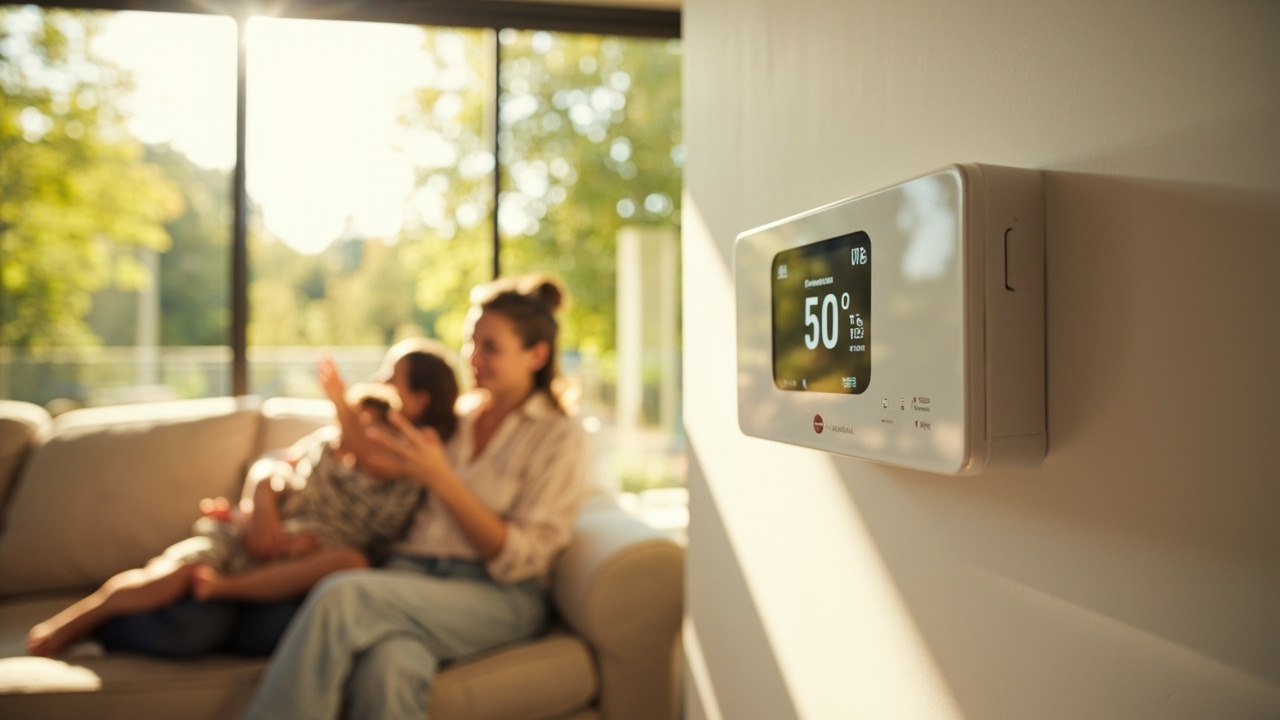
Start with your thermostat strategy. Set it to 78 degrees when you are home. Your body adapts within three days. Use ceiling fans to create wind chill effect, allowing you to feel comfortable at higher temperatures. Fans cool people, not rooms, so turn them off when you leave. This combination reduces runtime without sacrificing comfort.

Address your air filter next. A clogged filter restricts airflow, forcing your blower motor to work harder while reducing heat transfer efficiency across your evaporator coil. Check filters monthly during summer. Replace them when they look dirty, typically every 30 to 45 days in Nashville's pollen-heavy environment.

Your ductwork matters more than you think. Leaky ducts waste 20 to 30 percent of conditioned air in most homes. Air escapes into your attic or crawlspace before reaching living spaces. Seal duct joints with mastic sealant, not tape. Insulate ducts running through unconditioned spaces with R-6 or higher wrap.

Window management creates free efficiency gains. Close blinds and curtains on south and west-facing windows during afternoon hours. Direct sunlight adds significant heat load. Reflective window film blocks up to 70 percent of solar heat gain without darkening rooms.

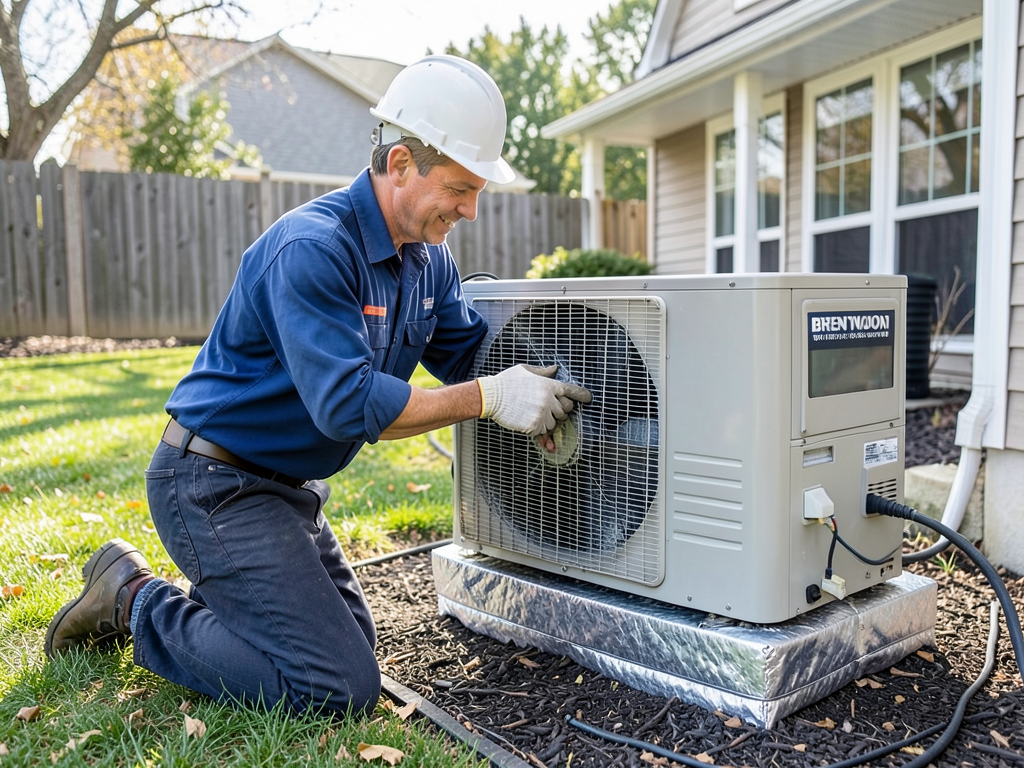
Your outdoor unit needs clearance. Remove vegetation within two feet of the condenser. Trim shrubs back. Clean the fins annually. Restricted airflow forces your compressor to work harder, consuming more power while delivering less cooling capacity. These adjustments cost nothing but time and deliver immediate results.

Your Summer Energy Savings Roadmap

Energy Saving Tips for Summer in Nashville – Cut Your Cooling Bills Without Sacrificing Comfort
01

System Assessment

Start by evaluating your current AC performance. Check your thermostat settings, inspect air filters, and walk your property to identify air leaks around windows and doors. Measure your baseline energy consumption from last month's utility bill. This establishes your starting point and helps you track improvement. Look for obvious issues like blocked vents, dirty condenser coils, or furniture blocking return air grilles. Document what you find so you can prioritize fixes that deliver the biggest impact for Nashville's climate conditions.
02

Strategic Implementation

Execute your efficiency upgrades in order of impact. Replace air filters first, then adjust your thermostat schedule using programmable or smart controls. Seal air leaks with weatherstripping and caulk. Clean your outdoor condenser unit and ensure proper clearance. Install reflective window treatments on west-facing windows where afternoon sun hits hardest. Schedule a professional tune-up if your system has not been serviced in the past year. This systematic approach prevents you from wasting effort on low-impact changes while missing critical efficiency opportunities.
03

Results Tracking

Monitor your energy consumption weekly through your utility provider's online portal or mobile app. Compare your current usage to your baseline measurement. Track indoor temperature and humidity levels with a simple hygrometer. You should see measurable improvement within the first billing cycle. Most Nashville homeowners report 15 to 25 percent reductions in summer cooling costs after implementing these strategies. If you do not see improvement within 30 days, you likely have equipment issues that require professional diagnosis and repair.

Why Local Knowledge Matters for Nashville Energy Efficiency

Generic energy advice fails in Nashville because it ignores our specific climate challenges. Recommendations designed for dry Arizona heat or moderate California temperatures do not account for the humidity load your AC system faces here. You need strategies that address both sensible heat and latent heat removal, which requires understanding how refrigeration cycles perform in high-moisture environments.

Alpha HVAC Nashville specializes in optimizing systems for Tennessee weather patterns. We understand that your AC runs differently in June versus August. Early summer brings moderate temperatures with high humidity. Late summer delivers sustained heat that tests equipment capacity. These variations require different optimization strategies throughout the cooling season.

We know the building stock in Nashville. Homes in Sylvan Park feature different construction methods than new builds in The Nations. Historic properties in Germantown have unique ventilation challenges. Bungalows in East Nashville often lack proper insulation. Ranch homes in Donelson face different solar gain patterns than two-story colonials in Belle Meade. These details matter when diagnosing efficiency problems.

Local building codes and utility rate structures influence your best strategies. Nashville Electric Service uses tiered pricing during peak summer months. Understanding when those rate thresholds kick in helps you time high-consumption activities and adjust thermostat schedules for maximum savings.

We also understand the realistic timeline for improvements. Nashville's cooling season runs from May through September. You have a narrow window to implement changes and see results before you start planning for heating season. Our recommendations prioritize quick wins that deliver measurable savings within weeks, not months.

The bottom line is simple. Energy efficiency is not one-size-fits-all. Solutions that work require local expertise, climate-specific knowledge, and understanding of your home's construction and orientation. That local authority makes the difference between theoretical advice and actual bill reduction.

What You Can Expect From Professional Energy Optimization

Immediate Action Items

You can start saving today without waiting for professional service. Replace your air filter, adjust your thermostat to 78 degrees, and close window coverings during peak sun hours. These three changes alone typically reduce energy consumption by 10 to 15 percent. Schedule your professional tune-up within the next week if you have not had service this year. Most providers can dispatch within 24 to 48 hours during non-emergency periods. The tune-up takes 60 to 90 minutes and identifies efficiency problems you cannot spot on your own. Your technician will measure refrigerant levels, test electrical components, clean coils, and verify proper airflow throughout your system.

Comprehensive System Evaluation

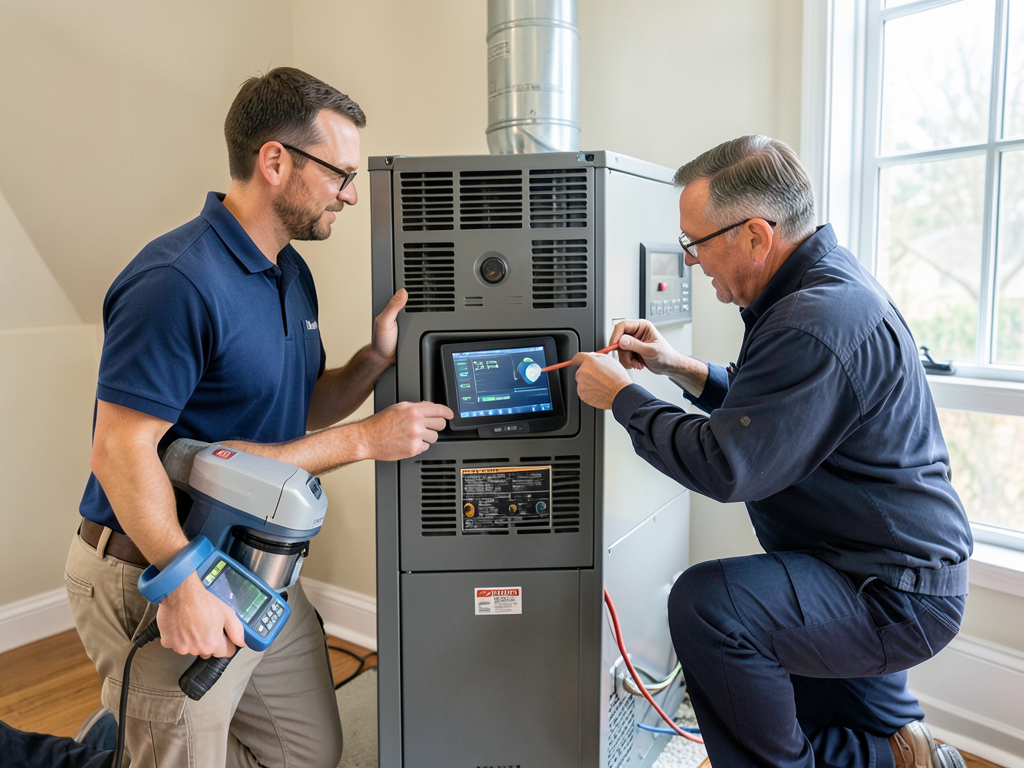
A proper energy assessment goes beyond basic maintenance. Your technician measures actual system performance against manufacturer specifications. This includes superheat and subcooling readings that reveal refrigerant charge accuracy, static pressure tests that identify duct restrictions, and amp draw measurements that detect failing motors before they fail completely. Temperature split across your evaporator coil tells you if your system removes heat efficiently. Humidity levels indicate whether your unit properly handles latent load. These diagnostics reveal hidden problems that waste energy while providing hard data about your system's current efficiency. The evaluation typically takes 90 minutes to two hours for a thorough assessment.

Measurable Results

You should see tangible improvement in your next utility bill after implementing professional recommendations. Most Nashville homeowners reduce summer cooling costs by 20 to 35 percent when combining behavioral changes with system optimization. Your home will feel more comfortable with fewer hot spots and better humidity control. Your AC will run shorter cycles that reach temperature setpoint faster. You will notice quieter operation and better airflow from your vents. Indoor air quality improves as your system removes humidity more effectively. These changes compound over the cooling season, delivering hundreds of dollars in savings while extending your equipment lifespan by reducing wear from inefficient operation.

Ongoing Optimization

Energy efficiency requires ongoing attention, not one-time fixes. Schedule biannual maintenance in spring and fall to keep your system running at peak performance. Replace filters monthly during heavy use periods. Clean your outdoor unit quarterly to maintain proper heat rejection. Monitor your energy consumption through your utility's online portal to catch problems early. Consider upgrading to a programmable or smart thermostat if you have not already. These devices pay for themselves within one cooling season through automated temperature management. Your HVAC provider can recommend additional improvements based on your home's specific needs, from duct sealing to insulation upgrades that deliver long-term savings.

Frequently Asked Questions

You Have Questions,
We Have Answers

How can we save energy in summer? +

Start by raising your thermostat to 78 degrees when you are home and higher when you are away. Nashville's summer humidity makes ceiling fans helpful because they create a wind-chill effect. Seal air leaks around windows and doors to stop cool air from escaping. Replace your HVAC filter monthly during peak cooling season. Close blinds on south-facing windows during the hottest part of the day. Schedule a tune-up before June to make sure your AC runs efficiently. Clean debris from your outdoor condenser unit regularly. Small changes add up to significant savings on your electric bill.

What are the 5 P's of energy conservation? +

The 5 P's are People, Planet, Prosperity, Peace, and Partnership. In practical terms for homeowners, these translate to behavioral changes. Train people in your household to turn off lights and unplug devices. Protect the planet by reducing energy waste. Save money to improve your prosperity. Create peace of mind knowing you are doing your part. Partner with your utility company through rebate programs. Nashville Electric Service offers incentives for efficient HVAC upgrades. Focus on the first three P's for immediate impact on your summer cooling costs and environmental footprint.

Does keeping the AC at 72 save money? +

Keeping your AC at 72 degrees costs more than setting it higher. Each degree below 78 increases your cooling costs by roughly six to eight percent. In Nashville's humid climate, 72 feels comfortable but forces your system to work harder and run longer cycles. You will see lower bills by raising the temperature to 78 when home and 85 when away. Supplement with ceiling fans to maintain comfort. A programmable thermostat helps you automate these changes without thinking about adjustments. The real savings come from strategic temperature management, not just picking one number.

What runs your electric bill up the most? +

Your air conditioner drives the highest summer electric costs in Nashville. Central AC accounts for nearly half of your peak-season bill. Water heaters run year-round and rank second. Older, inefficient HVAC systems consume even more energy while struggling against our summer heat and humidity. Other major culprits include electric dryers, refrigerators, and pool pumps. Ductwork leaks waste cooled air before it reaches your living spaces. An aging AC unit that cycles constantly will drain your wallet faster than any other appliance. Addressing your cooling system efficiency delivers the biggest impact on reducing summer bills.

What is the 3 minute rule for AC? +

The 3-minute rule prevents compressor damage by giving refrigerant pressure time to equalize after your AC shuts off. Rapid cycling stresses the compressor and shortens its lifespan. If your system keeps short cycling, you have a problem. Causes include a dirty filter, refrigerant leaks, an oversized unit, or a faulty thermostat. In Nashville's heat, short cycling also spikes your electric bill because the system never reaches efficient operation. Your AC should run in steady 15 to 20-minute cycles. If you notice constant on-off behavior, call for service before the compressor fails completely.

What are 10 ways to save energy? +

Raise your thermostat to 78 degrees. Use ceiling fans to improve comfort. Replace HVAC filters monthly. Seal air leaks around windows and doors. Close blinds during peak sun hours. Run dishwashers and laundry at night when it is cooler. Switch to LED bulbs throughout your home. Unplug devices you are not using. Schedule annual HVAC maintenance before summer. Install a programmable thermostat for automatic temperature adjustments. Nashville homeowners see the biggest savings from HVAC-related changes because cooling dominates summer energy use. Focus your efforts on the systems that consume the most power first.

What are 10 examples of conservation of energy? +

Conservation of energy means using less power to accomplish the same tasks. Examples include switching to LED lighting, washing clothes in cold water, air-drying dishes, running full loads in washers and dryers, unplugging phone chargers when not in use, lowering water heater temperature to 120 degrees, using a microwave instead of an oven, taking shorter showers, turning off lights when leaving rooms, and properly insulating your attic. In Nashville, attic insulation matters because it blocks radiant heat from penetrating your living spaces. Simple behavioral changes combined with home improvements create measurable reductions in energy consumption and costs.

What are 5 ways to save electricity? +

Set your thermostat higher in summer and lower in winter. Turn off lights when you leave a room. Unplug electronics and chargers you are not actively using. Wash laundry in cold water and run full loads only. Replace incandescent bulbs with LEDs throughout your home. These five changes require no investment and deliver immediate savings. Nashville residents should prioritize thermostat adjustments because air conditioning drives the highest summer costs. Phantom loads from devices in standby mode add up quickly. Small daily habits compound into significant annual savings without sacrificing comfort or convenience.

What appliances use the most energy? +

Air conditioners consume the most energy during Nashville summers, accounting for up to 50 percent of your electric bill. Water heaters run year-round and rank second. Electric dryers, refrigerators, and electric ovens follow. Older appliances use significantly more power than newer Energy Star models. Pool pumps and electric vehicle chargers also drive high consumption. Your HVAC system remains the biggest target for efficiency improvements. An aging AC unit with duct leaks can waste hundreds of dollars per season. Addressing cooling system performance delivers the fastest return on investment for reducing overall energy costs.

What is the $5000 AC rule? +

The $5000 AC rule suggests replacing your system if repair costs multiplied by the unit's age exceed $5000. For example, a $500 repair on a 12-year-old unit equals $6000, signaling replacement makes more sense. This guideline helps homeowners decide between fixing and replacing aging equipment. Nashville's climate works HVAC systems hard, shortening their effective lifespan to 12 to 15 years. Frequent breakdowns indicate declining efficiency and rising operating costs. New systems offer better energy efficiency and lower monthly bills. Consult a licensed technician for an honest assessment before making major repair investments.

How Nashville's Humidity Makes Energy Efficiency Critical

Nashville averages 75 percent relative humidity during summer months. That moisture content forces your air conditioner to work double duty. Your system must remove water vapor from the air while simultaneously lowering temperature. This latent heat removal consumes significant energy beyond simple cooling. When outdoor dew points stay above 65 degrees, which happens frequently from June through August, your AC struggles to achieve comfortable indoor conditions. The compressor runs longer cycles trying to wring moisture from the air. That extended runtime directly increases your electricity consumption. Homes without proper dehumidification strategies can see energy bills increase 40 to 50 percent compared to dry climates at the same temperature. Understanding this humidity load explains why summer energy efficiency ideas designed for Nashville must address moisture removal, not just temperature control.

HVAC Services in The Nashville Area

Alpha HVAC is a local business dedicated to serving the entire community. Our centralized location allows us to provide swift and reliable service to all surrounding areas. Whether you need a repair, a new installation, or routine maintenance, you can trust our team to be there for you when it matters most. Explore our service area on the map below to see how we can help you with all your heating and cooling needs.

Address:
Alpha HVAC Nashville, 1001 3rd Ave N, Nashville, TN, 37201

Additional Services We Offer

Our news updates

Latest Articles & News from The Blogs

Understanding the difference between a furnace and a boiler for older Middle Tennessee homes Choosing the right heating system for…

Understanding the difference between a furnace and a boiler for older Middle Tennessee homes

Understanding the difference between a furnace and a boiler for older Middle Tennessee homes Choosing the right heating system for…

How to choose a quiet HVAC system that won't disturb your neighbors in Brentwood

How to choose a quiet HVAC system that won't disturb your neighbors in Brentwood Living in Brentwood means enjoying peaceful…

Keeping your boat house or lakeside cabin comfortable with a mini split system

Keeping your boat house or lakeside cabin comfortable with a mini split system\n\nThe humid summers and mild winters of Middle…

Contact Us

Stop throwing money away on wasted energy. Call Alpha HVAC Nashville at (615) 552-1922 to schedule your system optimization. Our technicians will identify your biggest efficiency opportunities and deliver solutions that work for Nashville's climate.