








Menu

Weak Airflow from Vents in Nashville – Expert Diagnosis and Permanent Fixes for Low Air Pressure

When your AC registers blow weakly or produce little air, you need precision diagnostics that identify the root cause, not guesswork. We solve weak airflow from vents with targeted repairs that restore proper air pressure throughout your Nashville home.

Slider Image 1
Slider Image 2
Slider Image 3
Slider Image 4
Slider Image 5
Slider Image 7
Slider Image 8
Slider Image 9
Slider Image 10
Slider Image 11

Why Nashville Homes Struggle with Poor Airflow from AC Systems

You stand in front of your supply register expecting cold air, but you barely feel a whisper. Low air pressure from vents frustrates Nashville homeowners every cooling season, and the problem rarely fixes itself.

Nashville's climate creates unique challenges for HVAC systems. High humidity combined with extreme summer heat forces air conditioning systems to run longer cycles than in drier climates. This extended operation exposes ductwork weaknesses that might go unnoticed in milder regions. When you experience reduced air flow from registers, the issue often traces back to duct leaks in attic spaces where temperatures reach 140 degrees or higher during July and August.

The problem compounds in older Nashville neighborhoods like East Nashville, Germantown, and Sylvan Park, where homes built in the 1920s through 1960s often have undersized or deteriorated ductwork. Renovations and additions create additional stress on systems never designed to cool extra square footage. You notice little air coming out of vents in rooms farthest from the air handler because the duct system cannot maintain adequate static pressure.

Poor airflow from AC systems also stems from clogged air filters, failing blower motors, or refrigerant leaks that cause evaporator coil icing. When ice forms on the coil, airflow drops dramatically. You might hear your system running, but your AC blowing weakly indicates the air cannot pass through frozen coils. Nashville's humidity accelerates dust accumulation on filters, which restricts airflow faster than in arid climates. A filter that might last 90 days in Arizona needs replacement every 30 to 45 days here.

Weak airflow from vents signals efficiency loss, higher utility bills, and potential system failure. The problem demands accurate diagnosis, not temporary Band-Aid fixes.

Why Nashville Homes Struggle with Poor Airflow from AC Systems
How We Diagnose and Restore Proper Air Pressure to Your System

How We Diagnose and Restore Proper Air Pressure to Your System

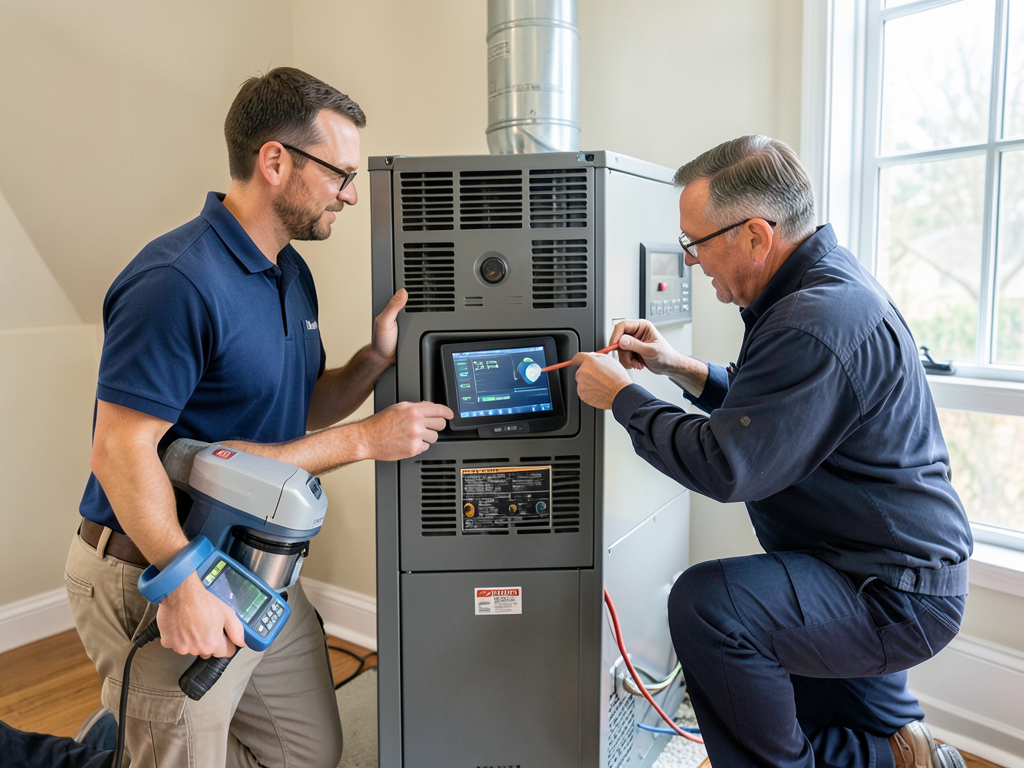
Fixing reduced air flow from registers requires methodical testing, not assumptions. We begin every weak airflow diagnosis with static pressure measurement at the supply and return plenums. This tells us whether your system operates within manufacturer specifications or if excessive resistance chokes airflow. Elevated static pressure indicates duct restrictions, undersized return air pathways, or clogged filtration media.

We use a digital manometer to measure pressure drops across the evaporator coil, which reveals whether the coil has restricted airflow due to dirt buildup or ice formation. If we detect ice, we check refrigerant charge with superheat and subcooling calculations. Low refrigerant causes evaporator coil temperatures to drop below freezing, creating ice that blocks airflow. This produces the classic symptom of little air coming out of vents even though the blower motor runs continuously.

Next, we inspect ductwork in accessible areas for disconnections, holes, or crushed flex duct. In Nashville attics, we routinely find flex duct compressed by storage items or damaged by pest activity. A single tear in supply ductwork can dump 30 percent of your conditioned air into the attic before it reaches living spaces. We also check dampers to ensure they sit in the correct position for balanced airflow.

Blower motor performance gets verified with amp draw testing. A failing capacitor causes motors to run below rated RPM, which reduces airflow even if nothing blocks the duct system. We measure actual CFM delivery using a flow hood at supply registers to compare against design specifications. When your AC blows weakly, the data tells us whether the problem originates at the air handler, within the duct system, or at the evaporator coil.

We also evaluate filter housing for bypass gaps that allow unfiltered air to recirculate. This increases coil contamination and accelerates airflow reduction over time. Every diagnostic step targets the specific cause of low air pressure from vents in your home.

What Happens During Your Airflow Restoration Service

Weak Airflow from Vents in Nashville – Expert Diagnosis and Permanent Fixes for Low Air Pressure
01

System Performance Testing

We start by measuring static pressure, temperature differential, and airflow velocity at multiple points in your system. This baseline data identifies whether weak airflow from vents stems from mechanical failure, duct leakage, or restriction. You receive specific pressure readings and CFM measurements that document system performance before any repairs begin.
02

Targeted Repair Execution

Based on diagnostic findings, we execute repairs that address the root cause. This might involve sealing duct leaks with mastic and metal-backed tape, replacing a failing blower motor capacitor, cleaning the evaporator coil, or correcting refrigerant charge. We repair what failed, not what seems convenient. Each intervention targets the specific failure point creating poor airflow from AC systems.
03

Verification and Documentation

After repairs, we retest static pressure and airflow velocity to confirm the system now operates within specifications. You see the before and after data that proves little air coming out of vents has been resolved. We document all measurements and provide recommendations for maintaining proper airflow moving forward, including filter change intervals specific to your home.

Why Nashville Homeowners Choose Local HVAC Experts for Airflow Problems

Weak airflow from vents requires someone who understands Nashville's housing stock and climate challenges. We work in homes across Davidson County every day, from historic bungalows in Inglewood to new construction in Bellevue. This experience teaches us which duct configurations fail first and how Nashville's temperature extremes stress HVAC components.

Generic troubleshooting charts cannot account for the duct systems we encounter in older Nashville homes. Many were installed before modern Manual D duct design standards existed. Undersized return air pathways create negative pressure that restricts airflow even when supply ducts are intact. We recognize these configuration errors immediately because we have seen them in hundreds of Nashville homes.

Local expertise also matters when diagnosing reduced air flow from registers in homes with additions or renovations. A 1,200-square-foot home that expanded to 1,800 square feet often still uses the original duct system and air handler. The equipment cannot deliver adequate CFM to the added space, which creates weak airflow in the new rooms and sometimes reduces pressure throughout the entire system. We evaluate total cooling load against system capacity to determine if equipment replacement or duct modifications offer the correct solution.

We also understand Nashville code requirements and permitting processes for duct modifications or equipment replacement. When repairs require duct rework in attics or crawl spaces, we follow current energy code standards for duct insulation and sealing. This ensures your system passes inspection if you sell your home or apply for energy efficiency rebates.

Choosing a local HVAC contractor means working with technicians who know your neighborhood, understand your home's construction era, and can source parts quickly from local suppliers. When your AC blows weakly during a heat wave, you need rapid response from someone who stocks common parts and knows the fastest repair path for Nashville's typical duct failures.

Trust matters when someone enters your attic or crawl space. We have built our reputation by solving problems correctly the first time and backing our work with transparent explanations of what failed and why.

What You Can Expect When You Call for Weak Airflow Repair

Fast Scheduling and Response

We understand that poor airflow from AC systems during Nashville summers creates uncomfortable conditions quickly. We offer same-day and next-day appointments for airflow diagnostics. When you call, you speak with someone who schedules your service immediately, not a voicemail system. Most airflow diagnostics take 60 to 90 minutes, depending on system accessibility and the complexity of your duct layout. We arrive with diagnostic tools ready to measure static pressure, airflow velocity, and temperature differential the moment we step through your door.

Comprehensive Airflow Diagnosis

You receive a complete evaluation, not a visual inspection. We measure static pressure at supply and return plenums, check refrigerant charge with superheat and subcooling calculations, test blower motor amp draw, and inspect accessible ductwork for leaks or restrictions. If we suspect duct leakage, we perform a duct pressure test to quantify air loss. You see the data that identifies why you experience little air coming out of vents. We explain findings in clear language and provide repair options with transparent cost estimates before starting work.

Measurable Performance Improvement

After repairs, you notice immediate improvement in air pressure at your registers. We verify this with post-repair airflow measurements that document CFM delivery at supply vents. Reduced air flow from registers gets corrected with targeted fixes that address the actual failure point, whether that involves duct sealing, coil cleaning, refrigerant adjustment, or blower motor repair. You receive documentation showing before and after static pressure readings and temperature differential measurements. The data proves your system now operates within manufacturer specifications and delivers the airflow your home requires.

Ongoing Maintenance Guidance

Maintaining proper airflow requires regular filter changes and periodic system cleaning. We provide specific filter change intervals based on your home's dust load and occupancy. Nashville homes typically need filter replacement every 30 to 45 days during cooling season due to high humidity and pollen levels. We also recommend annual coil cleaning to prevent dirt buildup that restricts airflow over time. If your ductwork shows signs of deterioration or pest damage, we provide a maintenance plan that includes periodic inspections to catch problems before they create AC blowing weakly symptoms again.

Frequently Asked Questions

You Have Questions,
We Have Answers

Why do I barely feel air coming out of my vents? +

Weak airflow usually stems from a clogged air filter, which restricts air movement through your system. In Nashville's humid climate, filters trap moisture and debris faster than drier regions. Check your filter first. If it looks dirty or has not been changed in 90 days, replace it. Other causes include blocked return vents, closed dampers, or leaking ductwork in your attic or crawlspace. A failing blower motor or frozen evaporator coil can also restrict airflow. If changing the filter does not help, call a technician to inspect your ductwork and blower assembly.

How to fix low air flow from vents? +

Start by replacing your air filter. A clogged filter is the most common culprit. Next, walk through your home and ensure all supply vents are open and unobstructed by furniture or curtains. Check your return grilles for blockages. If airflow remains weak, inspect accessible ductwork for disconnected joints or visible holes. Nashville homes with older duct systems often have leaks at seams. Verify your outdoor unit is running and not covered in debris. If these steps do not resolve the issue, you need a professional to test static pressure and check your blower speed.

Why is the air barely blowing out of my vents in my car? +

This question addresses automotive HVAC, not residential systems. For home airflow issues in Nashville, the causes differ completely. Weak airflow from home vents typically results from dirty air filters, blocked vents, or ductwork leaks. Nashville's high humidity can accelerate filter clogging. If you are asking about your car, consult an automotive specialist. For your home system, start by checking and replacing your air filter, then ensure all vents are open. If the problem continues, contact an HVAC technician to inspect your ductwork and blower motor.

How to increase flow on a vent? +

First, confirm the vent damper is fully open. Many supply vents have adjustable louvers or a damper lever on the duct collar. Remove the vent cover and look inside. Make sure furniture, rugs, or drapes are not blocking airflow. Replace your system's air filter if it looks dirty. In Nashville homes, duct leaks in unconditioned attics rob airflow from distant rooms. If one room consistently gets weak airflow while others are fine, you may have a duct sizing issue or a detached flex duct run. A technician can rebalance your system or repair leaking ductwork.

What is the most common cause of poor air flow in a duct system? +

Clogged air filters cause the majority of airflow problems in residential duct systems. Filters trap dust, pollen, and moisture, which reduces airflow across the evaporator coil and into your home. Nashville's humidity accelerates this buildup. Beyond filters, leaking ductwork is the second most common issue. Duct leaks waste conditioned air in attics or crawlspaces before it reaches your living areas. Crushed or kinked flex ducts, closed dampers, and undersized return grilles also restrict airflow. Regular filter changes every 60 to 90 days prevent most airflow complaints in Middle Tennessee homes.

What is the $5000 rule for AC? +

The 5000 dollar rule is a decision guideline for repairing or replacing your air conditioner. Multiply the age of your unit by the repair cost estimate. If the result exceeds 5000, replacement often makes more financial sense than repair. For example, a 12 year old unit needing 600 dollars in repairs equals 7200, suggesting replacement. In Nashville, older units struggle with our humid summers and lose efficiency. This rule helps you avoid pouring money into aging equipment. Always get a second opinion and compare repair costs against the efficiency gains of a new system.

How to boost air coming out of vents? +

Replace your air filter immediately if it looks dirty. Clean all return grilles and ensure supply vents are fully open. Check your outdoor unit and clear away grass clippings, leaves, or debris blocking the condenser coils. Inside, verify your blower compartment door is sealed properly. A loose door can reduce airflow. If your system has zone dampers, confirm they are open. In Nashville homes, sealing duct leaks in the attic can recover significant airflow lost to unconditioned spaces. If these steps fail, a technician can increase blower speed or diagnose undersized ductwork.

Why is my AC set at 74 but reads 78? +

Your thermostat reads 78 because your system cannot keep up with the cooling load. In Nashville's summer heat and humidity, undersized equipment, low refrigerant, or dirty coils reduce capacity. Check your air filter first. A clogged filter starves the evaporator coil and reduces cooling output. Inspect your outdoor unit for dirty condenser coils or a non-spinning fan. Leaking ductwork in your attic also wastes cooled air before it reaches living spaces. If the outdoor temperature exceeds 95 degrees, your system may struggle. Persistent issues require refrigerant testing and airflow measurement by a technician.

What is the 2 foot rule for HVAC? +

The 2 foot rule requires at least 2 feet of clearance around your outdoor condenser unit for proper airflow and heat exchange. Shrubs, fences, storage items, or debris within this zone restrict airflow and force your compressor to work harder. In Nashville, overgrown landscaping is common during our humid growing season. Restricted airflow raises head pressure, reduces efficiency, and can cause compressor failure. Trim bushes back and remove clutter regularly. The rule also applies to vertical clearance. Avoid placing objects on top of the unit or building structures directly overhead that trap heat.

What is the 3 minute rule for AC? +

The 3 minute rule prevents compressor damage by requiring a minimum 3 minute wait between shutdown and restart. After your system turns off, refrigerant pressure equalizes between the high and low sides. Restarting too quickly forces the compressor to start against high pressure, which can trip the breaker or damage internal components. Many modern thermostats and systems have built-in delay timers to enforce this rule. In Nashville's hot climate where systems cycle frequently, this protection is critical. If your system short cycles or trips breakers, you may have a failing compressor or control board that ignores the delay.

How Nashville's Humidity and Attic Temperatures Accelerate Airflow Problems

Nashville's summer humidity levels routinely exceed 70 percent, which forces HVAC systems to remove moisture and lower temperature simultaneously. This dual load increases runtime and stresses duct seals in unconditioned attic spaces where temperatures reach 130 to 150 degrees. The extreme temperature differential between cold supply ducts and superheated attic air causes duct insulation to degrade faster than in moderate climates. When duct wrap separates or compresses, condensation forms on cold duct surfaces, which accelerates mastic seal failure at joints and seams. This creates the duct leakage that produces low air pressure from vents throughout your home. Nashville homes need duct systems that can withstand both high humidity and extreme attic heat, which requires professional installation and periodic inspection.

We have worked in every Nashville neighborhood from The Gulch to Donelson, which gives us insight into how different construction eras handle airflow challenges. Homes built before 1980 often lack adequate return air pathways, which creates negative pressure that restricts airflow even when supply ducts function correctly. We understand local building code requirements for duct insulation values and sealing standards, which ensures repairs meet current energy efficiency mandates. When you hire local HVAC technicians who know Nashville's housing stock, you get solutions tailored to your home's specific construction and climate challenges, not generic fixes that fail within months.
HVAC Services in The Nashville Area

Alpha HVAC is a local business dedicated to serving the entire community. Our centralized location allows us to provide swift and reliable service to all surrounding areas. Whether you need a repair, a new installation, or routine maintenance, you can trust our team to be there for you when it matters most. Explore our service area on the map below to see how we can help you with all your heating and cooling needs.

Address:
Alpha HVAC Nashville, 1001 3rd Ave N, Nashville, TN, 37201

Additional Services We Offer

Our news updates

Latest Articles & News from The Blogs

Understanding the difference between a furnace and a boiler for older Middle Tennessee homes Choosing the right heating system for…

Understanding the difference between a furnace and a boiler for older Middle Tennessee homes

Understanding the difference between a furnace and a boiler for older Middle Tennessee homes Choosing the right heating system for…

How to choose a quiet HVAC system that won't disturb your neighbors in Brentwood

How to choose a quiet HVAC system that won't disturb your neighbors in Brentwood Living in Brentwood means enjoying peaceful…

Keeping your boat house or lakeside cabin comfortable with a mini split system

Keeping your boat house or lakeside cabin comfortable with a mini split system\n\nThe humid summers and mild winters of Middle…

Contact Us

Poor airflow from AC systems will not improve on its own. Call (615) 552-1922 now to schedule your comprehensive airflow diagnostic. We identify the exact cause of reduced air flow from registers and restore proper air pressure with targeted repairs that last.