







Menu

Weird Smells from Vents in Nashville – Expert Diagnosis and Permanent Solutions

If you smell something foul, musty, or just plain wrong coming from your air ducts, you need accurate diagnosis and proper repair. Alpha HVAC Nashville identifies the root cause of weird smells from vents and fixes it right the first time.

Slider Image 1
Slider Image 2
Slider Image 3
Slider Image 4
Slider Image 5
Slider Image 7
Slider Image 8
Slider Image 9
Slider Image 10
Slider Image 11

Why Nashville Homes Develop Strange Odors from Air Ducts

You turn on your system and get hit with a smell that makes you wince. It might be musty, metallic, burning, or something you cannot quite place. Either way, it does not belong in your home.

Nashville's humid climate creates the perfect breeding ground for mold and mildew inside ductwork. When moisture sits in your system, biological growth starts fast. You get that damp, musty smell every time the blower kicks on. High summer humidity makes it worse.

A bad smell coming from vents can also signal overheating components, rodent infiltration, or debris buildup. If you smell burning plastic, an electrical issue might be heating up wiring or insulation. A rotten egg odor could mean a gas leak, which is a life-threatening emergency. Dirty sock syndrome happens when bacteria colonize the evaporator coil, creating a sour smell that floods your home every cooling cycle.

Older homes in neighborhoods like East Nashville or Germantown often have ductwork that has never been cleaned or inspected. Dust, pet dander, and organic material accumulate over years, and odd smells from HVAC systems become the norm. Construction dust from nearby renovations can also infiltrate your ducts, creating a chemical or burnt smell when the system runs.

You should never ignore foul air conditioner odors. They signal a problem that will not fix itself. The longer you wait, the worse the contamination becomes, and the harder it is to eliminate the source.

Why Nashville Homes Develop Strange Odors from Air Ducts
How We Pinpoint and Eliminate the Source of Funny Smells from Heating Systems

How We Pinpoint and Eliminate the Source of Funny Smells from Heating Systems

We do not mask smells or guess at the problem. We use systematic diagnostics to identify exactly what is causing the odor, then we eliminate it at the source.

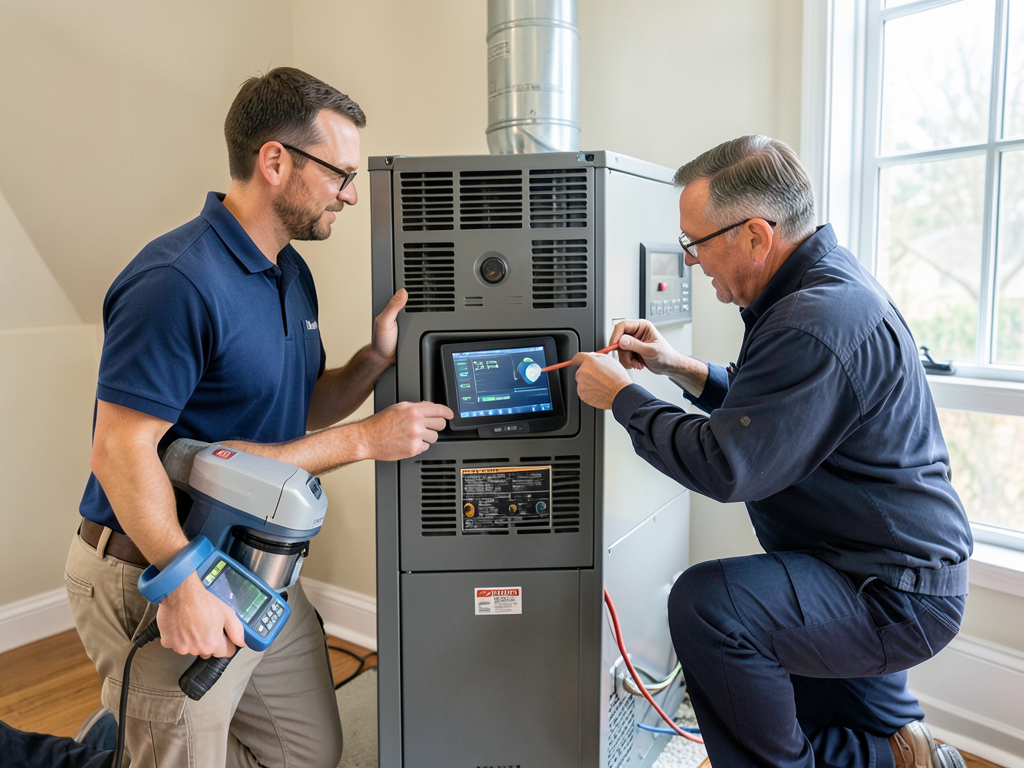
First, we run a full system inspection. We check the evaporator coil, blower assembly, condensate drain pan, and heat exchanger for biological growth, standing water, or debris. We inspect the ductwork for breaches, moisture intrusion, or pest activity. We test airflow and static pressure to see if circulation problems are trapping contaminated air.

If the smell is musty or biological, we often find mold or mildew on the evaporator coil or in the drain pan. We clean the coil with antimicrobial treatment and flush the condensate line to remove blockages. If the ductwork is contaminated, we perform a professional duct cleaning using negative air pressure and HEPA filtration to pull out all organic material.

If the smell is burning or chemical, we inspect electrical connections, capacitors, and blower motor windings. Overheating components give off distinct odors. We test voltage and amperage to confirm the system is drawing correctly. If the heat exchanger is cracked, combustion gases can leak into the air stream, which is a dangerous situation that requires immediate replacement.

For Nashville homes with humidity issues, we often recommend a whole-home dehumidifier or UV light installation on the coil to prevent future microbial growth. Once we address the root cause, the smell disappears completely. You get clean, neutral air with no lingering odor.

What Happens When We Investigate Strange Vent Odors

Weird Smells from Vents in Nashville – Expert Diagnosis and Permanent Solutions
01

Initial Smell Assessment

We ask you to describe the smell, when it happens, and how long it has been present. We note whether it occurs during heating, cooling, or both. We check the thermostat settings and run the system to confirm the odor. This helps us narrow down whether the issue is in the air handler, ductwork, or a specific component like the heat exchanger or blower motor.
02

Component and Duct Inspection

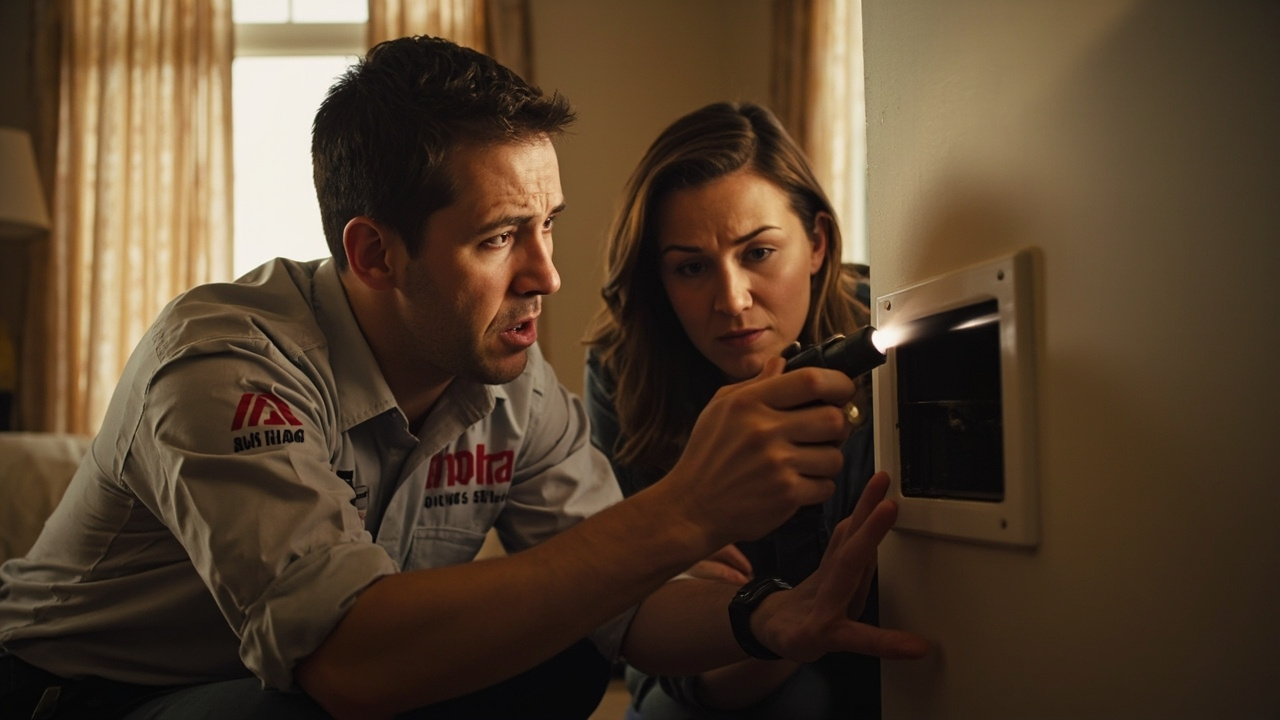
We open the air handler and inspect the evaporator coil, drain pan, and blower assembly for contamination. We check the heat exchanger for cracks using a flashlight and mirror. We pull supply and return grilles to inspect ductwork for mold, moisture, or pest intrusion. We use a fiber optic camera if needed to see deep into the duct system and identify hidden contamination.
03

Targeted Cleaning or Repair

Once we identify the source, we clean or repair the affected component. We apply antimicrobial coil cleaner, flush drain lines, replace damaged ductwork, or repair electrical faults. If the heat exchanger is cracked, we provide replacement options. After the fix, we run the system and confirm the odor is gone. You get a clear explanation of what caused it and how to prevent it from returning.

Why Nashville Homeowners Trust Alpha HVAC for Odor Diagnosis

Nashville has unique challenges when it comes to HVAC odor problems. High humidity, temperature swings, and older housing stock create conditions where biological growth and debris accumulation are common. You need a technician who knows how local conditions affect indoor air quality and how to fix the problem permanently.

We have worked in Nashville long enough to know the common culprits. We know which neighborhoods have older ductwork prone to leaks. We know how humidity sits in crawl spaces in areas like Bellevue and Green Hills, feeding mold growth in the air handler. We know the difference between dirty sock syndrome and a cracked heat exchanger, and we know how to fix both.

Other companies might spray deodorizer or tell you the smell will go away on its own. That is not a fix. That is a delay. We find the actual source, show you the problem, and eliminate it with the right repair or cleaning method. If your coil is contaminated, we clean it properly. If your ducts are full of debris, we clean them with professional equipment. If a component is failing, we replace it before it becomes a safety hazard.

We also educate you on prevention. We explain how to manage humidity, when to change filters, and what maintenance steps keep your system clean. You get honest advice, not a sales pitch. We do not upsell services you do not need. If a simple coil cleaning fixes the problem, that is what we do. If you need duct replacement, we explain why and give you a fair price.

You want your home to smell clean and feel safe. We make that happen.

What to Expect When We Address Your Vent Odor Problem

Fast Response and Same-Day Service

We know that living with a foul smell is miserable. You do not want to wait days for an appointment. We offer same-day service in most cases. When you call, we schedule a visit as soon as possible. Our technicians arrive on time with the tools and equipment needed to diagnose and fix the problem. If you have an emergency situation like a gas smell or burning odor, we treat it as a priority and respond immediately.

Thorough Diagnostic Process

We do not rush through the inspection. We take the time to check every potential source of the odor. You get a clear explanation of what we find and why it is causing the smell. We walk you through the issue using plain language, not jargon. If we need to access your ductwork or open your air handler, we do it carefully and clean up afterward. You understand the problem before we start any repair work.

Complete Odor Elimination

Our goal is to eliminate the smell completely, not just cover it up. After we clean or repair the affected component, we test the system to confirm the odor is gone. You get clean, neutral air that smells like nothing. If we recommend ongoing maintenance like UV light installation or dehumidification, we explain the benefit and let you decide. The result is a system that runs clean and a home that smells fresh.

Preventive Maintenance Recommendations

After we fix the immediate problem, we give you a plan to keep it from coming back. This might include more frequent filter changes, annual coil cleaning, or humidity control measures. We explain what causes the issue and how you can prevent it. If your system needs ongoing maintenance, we offer service plans that include regular inspections and cleaning. You stay ahead of problems before they turn into expensive repairs or health hazards.

Frequently Asked Questions

You Have Questions,
We Have Answers

Why is there a bad smell coming from my vents? +

Bad smells from vents signal different problems. A musty odor means mold or mildew growth inside your ductwork, common in Nashville's humid summers. A burning smell points to overheating components or dust burning off the heat exchanger. Rotten egg odors indicate a gas leak, which requires immediate evacuation and a 911 call. Dead animal smells mean rodents or birds died in your ducts. A sewage smell suggests a cracked drain line near your air handler. Turn off your system and call a qualified HVAC technician to diagnose the source. Never ignore strange odors.

What does an electrical fire smell like before it starts? +

Before an electrical fire starts, you smell burning plastic or hot rubber. This acrid, chemical odor comes from wire insulation melting. You might also notice a fishy smell from overheating electrical components or outlets. The scent intensifies near the problem source, like your electrical panel, outlets, or air handler. In Nashville's older homes, particularly in East Nashville or Germantown, outdated wiring increases this risk. If you smell burning plastic from your vents, shut off your HVAC system at the breaker immediately. Call an electrician or HVAC technician to inspect before restarting.

What does mold in air vents smell like? +

Mold in air vents smells musty, earthy, or like damp socks. The odor worsens when your system first kicks on after sitting idle. Nashville's high humidity creates perfect conditions for mold growth inside ductwork, especially if you have condensation issues or poor ventilation. Black mold has a stronger, more pungent smell than typical mildew. You might notice the smell concentrated in certain rooms or stronger on humid days. Mold produces spores that circulate through your home, triggering respiratory issues. A professional duct inspection and cleaning removes the growth and identifies moisture sources.

Is strange smell coming from a vent a chemical hazard? +

Some vent smells indicate chemical hazards. A sweet, ether-like smell means refrigerant leaks, which can displace oxygen in enclosed spaces. Formaldehyde smells sickeningly sweet and comes from deteriorating ductwork materials or nearby water damage. Sulfur or rotten egg odors signal natural gas leaks, which are explosive. Chemical cleaning product smells might mean someone improperly treated your ducts. If you smell strong chemicals, open windows, turn off your HVAC system, and evacuate if symptoms like dizziness or nausea occur. Call emergency services for gas leaks. Contact an HVAC professional for refrigerant or other chemical smells.

How to sanitize air ducts yourself? +

You cannot safely sanitize air ducts yourself. Ductwork extends throughout wall cavities, attics, and crawlspaces where mold, bacteria, and contaminants hide beyond your reach. DIY cleaning with household products often spreads contamination or damages duct lining. Professional equipment includes negative air machines, HEPA vacuums, and EPA-approved antimicrobial treatments. You can replace your air filter monthly and vacuum visible vent covers. Clean the area around your return vents. But leave duct sanitization to licensed HVAC technicians with proper tools. In Nashville's humid climate, improper cleaning can worsen mold problems by introducing moisture.

What does an HVAC refrigerant leak smell like? +

An HVAC refrigerant leak smells sweet and slightly chemical, like chloroform or ether. The odor is subtle but distinctive. You might notice it strongest near your outdoor condenser unit or indoor air handler. Refrigerant is heavier than air, so the smell lingers near the floor. Your system might ice up, blow warm air, or hiss at the leak point. Nashville's extreme temperature swings stress refrigerant lines and connections. Refrigerant exposure causes dizziness, headaches, and respiratory irritation. Shut off your system if you suspect a leak. Call an HVAC technician immediately for pressure testing and repair.

Are there warning signs before an electrical fire? +

Yes. Warning signs before an electrical fire include flickering lights, warm outlets or switch plates, buzzing sounds from electrical panels, frequently tripping breakers, and discolored outlets. You smell burning plastic or see scorch marks near outlets. Lights dim when large appliances start. Your HVAC system struggles to start or trips breakers repeatedly. Nashville homes built before 1970 often have aluminum wiring or undersized electrical panels that increase fire risk. Take these signs seriously. Call a licensed electrician immediately if you notice multiple warning signs. Replace old outlets, upgrade your electrical panel, and never ignore burning smells.

What does bad wiring smell like? +

Bad wiring smells like burning plastic, hot metal, or fish. The fishy odor comes from overheating electrical components releasing a specific chemical smell. Burning plastic means wire insulation is melting. Hot metal smells sharp and metallic. You notice these smells near outlets, switches, your electrical panel, or coming through vents if wiring runs near ductwork. The smell intensifies when you run high-draw appliances like your air conditioner. In Nashville's older neighborhoods, outdated wiring cannot handle modern electrical loads. Never ignore electrical smells. Shut off power at the main breaker and call an electrician immediately.

What are signs of faulty wiring? +

Faulty wiring shows these signs: frequent breaker trips, flickering or dimming lights, buzzing outlets, warm switch plates, discolored or scorched outlets, burning smells, sparking when plugging in devices, and outlets that stop working. You might feel slight shocks touching appliances or see your HVAC system cycling erratically. Lights dim when your air conditioner starts. Outlets feel loose or fall out of the wall. Nashville homes in historic districts often have knob-and-tube wiring or aluminum wiring that fails over time. Faulty wiring causes house fires. Call a licensed electrician for a full electrical inspection and rewiring.

What are the 10 warning signs of mold toxicity? +

Ten warning signs of mold toxicity include chronic fatigue, brain fog, memory problems, headaches, respiratory issues like coughing or wheezing, sinus congestion, skin rashes, joint pain, sensitivity to light, and mood changes. You feel worse at home and better when away. Symptoms worsen in humid weather, common during Nashville summers. Mold spores circulate through your HVAC system, affecting everyone differently based on sensitivity. Children and those with asthma or allergies suffer most. If you suspect mold toxicity, see a doctor and hire a certified mold inspector. Professional duct cleaning and moisture control resolve the source.

Why Nashville Humidity Makes Weird Smells from Vents a Year-Round Problem

Nashville sits in a humid continental climate zone where summer humidity regularly exceeds 70 percent. This moisture infiltrates your HVAC system and creates ideal conditions for mold, mildew, and bacterial growth. When your evaporator coil cycles on and off, condensation sits in the drain pan and on the coil surface. If the condensate line clogs or drains slowly, standing water becomes a breeding ground for microbes. You smell it every time the blower runs. Older homes in East Nashville, Germantown, and Sylvan Park often have undersized ductwork or poor attic insulation, which worsens condensation problems and accelerates biological contamination.

Choosing a local HVAC company means you work with technicians who understand how Nashville weather affects your system. We know the building practices common in different decades and neighborhoods. We know which homes have ductwork in unconditioned crawl spaces and which have poor vapor barriers. We know how to address the specific humidity and ventilation challenges that cause recurring odor problems. When you call a local expert, you get someone who has seen your problem a hundred times and knows the right fix for Nashville conditions.
HVAC Services in The Nashville Area

Alpha HVAC is a local business dedicated to serving the entire community. Our centralized location allows us to provide swift and reliable service to all surrounding areas. Whether you need a repair, a new installation, or routine maintenance, you can trust our team to be there for you when it matters most. Explore our service area on the map below to see how we can help you with all your heating and cooling needs.

Address:
Alpha HVAC Nashville, 1001 3rd Ave N, Nashville, TN, 37201

Additional Services We Offer

Our news updates

Latest Articles & News from The Blogs

Understanding the difference between a furnace and a boiler for older Middle Tennessee homes Choosing the right heating system for…

Understanding the difference between a furnace and a boiler for older Middle Tennessee homes

Understanding the difference between a furnace and a boiler for older Middle Tennessee homes Choosing the right heating system for…

How to choose a quiet HVAC system that won't disturb your neighbors in Brentwood

How to choose a quiet HVAC system that won't disturb your neighbors in Brentwood Living in Brentwood means enjoying peaceful…

Keeping your boat house or lakeside cabin comfortable with a mini split system

Keeping your boat house or lakeside cabin comfortable with a mini split system\n\nThe humid summers and mild winters of Middle…

Contact Us

You should not have to live with foul odors in your home. Call Alpha HVAC Nashville at (615) 552-1922 right now. We will send a technician to diagnose the problem, fix it right, and restore clean air to your home.