






Menu

AC Blowing Warm Air in Nashville – Expert Diagnosis and Same-Day Repair

When your AC blowing warm air leaves you uncomfortable in the heat, our certified technicians identify the root cause fast and restore cold airflow the same day.

Slider Image 1
Slider Image 2
Slider Image 3
Slider Image 4
Slider Image 5
Slider Image 7
Slider Image 8
Slider Image 9
Slider Image 10
Slider Image 11

Why Your Nashville AC Is Blowing Hot Air Instead of Cold

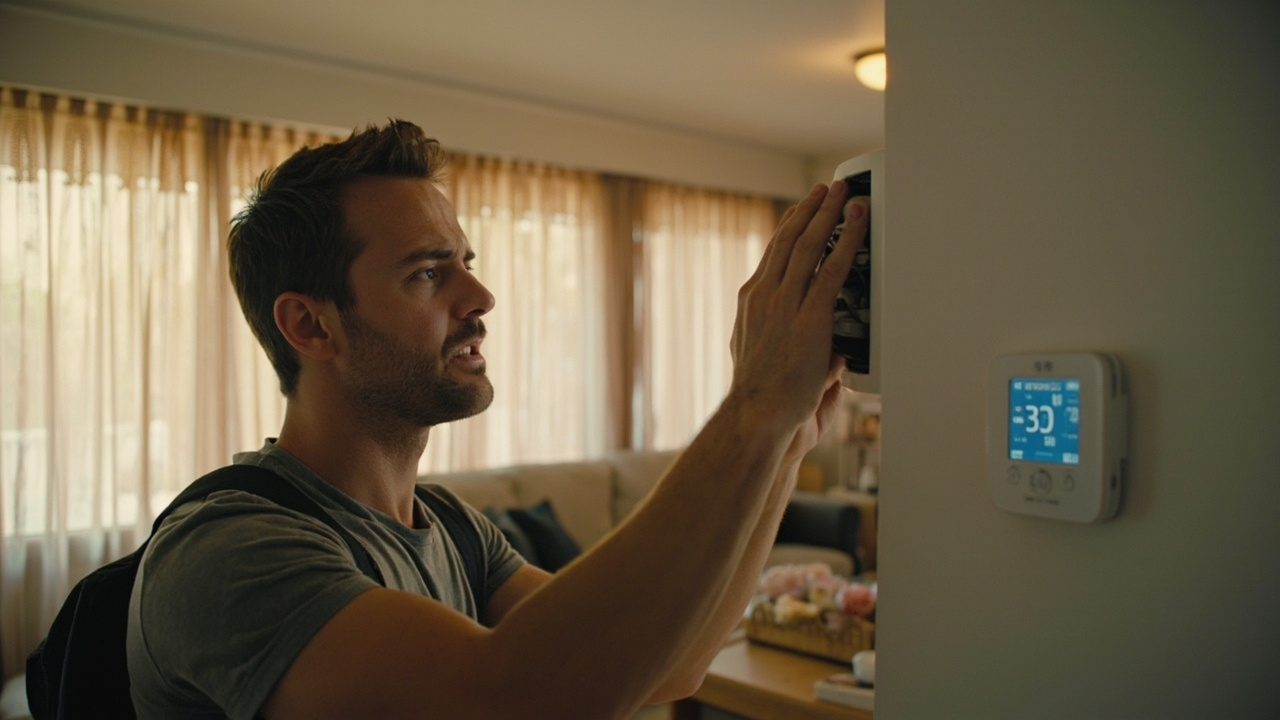
You set your thermostat to 68 degrees, but your vents push out warm air like a hair dryer. Your air conditioner is running, but not cooling. The compressor hums outside, yet your central air blowing warm air makes every room feel like an oven.

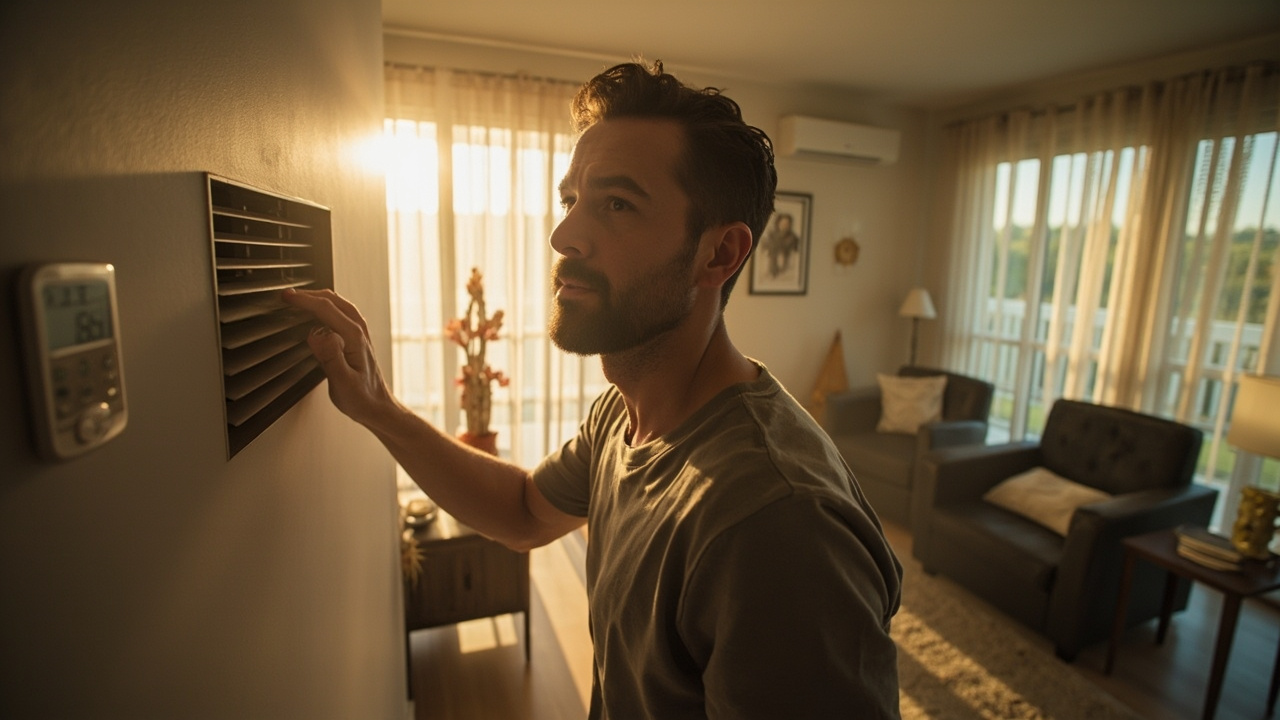
This frustration is common in Nashville, where summers push systems into overdrive. When your AC vents blowing hot air, the problem usually traces back to refrigerant leaks, failed compressors, or clogged condensers. Nashville's thick summer humidity makes these failures feel worse because warm air holds more moisture. Your body cannot cool down when the air conditioning is not blowing cold air.

Refrigerant does not just disappear. If your system is low, you have a leak somewhere in the copper lines. A dirty condenser coil, covered in cottonwood seeds and pollen from Percy Warner Park trails, blocks heat transfer. The outdoor unit cannot release heat, so it recycles warm air back inside. A failed capacitor leaves the compressor unable to start the cooling cycle. Your air conditioner blowing hot air is not random. It signals a specific mechanical failure.

Ignoring the problem costs you. Your system runs longer, burning more electricity while delivering zero comfort. Compressor damage gets worse when the unit runs without proper refrigerant charge. The sooner you diagnose why your AC running but not cooling, the less you pay in repairs and the faster you get back to comfortable indoor temperatures.

Why Your Nashville AC Is Blowing Hot Air Instead of Cold
How We Diagnose and Fix AC Blowing Warm Air

How We Diagnose and Fix AC Blowing Warm Air

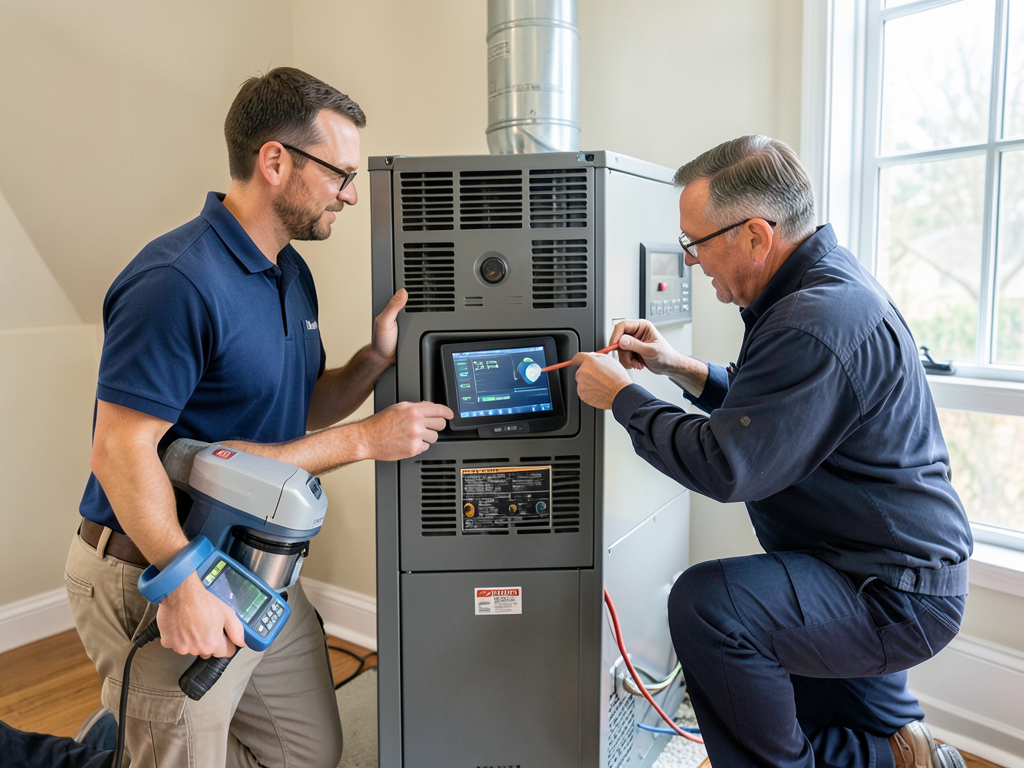
We do not guess. Our technicians use digital manifold gauges to measure refrigerant pressures at the suction and discharge lines. Low suction pressure with high superheat readings confirms a refrigerant leak. High head pressure with normal subcooling points to a dirty condenser or failed fan motor. We pull temperature splits at the supply and return vents. A delta T below 15 degrees means your system is not transferring heat.

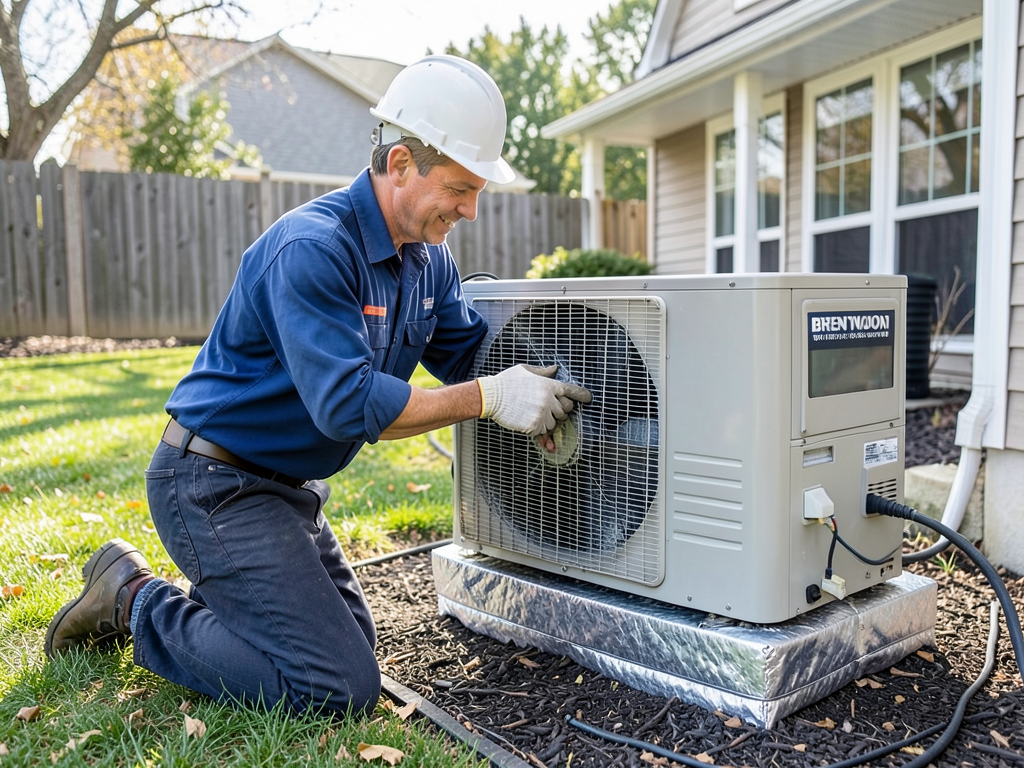
We inspect the condensing unit for physical damage. Nashville storms knock debris into the coil fins, bending them and blocking airflow. We check capacitor microfarad ratings with a multimeter. A weak start capacitor prevents the compressor from building pressure. We test the reversing valve on heat pump systems. A stuck valve sends hot refrigerant to the indoor coil instead of the outdoor coil.

Once we identify the failure point, we explain what broke and why. If you have a refrigerant leak, we locate it with electronic leak detectors or nitrogen pressure tests. We repair the leak, pull a vacuum to remove moisture, then recharge to manufacturer specifications. If the compressor is dead, we discuss replacement options and help you decide between a new condensing unit or a full system upgrade.

We do not sell you a new system if a capacitor swap fixes the problem. We also do not Band-Aid a failing compressor with refrigerant top-offs. You get an honest assessment of whether repair or replacement makes financial sense based on the age and condition of your equipment.

What Happens When You Call About Warm Air

AC Blowing Warm Air in Nashville – Expert Diagnosis and Same-Day Repair
01

System Diagnostics

Our technician arrives with a full set of gauges, meters, and leak detection tools. We measure refrigerant pressures, electrical draw on the compressor, and airflow at the vents. We check the filter, blower wheel, and evaporator coil for blockages. This diagnostic phase takes 20 to 40 minutes and identifies whether your warm air problem is mechanical, electrical, or airflow-related.
02

Targeted Repair

Once we confirm the cause, we perform the repair. This could mean replacing a dual-run capacitor, cleaning a clogged condenser coil, or repairing a refrigerant leak in the line set. We carry common parts on the truck. For systems needing compressor replacement or major component swaps, we provide a written estimate before starting work. Most warm air issues resolve in a single visit.
03

Performance Verification

After the repair, we run the system through a full cooling cycle. We verify refrigerant charge with superheat and subcooling measurements. We confirm the temperature split at the vents falls between 16 and 22 degrees. We check amp draw on the compressor to ensure it runs within nameplate ratings. You feel cold air at the vents before we leave.

Why Nashville Homeowners Choose Us for AC Repairs

We know Nashville systems. Homes in Sylvan Park and East Nashville run older split systems with R-22 refrigerant. These units need careful handling because R-22 costs over $100 per pound. Newer builds in Bellevue and Hermitage use 410A systems with variable-speed compressors. Those require precise refrigerant charge and clean electrical connections to run efficiently.

Our technicians are EPA-certified to handle refrigerants. We do not vent refrigerant into the air or top off systems without fixing leaks. We follow Nashville's building codes and manufacturer service bulletins. When we repair a leak, we braze the joints with nitrogen flowing through the lines to prevent oxidation. When we replace a compressor, we install a new filter-drier and flush the line set to remove contaminants.

We also understand Nashville weather patterns. Your AC works harder during July and August when temperatures stay above 90 degrees for weeks. Systems that limp along in May fail completely in July. We recommend proactive repairs before the peak cooling season hits. A failing capacitor in April becomes a dead compressor in July if you wait.

You get straight answers from us. If your 18-year-old condenser needs a $1,200 compressor replacement, we tell you the system may only last another two or three years. We provide options so you can make the decision that fits your budget and timeline. We do not pressure you into same-day system replacements or financing you do not need.

What to Expect When You Call Us

Same-Day Availability

We schedule most warm air calls within four hours. During peak summer weeks, we prioritize homes with no cooling at all. If you call before noon, we usually arrive the same day. Emergency calls after hours or on weekends get next-available slots, typically within 12 hours. We do not make you wait three days in a hot house while your system blows warm air.

Transparent Diagnostics

Our diagnostic process includes pressure readings, electrical tests, and visual inspections. We show you the gauge readings and explain what they mean. If we find a refrigerant leak, we show you the leak location. If the capacitor is swollen or the compressor windings are open, we explain why replacement is necessary. You get a written estimate before we start any repair work.

Quality Repairs

We use OEM or equivalent-grade parts. Capacitors come from Turbo or Mars. Contactors are Honeywell or White-Rodgers. We do not install off-brand components that fail in six months. When we repair refrigerant leaks, we braze copper joints, pull a vacuum, and leak-check before charging. You get cold air that lasts, not a temporary fix that fails next month.

Follow-Up Support

After the repair, we provide care instructions. If we replaced a capacitor, we explain how to keep the condenser coil clean to prevent future failures. If we recharged refrigerant, we recommend checking for leaks again in six months. We offer maintenance plans that include spring and fall tune-ups to catch small problems before they leave you without cooling.

Frequently Asked Questions

You Have Questions,
We Have Answers

Why is my AC just blowing warm air? +

Your AC blows warm air when refrigerant leaks, the compressor fails, or the thermostat sends incorrect signals. A clogged air filter restricts airflow and forces your system to work harder without cooling. In Nashville's high humidity climate, dirty evaporator coils freeze up and block cold air from circulating. Electrical issues can prevent the outdoor unit from running while the indoor blower keeps pushing uncooled air. A failed reversing valve stuck in heating mode also causes this problem. Check your filter first, then call a technician if warm air continues.

Why is my AC running but not cooling? +

Your AC runs but fails to cool when refrigerant levels drop from leaks in the line set or coils. The compressor may run without engaging, producing zero cooling output. Nashville's clay soil shifts foundation slabs and damages refrigerant lines over time. Blocked condenser coils covered in pollen and cottonwood debris prevent heat exchange outdoors. A malfunctioning expansion valve restricts refrigerant flow. Ductwork leaks in your attic waste cooled air before it reaches living spaces. Your thermostat may read temperatures incorrectly if installed near heat sources or in direct sunlight.

How to reset AC not blowing cold air? +

Turn your thermostat to off and wait five minutes. Locate your circuit breaker panel and flip the AC breaker off for 30 seconds, then back on. This clears the control board memory. Go to your outdoor unit and look for a reset button near the refrigerant lines or on the compressor housing. Press it once. Return inside and set your thermostat to cool, five degrees below current temperature. Wait 15 minutes for the system to cycle. If warm air persists, the issue requires professional diagnosis beyond a simple reset.

What is the 3 minute rule for AC? +

The three minute rule protects your compressor from short cycling damage. After your AC shuts off, you must wait three full minutes before restarting the system. This delay allows refrigerant pressures to equalize between the high and low sides of your system. Restarting too quickly forces the compressor to start against high pressure, which strains the motor and shortcut cycles. Nashville's frequent afternoon thunderstorms cause power fluctuations that trip systems off. Always wait the full three minutes after any shutdown before turning your AC back on to prevent compressor failure.

Should I turn off the AC if it blows hot air? +

Yes, turn off your AC when it blows hot air to prevent compressor damage. Running a malfunctioning system burns out motors, damages electrical components, and drives up your power bill without providing comfort. Nashville summers push AC units hard, and continued operation under fault conditions accelerates failure. A refrigerant leak with low pressure forces your compressor to run without lubrication, causing permanent damage. Turn the system off at your thermostat and breaker panel, then schedule immediate service to diagnose the root cause before attempting to restart.

What are signs of a failing AC compressor? +

A failing compressor makes loud grinding, squealing, or chattering noises from your outdoor unit. You notice hard starts where the unit struggles to begin running or trips breakers repeatedly. The compressor runs continuously without cycling off, yet produces little cooling. Your outdoor unit vibrates excessively or the compressor housing feels unusually hot to touch. Refrigerant leaks appear as oily residue near connection points. Nashville's high humidity accelerates electrical contact corrosion inside the compressor. Rising electric bills with declining cooling performance signal compressor inefficiency before total failure occurs.

Should you turn off AC if it's not cooling? +

Yes, turn off your AC if it fails to cool after running 30 minutes. Continued operation wastes electricity and risks damaging the compressor or burning out motors. Nashville's summer heat tempts homeowners to keep running broken systems, but this worsens the problem. Check your filter and outdoor unit for obvious blockages first. If the system still fails to cool, shut it down completely at the thermostat and breaker. Forcing a malfunctioning AC to run can transform a simple refrigerant recharge into a complete compressor replacement costing thousands more.

What is the $5000 rule for AC? +

The $5,000 rule guides repair versus replacement decisions for aging AC systems. Multiply your system's age by the repair estimate. If the result exceeds $5,000, replacement makes better financial sense than repair. A 12 year old unit needing a $600 repair equals $7,200, suggesting replacement. Nashville's humid climate shortens AC lifespan compared to drier regions. Systems older than 10 years with major component failures like compressors rarely justify repair costs. New units offer better efficiency, lower power bills, and include warranties that aging equipment lacks.

How to tell if AC is low on refrigerant? +

Low refrigerant produces ice buildup on your indoor evaporator coils or outdoor refrigerant lines. Your AC runs constantly without reaching the set temperature. Vents blow weak, barely cool air instead of cold air. You hear hissing or bubbling sounds near the outdoor unit indicating active leaks. Nashville's temperature swings cause copper lines to expand and contract, creating leak points at joints. Higher electric bills appear as your system works harder to cool less effectively. Oily residue around connection points confirms refrigerant has escaped from your system.

Can I fix warm AC myself? +

You can replace your air filter, clean debris from your outdoor unit, and check your thermostat batteries yourself. Clear vegetation blocking airflow around the condenser. Verify your thermostat settings match your cooling needs. These simple steps resolve minor issues. You cannot legally handle refrigerant, diagnose compressor problems, or repair electrical components without licensing. Nashville building codes require permitted work for refrigerant systems. Attempting refrigerant repairs violates EPA regulations and voids equipment warranties. Call a licensed technician for any issue beyond basic maintenance to avoid safety hazards and expensive mistakes.

How Nashville's Summer Heat Accelerates AC Failures

Nashville summers push air conditioners into extended run cycles. When outdoor temperatures hit 95 degrees and humidity climbs above 70 percent, your compressor runs 18 hours a day trying to maintain indoor setpoints. This sustained demand wears out capacitors faster and exposes weak refrigerant joints. A system that performs fine in April can fail by mid-June. Cottonwood seeds from trees along the Cumberland River and Richland Creek clog condenser coils, forcing the unit to work harder and overheat. A dirty coil raises head pressure and triggers high-pressure shutdowns, leaving you with warm air at the vents.

We serve neighborhoods across Davidson County, from Germantown to Green Hills to Donelson. Our technicians know the mix of housing stock in Nashville. Older homes in Inglewood and Madison run original 1980s condensers that use obsolete refrigerants. New construction in The Nations and Wedgewood-Houston uses high-efficiency heat pumps with complex controls. We carry parts and diagnostic tools for both. Choosing a local contractor means faster service, familiarity with Nashville building practices, and accountability. We live here. We fix systems for our neighbors.
HVAC Services in The Nashville Area

Alpha HVAC is a local business dedicated to serving the entire community. Our centralized location allows us to provide swift and reliable service to all surrounding areas. Whether you need a repair, a new installation, or routine maintenance, you can trust our team to be there for you when it matters most. Explore our service area on the map below to see how we can help you with all your heating and cooling needs.

Address:
Alpha HVAC Nashville, 1001 3rd Ave N, Nashville, TN, 37201

Additional Services We Offer

Our news updates

Latest Articles & News from The Blogs

Understanding the difference between a furnace and a boiler for older Middle Tennessee homes Choosing the right heating system for…

Understanding the difference between a furnace and a boiler for older Middle Tennessee homes

Understanding the difference between a furnace and a boiler for older Middle Tennessee homes Choosing the right heating system for…

How to choose a quiet HVAC system that won't disturb your neighbors in Brentwood

How to choose a quiet HVAC system that won't disturb your neighbors in Brentwood Living in Brentwood means enjoying peaceful…

Keeping your boat house or lakeside cabin comfortable with a mini split system

Keeping your boat house or lakeside cabin comfortable with a mini split system\n\nThe humid summers and mild winters of Middle…

Contact Us

Stop sweating in your own home. Call (615) 552-1922 now for same-day diagnosis and repair. Our technicians identify why your AC is blowing warm air and fix it right the first time.