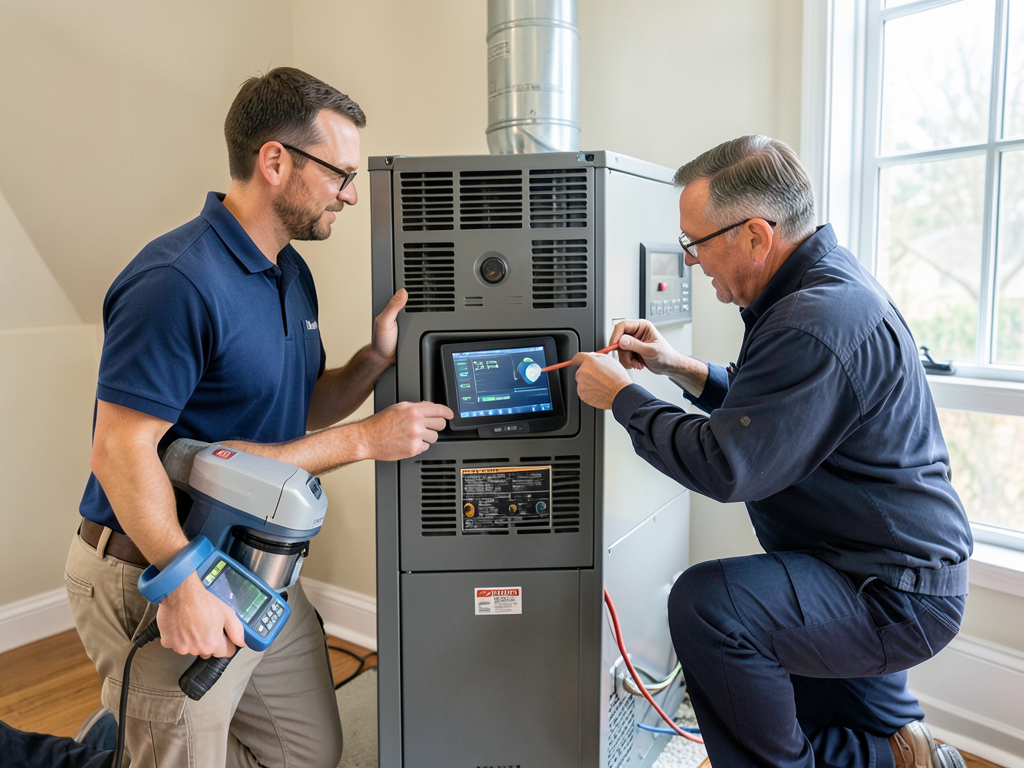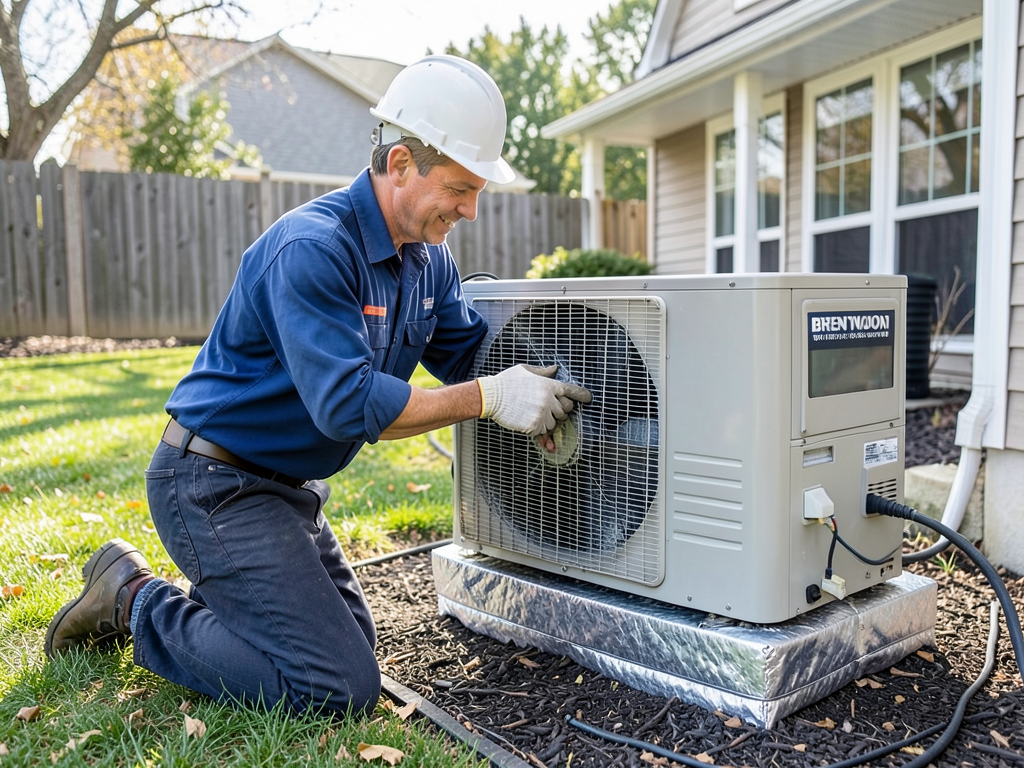







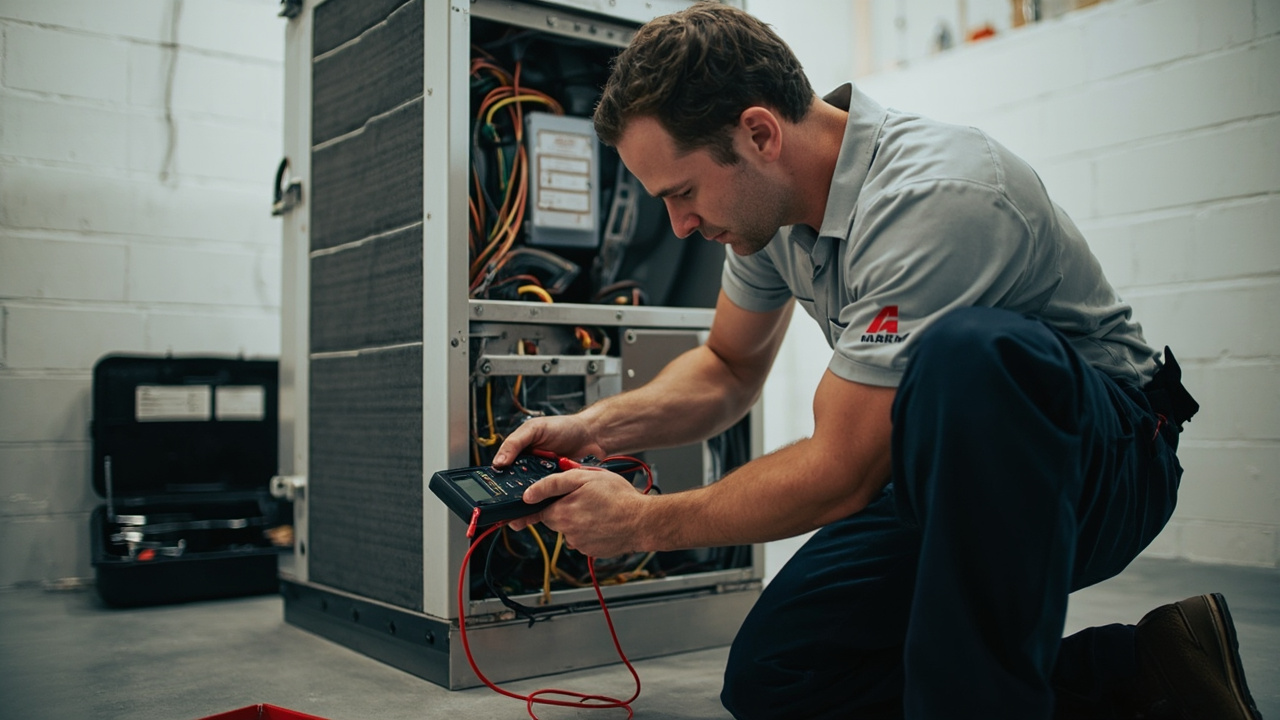
Middle Tennessee experiences relative humidity above 70 percent for much of the summer, forcing AC systems to run longer dehumidification cycles than cooling alone would require. This extended runtime accelerates wear on contactors, capacitors, and compressor bearings. Condensate production overwhelms drain lines faster, making algae prevention and trap cleaning essential during seasonal HVAC check ups. Winter temperature fluctuations between 20 and 60 degrees in the same week create stress on heat exchangers and ignition systems that cycle repeatedly. Nashville equipment works harder than systems in stable climates, making preventative maintenance more critical for longevity.
Nashville operates under Tennessee mechanical codes requiring specific clearances, venting standards, and safety controls. Our technicians stay current on these requirements and recognize installations that predate current code when evaluating older systems. We understand how local builders typically route ductwork in crawl spaces common to Nashville construction and identify the shortcuts that create problems years later. Choosing a maintenance provider familiar with regional construction methods and climate-specific failure patterns means getting service that addresses real issues, not generic checklist items that miss Nashville-specific problems.