





Spring Hill sits in the humid subtropical zone where your HVAC system works year-round. Summer temperatures regularly hit 90 degrees with crushing humidity that forces air conditioners to run nonstop for months. Winter brings freezing nights and ice storms that test furnace reliability. This isn't mild climate country. Your system endures extreme thermal cycling that wears components fast.
The red clay soil throughout Maury County shifts with moisture changes, settling foundations and stressing ductwork connections. Homes near Port Royal Road and the Thompson's Station border deal with higher dust loads from construction and agricultural areas. Subdivisions built in the 2000s housing boom around Kedron and Buckner often have undersized duct systems that strain equipment.
Spring Hill's rapid growth means older homes with aging systems sit next to new construction with modern high-efficiency units. The infrastructure varies wildly. Some neighborhoods have 20-year-old systems limping along while others have brand new installs already showing problems from rushed installation work. Your HVAC needs depend entirely on which part of town you call home and what's actually installed in your attic or crawlspace.
We built our reputation in Middle Tennessee by showing up when we say we will and fixing what's actually broken. No upselling. No scare tactics about refrigerant or duct cleaning. Just honest diagnostic work and repairs that last. Our technicians carry full licensing and insurance because that matters when someone is working on gas lines and electrical systems in your home.
We stock trucks with parts for the systems actually installed in Spring Hill homes. That means Carrier, Trane, Lennox, Rheem, and Goodman components ready to go. When a capacitor fails or a contactor burns out, we fix it on the first visit. You don't wait three days for a part to ship while your family sweats or freezes.
Every technician on our team completes ongoing training on refrigerant handling, electrical troubleshooting, and combustion safety. We follow manufacturer specifications and local code requirements because shortcuts lead to callbacks and safety hazards. When we install equipment, we calculate heat load properly, size ducts correctly, and test airflow to manufacturer standards. That's why our installations run efficiently and last longer.
Spring Hill grows fast, but we've been serving this area long enough to know the subdivisions, the common problems, and which HVAC contractors left messes we're now fixing. We answer our phone. We show up on time. We charge fairly. That's why customers call us back and recommend us to neighbors.

Every tech carries proper state licensing and EPA refrigerant certification. We follow Tennessee combustion safety codes and pull permits when required. You get trained professionals working on your system, not helpers learning on your equipment. Our insurance protects your property because HVAC work involves real risk when done wrong.

We inventory parts for systems actually installed in Spring Hill homes. Capacitors, contactors, thermostats, ignitors, and blower motors ready to install. Most repairs complete on the first visit because we come prepared. You don't lose days waiting for parts to arrive while your system stays broken and your family suffers.
We test your system, find the problem, and explain what failed and why. You get a clear price before work starts. No surprise charges or hidden fees. If your system needs replacement instead of repair, we tell you straight and show you why. Honest assessment saves you money and stress.
We understand how Tennessee's climate and Spring Hill's construction patterns stress HVAC systems. Heat, humidity, red clay soil movement, and rapid seasonal swings create specific failure patterns. Our experience in this region means faster diagnosis and better long-term solutions. We know what breaks here and how to fix it permanently.
HVAC work breaks into three clear categories based on urgency and scope. Emergency repairs happen when your system fails and you need cooling or heating restored immediately. Maintenance and tune-ups keep systems running efficiently and catch problems before they become emergencies. Installation and replacement cover new systems when repair no longer makes financial sense.
Spring Hill properties need all three service types because systems age, components fail, and maintenance gets neglected. A 15-year-old air conditioner might run fine with regular service, or it might need replacement if previous owners skipped maintenance and let problems compound. We assess each system individually and recommend the right service level based on actual condition and your budget.
Our air conditioning repair and heating repair services cover everything from simple thermostat problems to complex refrigerant leaks and failed compressors. Central air systems, heat pumps, gas furnaces, and electric heating all fall under our service range. We work on residential and commercial properties throughout Spring Hill and surrounding Maury County areas.
When your system fails, we respond fast. Air conditioner breakdowns during summer heat waves and furnace failures on freezing nights create genuine emergencies. We dispatch quickly, diagnose the problem, and restore comfort as fast as possible. Most emergency repairs complete the same day because our trucks carry common failure parts. Failed capacitors, burned contactors, tripped breakers, and thermostat issues get fixed on the spot.
Regular maintenance prevents most emergency breakdowns and extends equipment life. We clean coils, check refrigerant levels, test electrical connections, inspect ductwork, and catch small problems before they become expensive failures. Spring and fall tune-ups prepare your system for the heavy workload of summer and winter. Clean systems run more efficiently, lower your utility bills, and break down less often.
Old systems eventually cost more to repair than replace. We calculate proper equipment sizing based on your home's square footage, insulation levels, and duct capacity. No guessing or using the old system's size. Correct sizing means better efficiency and longer equipment life. We install Carrier, Trane, Lennox, and other quality brands with proper airflow testing and refrigerant charging to manufacturer specifications.
Tennessee's climate creates specific failure patterns that repeat across Spring Hill properties. Extreme heat and humidity during summer months force air conditioners to run continuously for weeks at a time. That constant operation wears compressors, capacitors, and fan motors faster than in milder climates. Winter temperature swings stress furnace components and cause expansion-contraction cycles that crack heat exchangers over time.
Spring Hill's construction boom brought rapid subdivision development where builders sometimes cut corners on HVAC installation. We regularly find undersized duct systems, improper refrigerant charges, and equipment installed without following manufacturer guidelines. Those shortcuts cause premature failures and high utility bills. Older homes near downtown Spring Hill often have outdated systems that limp along until a critical component fails on the hottest or coldest day of the year.
Red clay soil throughout Maury County shifts with rainfall and drought cycles. That movement settles foundations and pulls apart ductwork connections in crawlspaces and attics. Air leaks waste energy and reduce system capacity. Dust from construction and agricultural areas around Thompson's Station and Kedron clogs filters fast and coats coils, reducing efficiency and airflow.
Low refrigerant from leaks or restricted airflow from dirty filters causes coils to ice over. Your system runs constantly but produces no cooling. The compressor works harder, driving up electric bills and risking permanent damage. We locate leaks, repair them properly, recharge refrigerant to specifications, and restore normal operation. Ignoring frozen coils leads to compressor failure and expensive replacement.
Tennessee heat kills capacitors faster than any other component. These parts store electrical charge to start compressors and fan motors. When they fail, your system won't start or runs intermittently. Contactors handle electrical switching and burn out from constant cycling. Both parts fail predictably in high-use climates. We carry replacements on every truck because these failures happen constantly during summer months.
Settling foundations and poor initial installation cause duct connections to separate. Conditioned air leaks into attics and crawlspaces instead of reaching living areas. You pay to cool or heat spaces you don't use while rooms stay uncomfortable. We seal ductwork properly using mastic and metal-backed tape, not standard duct tape that fails quickly. Proper sealing cuts utility bills and improves comfort immediately.
Gas furnaces develop cracks in heat exchangers from age and thermal stress. Cracks allow combustion gases including carbon monoxide to enter your home's air supply. This creates a serious safety hazard that requires immediate attention. We test for cracks during maintenance visits and shut down unsafe furnaces until proper repairs or replacement happen. Never ignore a cracked heat exchanger warning.
We answer the phone when you call, not three hours later after you've tried two other companies. You talk to a person who schedules your appointment based on urgency and our current service load. Emergency calls get priority dispatch. Routine maintenance and non-emergency repairs get scheduled within 24 to 48 hours depending on season.
Our technician calls when heading to your property so you know exactly when to expect arrival. No four-hour windows where you waste your day waiting. We show up in marked trucks with company uniforms so you know who's knocking on your door. The tech introduces themselves, asks about your HVAC problem, and gets to work diagnosing the issue.
You receive a clear explanation of what's wrong, what needs fixing, and how much it costs before any repair work starts. No surprise bills or hidden charges. If your system needs multiple repairs or replacement makes more sense financially, we lay out all options with honest recommendations. You make the final decision about your property and your money. After repairs complete, we test the system to confirm proper operation and clean up our work area. You get a detailed invoice showing exactly what we did and what parts we installed.
We dispatch technicians quickly based on your situation's urgency. Emergency breakdowns during extreme weather get priority service. You receive a call when the tech is heading your way, not vague arrival windows. Our technicians arrive in marked vehicles, introduce themselves professionally, and focus on solving your problem efficiently. We respect your time and your property throughout the service call.
We test your system thoroughly, identify the actual problem, and explain what failed and why it happened. You get a clear price quote before repair work begins. No hidden fees or surprise charges when the job finishes. If replacement makes more sense than repair, we show you the numbers and let you decide. Our job is providing accurate information so you can make smart decisions about your HVAC system.
We install quality parts correctly following manufacturer specifications and local codes. After repairs complete, we test system operation to confirm everything works properly. You see the results before we leave. We clean up our work area and provide documentation of services performed and parts installed. Your system either works correctly or we stay until it does. That's our standard for every service call.
HVAC service breaks into three straightforward phases. We diagnose the problem accurately, execute repairs correctly, and verify proper operation. No confusion or complicated procedures. Just systematic troubleshooting and competent repair work that fixes your system.
Our technician tests your HVAC system using proper diagnostic tools and procedures. We check electrical connections, measure refrigerant pressures, test airflow, inspect components for wear and damage, and identify the root cause of your problem. Accurate diagnosis prevents wasted money on unnecessary repairs. We find what's actually wrong, not what we assume is wrong based on symptoms alone.
After diagnosis and price approval, we complete the necessary repairs using quality parts and proper installation techniques. We follow manufacturer specifications for refrigerant charging, electrical connections, and component installation. Our trucks carry common failure parts so most repairs finish the same day. Complex repairs requiring special order parts get scheduled as soon as components arrive.
We test your system after repairs to confirm proper operation. Air temperature, airflow volume, electrical draw, and refrigerant pressures all get measured against manufacturer specifications. You see the results before we leave your property. We provide documentation of work performed and answer any questions about system operation or maintenance. Your system works correctly or we fix it until it does.
Tennessee adopted the International Mechanical Code with state-specific amendments that govern HVAC installation and repair work. Spring Hill operates under Maury County building jurisdiction, which requires permits for new installations and system replacements. Permit requirements exist for good reason. They ensure inspectors verify proper installation, adequate combustion air for gas furnaces, correct refrigerant handling, and safe electrical connections.
Refrigerant handling requires EPA Section 608 certification because refrigerants damage the environment when released improperly. We recover old refrigerant, repair leaks correctly, and charge systems to manufacturer specifications using accurate scales and gauges. Guessing refrigerant charge based on pressures alone causes efficiency loss and premature compressor failure. Proper charging requires knowing system design specifications and measuring actual charge weight.
Heat load calculations determine correct equipment sizing using Manual J methodology. This calculation accounts for square footage, insulation levels, window area, orientation, and local climate data. Oversized equipment cycles on and off too frequently, reducing efficiency and comfort. Undersized equipment runs constantly without reaching desired temperatures. We calculate heat load for every installation to ensure proper sizing.
Ductwork design follows Manual D standards for proper airflow distribution. Undersized ducts restrict airflow, reduce capacity, and strain equipment. Oversized ducts waste energy and reduce air velocity needed for proper distribution. We measure existing ductwork during replacement installations and modify systems when necessary to meet airflow requirements. Proper duct design makes systems run efficiently and quietly while delivering comfortable temperatures throughout your home.
Combustion safety matters for gas furnaces and requires adequate combustion air supply, proper venting, and carbon monoxide testing. Tennessee code requires combustion air calculations based on equipment BTU input and room volume. We test for carbon monoxide spillage and draft issues during maintenance visits because gas appliances create serious hazards when venting fails.
EPA Section 608 certification is legally required for refrigerant work. We recover old refrigerant before repairs, fix leaks properly using appropriate methods for copper line sets, and charge systems by weight to manufacturer specifications. Proper refrigerant handling protects the environment and ensures your system operates efficiently. Guessing charge amounts causes compressor damage and high electric bills.
Correct sizing requires Manual J heat load calculations, not guessing based on old equipment or square footage rules of thumb. Oversized systems waste energy and reduce comfort through short cycling. Undersized systems run constantly without maintaining temperature. We calculate loads properly for every installation to match equipment capacity to your home's actual heating and cooling requirements.
Manual D standards govern duct sizing for proper airflow distribution. We measure airflow at registers during installation and verify systems meet manufacturer specifications. Restricted airflow from undersized or leaking ducts reduces capacity, increases energy use, and shortens equipment life. Proper duct design and sealing delivers the comfort and efficiency you paid for when buying new equipment.
Gas furnaces require adequate combustion air, proper venting, and carbon monoxide testing. We calculate combustion air requirements per Tennessee code and verify proper draft during startup. Heat exchanger cracks or venting failures allow dangerous gases into living areas. Annual maintenance includes combustion safety testing because gas appliances create serious hazards when components fail or venting becomes blocked.
This video explains common HVAC problems affecting Spring Hill, Tennessee properties including frozen evaporator coils, failed capacitors, ductwork air leaks, and cracked heat exchangers. Learn how Tennessee's extreme climate and humidity stress air conditioning and heating systems, why proper maintenance prevents expensive breakdowns, and what to look for when choosing HVAC service. Alpha HVAC Nashville provides detailed information about refrigerant handling, equipment sizing, ductwork design, and combustion safety standards that affect system performance and longevity.
Alpha HVAC Nashville serves all of Spring Hill and the surrounding communities throughout Maury County. We respond to calls from established neighborhoods near downtown Spring Hill around Main Street and Depot Street where older homes often have aging HVAC systems that need replacement or major repairs. These areas feature homes built in the 1980s and 1990s with original equipment reaching end of life.
The rapid growth areas along Port Royal Road and Buckner Lane brought massive subdivision development over the past 15 years. Homes in Fieldstone Farms, Brixworth, and the neighborhoods near Longview require different service approaches. Many properties here have newer systems that failed prematurely due to poor initial installation or lack of maintenance. We correct installation mistakes and restore proper operation to systems that should have years of life remaining.
Thompson's Station borders Spring Hill to the south, and we serve properties throughout this area including homes near Highway 31 and the rural properties between Spring Hill and Lewisburg. These locations often deal with higher dust loads from agricultural activity and construction sites. Filters clog faster and coils need more frequent cleaning to maintain efficiency. We adjust maintenance schedules based on actual operating conditions, not generic recommendations.
West of Spring Hill along Saturn Parkway and near the GM plant, commercial and residential properties both need reliable HVAC service. The industrial presence in this area means some homes deal with higher outdoor air pollution that affects indoor air quality and filter life. We assess each property's specific challenges and recommend appropriate solutions.
Kedron and the areas between Spring Hill and Columbia feature a mix of older rural properties and newer subdivisions. HVAC needs vary dramatically from home to home based on construction quality, insulation levels, and previous maintenance history. We've worked throughout these areas long enough to recognize common problems and provide efficient service. The red clay soil in this region causes foundation settling that stresses ductwork connections in crawlspaces. We check duct integrity during service calls because air leaks waste significant energy in these properties.
The $5000 rule is a quick calculation to help you decide between repair and replacement. Multiply your system's age by the repair estimate. If the result exceeds $5000, replace the unit. If it's under $5000, repair it. For example, a 12-year-old system needing a $450 repair equals $5400, so replacement makes sense. Spring Hill's humid summers stress aging systems, making older units less efficient and more prone to repeated breakdowns. This rule helps you avoid throwing money at a failing system when replacement offers better long-term value and energy savings.
HVAC jobs vary widely based on scope. Basic maintenance visits run a few hundred dollars, while compressor replacements or refrigerant leak repairs range higher. Full system replacements for residential properties typically fall in the multi-thousand range depending on home size, efficiency ratings, and ductwork condition. Spring Hill's mix of older homes and new construction means costs depend on your property's specific needs. Variables include equipment brand, SEER rating, ductwork modifications, and whether you need simultaneous heating and cooling replacement. Get multiple quotes and ensure load calculations match your home's square footage.
Replacing HVAC for a 2000 square foot home in Spring Hill depends on system type, efficiency level, and ductwork condition. A standard split system with matching furnace and air conditioner falls mid-range, while high-efficiency heat pumps cost more upfront but save on Tennessee's energy bills. Spring Hill's climate demands systems that handle humid summers and occasional cold snaps. Your existing ductwork condition matters too. Older homes may need duct sealing or modifications, adding to the total. Always request a Manual J load calculation to ensure proper sizing for your specific home.
The $5000 rule is a quick calculation to help you decide between repair and replacement. Multiply your system's age by the repair estimate. If the result exceeds $5000, replace the unit. If it's under $5000, repair it. For example, a 12-year-old system needing a $450 repair equals $5400, so replacement makes sense. Spring Hill's humid summers stress aging systems, making older units less efficient and more prone to repeated breakdowns. This rule helps you avoid throwing money at a failing system when replacement offers better long-term value and energy savings.
HVAC jobs vary widely based on scope. Basic maintenance visits run a few hundred dollars, while compressor replacements or refrigerant leak repairs range higher. Full system replacements for residential properties typically fall in the multi-thousand range depending on home size, efficiency ratings, and ductwork condition. Spring Hill's mix of older homes and new construction means costs depend on your property's specific needs. Variables include equipment brand, SEER rating, ductwork modifications, and whether you need simultaneous heating and cooling replacement. Get multiple quotes and ensure load calculations match your home's square footage.
Replacing HVAC for a 2000 square foot home in Spring Hill depends on system type, efficiency level, and ductwork condition. A standard split system with matching furnace and air conditioner falls mid-range, while high-efficiency heat pumps cost more upfront but save on Tennessee's energy bills. Spring Hill's climate demands systems that handle humid summers and occasional cold snaps. Your existing ductwork condition matters too. Older homes may need duct sealing or modifications, adding to the total. Always request a Manual J load calculation to ensure proper sizing for your specific home.
A complete home HVAC system includes the outdoor condensing unit, indoor air handler or furnace, thermostat, and ductwork. Costs depend on home size, system efficiency, and installation complexity. Spring Hill homes range from compact ranches to larger two-story builds, affecting equipment sizing and price. Higher SEER ratings reduce operating costs but increase upfront investment. Factor in ductwork condition, especially in older homes where leaky ducts waste conditioned air. Installation quality matters as much as equipment choice. Proper refrigerant charge, airflow balancing, and duct sealing directly impact comfort and efficiency in our humid climate.
The federal Energy Efficient Home Improvement Credit may cover qualifying HVAC equipment in 2025, but rules change annually. High-efficiency heat pumps, central air conditioners meeting specific SEER2 ratings, and certain furnaces may qualify for tax credits. The equipment must meet current ENERGY STAR standards, and you'll need manufacturer certifications at tax time. This credit differs from deductions. It directly reduces your tax bill rather than lowering taxable income. Consult a tax professional for current eligibility requirements and credit amounts, as these programs often have annual caps and phase-out provisions based on income levels.
HVAC systems in Spring Hill typically last 12 to 18 years with proper maintenance. Air conditioners work harder in our humid climate, potentially shortening lifespan compared to drier regions. Furnaces often outlast air conditioners since they run fewer months annually. Heat pumps handle both heating and cooling, running year-round, which can reduce their lifespan to 10 to 15 years. Regular filter changes, annual tune-ups, and keeping outdoor units clear of debris extend equipment life. Neglected systems fail earlier and cost more to operate. Installation quality matters too. Improperly sized or charged systems wear out faster.
The 3-minute rule protects your compressor from damage. After your AC shuts off, wait at least 3 minutes before restarting. This delay lets refrigerant pressures equalize between the high and low sides of the system. Starting too soon forces the compressor to work against unbalanced pressure, causing strain and potential failure. Most modern thermostats have built-in time delays to prevent short cycling. If you're manually controlling your system or troubleshooting, respect this rule. Spring Hill's hot summers tempt homeowners to constantly adjust thermostats, but patience protects your equipment and prevents expensive compressor replacements.
Homeowners insurance rarely covers HVAC repairs from normal wear and tear or poor maintenance. Policies typically cover sudden mechanical failure from covered perils like lightning strikes, fire, or vandalism. If a storm damages your outdoor unit or electrical surge fries your compressor, you may have coverage. Review your policy's equipment breakdown endorsement. Some insurers offer this add-on for mechanical failures. Spring Hill sees occasional severe weather that can damage HVAC equipment, making this coverage worth considering. Document everything with photos and maintenance records. Proving proper upkeep strengthens claims for sudden failures versus neglect-related breakdowns.
Spring Hill HVAC systems commonly need refrigerant leak repairs, capacitor replacements, and thermostat fixes. Our humid climate causes drain line clogs from algae buildup, leading to water damage if ignored. Contactor failures prevent systems from starting. Blower motor issues reduce airflow and comfort. Dirty coils from pollen and dust decrease efficiency. Compressor failures are expensive but less common. Many repairs stem from deferred maintenance. Clogged filters restrict airflow, causing frozen coils and system shutdowns. Annual tune-ups catch small issues before they become emergency repairs. Addressing strange noises, weak airflow, or temperature inconsistencies early saves money and prevents total system failure.
HVAC costs in 2025 reflect ongoing supply chain adjustments, new efficiency regulations, and labor market conditions. Equipment prices stabilized compared to pandemic-era spikes, but higher-efficiency mandates mean baseline models cost more than older 14 SEER units. Spring Hill's construction growth keeps contractors busy, affecting labor availability and pricing. Expect continued emphasis on heat pump technology as refrigerant regulations phase out older systems. Financing options remain available for qualified buyers. Material costs for copper and steel fluctuate with global markets. Get quotes from multiple licensed contractors and compare equipment specifications, not just bottom-line numbers. Quality installation impacts long-term performance and costs.
A complete home HVAC system includes the outdoor condensing unit, indoor air handler or furnace, thermostat, and ductwork. Costs depend on home size, system efficiency, and installation complexity. Spring Hill homes range from compact ranches to larger two-story builds, affecting equipment sizing and price. Higher SEER ratings reduce operating costs but increase upfront investment. Factor in ductwork condition, especially in older homes where leaky ducts waste conditioned air. Installation quality matters as much as equipment choice. Proper refrigerant charge, airflow balancing, and duct sealing directly impact comfort and efficiency in our humid climate.
The federal Energy Efficient Home Improvement Credit may cover qualifying HVAC equipment in 2025, but rules change annually. High-efficiency heat pumps, central air conditioners meeting specific SEER2 ratings, and certain furnaces may qualify for tax credits. The equipment must meet current ENERGY STAR standards, and you'll need manufacturer certifications at tax time. This credit differs from deductions. It directly reduces your tax bill rather than lowering taxable income. Consult a tax professional for current eligibility requirements and credit amounts, as these programs often have annual caps and phase-out provisions based on income levels.
HVAC systems in Spring Hill typically last 12 to 18 years with proper maintenance. Air conditioners work harder in our humid climate, potentially shortening lifespan compared to drier regions. Furnaces often outlast air conditioners since they run fewer months annually. Heat pumps handle both heating and cooling, running year-round, which can reduce their lifespan to 10 to 15 years. Regular filter changes, annual tune-ups, and keeping outdoor units clear of debris extend equipment life. Neglected systems fail earlier and cost more to operate. Installation quality matters too. Improperly sized or charged systems wear out faster.
The 3-minute rule protects your compressor from damage. After your AC shuts off, wait at least 3 minutes before restarting. This delay lets refrigerant pressures equalize between the high and low sides of the system. Starting too soon forces the compressor to work against unbalanced pressure, causing strain and potential failure. Most modern thermostats have built-in time delays to prevent short cycling. If you're manually controlling your system or troubleshooting, respect this rule. Spring Hill's hot summers tempt homeowners to constantly adjust thermostats, but patience protects your equipment and prevents expensive compressor replacements.
Homeowners insurance rarely covers HVAC repairs from normal wear and tear or poor maintenance. Policies typically cover sudden mechanical failure from covered perils like lightning strikes, fire, or vandalism. If a storm damages your outdoor unit or electrical surge fries your compressor, you may have coverage. Review your policy's equipment breakdown endorsement. Some insurers offer this add-on for mechanical failures. Spring Hill sees occasional severe weather that can damage HVAC equipment, making this coverage worth considering. Document everything with photos and maintenance records. Proving proper upkeep strengthens claims for sudden failures versus neglect-related breakdowns.
Spring Hill HVAC systems commonly need refrigerant leak repairs, capacitor replacements, and thermostat fixes. Our humid climate causes drain line clogs from algae buildup, leading to water damage if ignored. Contactor failures prevent systems from starting. Blower motor issues reduce airflow and comfort. Dirty coils from pollen and dust decrease efficiency. Compressor failures are expensive but less common. Many repairs stem from deferred maintenance. Clogged filters restrict airflow, causing frozen coils and system shutdowns. Annual tune-ups catch small issues before they become emergency repairs. Addressing strange noises, weak airflow, or temperature inconsistencies early saves money and prevents total system failure.
HVAC costs in 2025 reflect ongoing supply chain adjustments, new efficiency regulations, and labor market conditions. Equipment prices stabilized compared to pandemic-era spikes, but higher-efficiency mandates mean baseline models cost more than older 14 SEER units. Spring Hill's construction growth keeps contractors busy, affecting labor availability and pricing. Expect continued emphasis on heat pump technology as refrigerant regulations phase out older systems. Financing options remain available for qualified buyers. Material costs for copper and steel fluctuate with global markets. Get quotes from multiple licensed contractors and compare equipment specifications, not just bottom-line numbers. Quality installation impacts long-term performance and costs.
Alpha HVAC is a local business dedicated to serving the entire community. Our centralized location allows us to provide swift and reliable service to all surrounding areas. Whether you need a repair, a new installation, or routine maintenance, you can trust our team to be there for you when it matters most. Explore our service area on the map below to see how we can help you with all your heating and cooling needs.
Address:
Spring Hill, TN, 37174
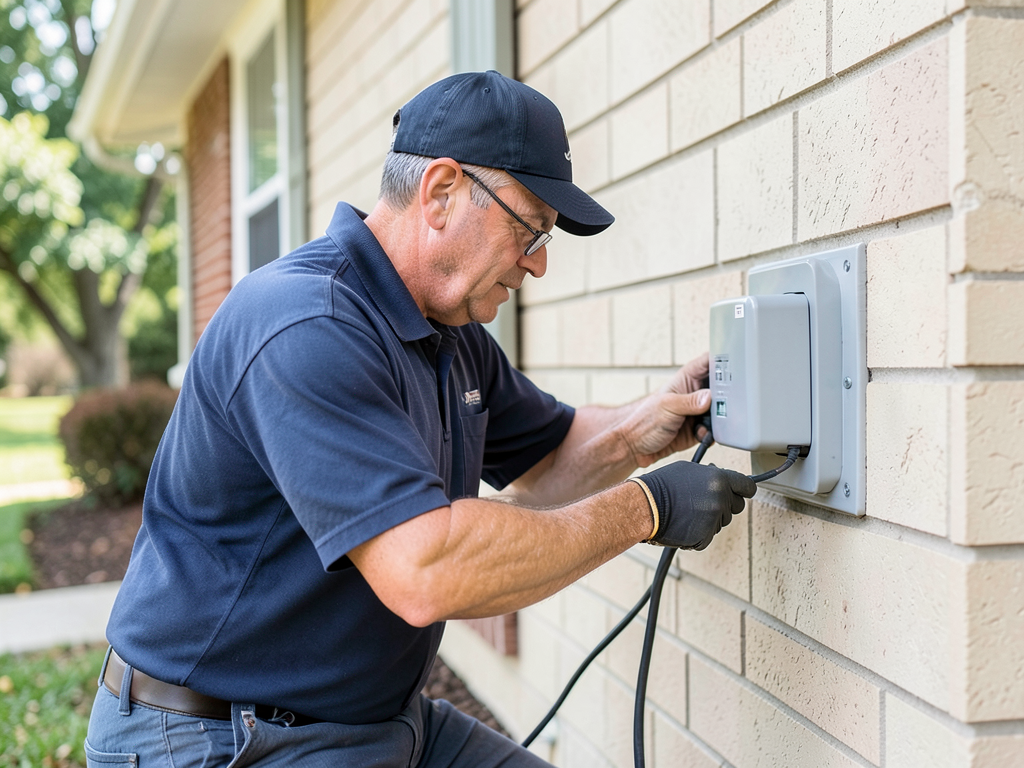
Why Your Nashville HVAC Needs Surge Protection Nashville homeowners face a hidden threat that strikes without warning: electrical surges from lightning storms. These power spikes can instantly destroy your air conditioner's control board or compressor…
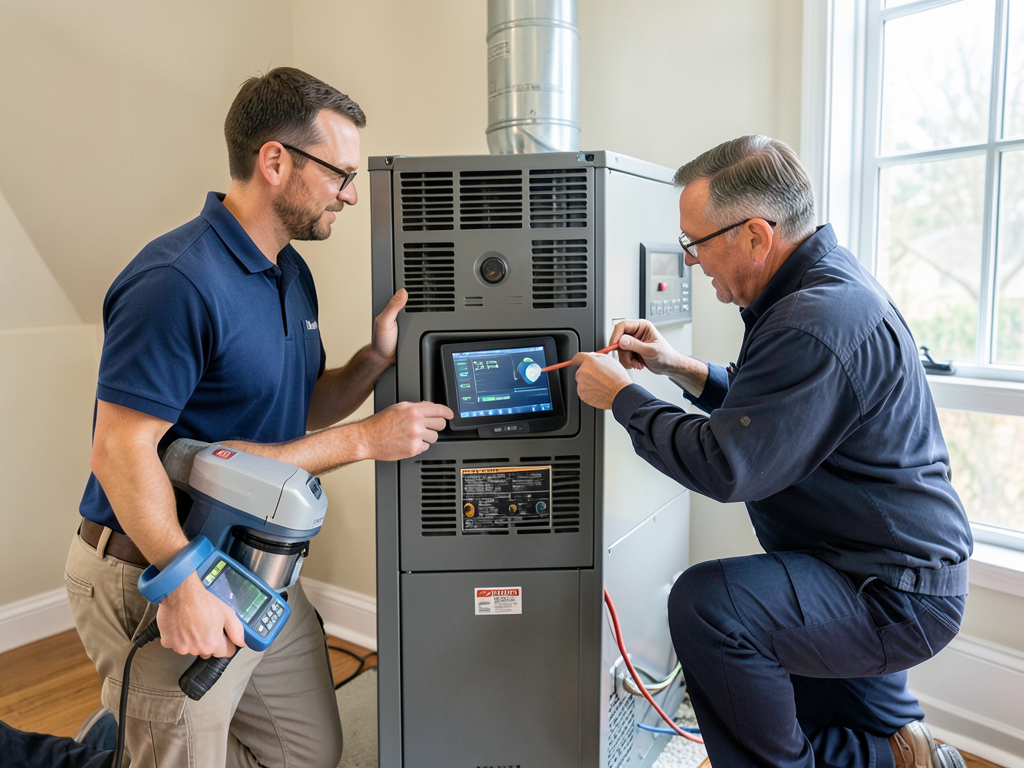
Understanding the difference between a furnace and a boiler for older Middle Tennessee homes Choosing…
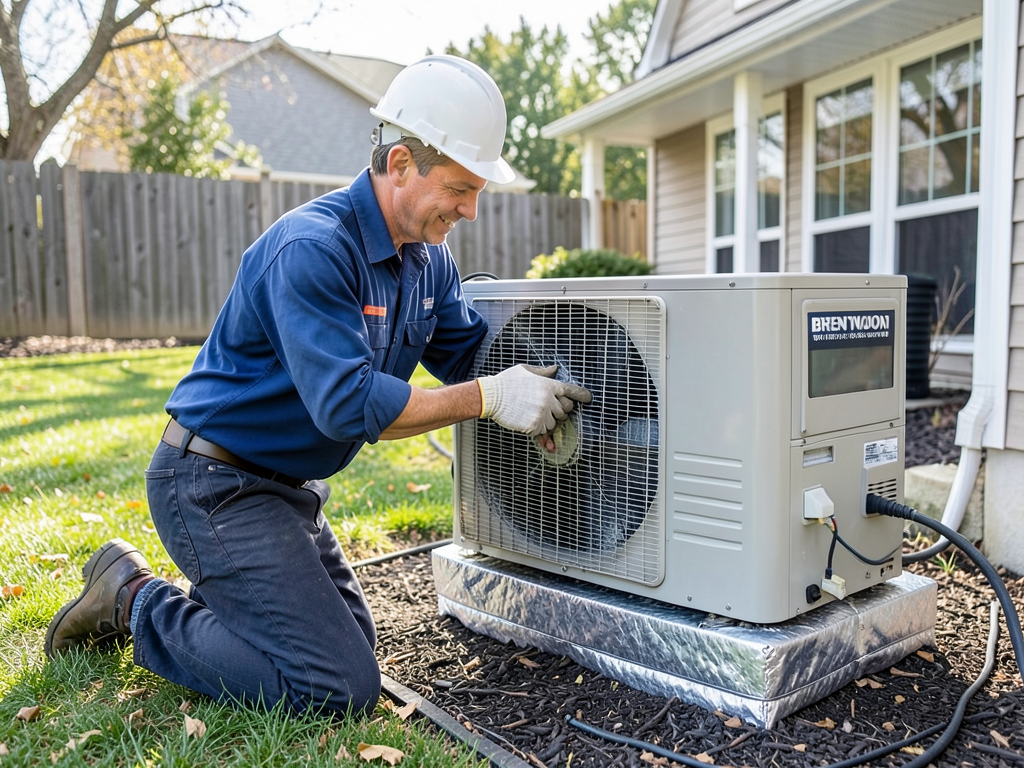
How to choose a quiet HVAC system that won't disturb your neighbors in Brentwood Living…

Keeping your boat house or lakeside cabin comfortable with a mini split system\n\nThe humid summers…
Your comfort matters. When your system fails, call Alpha HVAC Nashville at (615) 552-1922 for fast, honest service. We answer the phone, dispatch quickly, and fix it right. No runaround, no delays. Just experienced technicians who solve HVAC problems throughout Spring Hill every single day.