
Why Nashville’s Tall Skinny Homes Have Temperature Problems
The narrow footprint and three-story design common in Nashville’s ‘tall skinny’ homes create a unique thermal challenge. Heat naturally rises through the open stairwell creating a 5-8 degree temperature difference between the first and third floors. This ‘stack effect’ is amplified by Nashville’s high summer humidity which makes the top floor feel even warmer. Traditional single-zone HVAC systems cannot overcome this physics problem without significant energy waste. The Best High Efficiency HVAC Systems for Luxury Homes in Brentwood.
How Nashville’s Climate Makes Vertical Temperature Swings Worse
Middle Tennessee’s humid subtropical climate means summer dew points often exceed 70°F. When warm moist air contacts cooler surfaces on the third floor it creates condensation issues that compound comfort problems. The region’s clay soil also affects foundation temperatures which can pull heat from lower levels while upper floors bake in the sun. These factors make tall skinny homes particularly vulnerable to uneven temperatures.
Best HVAC Solutions for Three-Story Narrow Homes
Variable Refrigerant Flow (VRF) systems excel in tall skinny homes because they use small refrigerant lines instead of bulky ductwork. Each floor gets its own air handler with independent temperature control. Ductless mini-splits work similarly but are better for specific problem areas like a hot master suite. Traditional systems can work with proper zoning but require careful load calculations and strategic return air placement.
The Critical Role of Smart Zoning
Zoning divides your home into separate temperature zones each controlled by its own thermostat. For tall skinny homes this means at least two zones: one for the first two floors and another for the third floor. Motorized dampers in the ductwork direct airflow where needed. Smart thermostats with remote sensors can detect temperature differences between floors and adjust automatically. This prevents the common problem of overcooling the first floor just to cool the third floor. Heating and Cooling Historic Germantown Homes Without Bulky Ductwork.
Installation Challenges in Urban Nashville Lots
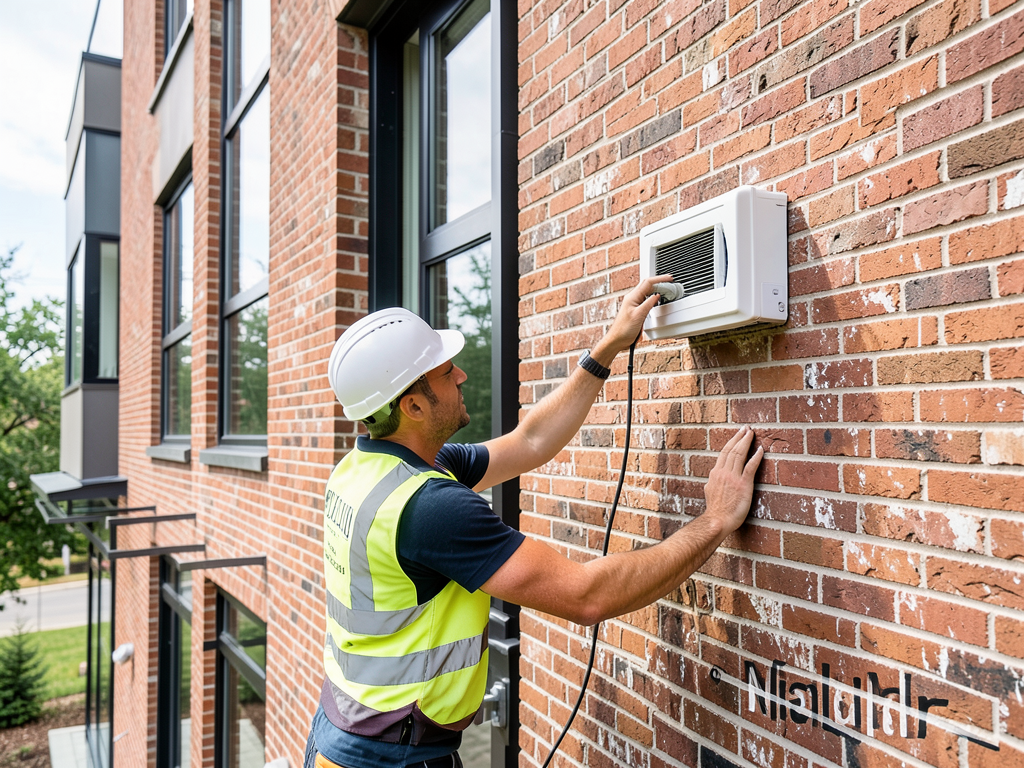
Tall skinny homes often sit on narrow urban lots with zero lot-line setbacks. This creates HVAC installation constraints. Side-discharge outdoor units can be placed closer to property lines than traditional top-discharge units. Sound blankets and vibration isolation pads reduce noise complaints from neighbors. In some cases rooftop units or vertical stacking of smaller units solve space problems. Nashville’s Metro building code requires specific clearances and noise levels for residential HVAC equipment. Nashville AC Repair Companies That Actually Answer the Phone on Weekends.
Energy Efficiency Considerations
High-efficiency systems with SEER2 ratings of 18 or higher reduce energy costs in tall skinny homes. Variable-speed compressors adjust output to match demand rather than cycling on and off. This maintains even temperatures while using less electricity. Proper insulation in exterior walls and attics prevents heat gain. Energy recovery ventilators (ERVs) exchange stale indoor air with fresh outdoor air without losing cooling energy.. Read more about How to Fix Weak Airflow From Your Vents Without Calling a Repairman First.
Maintenance Requirements for Vertical Systems
Tall skinny home HVAC systems require more frequent maintenance than single-story homes. Air filters should be changed every 30-45 days instead of every 90 days due to higher system runtime. Condensate drains on upper floors need regular cleaning to prevent clogs that cause water damage. Outdoor units in narrow side yards accumulate more debris and need quarterly cleaning. Annual professional tune-ups should include checking refrigerant levels in each zone separately. Storm Damage HVAC Repair.
Cost-Benefit Analysis of Zoning vs. Multiple Units
Installing zoning controls on an existing system costs $2,500-4,000. This works well if your current system has adequate capacity. Adding a separate mini-split for the third floor costs $3,500-5,000 but provides dedicated cooling without affecting other floors. Full VRF systems for a tall skinny home range from $15,000-25,000 installed but offer the best comfort and efficiency. The choice depends on your current system age, budget, and how much temperature difference you experience.
Real Solutions from Nashville Installations
We recently completed a project in East Nashville where the third floor was 10 degrees warmer than the main level. The solution involved installing a ductless mini-split for the third floor and zoning the existing system for the lower levels. Temperature variance dropped to 2-3 degrees throughout the home. In The Nations we solved a similar problem by adding a return air vent at the top of the stairs to reduce heat buildup.
Frequently Asked Questions
Why is my third floor always hotter than the rest of my house?
Heat rises through open stairwells and accumulates on upper floors. Without dedicated cooling or proper zoning this creates significant temperature differences in tall skinny homes.
Can I just add more vents to the third floor?
Adding vents without zoning often makes the problem worse by stealing airflow from lower floors. Proper zoning controls are needed to balance the system.
How much does it cost to fix temperature swings in a tall skinny home?
Solutions range from $2,500 for zoning controls to $25,000 for complete VRF systems depending on your home’s layout and current equipment.
Will a bigger AC unit solve my upstairs heat problem?
No. Oversized units cool quickly but don’t run long enough to dehumidify properly. This makes upstairs feel clammy and uncomfortable. For more information, visit Energy.gov home cooling guide. For more information, visit ASHRAE technical resources.
Take Control of Your Home’s Comfort Today
Temperature swings in tall skinny homes aren’t just uncomfortable—they waste energy and reduce indoor air quality. Our Nashville team understands the unique challenges of vertical living in Middle Tennessee’s climate. We’ll evaluate your specific situation and recommend solutions that actually work. Call (615) 552-1922 today to schedule your comfort assessment and finally solve those stubborn upstairs temperature problems.