
How to Fix Weak Airflow From Your Vents Without Calling a Repairman First
Weak airflow from your vents can make your Nashville home feel stuffy and uncomfortable even when your AC or furnace runs constantly. Before you pick up the phone to call for service, there are several DIY fixes you can try that might solve the problem and save you money. This guide walks you through the most common causes of weak airflow and how to fix them step by step. Nashville AC Repair Companies That Actually Answer the Phone on Weekends.
Most weak airflow issues stem from simple problems like dirty filters, blocked registers, or incorrect thermostat settings. Start with the basics: check your air filter and replace it if it looks clogged or hasn’t been changed in over three months. Make sure all supply and return vents are open and not blocked by furniture, curtains, or rugs. Set your thermostat fan to “Auto” instead of “On” to prevent unnecessary strain on your system. These quick fixes resolve about 70% of weak airflow complaints without any tools or expertise.. Read more about Do Smart Vents Actually Work or Are They Damaging Your HVAC System?.
If those steps don’t improve airflow, you might be dealing with more complex issues like ductwork problems, blower motor issues, or refrigerant leaks. This guide covers both simple DIY solutions and when to call a professional, with Nashville-specific tips for our humid climate and common Middle Tennessee home construction types.. Read more about Why your beautiful landscaping might actually be suffocating your AC unit in Goodlettsville.
Quick Fix Checklist Before You Call for Service
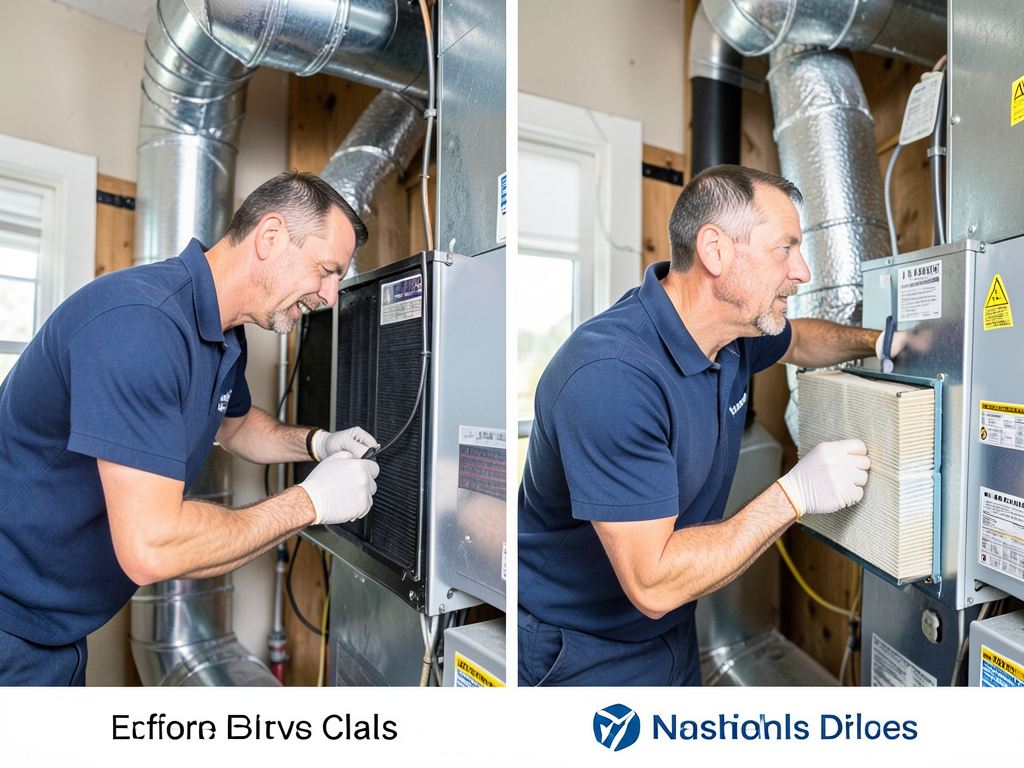
- Check and Replace Air Filter
Locate your return air grille and remove the filter. Hold it up to a light source. If you can’t see light through it clearly, replace it with a new MERV 8-11 filter appropriate for your system.
- Inspect All Vents and Registers
Walk through your home and ensure every supply and return vent is open and unobstructed. Move furniture, curtains, or rugs that might be blocking airflow.. Read more about Why your AC keeps turning on and off every five minutes.
- Verify Thermostat Settings
Set your thermostat to “Auto” mode instead of “On.” The “On” setting runs the fan continuously and can reduce cooling/heating efficiency. The Best High Efficiency HVAC Systems for Luxury Homes in Brentwood.
- Clean Visible Coils
If you can safely access your outdoor condenser unit, clear away leaves, grass clippings, and debris from the coils. Ensure at least 24 inches of clearance around the unit.
Common DIY Fixes for Weak Airflow
Air Filter Replacement and Selection
Your air filter is the first line of defense against weak airflow. In Nashville’s pollen-heavy spring and fall seasons, filters can become clogged in as little as 30 days. The right filter choice matters too.
| Filter Type | MERV Rating | Best For | Replacement Frequency |
|---|---|---|---|
| Fiberglass | 1-4 | Basic dust protection | 30-60 days |
| Pleated | 5-8 | Allergies, pet dander | 60-90 days |
| High-Efficiency | 9-12 | Severe allergies, smoke | 45-60 days |
| HEPA | 13-16 | Maximum filtration | 30-45 days |
Pro tip: Write the installation date on your new filter with a permanent marker. This helps track when it’s due for replacement and prevents the common mistake of installing a filter backwards.
Blocked or Closed Vents
Supply vents deliver conditioned air to your rooms while return vents pull air back to your system for reconditioning. Both need to be open and unobstructed for proper airflow. In many Nashville homes, especially older East Nashville bungalows or Donelson ranches, homeowners accidentally close too many vents trying to direct airflow, which actually reduces system efficiency.. Read more about What to do when you see actual ice forming on your AC unit in the middle of a Smyrna summer.
Walk through each room and check every vent. Supply vents should have adjustable louvers that direct airflow. Make sure they’re angled to distribute air across the room rather than straight up or down. Return vents are often larger and located on walls or ceilings. These should never be closed or blocked.
Common vent blockers include furniture pushed against walls, long drapes that fall over floor vents, and rugs or mats placed over vents. Even partially blocked vents force your system to work harder and can lead to frozen coils or compressor damage. Storm Damage HVAC Repair.
Thermostat Fan Settings
The fan setting on your thermostat significantly impacts airflow and system performance. “Auto” mode runs the fan only when heating or cooling is needed, while “On” runs it continuously. Many Nashville homeowners mistakenly leave their fan on “On” thinking it improves air circulation, but this actually reduces cooling efficiency and increases humidity levels. Heating and Cooling Historic Germantown Homes Without Bulky Ductwork.
In “On” mode, the fan continues running even when the AC compressor shuts off, circulating warm air through already-cooled ductwork. This creates the sensation of weak airflow and higher indoor temperatures. Switch to “Auto” and you’ll notice immediate improvements in cooling performance and reduced humidity levels.
Intermediate Issues You Can Check Yourself
Ductwork Inspection Basics
Ductwork problems are extremely common in Nashville homes due to our climate and construction methods. Middle Tennessee’s high humidity causes condensation in crawl spaces and attics, leading to rust and deterioration in older metal ducts. Additionally, our region’s frequent temperature swings cause expansion and contraction that can loosen duct connections over time.
Start your inspection in accessible areas like your attic, crawl space, or basement. Look for disconnected ducts, especially at joints and where ducts connect to vents. You might hear whistling sounds from air leaks or feel air escaping from connections. Use a flashlight to check for crushed flexible ducts, which often get damaged during home renovations or by pests.
Common trouble spots include duct boots where they penetrate floors or ceilings, and connections to the air handler or furnace. If you find disconnected sections, you can often reconnect them using metal foil tape or duct mastic sealant. However, if you’re uncomfortable working in confined spaces or find extensive damage, this is when you should call a professional.. Read more about Using UV Lights to Stop Mold Growth Inside Your Hermitage HVAC System.
Evaporator Coil Maintenance
Your evaporator coil is located inside your air handler or furnace and can become clogged with dust, pet hair, and debris. When this happens, airflow across the coil is restricted, reducing cooling capacity and potentially causing the coil to freeze. You can often spot a dirty coil by looking through the filter slot or by removing the access panel if you’re comfortable doing so.
A dirty coil appears as a layer of gray or brown buildup on the aluminum fins. You might also notice reduced cooling performance, longer run times, or ice formation on the refrigerant lines. Cleaning a dirty coil requires special coil cleaner and careful handling to avoid damaging the fragile fins.. Read more about Keeping your Antioch home clean when your dog sheds all over the HVAC vents.
For safety, always turn off power to your system at the breaker before attempting any internal cleaning. If you’re not comfortable removing panels or working with electrical components, this is another situation where professional service is recommended.
Technical Issues That Require Professional Diagnosis
Blower Motor Problems
The blower motor is the heart of your system’s airflow. When it starts failing, you’ll notice weak airflow, unusual noises, or the fan not running at all. Common blower motor issues include worn bearings, failed capacitors, or motor overheating.
Signs of blower motor trouble include humming sounds when the system tries to start, the fan running intermittently, or the motor feeling excessively hot to the touch. You might also notice the fan spinning slower than normal or not reaching full speed.
Blower motors operate on 120V or 240V power and contain moving parts that can be dangerous to work on without proper training. Additionally, replacing a blower motor requires matching the correct horsepower, RPM, and mounting configuration to your specific system. This is definitely a job for a licensed HVAC technician. HVAC Mount Juliet.
Capacitor Failure
Capacitors provide the initial surge of power needed to start your blower motor and condenser fan. When capacitors fail, your system might hum but not start, or components might start and stop intermittently. Capacitors are especially vulnerable to Nashville’s summer heat and frequent power surges from thunderstorms.
You can sometimes spot a failed capacitor by visual inspection. Look for bulging tops, leaking oil, or corrosion on the terminals. However, capacitors store electrical charge even when disconnected and can deliver a dangerous shock. Testing and replacing capacitors requires specialized knowledge and equipment.
According to the National Electrical Code (NEC Article 440), HVAC capacitors must be properly discharged and handled to prevent electrical hazards. This is another reason why capacitor replacement should be left to professionals.
Refrigerant Leaks and Low Charge
Refrigerant is the substance that actually cools your air, and when levels are low due to leaks, your system can’t remove heat effectively. Low refrigerant causes weak airflow, longer cooling cycles, and can lead to frozen evaporator coils. You might also hear hissing sounds from refrigerant lines or notice ice buildup on the outdoor unit.
Refrigerant leaks can occur in coils, connections, or the compressor. Common causes in Nashville include vibration from the unit’s location, corrosion from our humid air, and damage from lawn equipment or falling branches during storms. Refrigerant handling is regulated by the EPA under Section 608 of the Clean Air Act, requiring certification for anyone who services these systems. EPA Section 608 Certification.
Adding refrigerant without fixing the underlying leak is illegal and environmentally harmful. A professional technician will use electronic leak detectors, UV dye, or nitrogen pressure testing to locate leaks and repair them properly before recharging the system.
Nashville-Specific Airflow Challenges
Humidity Impact on HVAC Performance
Nashville’s humid subtropical climate (Köppen Cfa classification) creates unique challenges for HVAC systems. Our average relative humidity ranges from 65% to 75%, which is significantly higher than the national average. This moisture-laden air affects how your system operates and what maintenance it needs.
High humidity reduces the temperature differential your AC can achieve, making it feel like airflow is weak even when the system is working properly. Additionally, moisture in the air can condense inside ductwork, especially in unconditioned spaces like crawl areas common in Middle Tennessee homes. This condensation promotes mold growth and can eventually lead to duct deterioration.
During Nashville’s peak summer months, when outdoor temperatures regularly exceed 90°F with high humidity, your AC works harder to remove both heat and moisture. This is why systems that performed adequately in spring might struggle during July and August. Consider having your system’s cooling capacity checked if you experience consistent weak airflow during our hottest months.
Pollen and Allergen Season Effects
Middle Tennessee ranks among the worst areas in the country for seasonal allergies, with pollen counts often exceeding 1500 grains per cubic meter during peak spring months. This heavy pollen load means your air filter works overtime, and many Nashville homeowners need to replace filters more frequently than the standard 90-day recommendation.
During high pollen periods, you might notice weak airflow developing within 30-45 days of installing a new filter. The fine particles clog filter media quickly, restricting airflow across the entire system. Consider upgrading to a higher MERV rating filter during peak allergy seasons, but verify that your system can handle the increased resistance.
Some Nashville residents also experience increased dust and particulate matter from agricultural activities in surrounding counties. This regional factor means even homes in suburban areas like Mount Juliet or Smyrna deal with more airborne contaminants than similar homes in other parts of the country.
When to Call a Professional
While many weak airflow issues have simple DIY solutions, certain situations require professional expertise. Call a licensed HVAC technician if you experience any of these conditions:
- Weak airflow persists after trying all the basic fixes listed above
- You hear grinding, squealing, or banging noises from your system
- Your system trips breakers or blows fuses repeatedly
- You notice ice formation on refrigerant lines or the outdoor unit
- Your energy bills suddenly increase without explanation
- You smell burning, electrical, or musty odors from vents
Professional technicians have specialized tools like digital manometers to measure static pressure, thermal imaging cameras to detect duct leaks, and refrigerant leak detectors. They also carry the proper EPA certification to handle refrigerants and understand local building codes specific to Davidson County and surrounding areas.
Preventative Maintenance Tips
Preventing weak airflow is easier than fixing it. Here are some maintenance practices that will keep your system running efficiently:
- Schedule Biannual Professional Maintenance
Have your system professionally serviced in spring before cooling season and fall before heating season. This includes checking refrigerant levels, cleaning coils, and inspecting electrical components.
- Keep Outdoor Unit Clear
Maintain at least 24 inches of clearance around your condenser unit. Trim back vegetation and remove debris that could restrict airflow.
- Monitor Filter Condition
Check your filter monthly during peak usage seasons. Replace it when it appears dirty, not just on a schedule.
- Seal Duct Leaks
Use mastic sealant or metal tape to seal accessible duct connections. Focus on joints, boots, and where ducts connect to the air handler.
Regular maintenance not only prevents weak airflow but also extends your system’s lifespan and improves energy efficiency. According to TVA EnergyRight programs, properly maintained HVAC systems can use 15-20% less energy than neglected ones. TVA EnergyRight Programs.
Frequently Asked Questions
Why is my airflow weak only in certain rooms?
Room-specific weak airflow usually indicates closed or blocked vents, duct leaks near that area, or issues with the room’s location relative to your air handler. Check all vents in that room first, then inspect accessible ductwork in attics or crawl spaces for disconnections or damage.
Can a dirty air filter really cause weak airflow?
Yes, a clogged air filter is one of the most common causes of weak airflow. When the filter becomes too restrictive, it reduces the amount of air that can pass through your system, forcing the blower motor to work harder and potentially leading to system shutdown.
How often should I replace my air filter in Nashville?
In Nashville’s climate, replace standard 1-inch filters every 30-60 days during peak usage seasons (summer and winter). During shoulder seasons with high pollen counts, you might need to replace them every 30 days. Thicker 4-inch filters can last 6-12 months but cost more initially.
Is it normal for airflow to feel weaker in winter?
Yes, heated air feels less forceful than cooled air because warm air is less dense. Additionally, most heating systems operate at lower fan speeds than cooling systems to prevent uncomfortable drafts. If you’re concerned about winter airflow, check that your system is set to “Auto” mode and that all vents are open.
Should I close vents in unused rooms to save energy?
No, closing vents can actually increase energy consumption and cause pressure imbalances in your duct system. Modern HVAC systems are designed to heat and cool your entire home, and closing vents can lead to duct leaks, frozen coils, or compressor damage.
Take Action Today
Weak airflow doesn’t have to mean expensive repairs or uncomfortable living conditions. Start with the simple fixes outlined in this guide, and you might solve the problem yourself. However, if you’ve tried everything and still experience poor airflow, it’s time to call in the professionals.
Alpha HVAC Nashville has been serving Middle Tennessee homeowners for over 15 years, handling everything from simple filter replacements to complex system diagnostics. Our NATE-certified technicians understand the unique challenges our local climate presents and can quickly identify and resolve airflow issues.
Don’t let weak airflow make your home uncomfortable another day. Call (615) 552-1922 today to schedule your professional HVAC inspection. We offer same-day service for most Nashville area locations and can often diagnose and resolve airflow problems in a single visit.
For emergency service or to book your appointment online, visit our website at alphahvacnashville.com. Our team is ready to restore comfort to your home with fast, reliable service you can trust.
Remember: Weak airflow is often a warning sign of bigger problems developing. Addressing it early can prevent costly repairs and extend your system’s life. Call (615) 552-1922 now and breathe easier tomorrow.
{
“@context”: “https://schema.org”,
“@type”: “BlogPosting”,
“headline”: “How to Fix Weak Airflow From Your Vents Without Calling a Repairman First”,
“description”: “Weak airflow in your Nashville home? Try these simple DIY fixes before calling for service. Learn to troubleshoot vents, filters, and registers like a pro.”,
“wordCount”: 2610,
“datePublished”: “2026-03-18T08:41:00.000Z”,
“dateModified”: “2026-03-18T08:41:00.000Z”,
“inLanguage”: “en-US”,
“mainEntityOfPage”: {
“@type”: “WebPage”,
“@id”: “https://alphahvacnashville.com”
},
“publisher”: {
“@type”: “LocalBusiness”,
“name”: “Alpha HVAC Nashville”,
“url”: “https://alphahvacnashville.com”
},
“author”: {
“@type”: “Organization”,
“name”: “Alpha HVAC Nashville”,
“url”: “https://alphahvacnashville.com”
},
“image”: {
“@type”: “ImageObject”,
“url”: “https://alphahvacnashville.com/wp-content/uploads/2026/03/how-to-fix-weak-airflow-from-your-vents-without-ca-1.png”
}
}
{
“@context”: “https://schema.org”,
“@type”: “HVACBusiness”,
“name”: “Alpha HVAC Nashville”,
“url”: “https://alphahvacnashville.com”,
“address”: {
“@type”: “PostalAddress”,
“addressLocality”: “Nashville”
},
“areaServed”: {
“@type”: “City”,
“name”: “Nashville”
}
}
{
“@context”: “https://schema.org”,
“@type”: “FAQPage”,
“mainEntity”: [
{
“@type”: “Question”,
“name”: “Why is my airflow weak only in certain rooms?”,
“acceptedAnswer”: {
“@type”: “Answer”,
“text”: “Room-specific weak airflow usually indicates closed or blocked vents, duct leaks near that area, or issues with the room’s location relative to your air handler. Check all vents in that room first, then inspect accessible ductwork in attics or crawl spaces for disconnections or damage.”
}
},
{
“@type”: “Question”,
“name”: “Can a dirty air filter really cause weak airflow?”,
“acceptedAnswer”: {
“@type”: “Answer”,
“text”: “Yes, a clogged air filter is one of the most common causes of weak airflow. When the filter becomes too restrictive, it reduces the amount of air that can pass through your system, forcing the blower motor to work harder and potentially leading to system shutdown.”
}
},
{
“@type”: “Question”,
“name”: “How often should I replace my air filter in Nashville?”,
“acceptedAnswer”: {
“@type”: “Answer”,
“text”: “In Nashville’s climate, replace standard 1-inch filters every 30-60 days during peak usage seasons (summer and winter). During shoulder seasons with high pollen counts, you might need to replace them every 30 days. Thicker 4-inch filters can last 6-12 months but cost more initially.”
}
},
{
“@type”: “Question”,
“name”: “Is it normal for airflow to feel weaker in winter?”,
“acceptedAnswer”: {
“@type”: “Answer”,
“text”: “Yes, heated air feels less forceful than cooled air because warm air is less dense. Additionally, most heating systems operate at lower fan speeds than cooling systems to prevent uncomfortable drafts. If you’re concerned about winter airflow, check that your system is set to \”Auto\” mode and that all vents are open.”
}
},
{
“@type”: “Question”,
“name”: “Should I close vents in unused rooms to save energy?”,
“acceptedAnswer”: {
“@type”: “Answer”,
“text”: “No, closing vents can actually increase energy consumption and cause pressure imbalances in your duct system. Modern HVAC systems are designed to heat and cool your entire home, and closing vents can lead to duct leaks, frozen coils, or compressor damage.”
}
}
]
}
{
“@context”: “https://schema.org”,
“@type”: “HowTo”,
“name”: “Quick Fix Checklist”,
“step”: [
{
“@type”: “HowToStep”,
“position”: 1,
“name”: “Check and Replace Air Filter”,
“text”: “Locate your return air grille and remove the filter. Hold it up to a light source. If you can’t see light through it clearly, replace it with a new MERV 8-11 filter appropriate for your system.”
},
{
“@type”: “HowToStep”,
“position”: 2,
“name”: “Inspect All Vents and Registers”,
“text”: “Walk through your home and ensure every supply and return vent is open and unobstructed. Move furniture, curtains, or rugs that might be blocking airflow.”
},
{
“@type”: “HowToStep”,
“position”: 3,
“name”: “Verify Thermostat Settings”,
“text”: “Set your thermostat to \”Auto\” mode instead of \”On.\” The \”On\” setting runs the fan continuously and can reduce cooling/heating efficiency. The Best High Efficiency HVAC Systems for Luxury Homes in Brentwood.”
},
{
“@type”: “HowToStep”,
“position”: 4,
“name”: “Clean Visible Coils”,
“text”: “If you can safely access your outdoor condenser unit, clear away leaves, grass clippings, and debris from the coils. Ensure at least 24 inches of clearance around the unit.”
}
],
“image”: “https://alphahvacnashville.com/wp-content/uploads/2026/03/how-to-fix-weak-airflow-from-your-vents-without-ca-1.png”
}
{
“@context”: “https://schema.org”,
“@type”: “BreadcrumbList”,
“itemListElement”: [
{
“@type”: “ListItem”,
“position”: 1,
“name”: “Home”,
“item”: “https://alphahvacnashville.com”
},
{
“@type”: “ListItem”,
“position”: 2,
“name”: “Blog”,
“item”: “https://alphahvacnashville.com/blog”
},
{
“@type”: “ListItem”,
“position”: 3,
“name”: “How to Fix Weak Airflow From Your Vents Without Calling a Repairman First”
}
]
}
{
“@context”: “https://schema.org”,
“@type”: “Service”,
“serviceType”: “HVAC”,
“provider”: {
“@type”: “LocalBusiness”,
“name”: “Alpha HVAC Nashville”,
“url”: “https://alphahvacnashville.com”
},
“areaServed”: {
“@type”: “City”,
“name”: “Nashville”
},
“description”: “Weak airflow in your Nashville home? Try these simple DIY fixes before calling for service. Learn to troubleshoot vents, filters, and registers like a pro.”
}