
Why Your AC Smells Like a Gym Locker and How to Get Rid of Dirty Sock Syndrome for Good
If your air conditioner kicks on and you’re hit with a musty, gym locker room smell, you have a real HVAC problem called Dirty Sock Syndrome. This guide explains exactly what causes that smell, why Middle Tennessee homes are particularly vulnerable, and how to eliminate it for good. Tennessee Department of Environment and Conservation.
What Causes That Gym Locker Smell in Your AC
The technical term for this problem is Dirty Sock Syndrome. It occurs when bacteria and mold grow on your evaporator coils. When your AC cycles between cooling and heating modes or when moisture builds up on the coils, these microorganisms release compounds that create that distinctive musty, locker room odor. Heating and Cooling Historic Germantown Homes Without Bulky Ductwork.
In Nashville, the problem often starts with our high humidity levels. When warm, moist air passes over the cold evaporator coils, condensation forms. If that moisture doesn’t drain properly or if the coils stay damp, bacteria and mold begin to grow on the aluminum fins. This creates a biofilm that releases volatile organic compounds responsible for the smell. Nashville AC Repair Companies That Actually Answer the Phone on Weekends.
The Tennessee Department of Environment and Conservation reports that Middle Tennessee experiences average relative humidity levels between 65-75% during summer months. This creates ideal conditions for microbial growth in HVAC systems. EPA Indoor Air Quality.
Close-up of evaporator coil showing bacterial biofilm growth that causes Dirty Sock Syndrome
Why Nashville Homes Are Prone to Dirty Sock Syndrome
Nashville’s climate creates perfect conditions for this problem. Our humid subtropical climate means we get hot, sticky summers with frequent afternoon thunderstorms. The Cumberland River and surrounding waterways add moisture to the air. Our clay soil retains water creating high ambient humidity levels. Storm Damage HVAC Repair.
According to the National Weather Service, Nashville averages 50 inches of rainfall annually with summer months seeing the highest precipitation. This constant moisture in the air means your AC works overtime to dehumidify your home and that’s when problems start. National Weather Service Nashville.
Many Nashville homes especially those built in the 1970s-1990s in areas like Hermitage and Donelson have HVAC systems that struggle with our modern humidity levels. These older systems weren’t designed for today’s climate patterns and the combination of aging equipment and increased moisture creates ideal conditions for bacterial growth. The Best High Efficiency HVAC Systems for Luxury Homes in Brentwood.
Local building patterns also contribute. Many Nashville homes have crawl spaces or basements that can trap moisture and when your HVAC system pulls air from these areas it can introduce additional humidity into the system.
Is Dirty Sock Syndrome Dangerous for Your Health
While the smell is unpleasant, Dirty Sock Syndrome can pose health risks especially for people with allergies, asthma, or respiratory sensitivities. The bacteria and mold growing on your coils can release spores and VOCs into your indoor air.
The EPA classifies indoor air quality as a significant health concern noting that Americans spend approximately 90% of their time indoors. Poor indoor air quality can trigger asthma attacks, cause allergic reactions, and lead to respiratory infections.
Common symptoms associated with Dirty Sock Syndrome include:
- Persistent coughing or throat irritation
- Increased allergy symptoms
- Headaches or dizziness
- Worsening asthma symptoms
- Fatigue or difficulty concentrating
Children, elderly individuals, and people with compromised immune systems are particularly vulnerable to the effects of poor indoor air quality caused by microbial growth in HVAC systems.
Proven Solutions for Nashville Homeowners
Getting rid of Dirty Sock Syndrome requires more than just masking the smell. You need to eliminate the bacteria and prevent it from returning. Here are the most effective solutions for Middle Tennessee homes: Getting Your AC Fixed Fast in East Nashville When the Summer Heat Hits.
Professional Coil Cleaning
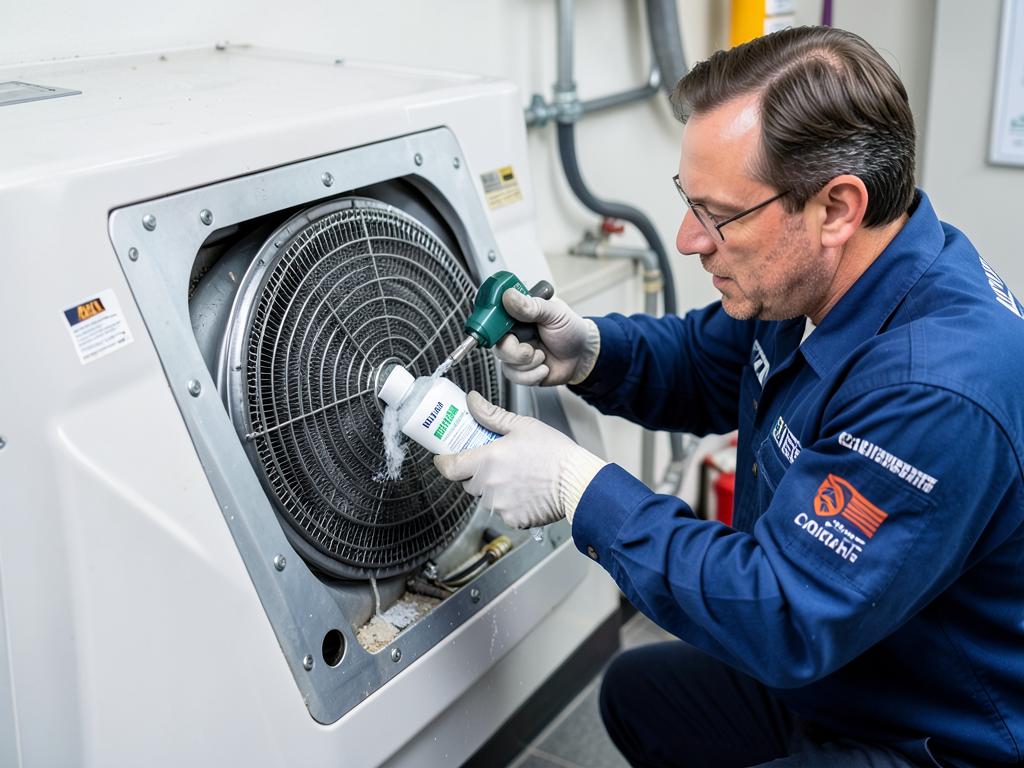
The first step is deep cleaning your evaporator coils. This isn’t a simple spray-and-wipe job. Professional HVAC technicians use specialized coil cleaning solutions that kill bacteria and remove the biofilm without damaging the aluminum fins.
The process involves removing the coil access panel, applying antimicrobial cleaners, and using high-pressure rinsing systems. In severe cases, technicians may need to use foaming cleaners that penetrate deep into the coil fins where bacteria hide.
Cost for professional coil cleaning in Nashville typically ranges from $250-$450 depending on your system’s accessibility and the severity of the contamination.
UV Germicidal Light Installation
UV germicidal lights installed near your evaporator coils provide continuous protection against bacterial and mold growth. These lights emit ultraviolet-C radiation that destroys the DNA of microorganisms preventing them from reproducing.
Studies by the American Society of Heating, Refrigerating and Air-Conditioning Engineers show that UV-C light can reduce microbial contamination by up to 99% on HVAC coils. For Nashville’s humid climate, this is one of the most effective long-term solutions.
Installation costs range from $600-$1,200 but the ongoing protection makes it cost-effective for our climate. Many Nashville homeowners report no recurrence of Dirty Sock Syndrome after UV light installation.
Antimicrobial Coil Coatings
Professional-grade antimicrobial coatings create a protective barrier on your coils that resists bacterial and mold growth. These coatings contain silver ions or other antimicrobial agents that continue working long after application.
The coating process involves cleaning the coils, applying the antimicrobial solution, and allowing it to cure. This creates a surface that’s hostile to microbial growth but safe for your HVAC system’s operation.
Many Nashville HVAC companies now offer this as part of their comprehensive Dirty Sock Syndrome treatment packages with costs typically ranging from $300-$500.
Whole-Home Air Purification
Systems like the REME HALO or similar air scrubbers work with your existing HVAC system to actively purify your indoor air. These units use advanced oxidation technology to destroy bacteria, viruses, and mold spores throughout your home.
For Nashville’s climate where humidity levels often exceed 70% during summer months, whole-home air purification provides an extra layer of protection against microbial growth in your HVAC system.
Installation typically costs $1,200-$2,500 but provides comprehensive air quality improvement beyond just eliminating the gym locker smell.

UV germicidal light installation showing proper placement near evaporator coils
DIY vs. Professional HVAC Service: What Actually Works
Many homeowners try DIY solutions first but most don’t address the root cause. Here’s what actually works versus what’s just a temporary fix:
Why Simple Sprays Don’t Work
Store-bought coil cleaners and odor sprays might temporarily mask the smell but they rarely eliminate the underlying bacteria. These products often contain fragrances that cover up the odor without killing the microorganisms causing it.
More importantly, DIY cleaning methods can damage your coils. The aluminum fins are delicate and aggressive scrubbing or harsh chemicals can bend them or create microscopic damage where bacteria can hide even more effectively.
When to Call a Nashville HVAC Specialist
You need professional help when:
- The smell persists after basic cleaning
- You notice reduced cooling efficiency
- Your energy bills have increased unexpectedly
- Family members experience increased allergy or respiratory symptoms
- You can see visible mold or discoloration on your vents
Professional diagnosis is crucial because the smell might indicate other problems. A qualified technician can identify whether you’re dealing with Dirty Sock Syndrome or if there’s a more serious issue like a refrigerant leak or electrical problem.. Read more about Dealing with ghosting and those weird dark streaks on your walls and ceilings.
Preventing Dirty Sock Syndrome in Middle Tennessee
Once you’ve eliminated the problem, prevention is key. Here are strategies that work specifically for Nashville’s climate:
Seasonal Maintenance Schedule
Nashville’s climate means your HVAC system needs different care throughout the year. A proper maintenance schedule includes:
- Spring: Coil cleaning and condensate drain line inspection before cooling season
- Summer: Monthly filter changes and condensate pump testing
- Fall: Heat pump inspection if you have a dual-fuel system
- Winter: Duct inspection and sealing to prevent moisture intrusion
Many Nashville HVAC companies offer seasonal maintenance plans that include these services at a discounted rate typically $150-$250 annually.
Proper Humidity Control
Since humidity is the root cause, controlling it is essential. Consider these options:
- Whole-home dehumidifiers integrated with your HVAC system
- Smart thermostats that monitor indoor humidity levels
- Improved ventilation in moisture-prone areas like basements and crawl spaces
The American Society of Heating, Refrigerating and Air-Conditioning Engineers recommends maintaining indoor relative humidity between 30-60% for optimal comfort and equipment performance.
High-Quality Air Filtration
Not all air filters are created equal. For Dirty Sock Syndrome prevention, consider:
- MERV 11-13 filters that capture smaller particles without restricting airflow
- HEPA filtration systems for severe allergy sufferers
- Activated carbon filters that absorb VOCs and odors
Remember that higher MERV ratings aren’t always better. Filters that are too restrictive can reduce airflow and actually make your system less efficient. A professional can help you choose the right balance for your specific system.
Heat Pump vs. Straight Cool System Vulnerability
Your type of HVAC system affects your vulnerability to Dirty Sock Syndrome. Here’s how different systems compare:
| System Type | Vulnerability Level | Why It Matters in Nashville |
|---|---|---|
| Heat Pump | High | Constant temperature transitions create moisture cycles |
| Straight Cool + Furnace | Medium | Seasonal transitions but less frequent cycling |
| Ductless Mini-Split | Medium-High | Multiple indoor units increase total coil surface area |
| Geothermal | Low | Consistent underground temperatures reduce moisture cycling |
Nashville’s mix of heating and cooling needs throughout the year makes heat pumps particularly susceptible. Our mild winters mean heat pumps run frequently creating the moisture cycles that promote bacterial growth.
Local Building Codes and HVAC Standards
Nashville and Davidson County follow the 2021 International Mechanical Code with local amendments. These codes address several factors that can contribute to or prevent Dirty Sock Syndrome:
According to the Metro Nashville Code of Ordinances Chapter 13.08 HVAC systems must be properly sized and installed to ensure adequate airflow and moisture removal. Undersized systems or those with restricted airflow are more prone to the moisture buildup that causes Dirty Sock Syndrome.
The Tennessee State Fire Marshal’s Office also mandates specific requirements for condensate drain systems. Improperly installed or maintained condensate drains can allow water to pool in your system creating ideal conditions for bacterial growth.
Local HVAC contractors must be licensed through the Tennessee Board for Licensing Contractors ensuring they understand these requirements and can properly diagnose and fix issues related to moisture management in HVAC systems.
Cost Factors for Professional Cleaning in Nashville
Several factors affect the cost of professional Dirty Sock Syndrome treatment in Middle Tennessee:
| Factor | Impact on Cost | Typical Range in Nashville |
|---|---|---|
| System Accessibility | High | +$50-$150 for difficult access |
| Coil Condition | Medium | +$75-$200 for severe contamination |
| System Age | Low-Medium | Older systems may need additional repairs |
| Additional Services | Variable | UV light installation: $600-$1,200 |
Most Nashville HVAC companies offer free estimates for Dirty Sock Syndrome diagnosis allowing you to understand the specific costs for your situation before committing to service.
Success Stories from Middle Tennessee Homes
Local HVAC technicians report that Dirty Sock Syndrome calls increase by approximately 40% during the spring and fall shoulder seasons when temperature fluctuations are most extreme. This pattern is particularly noticeable in areas like Mount Juliet and Smyrna where many homes have heat pumps that cycle frequently.
One Smyrna homeowner reported that after professional cleaning and UV light installation not only did the gym locker smell disappear but their seasonal allergy symptoms improved significantly. The UV light continues to prevent bacterial growth and they haven’t experienced the problem in three years.
In Hermitage a family with young children noticed their energy bills dropping by about 15% after addressing their Dirty Sock Syndrome issue. The technician discovered that the bacterial growth was restricting airflow through the coils forcing the system to work harder.
Emergency Situations: When to Act Immediately
While Dirty Sock Syndrome is usually more of a nuisance than an emergency, certain situations require immediate attention:
If you notice a sweet, chemical smell along with the gym locker odor this could indicate a refrigerant leak. Refrigerant leaks can be dangerous and require immediate professional attention.
A burning smell combined with the musty odor might indicate electrical problems in your HVAC system. This poses a fire risk and needs immediate diagnosis.
If anyone in your home experiences sudden respiratory distress, dizziness, or severe allergic reactions, evacuate the home and call for emergency HVAC service. While rare, severe mold growth in HVAC systems can produce dangerous levels of spores.
Frequently Asked Questions
How long does professional cleaning take to eliminate the smell?
Most professional cleanings eliminate the immediate odor within 24-48 hours. However, if bacterial growth has been present for a long time, it may take several days for the smell to completely dissipate as dead bacteria break down.
Can Dirty Sock Syndrome damage my HVAC system?
Yes. The bacterial biofilm can restrict airflow through your coils forcing your system to work harder and potentially leading to compressor failure or other mechanical issues. The moisture that promotes bacterial growth can also cause corrosion on metal components.
Is this covered by home warranty or insurance?
Most home warranties cover HVAC repairs but may not cover specific cleaning for Dirty Sock Syndrome. Homeowner’s insurance typically doesn’t cover this as a maintenance issue but it might cover related damage if caused by a covered peril like a storm.
How often should I have my coils cleaned to prevent this?
For Nashville’s climate, annual professional cleaning is recommended with additional cleaning if you notice any odor or reduced cooling efficiency. Homes in particularly humid areas or with heat pumps may benefit from bi-annual cleaning.
Can I just replace my air filter more often instead?
While regular filter changes are important, they won’t solve Dirty Sock Syndrome. The bacteria grow on the evaporator coils inside your air handler which is beyond the reach of your air filter. Filter changes are a preventive measure but won’t eliminate existing bacterial growth.
Take Action Against Dirty Sock Syndrome Today
That gym locker smell isn’t just unpleasant—it’s a sign that bacteria are growing in your HVAC system and potentially affecting your indoor air quality. For Nashville homeowners dealing with this issue, professional diagnosis and treatment is the most effective solution.
Don’t let Dirty Sock Syndrome compromise your comfort or your family’s health. Call (615) 552-1922 today to schedule a professional inspection. Our Middle Tennessee HVAC experts can diagnose the problem, eliminate the bacteria, and recommend prevention strategies tailored to our local climate.
Pick up the phone and call (615) 552-1922 before the next heat wave hits. The longer you wait, the more the bacteria can spread through your system making the problem harder and more expensive to fix.
Remember, in Nashville’s humid climate, Dirty Sock Syndrome isn’t just a possibility—it’s a common reality for many homeowners. But with the right professional treatment and prevention strategies, you can eliminate that foul odor and enjoy clean, fresh air throughout your home.
Don’t suffer through another season with that musty smell. Call (615) 552-1922 now and take the first step toward fresh, clean indoor air. Your nose—and your lungs—will thank you.
{
“@context”: “https://schema.org”,
“@type”: “BlogPosting”,
“headline”: “Why your AC smells like a gym locker and how to get rid of dirty sock syndrome for good”,
“description”: “Get rid of that musty gym locker smell from your AC with proven solutions for Nashville’s humid climate. Learn what causes Dirty Sock Syndrome and how to fix it.”,
“wordCount”: 2484,
“datePublished”: “2026-05-24T10:26:00.000Z”,
“dateModified”: “2026-05-24T10:26:00.000Z”,
“inLanguage”: “en-US”,
“mainEntityOfPage”: {
“@type”: “WebPage”,
“@id”: “https://alphahvacnashville.com”
},
“publisher”: {
“@type”: “LocalBusiness”,
“name”: “Alpha HVAC Nashville”,
“url”: “https://alphahvacnashville.com”
},
“author”: {
“@type”: “Organization”,
“name”: “Alpha HVAC Nashville”,
“url”: “https://alphahvacnashville.com”
},
“image”: {
“@type”: “ImageObject”,
“url”: “https://alphahvacnashville.com/wp-content/uploads/2026/03/why-your-ac-smells-like-a-gym-locker-and-how-to-ge-1.png”
}
}
{
“@context”: “https://schema.org”,
“@type”: “HVACBusiness”,
“name”: “Alpha HVAC Nashville”,
“url”: “https://alphahvacnashville.com”,
“address”: {
“@type”: “PostalAddress”,
“addressLocality”: “Nashville”
},
“areaServed”: {
“@type”: “City”,
“name”: “Nashville”
}
}
{
“@context”: “https://schema.org”,
“@type”: “FAQPage”,
“mainEntity”: [
{
“@type”: “Question”,
“name”: “How long does professional cleaning take to eliminate the smell?”,
“acceptedAnswer”: {
“@type”: “Answer”,
“text”: “Most professional cleanings eliminate the immediate odor within 24-48 hours. However, if bacterial growth has been present for a long time, it may take several days for the smell to completely dissipate as dead bacteria break down.”
}
},
{
“@type”: “Question”,
“name”: “Can Dirty Sock Syndrome damage my HVAC system?”,
“acceptedAnswer”: {
“@type”: “Answer”,
“text”: “Yes. The bacterial biofilm can restrict airflow through your coils forcing your system to work harder and potentially leading to compressor failure or other mechanical issues. The moisture that promotes bacterial growth can also cause corrosion on metal components.”
}
},
{
“@type”: “Question”,
“name”: “Is this covered by home warranty or insurance?”,
“acceptedAnswer”: {
“@type”: “Answer”,
“text”: “Most home warranties cover HVAC repairs but may not cover specific cleaning for Dirty Sock Syndrome. Homeowner’s insurance typically doesn’t cover this as a maintenance issue but it might cover related damage if caused by a covered peril like a storm.”
}
},
{
“@type”: “Question”,
“name”: “How often should I have my coils cleaned to prevent this?”,
“acceptedAnswer”: {
“@type”: “Answer”,
“text”: “For Nashville’s climate, annual professional cleaning is recommended with additional cleaning if you notice any odor or reduced cooling efficiency. Homes in particularly humid areas or with heat pumps may benefit from bi-annual cleaning.”
}
},
{
“@type”: “Question”,
“name”: “Can I just replace my air filter more often instead?”,
“acceptedAnswer”: {
“@type”: “Answer”,
“text”: “While regular filter changes are important, they won’t solve Dirty Sock Syndrome. The bacteria grow on the evaporator coils inside your air handler which is beyond the reach of your air filter. Filter changes are a preventive measure but won’t eliminate existing bacterial growth.”
}
}
]
}
{
“@context”: “https://schema.org”,
“@type”: “BreadcrumbList”,
“itemListElement”: [
{
“@type”: “ListItem”,
“position”: 1,
“name”: “Home”,
“item”: “https://alphahvacnashville.com”
},
{
“@type”: “ListItem”,
“position”: 2,
“name”: “Blog”,
“item”: “https://alphahvacnashville.com/blog”
},
{
“@type”: “ListItem”,
“position”: 3,
“name”: “Why your AC smells like a gym locker and how to get rid of dirty sock syndrome for good”
}
]
}
{
“@context”: “https://schema.org”,
“@type”: “Service”,
“serviceType”: “HVAC”,
“provider”: {
“@type”: “LocalBusiness”,
“name”: “Alpha HVAC Nashville”,
“url”: “https://alphahvacnashville.com”
},
“areaServed”: {
“@type”: “City”,
“name”: “Nashville”
},
“description”: “Get rid of that musty gym locker smell from your AC with proven solutions for Nashville’s humid climate. Learn what causes Dirty Sock Syndrome and how to fix it.”
}