
Why Hendersonville Houses Feel So Humid and How Your HVAC Can Fix It
Hendersonville homes sit right on the edge of Old Hickory Lake where summer humidity often climbs above 85%. That moisture seeps through walls and crawl spaces making your AC work overtime while indoor air feels sticky and heavy. This guide shows you how to diagnose humidity problems and what HVAC solutions actually work in our local climate.
The problem starts with our geography. Lakefront properties experience what HVAC technicians call the “lake effect”—cool air from the water meets warm air from the land creating condensation that builds up in attics and basements. Many Hendersonville homes built before 2010 lack proper vapor barriers making the situation worse.
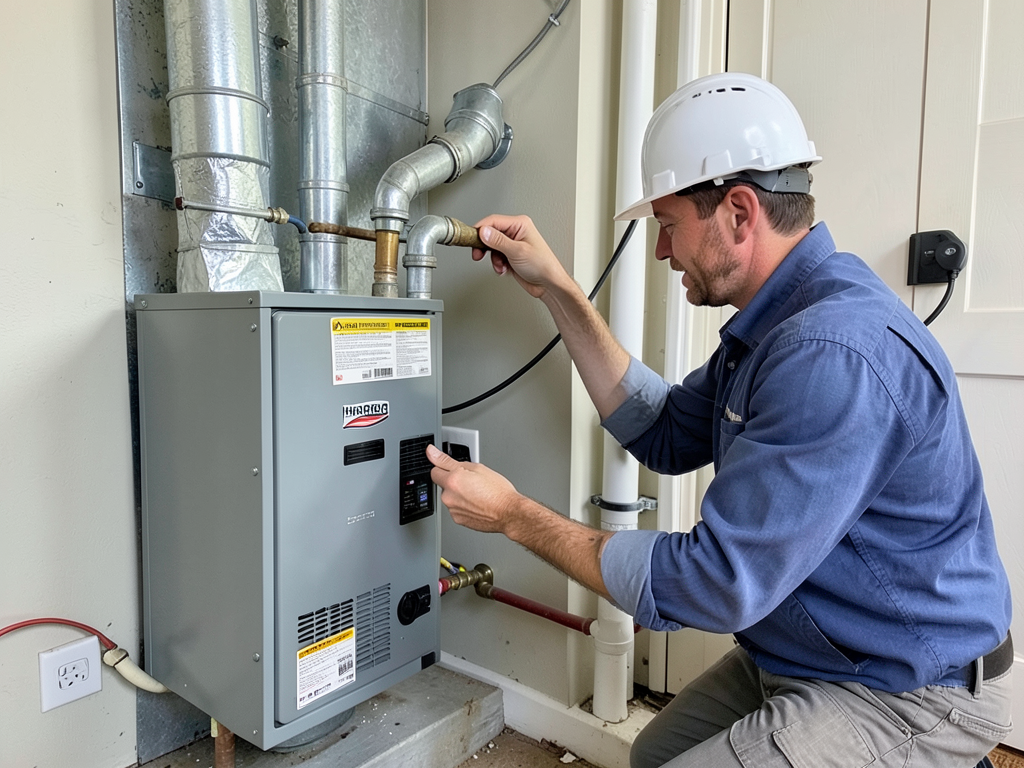
Why Hendersonville Homes Need Whole-House Dehumidification
Standard air conditioners remove some moisture but they were designed for moderate climates not Tennessee’s swamp-like summers. When outdoor humidity hits 90% your AC runs constantly but never quite catches up. The result: mold growth behind drywall, warped hardwood floors, and that musty smell no air freshener can fix. Tennessee State Fire Marshal mechanical codes.
Local building codes now require mechanical ventilation in new construction but thousands of existing homes in Hendersonville still rely on outdated systems. The Tennessee State Fire Marshal’s mechanical codes specify minimum ventilation rates but don’t address humidity control specifically. That gap leaves homeowners vulnerable to moisture damage. The Best High Efficiency HVAC Systems for Luxury Homes in Brentwood.
Whole-house dehumidifiers work differently than portable units. They pull moisture from the entire home’s air supply then drain it directly to your plumbing system. No buckets to empty. No single room stays dry while others remain damp. The system integrates with your existing ductwork and runs independently of your AC.. Read more about Whole Home Dehumidifiers vs Portable Units for Keeping Your Madison Basement Dry.
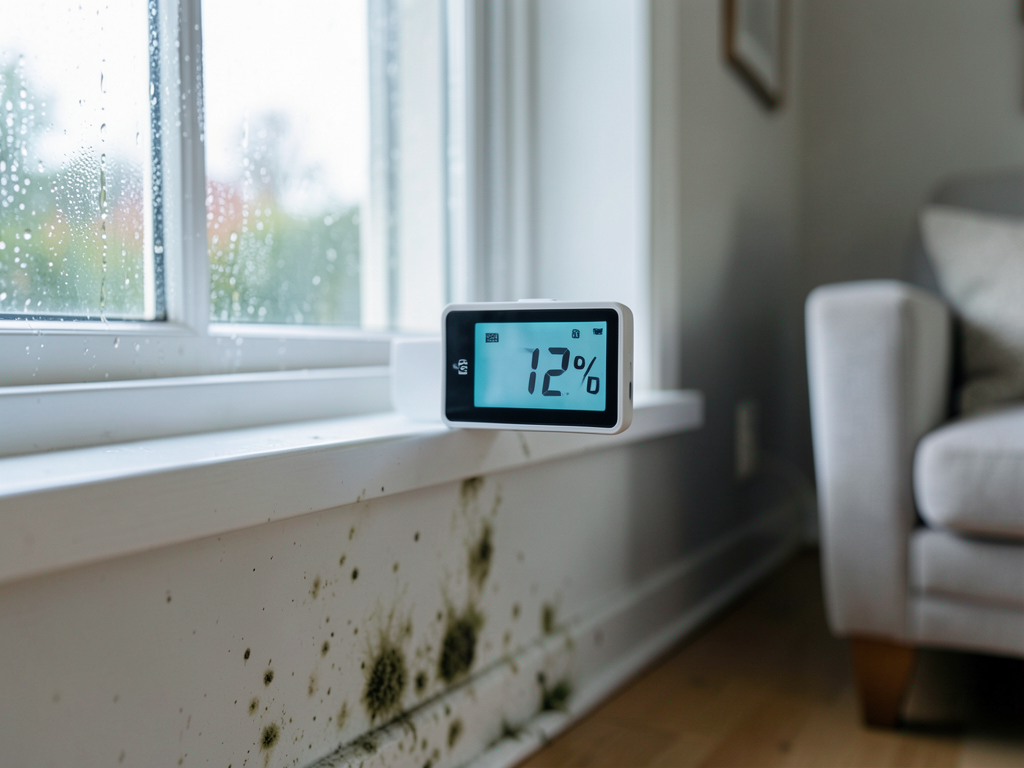
Our Dehumidifier Installation Process
We start with a complete home assessment measuring humidity levels in different rooms using digital hygrometers. The crawl space under many Hendersonville homes holds the highest moisture levels because of poor drainage and inadequate vapor barriers. We check for water intrusion around foundations and inspect attic ventilation.
Next we calculate the proper dehumidifier capacity. A 3,000 square foot home in Hendersonville typically needs a 70-pint unit while lakefront properties might require 90-pint capacity. We factor in ceiling height, insulation quality, and the number of occupants. More people means more moisture from breathing and cooking.
Installation takes about four hours. We mount the unit near your air handler, connect it to your existing ductwork, and run a dedicated condensate drain line. The system includes a humidistat that automatically maintains your target humidity level between 45-55%. HVAC Mount Juliet.
We test the complete system by running it for 24 hours then measuring humidity drops in each room. Most homeowners notice immediate improvements—clothes dry faster, windows stop fogging, and that sticky feeling disappears within hours.
Benefits of Controlling Indoor Humidity in Middle Tennessee
Proper humidity control prevents more than just discomfort. When relative humidity stays above 60% dust mites thrive and mold spores multiply rapidly. The EPA recommends keeping indoor humidity between 30-50% to minimize these problems. In Hendersonville’s climate that means active dehumidification is necessary year-round. EPA guidelines on indoor humidity.
Preventing Mold Growth and Protecting Your Foundation
Mold needs three things to grow: moisture, organic material, and warmth. Your home provides the last two constantly. The only variable you can control is moisture. Once humidity drops below 60% most mold species stop reproducing. This protects your investment by preventing structural damage to wood framing and drywall. Storm Damage HVAC Repair.
Foundation problems often start with moisture. Clay soil around Hendersonville expands when wet then contracts as it dries. This movement stresses foundation walls and creates cracks where more moisture enters. A properly sized dehumidifier reduces this cycle by keeping soil moisture levels more consistent.
Enhancing HVAC Efficiency and Lowering Cooling Costs
Dry air feels cooler than humid air at the same temperature. When you remove excess moisture your thermostat can be set higher while maintaining comfort. Most homeowners save 15-20% on cooling costs after installing whole-house dehumidification. The system pays for itself in about three years through energy savings alone. Heating and Cooling Historic Germantown Homes Without Bulky Ductwork.
Your AC also lasts longer when it doesn’t run constantly. Compressor failures often occur when systems overheat from continuous operation. By reducing the cooling load you extend equipment life and avoid expensive repairs. Nashville AC Repair Companies That Actually Answer the Phone on Weekends.
Whole-Home vs. Portable Dehumidifiers: Which is Right for You?
Portable dehumidifiers seem cheaper upfront but they have serious limitations. A single unit only treats one room and requires daily emptying. Most portable units remove 30-50 pints per day while whole-house systems handle 70-135 pints continuously. The math doesn’t work for larger homes.
Noise is another factor. Portable units run constantly and can be loud enough to disrupt sleep. Whole-house systems operate at whisper-quiet levels because they share your existing blower motor and ductwork. You never hear them running.
Energy efficiency differs dramatically. Portable units use more electricity per pint of water removed because they lack the advanced heat exchange technology in whole-house models. Over a summer season the energy cost difference can exceed $200.
Maintenance requirements also vary. Portable units need filter cleaning every two weeks and manual emptying. Whole-house systems have washable filters changed annually and automatic drainage. No daily attention required.
Frequently Asked Questions
How do I know if my home has a humidity problem?
Common signs include condensation on windows, musty odors, sticky skin indoors, mold spots in bathrooms, and warped wood floors. If you notice two or more of these symptoms you likely need humidity control.
What humidity level should I maintain?
The ideal range is 45-55% relative humidity. Below 30% air feels too dry causing static electricity and respiratory irritation. Above 60% promotes mold growth and dust mites.
Will a dehumidifier make my home too dry in winter?
No. Modern systems include sensors that adjust operation based on outdoor conditions. In winter they run less frequently or shut off completely when humidity drops naturally.
How long does installation take?
Most installations complete in 3-4 hours. We handle everything from mounting to electrical connections to testing. Your home is left clean with no construction mess.
Can I install this myself?
Whole-house dehumidifiers require electrical connections, ductwork modifications, and proper drainage setup. DIY installation voids warranties and risks electrical hazards. Professional installation ensures code compliance and optimal performance.
- Purchase a Hygrometer
Buy an inexpensive digital hygrometer from any hardware store. Place it in your main living area away from windows and doors.
- Test Multiple Rooms
Check humidity levels in different areas of your home over 24 hours. Bathrooms, basements, and rooms near exterior walls often show the highest readings.
- Look for Warning Signs
Check for condensation on windows, musty odors, or visible mold. These indicate humidity problems even if readings seem normal.
- Calculate Square Footage
Measure your home’s total square footage to determine the dehumidifier capacity you’ll need. Larger homes require more powerful units.
Call (615) 552-1922 today to schedule your free humidity assessment. Our technicians will test your home’s moisture levels and recommend the right solution for your specific situation. Don’t let another humid summer damage your home and waste your money on high cooling bills.
Pick up the phone and call (615) 552-1922 before the next storm hits. Hendersonville’s lakefront location means humidity problems will only get worse as summer approaches. A quick assessment now prevents expensive repairs later.