
New construction in Belle Meade should mean perfect comfort but many homeowners find themselves battling uneven temperatures and high humidity even in brand new homes. The reality is that rapid building schedules and cost-cutting measures often lead to HVAC systems that look good on paper but fail in practice. Before you blame your thermostat or weather patterns understand that these problems are common and fixable. The Best High Efficiency HVAC Systems for Luxury Homes in Brentwood.
The hidden cost of fast-track building in Belle Meade
Belle Meade’s booming real estate market has developers racing to meet demand. This rush creates pressure on HVAC contractors to install systems quickly often without proper load calculations or duct design. The result is equipment that may be the right size on paper but fails to deliver consistent comfort due to poor airflow distribution.. Read more about Finding the quietest HVAC systems for a peaceful backyard experience in Oak Hill.
Many new homes here use what industry insiders call “builder grade” equipment. These systems prioritize upfront cost over long-term performance. While they may meet minimum code requirements they often lack the capacity to handle Tennessee’s humid summers and dramatic temperature swings. Tennessee Board of Professional Accountability.
Call (615) 552-1922 today to schedule your new construction HVAC inspection before your one-year warranty expires.
Common airflow problems in new Belle Meade homes
Understanding the specific issues helps homeowners identify problems early. Here are the most frequent complaints we hear from new Belle Meade residents:
- Uneven room temperatures
Rooms feel significantly warmer or cooler than the thermostat setting often 5-8 degrees different.
- Excessive humidity
Indoor humidity stays above 60% even when the AC runs constantly creating that sticky feeling.. Read more about The best indoor air quality upgrades for Nashville families dealing with severe asthma.
- Weak airflow from vents
Registers blow air but it feels more like a gentle breeze than the strong flow you expect.
- Hot second floors
Upper levels stay warmer than downstairs even with the thermostat set low.
Why Manual J calculations matter more than you think
Manual J is the industry standard for calculating heating and cooling loads. In new construction it determines the size of your HVAC equipment. When builders skip this step or use generic calculations the results can be disastrous. Heating and Cooling Historic Germantown Homes Without Bulky Ductwork.
A properly sized system in Belle Meade needs to account for:
- Large windows common in new luxury homes
- Open floor plans that increase cooling loads
- High ceilings that trap hot air
- Modern insulation that can create tight house syndrome
Without accurate Manual J calculations your system may be oversized leading to short cycling or undersized causing it to run constantly without ever catching up.
The ductwork dilemma in new construction
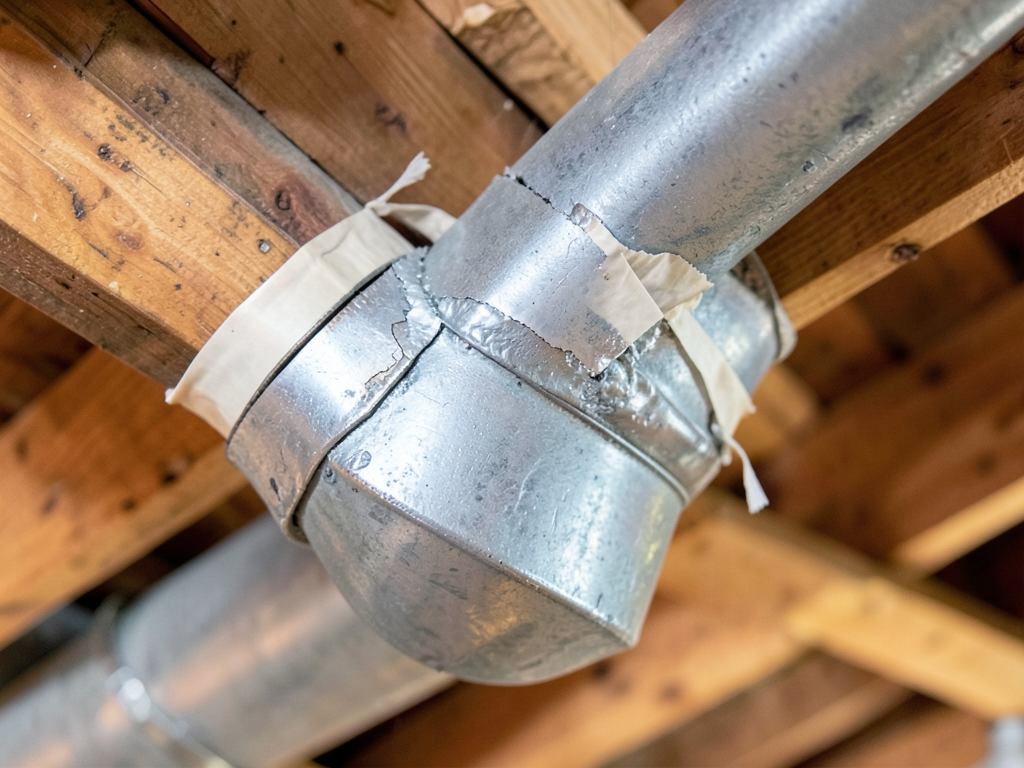
Even the best HVAC equipment fails if the ductwork is poorly designed. In new Belle Meade homes we frequently find:. Read more about What does it cost to replace all the ductwork in a two thousand square foot Nashville home?.
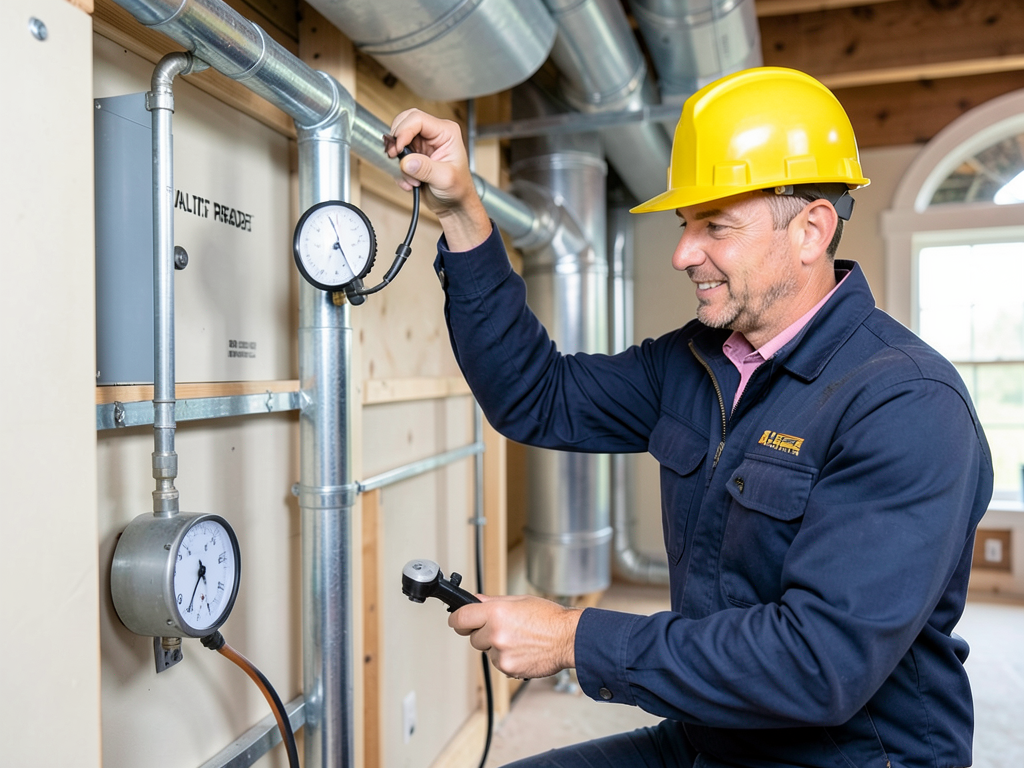
Photo showing improperly sealed duct connections in an attic installation
- Ducts that are too small for the airflow required
- Sharp bends that restrict air movement
- Poorly sealed joints that leak conditioned air into attics
- Undersized return air pathways that create pressure imbalances
These issues don’t just affect comfort. They can increase your utility bills by 20-30% as your system works harder to compensate for the losses.
Static pressure problems you can feel
Static pressure is the resistance to airflow in your duct system. When it’s too high your system struggles and comfort suffers. Signs of high static pressure include:
- Rattling or whistling sounds from vents
- Registers that feel barely warm or cool to the touch
- Rooms that never seem to reach the set temperature
- Excessive dust accumulation around vents
High static pressure often results from ducts that are too small or too long for the equipment. It’s like trying to force a river through a straw.
Belle Meade’s unique climate challenges
Nashville’s humid subtropical climate creates specific HVAC challenges that many builders underestimate. In Belle Meade’s upscale neighborhoods where large windows and high ceilings are common the problems compound. Nashville AC Repair Companies That Actually Answer the Phone on Weekends.
During summer months outdoor humidity often exceeds 70%. Your AC must both cool the air and remove moisture. If the system short cycles because it’s oversized it won’t run long enough to dehumidify properly. This leaves you with cold but clammy air.
The area’s clay soil also affects foundation work which can impact HVAC pad leveling. An unlevel outdoor unit can cause compressor strain and reduced efficiency.
Building code requirements and what they miss
Davidson County follows the 2018 International Residential Code with local amendments. While these codes set minimum standards they don’t guarantee optimal performance.
Key code requirements include:
| Code Section | Requirement | Common Compliance Issue |
|---|---|---|
| R403.1 | Manual J calculations | Calculations done but not verified |
| M1601.3 | Duct sealing | Only taped not mastic sealed |
| M1601.4 | Duct insulation | Minimum R-6 in attics often insufficient |
The codes ensure basic safety but don’t address the nuanced performance issues that affect daily comfort.
Manufacturer warranty registration requirements
New HVAC equipment comes with warranties but they require proper registration. Many homeowners don’t realize that:
- Warranties may be void if not registered within 60-90 days
- Some registrations require proof of professional installation
- Extended warranties may need additional registration steps
Missing these deadlines can leave you without coverage when problems arise.
The builder warranty trap
Most new home warranties cover HVAC for one year. This sounds generous but it creates a narrow window for identifying problems. Many airflow issues develop gradually and may not be obvious until months after move-in.
By the time you notice inconsistent cooling or high humidity your builder’s warranty may be expiring. This is why early professional inspection is critical.
Diagnostic tools we use on new construction
Professional HVAC diagnosis goes beyond thermostat readings. We use specialized tools to identify hidden problems:
Technician using a manometer to measure static pressure in a new construction duct system
- Manometers to measure static pressure
- Thermal imaging cameras to spot insulation gaps
- Airflow meters to verify duct design
- Humidity sensors to track moisture levels
These tools reveal issues that visual inspection misses.
Cost factors for fixing new construction HVAC problems
Repairing airflow issues in new homes varies widely in cost depending on the problem:
| Problem | Typical Cost Range | DIY Possible? |
|---|---|---|
| Duct sealing | $500-$2,000 | No |
| Static pressure correction | $1,500-$4,000 | No |
| Additional return air | $800-$2,500 | No |
| Dehumidification system | $2,000-$5,000 | No |
Early detection often means simpler and less expensive fixes.
Energy efficiency impacts you might not expect
Poor airflow doesn’t just affect comfort. It impacts your utility bills in surprising ways:
- Systems running longer than necessary
- Equipment cycling on and off frequently
- Leaking ducts conditioning attic spaces
- Improper refrigerant charge reducing efficiency
These issues can add $50-$150 monthly to your summer cooling costs.
When to call a professional
Not every airflow issue requires a service call but certain signs warrant immediate attention:
- Rooms that stay 8+ degrees different from thermostat
- Humidity above 65% indoors during AC operation
- Visible mold growth around vents
- System running constantly without reaching set point
Don’t wait until your warranty expires to address these problems.
Preventative measures for new homeowners
If you’re moving into a new Belle Meade home take these steps early:
- Document all temperature readings room by room within the first month
- Monitor humidity levels with a cheap hygrometer
- Check airflow from each vent with a tissue test
- Schedule a professional inspection before your one-year warranty ends
This documentation helps if warranty claims become necessary.
The value of third-party inspections
Many new homeowners don’t realize they can hire independent HVAC professionals to inspect their systems before warranty deadlines. These inspections provide:
- Unbiased assessment of system performance
- Documentation of code compliance issues
- Recommendations for warranty claims
- Peace of mind about your investment
Think of it as a home inspection for your HVAC system.
Future-proofing your new construction HVAC
If you’re still in the building process or considering upgrades discuss these options with your builder:. Read more about How much a high-end HVAC upgrade actually increases the resale value of your Green Hills home.
- Variable speed equipment for better humidity control
- Zoning systems for multi-story homes
- ERV or HRV systems for fresh air without energy loss
- Smart thermostats with remote sensors
These features cost more upfront but deliver better long-term performance.. Read more about Why Aeroseal duct sealing is better than traditional tape for leaky homes in Nippers Corner.
Local building trends affecting HVAC performance
Belle Meade’s newer homes often feature:
- Open concept designs that increase cooling loads
- Large windows that create solar heat gain
- High ceilings that trap hot air
- Energy-efficient envelopes that can create tight house syndrome
Each trend affects how HVAC systems should be designed and sized.
The role of proper maintenance
Even perfectly installed systems need regular maintenance. For new construction this means:
- Changing filters every 1-3 months
- Keeping outdoor units clear of debris
- Checking for visible duct damage annually
- Scheduling professional tune-ups before peak seasons
Regular maintenance prevents small issues from becoming major problems.
Understanding your HVAC equipment tags
New systems have labels showing important information:
- SEER rating for cooling efficiency
- BTU capacity for heating/cooling output
- Refrigerant type and charge amount
- Electrical requirements and ratings
Understanding these specs helps you verify your system matches your home’s needs.
Common builder excuses and the truth
When homeowners complain about airflow issues builders often say:
- “That’s just how new systems work” – False. Properly designed systems deliver consistent comfort.
- “Give it time to settle” – Comfort issues aren’t normal settling pains.
- “It meets code” – Code minimum doesn’t mean optimal performance.
Don’t accept these explanations without verification.
Financing options for HVAC improvements
If your new home needs airflow corrections several financing options exist:
- Home improvement loans through banks
- Manufacturer financing programs
- Energy efficiency rebates from TVA
- Builder credit for warranty work
Many homeowners don’t realize these options are available.
The importance of proper refrigerant charge
Incorrect refrigerant charge affects both efficiency and comfort. Signs include:
- Ice buildup on refrigerant lines
- System short cycling
- Higher than normal electric bills
- Warm air from vents when cooling
Only certified technicians should check and adjust refrigerant levels.
Smart home integration considerations
Modern HVAC systems integrate with smart home technology. When troubleshooting airflow issues consider:
- Smart thermostats may mask underlying problems
- Remote sensors can help identify hot spots
- Learning algorithms may compensate for poor design
- Integration with whole-home automation systems
Technology helps but doesn’t fix fundamental design flaws.
Your rights as a new homeowner
Tennessee law provides specific protections for new home buyers:
- One-year warranty on mechanical systems
- Right to request repairs for construction defects
- Ability to hire third-party inspectors
- Recourse through the Tennessee Home Builders Association
Know your rights before accepting subpar performance.
Final thoughts on new construction HVAC
Perfect airflow in new construction isn’t automatic. It requires proper design, quality installation, and attention to local climate factors. Belle Meade’s unique combination of luxury homes and humid climate makes professional HVAC design especially important.
Don’t wait until you’re uncomfortable or facing high utility bills. Early detection and correction save money and frustration.
Ready to solve your new construction airflow problems? Call (615) 552-1922 today to schedule your professional HVAC inspection.
Frequently Asked Questions
How do I know if my new home has airflow problems?
Look for uneven temperatures between rooms, humidity above 60%, weak airflow from vents, or the system running constantly without reaching set temperatures. These are the most common signs of airflow issues in new construction.
Will my builder cover HVAC repairs?
Most new home warranties cover HVAC for one year from closing. However, coverage varies by builder and specific issues. Document problems early and request repairs in writing before your warranty expires.
Can I fix airflow problems myself?
Basic maintenance like changing filters helps but most airflow issues require professional diagnosis and repair. DIY attempts often void warranties or create additional problems with complex HVAC systems.
How much do airflow repairs typically cost?
Costs range from $500 for simple duct sealing to $4,000+ for comprehensive static pressure corrections. Early detection usually means lower costs since problems are easier to fix before they compound.
Should I get a third-party HVAC inspection?
Yes, especially before your one-year warranty expires. Independent inspections provide unbiased assessments and documentation that helps with warranty claims or builder negotiations about necessary repairs. For more information, visit ASHRAE Standards for HVAC Design.
You may also find this helpful. Why your Bellevue bonus room is always a different temperature than the rest of the house.
You may also find this helpful. Do whole-house fans actually work for Donelson homes or are they a waste of money?.
{
“@context”: “https://schema.org”,
“@type”: “BlogPosting”,
“headline”: “Why even brand new houses in Belle Meade can have major airflow problems”,
“description”: “New homes in Belle Meade often have hidden HVAC airflow issues. Learn why builder shortcuts cause hot spots, poor humidity control, and how to fix them before warranty expires.”,
“wordCount”: 1982,
“datePublished”: “2026-04-11T12:16:00.000Z”,
“dateModified”: “2026-04-11T12:16:00.000Z”,
“inLanguage”: “en-US”,
“mainEntityOfPage”: {
“@type”: “WebPage”,
“@id”: “https://alphahvacnashville.com”
},
“publisher”: {
“@type”: “LocalBusiness”,
“name”: “Alpha HVAC Nashville”,
“url”: “https://alphahvacnashville.com”
},
“author”: {
“@type”: “Organization”,
“name”: “Alpha HVAC Nashville”,
“url”: “https://alphahvacnashville.com”
},
“image”: {
“@type”: “ImageObject”,
“url”: “https://alphahvacnashville.com/wp-content/uploads/2026/03/why-even-brand-new-houses-in-belle-meade-can-have-1.png”
}
}
{
“@context”: “https://schema.org”,
“@type”: “HVACBusiness”,
“name”: “Alpha HVAC Nashville”,
“url”: “https://alphahvacnashville.com”,
“address”: {
“@type”: “PostalAddress”,
“addressLocality”: “Nashville”
},
“areaServed”: {
“@type”: “City”,
“name”: “Nashville”
}
}
{
“@context”: “https://schema.org”,
“@type”: “FAQPage”,
“mainEntity”: [
{
“@type”: “Question”,
“name”: “How do I know if my new home has airflow problems?”,
“acceptedAnswer”: {
“@type”: “Answer”,
“text”: “Look for uneven temperatures between rooms, humidity above 60%, weak airflow from vents, or the system running constantly without reaching set temperatures. These are the most common signs of airflow issues in new construction.”
}
},
{
“@type”: “Question”,
“name”: “Will my builder cover HVAC repairs?”,
“acceptedAnswer”: {
“@type”: “Answer”,
“text”: “Most new home warranties cover HVAC for one year from closing. However, coverage varies by builder and specific issues. Document problems early and request repairs in writing before your warranty expires.”
}
},
{
“@type”: “Question”,
“name”: “Can I fix airflow problems myself?”,
“acceptedAnswer”: {
“@type”: “Answer”,
“text”: “Basic maintenance like changing filters helps but most airflow issues require professional diagnosis and repair. DIY attempts often void warranties or create additional problems with complex HVAC systems.”
}
},
{
“@type”: “Question”,
“name”: “How much do airflow repairs typically cost?”,
“acceptedAnswer”: {
“@type”: “Answer”,
“text”: “Costs range from $500 for simple duct sealing to $4,000+ for comprehensive static pressure corrections. Early detection usually means lower costs since problems are easier to fix before they compound.”
}
},
{
“@type”: “Question”,
“name”: “Should I get a third-party HVAC inspection?”,
“acceptedAnswer”: {
“@type”: “Answer”,
“text”: “Yes, especially before your one-year warranty expires. Independent inspections provide unbiased assessments and documentation that helps with warranty claims or builder negotiations about necessary repairs. For more information, visit ASHRAE Standards for HVAC Design.”
}
}
]
}
{
“@context”: “https://schema.org”,
“@type”: “HowTo”,
“name”: “Diagnosing New Construction HVAC Issues”,
“step”: [
{
“@type”: “HowToStep”,
“position”: 1,
“name”: “Uneven room temperatures”,
“text”: “Rooms feel significantly warmer or cooler than the thermostat setting often 5-8 degrees different.”
},
{
“@type”: “HowToStep”,
“position”: 2,
“name”: “Excessive humidity”,
“text”: “Indoor humidity stays above 60% even when the AC runs constantly creating that sticky feeling.”
},
{
“@type”: “HowToStep”,
“position”: 3,
“name”: “Weak airflow from vents”,
“text”: “Registers blow air but it feels more like a gentle breeze than the strong flow you expect.”
},
{
“@type”: “HowToStep”,
“position”: 4,
“name”: “Hot second floors”,
“text”: “Upper levels stay warmer than downstairs even with the thermostat set low.”
}
],
“image”: “https://alphahvacnashville.com/wp-content/uploads/2026/03/why-even-brand-new-houses-in-belle-meade-can-have-1.png”
}
{
“@context”: “https://schema.org”,
“@type”: “BreadcrumbList”,
“itemListElement”: [
{
“@type”: “ListItem”,
“position”: 1,
“name”: “Home”,
“item”: “https://alphahvacnashville.com”
},
{
“@type”: “ListItem”,
“position”: 2,
“name”: “Blog”,
“item”: “https://alphahvacnashville.com/blog”
},
{
“@type”: “ListItem”,
“position”: 3,
“name”: “Why even brand new houses in Belle Meade can have major airflow problems”
}
]
}
{
“@context”: “https://schema.org”,
“@type”: “Service”,
“serviceType”: “HVAC”,
“provider”: {
“@type”: “LocalBusiness”,
“name”: “Alpha HVAC Nashville”,
“url”: “https://alphahvacnashville.com”
},
“areaServed”: {
“@type”: “City”,
“name”: “Nashville”
},
“description”: “New homes in Belle Meade often have hidden HVAC airflow issues. Learn why builder shortcuts cause hot spots, poor humidity control, and how to fix them before warranty expires.”
}