
Whole Home Dehumidifiers vs Portable Units for Keeping Your Madison Basement Dry
Nashville’s sticky summers can turn your Madison basement into a damp breeding ground for mold and mildew. With relative humidity often hitting 85-90% in July and August, moisture seeps into walls, floors, and stored items. The question isn’t whether you need a dehumidifier—it’s whether a portable unit or a whole-home system is the right fit for your space. Portable dehumidifiers are cheap and easy to move, but they struggle to keep up with Tennessee’s relentless humidity. Whole-home systems tie into your HVAC and work silently to protect every room, but they cost more upfront. Let’s break down how each type performs in a real Madison basement so you can make the smart choice before the next storm rolls in. The Best High Efficiency HVAC Systems for Luxury Homes in Brentwood.
How Portable Dehumidifiers Work and Where They Fall Short
Portable units pull air across cold coils, condense moisture into a tank, and push dry air back out. They work fine for a single room or small basement space—usually up to 1,500 square feet. But in Madison’s clay-heavy soil, water vapor constantly rises through the slab, overwhelming a portable’s 30-70 pint-per-day capacity. You’ll find yourself emptying the tank daily or installing a drain line that can clog or freeze. Noise is another issue: most portables hum at 50-60 decibels, loud enough to hear from the next room. And because they only treat the air they pull in, humidity can spike again as soon as you open a door. In short, they’re a band-aid, not a cure.
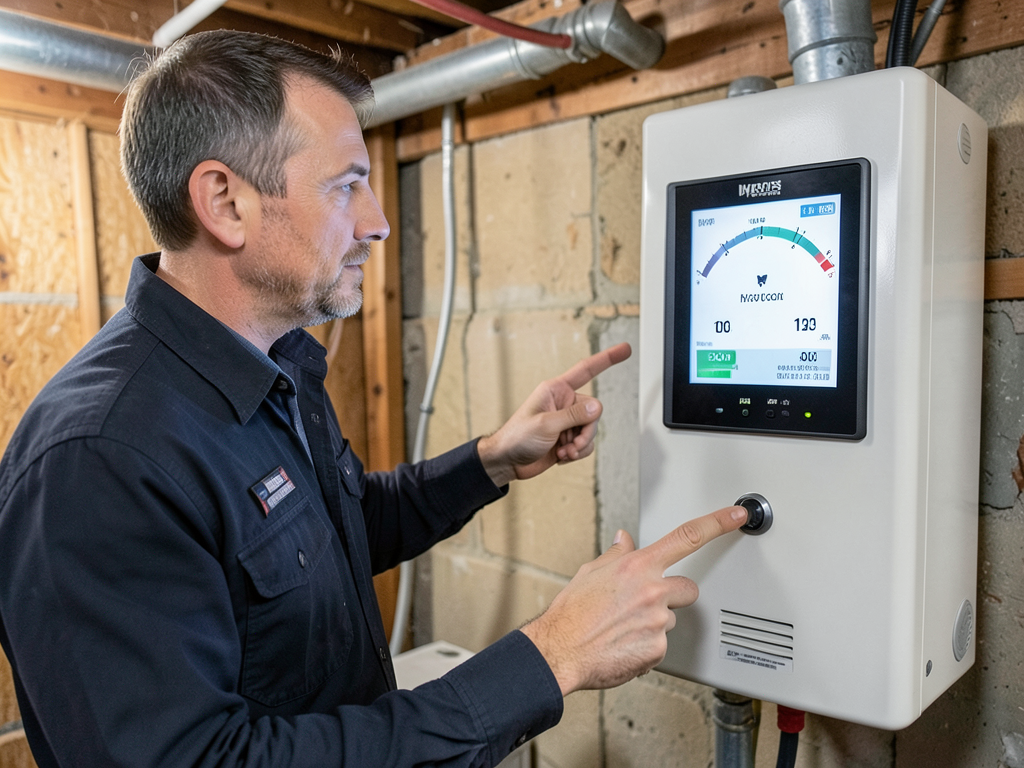
A close-up of a portable dehumidifier’s control panel showing humidity readout and timer settings.
Whole-Home Dehumidifiers: Integration and Air Quality Benefits
Whole-home units connect directly to your HVAC system, treating all the air your furnace or air handler moves. They remove 90-135 pints per day—enough to keep a 3,000+ square foot Madison home dry even during a rainy spell. Because they work with your existing ductwork, there’s no bulky floor unit taking up space. Many include MERV 11+ filtration, trapping dust, pollen, and mold spores while they dehumidify. Set your target humidity (usually 45-50%) and the system maintains it automatically. No daily tank dumping, no tripping over cords. The only downside is the higher upfront cost—typically $2,500-$4,500 installed—but that buys you peace of mind and lower long-term maintenance. Whole Home Humidifiers.
Side-by-Side Comparison: Portable vs Whole-Home
| Feature | Portable Dehumidifier | Whole-Home Dehumidifier |
|---|---|---|
| Daily Moisture Removal | 30-70 pints | 90-135 pints |
| Coverage Area | Up to 1,500 sq ft | 3,000+ sq ft |
| Noise Level | 50-60 dB | 35-45 dB |
| Maintenance | Empty tank every 1-2 days | Annual filter check |
| Lifespan | 3-5 years | 10-15 years |
| Energy Use | 300-700 watts | 600-1,000 watts |
| Air Filtration | Basic pre-filter | MERV 11+ optional |
Cost Factor: Upfront Investment vs Long-Term Savings
A portable dehumidifier runs $150-$400, while a whole-home unit costs $2,500-$4,500 installed. At first glance, the portable wins on price. But consider Madison’s climate: you’ll likely replace that portable every 3-5 years. Over 10 years, you’re looking at $900-$2,000 in replacement costs, plus the hassle of daily maintenance. A whole-home system, on the other hand, lasts a decade or more with minimal upkeep. It also reduces the load on your air conditioner, which can cut cooling costs by 5-10% in humid months. Factor in the value of protecting your basement from mold damage, and the whole-home option starts to look like the smarter investment. Heating and Cooling Historic Germantown Homes Without Bulky Ductwork.
Nashville-Specific Considerations for Madison Homes
Madison sits on Nashville’s eastern edge where heavy red clay soil holds moisture like a sponge. That means water vapor constantly pushes up through basement slabs, especially after a rain. Many Madison homes built in the 1970s-90s have uninsulated ductwork in unconditioned crawlspaces, which “sweats” when humid air hits cold metal—another source of moisture. A whole-home dehumidifier can be paired with a condensate pump to handle this extra load, while a portable would struggle. Plus, Nashville Electric Service (NES) offers rebates for high-efficiency HVAC add-ons, which can offset part of the installation cost. Local building codes (per the 2021 Metro Nashville Energy Conservation Code) now encourage moisture control in new construction, so upgrading makes your home more compliant and comfortable. Metro Nashville Energy Conservation Code.
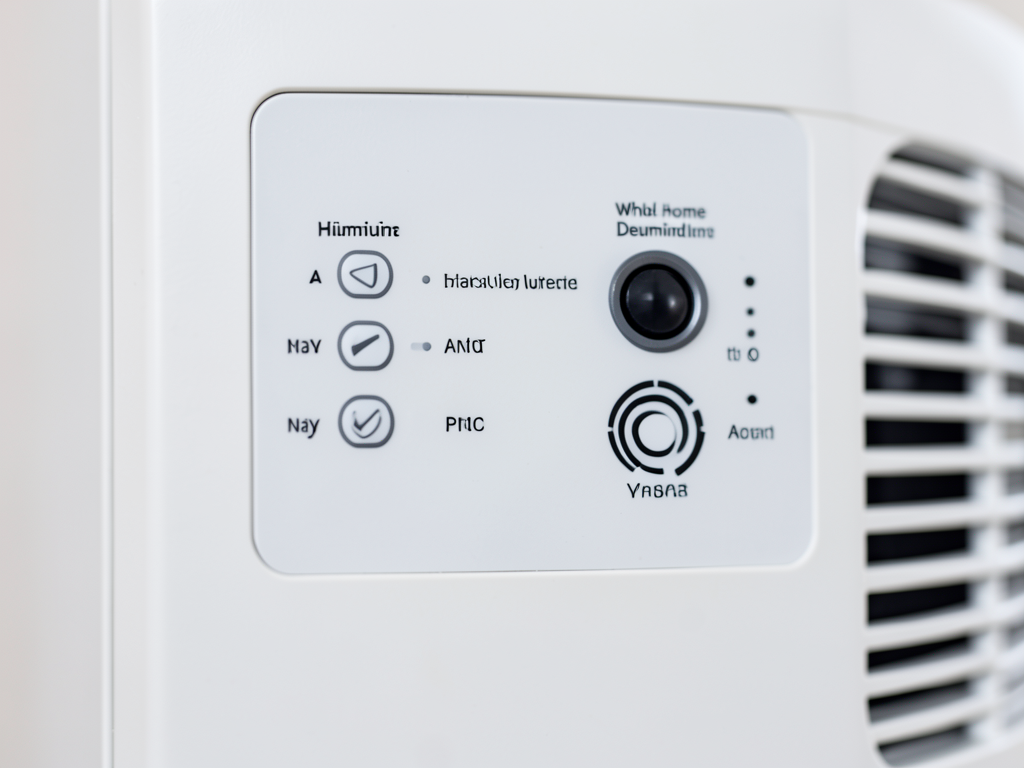
A technician installing a whole-home dehumidifier next to an HVAC air handler in an attic.
Which Option is Right for Your Madison Basement?
Choose a portable if you have a very small basement (under 1,500 sq ft), only need temporary relief, or rent your home. It’s also fine for spot-treating a musty closet or storage room. Choose a whole-home system if your basement is over 1,500 sq ft, you’ve had recurring mold or musty smells, or you want consistent humidity control throughout your entire house. If you have a crawlspace with sweating ducts or a slab-on-grade home with high water table, the whole-home unit is almost mandatory. Still unsure? A quick on-site humidity reading can tell you exactly how much moisture your space holds—and whether a portable can keep up.. Read more about Why you keep getting shocked in your own house and how a humidifier can help.
A before-and-after moisture meter reading showing humidity drop after whole-home dehumidifier installation.
Frequently Asked Questions
Can I just use my air conditioner to dehumidify?
Your AC does remove some moisture, but it’s designed for temperature control first. In Madison’s humid climate, your AC may run constantly without ever reaching a comfortable humidity level. A dedicated dehumidifier works independently of temperature, so you can keep your home cool without overcooling it just to dry the air.
How do I know if my basement is too humid?
Common signs include a musty smell, condensation on windows or pipes, warped wood, or allergy flare-ups. You can confirm with a hygrometer: if indoor humidity stays above 60% for extended periods, you need dehumidification. In Nashville summers, basements often read 70-80% without intervention. Nashville AC Repair Companies That Actually Answer the Phone on Weekends.
Will a whole-home dehumidifier make my house too dry?
No. These systems let you set a target humidity—usually 45-50% for summer. That’s dry enough to prevent mold but still comfortable. If you set it lower, you might notice static shocks or dry skin, so stick to the recommended range for your climate.. Read more about How to stop dry skin and static electricity in your Crieve Hall home this winter.
How long does installation take?
Most whole-home dehumidifier installations in Madison take 4-6 hours. The technician ties into your existing ductwork, runs a condensate drain, and mounts the unit near your air handler. There’s no need to vacate the home, and you’ll see immediate improvement in air quality. HVAC Mount Juliet.
Does a whole-home unit filter the air too?
Yes, many models include MERV 11 or higher filtration, which captures dust, pollen, and mold spores. This means you get both humidity control and cleaner air in one system—something a portable can’t match without a separate air purifier. EPA guide to moisture control.
Call (615) 552-1922 today to schedule your inspection. A Madison-based technician will measure your basement’s humidity and recommend the right solution so you can breathe easier all summer long.
You may also find this helpful. Using UV Lights to Stop Mold Growth Inside Your Hermitage HVAC System.