
The truth about HVAC rental programs and if they actually make sense for Nashville homeowners
Nashville homeowners face a critical decision when their HVAC system fails: should you rent a new unit with low upfront costs or buy one outright for long-term value? The answer depends on your budget, how long you plan to stay in your home, and Nashville’s unique climate challenges. With Tennessee’s high humidity and unpredictable winters, this choice affects more than just your monthly payment—it impacts your comfort, energy bills, and home value for years to come. Tennessee Valley Authority EnergyRight program.
The Financial Breakdown: Upfront Costs vs. Monthly Payments
Understanding the real numbers helps you make the right choice. Here’s how rental programs typically work in Nashville: Nashville AC Repair Companies That Actually Answer the Phone on Weekends.
| Cost Factor | Rental Program | Purchase Outright |
|---|---|---|
| Initial Payment | $0-$500 setup fee | $5,000-$12,000 |
| Monthly Payment | $75-$150 | $0 |
| Term Length | 5-10 years | Lifetime ownership |
| Total 5-Year Cost | $4,500-$9,000 | $5,000-$12,000 |
| Total 10-Year Cost | $9,000-$18,000 | $5,000-$12,000 |
The math becomes clear over time. While renting saves you money upfront, you’ll typically pay 30-50% more over a 10-year period compared to purchasing. Nashville’s NES electric rates average 11.8 cents per kWh in 2026, making energy efficiency crucial for controlling long-term costs. The Best High Efficiency HVAC Systems for Luxury Homes in Brentwood.
Why Nashville’s Climate Matters for Your Decision
Middle Tennessee’s humid subtropical climate creates unique HVAC challenges that directly impact whether renting makes sense for your home. Nashville experiences:
- 90% humidity levels during July and August
- Average summer temperatures of 89°F with heat index values often exceeding 100°F
- Winter temperature swings from 20°F to 60°F within 48 hours
- Heavy spring storms that can damage outdoor units
These conditions mean your HVAC system works harder and runs longer than in many other regions. A rental unit might seem attractive for the included maintenance, but Nashville’s climate can expose limitations in rental fleet equipment that’s designed for average conditions, not our extreme humidity and temperature swings.
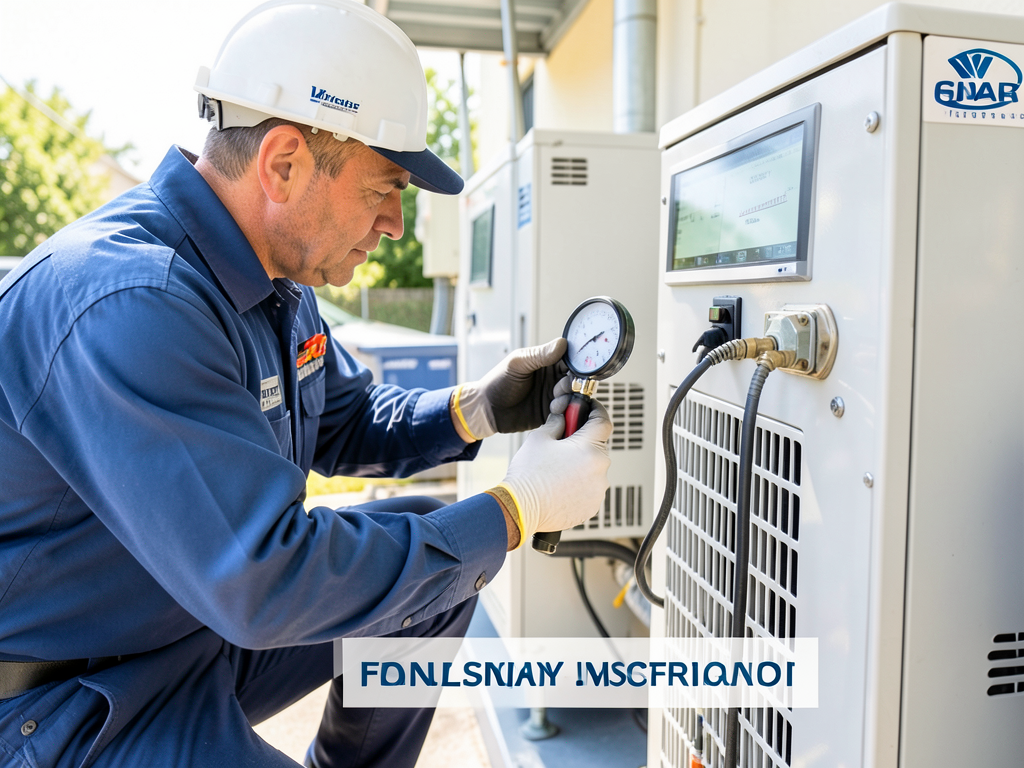
Technician using a digital manifold gauge to measure superheat and subcooling on a high-efficiency heat pump during a Nashville summer inspection.
Pros and Cons of HVAC Leasing Programs
Advantages of Renting Your HVAC System
The biggest appeal of rental programs is the low barrier to entry. You get immediate comfort without the stress of a large upfront investment. Most Nashville rental agreements include:
- Free repairs and parts replacement during the contract term
- Annual maintenance visits included in your monthly payment
- Filter replacement services
- Priority scheduling during peak seasons
For homeowners in areas like Hermitage or Donelson who might need immediate replacement but lack emergency savings, this can provide peace of mind. The included maintenance means you won’t face surprise $200-$400 service calls during Nashville’s brutal July heat waves.
Disadvantages of Long-Term Rental Agreements
However, the convenience comes at a significant cost over time. Nashville homeowners in rental programs often discover these drawbacks:
- Locked into 5-10 year contracts with early termination fees of $500-$1,500
- No equity building or increased home value from the equipment
- Limited equipment selection – you get what’s available in the rental fleet
- Monthly payments continue even after the system would normally be paid off
Additionally, if you sell your home before the contract ends, the buyer must qualify for the rental transfer or you must pay off the remaining balance. In Nashville’s competitive real estate market, this can complicate sales and potentially reduce your home’s appeal to buyers who prefer owned equipment.
The Benefits of Buying Your HVAC System Outright
Owning your HVAC system provides advantages that extend beyond simple cost savings. Nashville homeowners who purchase their equipment gain:
Increased Home Resale Value in the Nashville Market
A new, high-efficiency HVAC system can increase your home’s appraisal value by $3,000-$5,000 in the Nashville metro area. Real estate agents report that modern HVAC equipment ranks among the top three features buyers request when shopping in neighborhoods like Green Hills or Brentwood. Why Your Green Hills Home Needs a Heating Tune Up Before the First Freeze.
Federal Tax Credits and Tennessee Incentives
The 2022 Inflation Reduction Act provides federal tax credits of up to 30% for qualifying high-efficiency HVAC systems, capped at $2,000 for heat pumps. Tennessee Valley Authority (TVA) offers additional rebates through the EnergyRight program, with current incentives providing up to $500 for qualifying SEER2-rated equipment installed in 2026. 2022 Inflation Reduction Act tax credits.
These incentives can reduce your net purchase cost by $1,500-$3,000, making ownership significantly more affordable than the sticker price suggests. NES also offers time-of-use rate programs that can save homeowners an additional 10-15% on cooling costs when paired with smart thermostats. Heating and Cooling Historic Germantown Homes Without Bulky Ductwork.
Energy Efficiency and Nashville’s High Humidity
Modern high-efficiency systems with proper humidity control can reduce your cooling costs by 20-30% compared to older equipment. Nashville’s 90% summer humidity means your AC runs constantly just to remove moisture from the air. Systems with enhanced dehumidification features specifically designed for humid climates can maintain comfort at higher temperatures, reducing run time and energy consumption.
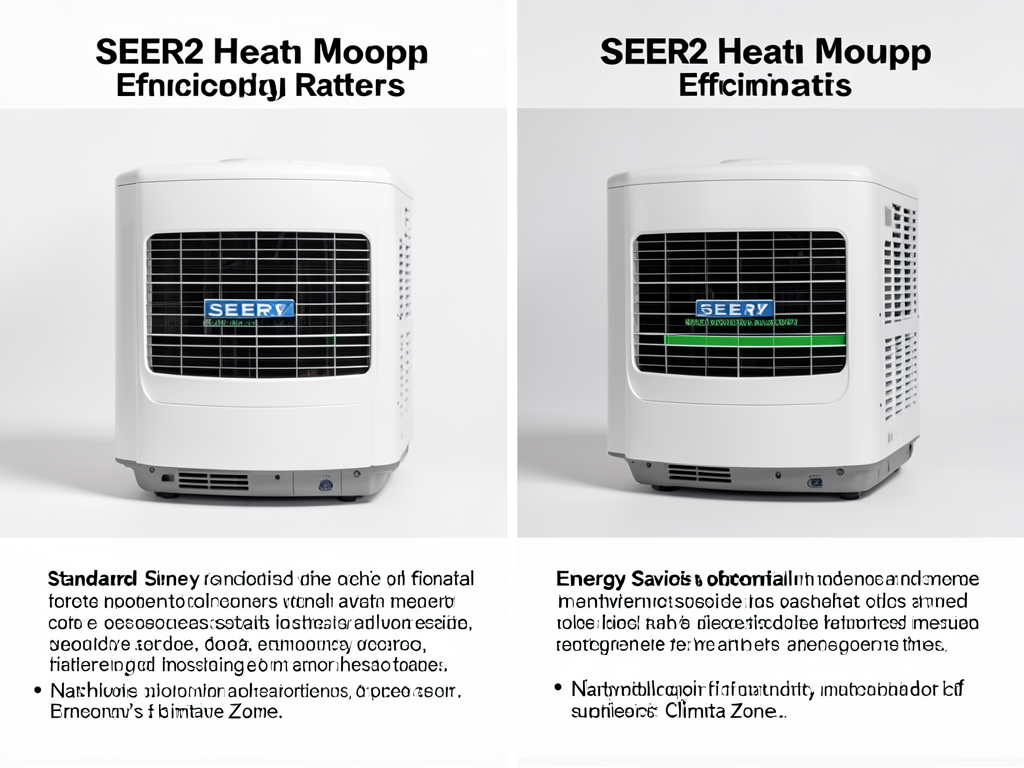
Side-by-side comparison of standard SEER vs. SEER2 heat pump efficiency ratings showing energy savings potential in Nashville’s climate zone.
Comparison Table: Total Cost of Ownership Over 10 Years
| Factor | Rental Program | Purchase (Financed) | Purchase (Cash) |
|---|---|---|---|
| Upfront Cost | $300 | $0 (down payment) | $8,500 |
| Monthly Payment | $125 | $125 | $0 |
| Year 1-5 Total | $7,800 | $7,800 | $8,500 |
| Year 6-10 Total | $7,800 | $0 | $0 |
| 10-Year Grand Total | $15,600 | $7,800 | $8,500 |
| Home Value Impact | None | +$3,000 | +$3,000 |
| Net 10-Year Cost | $15,600 | $4,800 | $5,500 |
The numbers reveal a clear pattern: while renting provides short-term relief, ownership becomes significantly more cost-effective after the fifth year. The break-even point typically occurs between years 4-6, depending on your specific equipment and energy usage patterns.
Special Considerations for Nashville Homeowners
Nashville’s unique characteristics create situations where renting might actually make more sense:
Short-Term Residents or Uncertain Plans
If you plan to sell your home within 3-4 years, the lower upfront cost of renting might outweigh the long-term savings of ownership. This is particularly relevant for homeowners in rapidly developing areas like The Nations or Wedgewood-Houston, where property turnover can be higher.
Historic Home Challenges
Nashville’s historic districts, including East Nashville and Germantown, often have unique HVAC installation requirements due to older construction methods and preservation guidelines. Rental companies sometimes have experience navigating these restrictions, though purchased systems can also be installed to meet historic preservation standards.
Emergency Replacement Situations
When your system fails during a July heat wave, the speed of rental replacement can be worth the premium. Most rental companies in Nashville can install a replacement unit within 24-48 hours, while purchased systems might require 3-7 days for equipment selection and financing approval.
Technician performing a combustion analysis on a gas furnace during a routine maintenance check in a Nashville-area home.
Making the Right Choice for Your Nashville Home
The decision between renting and buying ultimately depends on your specific circumstances. Consider these factors:
- Timeline: How long will you own this home? If less than 5 years, renting might be more economical.
- Budget: Can you afford the upfront investment, or do you need to spread costs over time?
- Energy Goals: Are you focused on maximum efficiency and lowest operating costs?
- Home Plans: Are you planning renovations that might affect HVAC needs?
For most Nashville homeowners planning to stay in their homes more than 5 years, purchasing with available incentives typically provides the best long-term value. The combination of federal tax credits, TVA rebates, and increased home value makes ownership the financially superior choice for the majority of residents in Middle Tennessee.
Call (615) 552-1922 Today to Schedule Your Free Consultation
Don’t let another summer pass with an inefficient or unreliable HVAC system. Our Nashville-based team understands the unique challenges of Middle Tennessee’s climate and can help you evaluate whether renting or buying makes the most sense for your specific situation. We’ll provide transparent pricing, explain all available incentives, and help you understand the true long-term costs of each option.
Call (615) 552-1922 today to schedule your free in-home consultation. We serve all of Nashville and surrounding areas including Mount Juliet, Smyrna, and Murfreesboro. Our NATE-certified technicians will assess your home’s specific needs and provide recommendations tailored to Nashville’s unique climate conditions. HVAC Mount Juliet.
Frequently Asked Questions
Is renting an HVAC system a scam?
HVAC rental programs are legitimate business models, not scams. However, they are often structured to benefit the company more than the homeowner over the long term. The key is understanding the total cost of ownership and comparing it to purchasing options with available incentives.
How long do HVAC rental contracts typically last in Nashville?
Most Nashville-area HVAC rental contracts range from 60 to 120 months (5-10 years). Some companies offer month-to-month options but at higher monthly rates. Be sure to read the fine print about early termination fees, which can range from $500 to $1,500.
Can I transfer my rental contract if I sell my Nashville home?
Yes, most rental contracts allow transfer to new homeowners, but the buyer must qualify for the transfer based on credit requirements. Some sellers choose to buy out the remaining contract balance to make the home more attractive to buyers who prefer owned equipment.
What happens if my rental unit breaks down in the middle of summer?
Rental agreements typically include priority service and free repairs during the contract term. However, during peak summer months in Nashville, even rental customers may experience longer wait times due to high demand. Purchased systems with maintenance agreements often receive similar priority service.
Are there any situations where renting is clearly better than buying?
Renting makes the most sense if you need immediate replacement with no upfront funds available, plan to sell within 3-4 years, or want to avoid all maintenance responsibilities. For long-term homeowners, however, the financial advantages of ownership usually outweigh the convenience of renting.
{
“@context”: “https://schema.org”,
“@type”: “BlogPosting”,
“headline”: “The truth about HVAC rental programs and if they actually make sense for Nashville homeowners”,
“description”: “Is renting your HVAC system a smart move in Nashville’s humid climate? Compare costs, benefits, and long-term value before you decide.”,
“wordCount”: 1652,
“datePublished”: “2026-06-05T06:04:00.000Z”,
“dateModified”: “2026-06-05T06:04:00.000Z”,
“inLanguage”: “en-US”,
“mainEntityOfPage”: {
“@type”: “WebPage”,
“@id”: “https://alphahvacnashville.com”
},
“publisher”: {
“@type”: “LocalBusiness”,
“name”: “Alpha HVAC Nashville”,
“url”: “https://alphahvacnashville.com”
},
“author”: {
“@type”: “Organization”,
“name”: “Alpha HVAC Nashville”,
“url”: “https://alphahvacnashville.com”
},
“image”: {
“@type”: “ImageObject”,
“url”: “https://alphahvacnashville.com/wp-content/uploads/2026/03/the-truth-about-hvac-rental-programs-and-if-they-a-1.png”
}
}
{
“@context”: “https://schema.org”,
“@type”: “HVACBusiness”,
“name”: “Alpha HVAC Nashville”,
“url”: “https://alphahvacnashville.com”,
“address”: {
“@type”: “PostalAddress”,
“addressLocality”: “Nashville”
},
“areaServed”: {
“@type”: “City”,
“name”: “Nashville”
}
}
{
“@context”: “https://schema.org”,
“@type”: “FAQPage”,
“mainEntity”: [
{
“@type”: “Question”,
“name”: “Is renting an HVAC system a scam?”,
“acceptedAnswer”: {
“@type”: “Answer”,
“text”: “HVAC rental programs are legitimate business models, not scams. However, they are often structured to benefit the company more than the homeowner over the long term. The key is understanding the total cost of ownership and comparing it to purchasing options with available incentives.”
}
},
{
“@type”: “Question”,
“name”: “How long do HVAC rental contracts typically last in Nashville?”,
“acceptedAnswer”: {
“@type”: “Answer”,
“text”: “Most Nashville-area HVAC rental contracts range from 60 to 120 months (5-10 years). Some companies offer month-to-month options but at higher monthly rates. Be sure to read the fine print about early termination fees, which can range from $500 to $1,500.”
}
},
{
“@type”: “Question”,
“name”: “Can I transfer my rental contract if I sell my Nashville home?”,
“acceptedAnswer”: {
“@type”: “Answer”,
“text”: “Yes, most rental contracts allow transfer to new homeowners, but the buyer must qualify for the transfer based on credit requirements. Some sellers choose to buy out the remaining contract balance to make the home more attractive to buyers who prefer owned equipment.”
}
},
{
“@type”: “Question”,
“name”: “What happens if my rental unit breaks down in the middle of summer?”,
“acceptedAnswer”: {
“@type”: “Answer”,
“text”: “Rental agreements typically include priority service and free repairs during the contract term. However, during peak summer months in Nashville, even rental customers may experience longer wait times due to high demand. Purchased systems with maintenance agreements often receive similar priority service.”
}
},
{
“@type”: “Question”,
“name”: “Are there any situations where renting is clearly better than buying?”,
“acceptedAnswer”: {
“@type”: “Answer”,
“text”: “Renting makes the most sense if you need immediate replacement with no upfront funds available, plan to sell within 3-4 years, or want to avoid all maintenance responsibilities. For long-term homeowners, however, the financial advantages of ownership usually outweigh the convenience of renting.”
}
}
]
}
{
“@context”: “https://schema.org”,
“@type”: “BreadcrumbList”,
“itemListElement”: [
{
“@type”: “ListItem”,
“position”: 1,
“name”: “Home”,
“item”: “https://alphahvacnashville.com”
},
{
“@type”: “ListItem”,
“position”: 2,
“name”: “Blog”,
“item”: “https://alphahvacnashville.com/blog”
},
{
“@type”: “ListItem”,
“position”: 3,
“name”: “The truth about HVAC rental programs and if they actually make sense for Nashville homeowners”
}
]
}
{
“@context”: “https://schema.org”,
“@type”: “Service”,
“serviceType”: “HVAC”,
“provider”: {
“@type”: “LocalBusiness”,
“name”: “Alpha HVAC Nashville”,
“url”: “https://alphahvacnashville.com”
},
“areaServed”: {
“@type”: “City”,
“name”: “Nashville”
},
“description”: “Is renting your HVAC system a smart move in Nashville’s humid climate? Compare costs, benefits, and long-term value before you decide.”
}