
Middle Tennessee families in 12 South face unique air quality challenges that standard furnace filters simply cannot handle. The humid subtropical climate here creates perfect conditions for mold spores, while spring pollen counts often rank among the nation’s highest. Understanding the difference between passive air filters and active air scrubbers is the first step toward breathing cleaner air in your home.. Read more about Keeping your Antioch home clean when your dog sheds all over the HVAC vents.
What is a Whole-Home Air Filter? (Passive Protection)
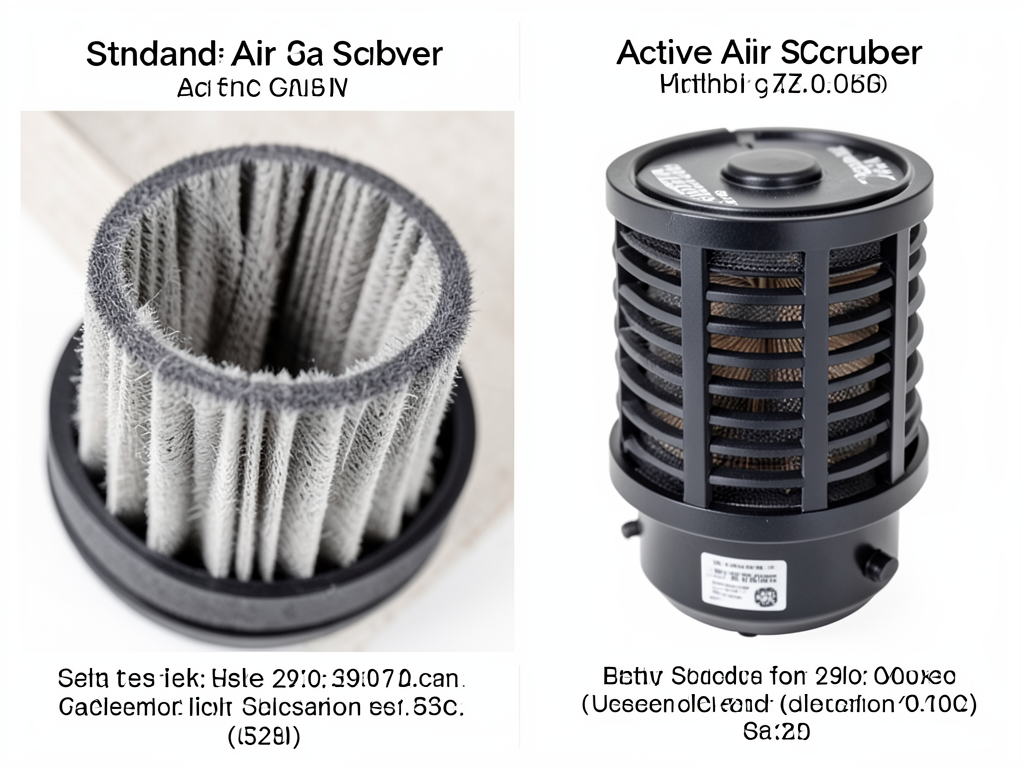
Standard air filters work like a sieve catching particles as air passes through your HVAC system. These passive devices trap dust, pollen, and larger debris using mechanical filtration. The effectiveness depends on the MERV rating with higher numbers capturing smaller particles.. Read more about How to keep your HVAC system safe while renovating your Melrose bungalow.
A 1-inch fiberglass filter with MERV 4-6 rating captures about 20% of particles down to 3-10 microns. These inexpensive filters protect your HVAC equipment but offer minimal air quality improvement for your family. They need monthly replacement and cost around $5-10 each.
Upgrading to pleated filters with MERV 8-11 increases capture rates to 85-95% for particles 3-10 microns. These filters remove more dust, pet dander, and pollen but still allow microscopic particles and gases to circulate. They cost $15-25 and require replacement every 2-3 months.
High-efficiency HEPA filters with MERV 17-20 capture 99.97% of particles 0.3 microns or larger. However, these filters create significant airflow resistance that most residential HVAC systems cannot handle without major modifications. They work best in dedicated air purifiers rather than whole-home systems. EPA Indoor Air Quality Guidelines.
What is an Air Scrubber? (Active Purification Technology)
Air scrubbers use active purification technology that goes beyond simple filtration. Instead of waiting for contaminants to pass through a filter, these systems emit charged particles or UV light that actively seek out and neutralize pollutants throughout your entire home. The Best High Efficiency HVAC Systems for Luxury Homes in Brentwood.
ActivePure technology, commonly used in residential air scrubbers, creates oxidizing molecules that destroy up to 99% of surface and airborne contaminants. The system continuously produces these particles that travel through your ductwork and living spaces, breaking down bacteria, viruses, mold spores, and volatile organic compounds.
UV light air scrubbers install directly in your HVAC ductwork. These systems use germicidal ultraviolet light to disrupt the DNA of microorganisms, preventing them from reproducing. While effective against biological contaminants, UV systems do not remove particles or gases from the air.
Photocatalytic oxidation air scrubbers combine UV light with a catalyst material to create hydroxyl radicals. These powerful oxidizers break down chemical pollutants, odors, and biological contaminants at the molecular level. The process leaves only harmless byproducts like water and carbon dioxide.
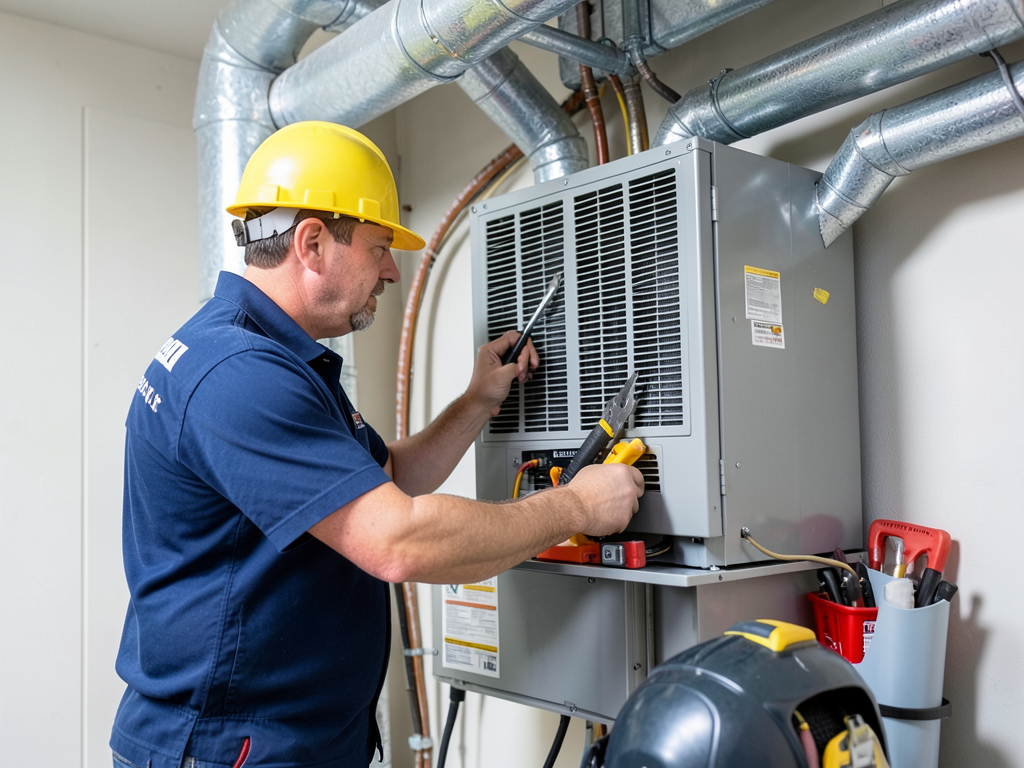
Most air scrubbers install directly into your existing ductwork as a single unit. Installation takes 2-4 hours by a certified HVAC technician and costs between $1,200-2,500 depending on the technology and home size. The systems use minimal electricity and require only annual maintenance.. Read more about How to stop dry skin and static electricity in your Crieve Hall home this winter.
Key Differences: Comparison Table (Cost, Maintenance, Effectiveness)
| Feature | Standard Air Filter | Air Scrubber |
|---|---|---|
| Initial Cost | $5-25 per filter | $1,200-2,500 installed |
| Annual Maintenance | $60-300 (replacement filters) | $100-200 (bulb replacement) |
| Particle Size Captured | 3-10 microns (MERV 8-11) | 0.1-0.3 microns and smaller |
| Active vs. Passive | Passive (waits for air flow) | Active (seeks out contaminants) |
| VOC Removal | No | Yes (with PCO technology) |
| Mold Spore Reduction | Limited | Up to 99% |
| Surface Sanitization | No | Yes (with ActivePure) |
| Lifespan | 1-3 months per filter | 5-10 years for unit |
Nashville Air Quality Challenges: Pollen, Humidity, and Mold
Middle Tennessee’s climate creates specific air quality problems that standard filters struggle to address. The region experiences three distinct pollen seasons with tree pollen in spring, grass pollen in summer, and ragweed in fall. Nashville consistently ranks in the top 20 most challenging cities for allergy sufferers. Nashville AC Repair Companies That Actually Answer the Phone on Weekends.
Humidity levels in 12 South often exceed 70% during summer months. This moisture creates ideal conditions for dust mites, mold growth, and bacterial colonies. Standard filters cannot remove the microscopic particles and gases these organisms produce.
According to the EPA’s Air Quality Index data for Davidson County, ozone levels frequently reach moderate to unhealthy ranges during summer afternoons. These ground-level ozone and other volatile organic compounds require active purification technology for effective removal.
Older homes in 12 South, many built before 1980, often have leaky ductwork that allows outdoor pollutants to enter the HVAC system. The combination of aging construction and Nashville’s high pollen counts means indoor air can be 2-5 times more polluted than outdoor air.
During spring storm season, sudden pressure changes can draw additional contaminants into homes through foundation cracks and poorly sealed windows. Active air scrubbers provide continuous protection against these sudden influxes of outdoor pollutants. Storm Damage HVAC Repair.
Do You Need Both? The Hybrid IAQ Solution
Many 12 South families benefit from using both technologies in a layered approach to indoor air quality. Standard high-MERV filters provide excellent protection for your HVAC equipment and capture larger particles, while air scrubbers handle the microscopic contaminants and gases that cause health problems.
The hybrid system works by installing a high-efficiency filter (MERV 11-13) in your HVAC system for mechanical filtration, then adding an air scrubber for active purification. This combination captures particles down to 0.3 microns while also neutralizing gases, odors, and biological contaminants.
For families with allergy sufferers, asthma patients, or young children, the hybrid approach provides maximum protection. The air scrubber handles the microscopic triggers while the filter protects your expensive HVAC equipment from dust buildup.
Cost analysis shows the hybrid system costs approximately $1,800-3,000 initially but saves money long-term. Standard filters alone cost $300-500 annually in replacements, while the hybrid system reduces filter replacement frequency and extends HVAC equipment life by preventing dust accumulation on coils and motors.
Installation considerations include ensuring your HVAC system has adequate static pressure capacity for high-efficiency filters. Most modern systems handle MERV 11-13 without issues, but older systems may require modifications to maintain proper airflow.
Professional Installation vs. DIY Maintenance
Air scrubber installation requires professional HVAC certification and knowledge of your specific system. The technician must calculate proper sizing, ensure compatibility with your existing equipment, and verify that installation meets all local building codes and EPA guidelines for indoor air quality systems.
DIY filter replacement remains essential regardless of whether you choose a standard filter or hybrid system. Set calendar reminders to check filters monthly during peak usage seasons. Replace standard filters every 30-90 days depending on MERV rating and household conditions.
Air scrubber maintenance involves annual UV bulb replacement and occasional cleaning of the photocatalytic surface. Most systems include indicator lights that signal when maintenance is needed. Professional servicing ensures the system continues operating at peak efficiency.
Testing your air quality after installation helps verify system performance. Many HVAC companies offer indoor air quality testing that measures particulate matter, VOC levels, and humidity before and after installation to demonstrate improvement.
Energy consumption differences between systems are minimal. Standard filters create slight airflow resistance that can increase energy usage by 5-10%. Air scrubbers add only 10-20 watts to your electrical load, comparable to a small LED light bulb.
Insurance considerations may affect your decision. Some homeowners insurance policies offer premium discounts for homes with certified air quality systems, particularly in areas prone to mold or with high allergy rates.
Making the Right Choice for Your 12 South Home
The decision between standard filters and air scrubbers depends on your specific needs, budget, and health concerns. Families with severe allergies, asthma, or chemical sensitivities benefit most from active purification technology. Homes with elderly residents or young children also see significant improvements with air scrubbers.
Consider your home’s age and construction when making decisions. Older homes in 12 South often have more air infiltration and benefit from the continuous protection of active purification. Newer, tightly sealed homes may achieve adequate results with high-quality passive filtration alone.
Local building codes in Davidson County require permits for any HVAC modifications, including air scrubber installation. Professional installation ensures compliance with Metro Nashville codes and maintains manufacturer warranties.
Long-term cost analysis favors air scrubbers for most 12 South families. While the initial investment is higher, the 5-10 year lifespan and reduced filter replacement costs create better value than continually replacing standard filters.
Call (615) 552-1922 today to schedule your indoor air quality consultation. Our certified technicians will test your current air quality, evaluate your HVAC system, and recommend the best solution for your family’s specific needs. Don’t wait until allergy season hits full force to improve your home’s air quality.
Frequently Asked Questions
How long does it take to install an air scrubber?
Professional installation typically takes 2-4 hours depending on your HVAC system configuration and accessibility. Most installations can be completed in a single visit with minimal disruption to your home.
Will an air scrubber make my HVAC system louder?
No. Air scrubbers install inside your existing ductwork and produce minimal noise. You may notice slightly increased airflow as the system works more efficiently, but sound levels remain unchanged.
Do air scrubbers produce ozone?
Most modern air scrubbers are ozone-free and certified by the California Air Resources Board. Always verify the specific model’s certification before installation to ensure it meets EPA safety standards.
How do I know if I need an air scrubber?
Consider an air scrubber if you experience frequent allergies, notice persistent odors, have humidity problems, or want maximum protection against airborne contaminants. Professional air quality testing can identify specific issues in your home.
Can I install an air scrubber myself?
Air scrubber installation requires professional HVAC certification, knowledge of building codes, and proper system integration. DIY installation voids warranties and may create safety hazards or system inefficiencies. For more information, visit ASHRAE Air Filtration Standards.
You may also find this helpful. What Those Strange Banging and Whistling Noises From Your HVAC System Actually Mean.