
The best ways to keep your garage gym cool during a brutal Tennessee July
Nashville summers hit hard with humidity levels often climbing above 70% and temperatures regularly reaching the mid-90s. Your garage can easily become 10-15 degrees hotter than outside, turning your workout space into an unbearable sauna. This guide breaks down proven cooling solutions that work in Middle Tennessee’s climate, from ductless mini-splits to strategic ventilation and insulation upgrades. Heating and Cooling Historic Germantown Homes Without Bulky Ductwork.
Understanding Nashville’s garage climate challenge
Middle Tennessee’s humid subtropical climate creates unique cooling problems. Your garage absorbs heat through metal doors and uninsulated walls, while humidity makes the air feel heavier and stickier. Standard portable fans just circulate hot air, and swamp coolers fail miserably when dew points stay above 65°F. The attached garage shares a wall with your home, allowing heat transfer that can warm interior rooms. Understanding these factors helps you choose solutions that actually work in Nashville’s specific conditions. Nashville AC Repair Companies That Actually Answer the Phone on Weekends.
Top 4 garage cooling options for Nashville homes
Ductless mini-split systems (the gold standard)
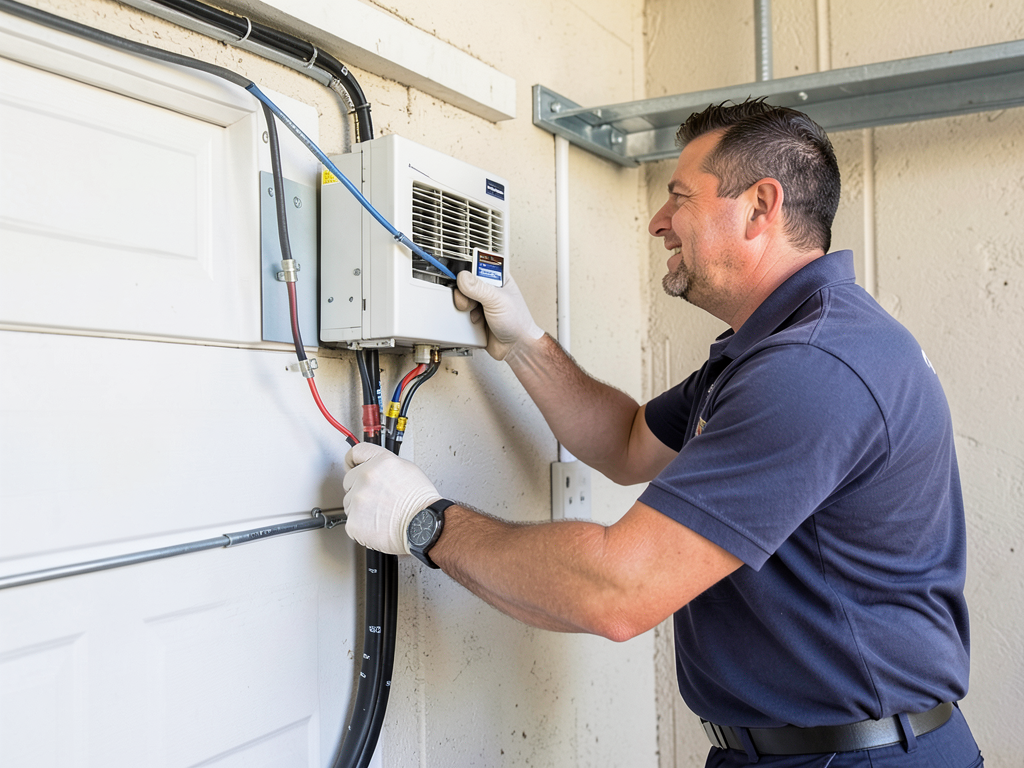
Ductless mini-splits provide targeted cooling without expensive ductwork modifications. These systems mount on walls or ceilings and connect to an outdoor compressor through small refrigerant lines. For a typical two-car garage, you need a 12,000 BTU unit to handle the heat load. Mini-splits excel in Nashville because they both cool and dehumidify, removing up to 3 pints of moisture per hour. Installation takes 4-6 hours and costs $3,500-$5,000 including electrical work. The units operate at whisper-quiet levels, perfect for early morning workouts without disturbing neighbors. The Best High Efficiency HVAC Systems for Luxury Homes in Brentwood.
Garage ventilation and attic fans
Proper ventilation creates airflow that pushes hot air out and pulls cooler air in. Solar-powered gable vents work well for detached garages, while ridge vents combined with soffit vents create natural convection currents. For attached garages, consider a powered attic fan controlled by a thermostat. These fans move 1,500-2,500 cubic feet per minute, significantly reducing ceiling heat gain. Pair ventilation with a ceiling exhaust fan near your workout area to remove body heat and equipment-generated warmth. This approach costs $500-$1,200 installed and works best when combined with insulation.
Portable AC units vs. evaporative coolers (why evaporative coolers fail in TN humidity)
Portable air conditioners provide immediate cooling but require proper venting through a window or wall opening. A 12,000 BTU portable unit costs $400-$600 and cools up to 400 square feet. However, these units struggle in Nashville’s humidity, often producing more condensation than they can remove. Evaporative coolers, also called swamp coolers, actually make your garage feel worse in Tennessee. These devices work by adding moisture to the air, which is the opposite of what you need when humidity already exceeds 70%. The physics simply don’t work here – evaporative cooling only functions effectively when relative humidity stays below 40%.
Insulation and weatherstripping upgrades
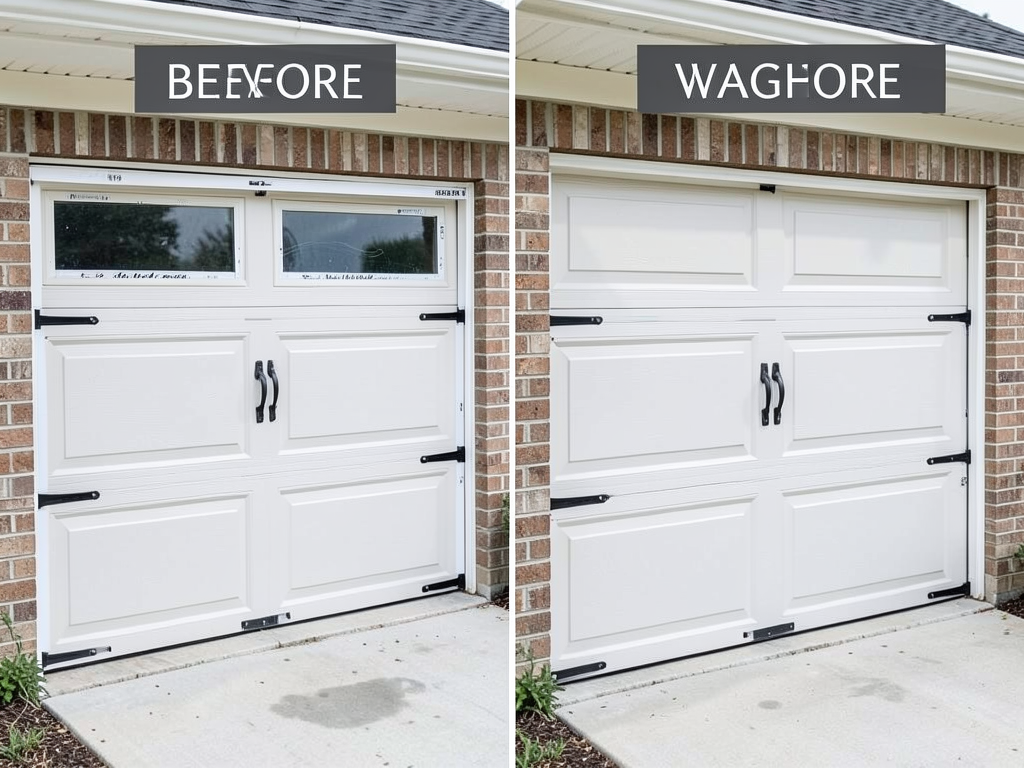
Insulation prevents heat from entering your garage in the first place. Adding R-13 fiberglass batts to uninsulated walls costs $1-$2 per square foot. For the garage door, insulated panels or DIY insulation kits provide R-values of 8-12. Weatherstripping around the door frame and sealing gaps where the door meets the floor stops hot air infiltration. Reflective radiant barriers on the ceiling can reduce heat gain by 30% in attached garages. These improvements cost $500-$1,500 total but pay for themselves through reduced cooling costs and increased comfort.
Nashville building codes and permit requirements
Before installing permanent HVAC equipment, check Davidson County permit requirements. Electrical upgrades for mini-splits need permits from Metro Codes Administration. The Tennessee State Fire Marshal requires licensed HVAC contractors for refrigerant line work. Building codes mandate proper condensate drainage – water cannot simply drain onto your driveway. Most residential garage cooling projects fall under minor mechanical permits, costing $50-$150. Always verify your contractor’s HVAC license status through the Tennessee Board of Heating, Cooling & Plumbing Contractors. Skipping permits risks fines and insurance complications if problems arise.
Cost-benefit analysis: ROI on cooling your workspace
Investing in garage cooling delivers both immediate comfort and long-term value. A ductless mini-split system costs $3,500-$5,000 installed but reduces your home’s cooling load by keeping garage heat from entering living spaces. This can lower summer electric bills by $20-$40 monthly. Quality insulation upgrades cost $500-$1,500 but last 15-20 years with minimal maintenance. Property appraisers recognize finished, climate-controlled garages as valuable additions, potentially increasing home values by $5,000-$8,000 in Nashville’s competitive market. Factor in the health benefits of consistent workouts and the protection of expensive equipment from heat damage when calculating your return on investment. Storm Damage HVAC Repair.
BTU calculation guide for Nashville garage sizes
| Garage Size | Square Footage | Recommended BTU | Estimated Cooling Cost |
|---|---|---|---|
| One-car | 200-300 | 6,000-8,000 | $40-$60/month |
| Two-car | 400-600 | 12,000-18,000 | $70-$100/month |
| Three-car | 700-900 | 18,000-24,000 | $90-$130/month |
Professional installation vs. DIY considerations
DIY installation works for portable AC units and basic insulation but requires electrical knowledge for mini-splits. Professional installation ensures proper refrigerant charging, condensate drainage, and electrical safety. Licensed HVAC technicians understand Nashville’s specific challenges – they know how to seal ductwork in our clay soil conditions and can recommend equipment that handles our high humidity. DIY mistakes can void warranties and create safety hazards. Consider your comfort level with electrical work, local permit requirements, and the complexity of your chosen solution when deciding between professional and DIY installation.
Maintenance tips for Nashville garage cooling systems
Regular maintenance keeps your cooling system efficient during Nashville’s brutal summers. Clean or replace air filters monthly during peak usage. Check condensate drains for clogs – our high humidity means more moisture to remove. Keep outdoor units clear of debris and ensure at least 2 feet of clearance for proper airflow. Schedule professional maintenance annually to check refrigerant levels and electrical connections. These simple steps prevent mid-summer breakdowns when you need cooling most.
Energy efficiency strategies for garage gyms
Combine cooling systems with energy-saving practices to maximize efficiency. Use ceiling fans to create air movement, allowing you to set thermostats 2-3 degrees higher. Install a programmable thermostat to reduce cooling when the gym sits unused. Choose Energy Star certified equipment, which uses 15-20% less electricity than standard models. Consider solar-powered ventilation fans to reduce electrical consumption. These strategies can cut operating costs by 25% while maintaining comfort.
Climate-specific considerations for Middle Tennessee
Nashville’s climate requires cooling solutions that handle both heat and humidity. Our summer dew points often exceed 70°F, making simple ventilation ineffective. Look for equipment with dehumidification modes – these remove moisture without overcooling the space. Consider your garage’s orientation: south-facing doors absorb more heat and may need additional cooling capacity. Nashville’s occasional cold snaps mean you might want reversible heat pump systems for year-round comfort. Local HVAC contractors understand these regional factors and can recommend equipment proven to perform in our specific conditions.
Final thoughts on garage cooling in Nashville
Creating a comfortable garage gym requires understanding Nashville’s unique climate challenges and choosing solutions that address both heat and humidity. Whether you opt for a ductless mini-split, improved ventilation, or a combination approach, proper sizing and installation matter more than brand names. The investment pays off through consistent workouts, protected equipment, and increased home value. Don’t let another Tennessee summer force you out of your gym – take action now to create the comfortable workout space you deserve.
Frequently Asked Questions
What size air conditioner do I need for my two-car garage?
A two-car garage typically needs 12,000-18,000 BTUs depending on insulation, ceiling height, and sun exposure. Use the BTU calculation guide above or consult an HVAC professional for precise sizing. Oversized units cycle on and off too frequently, reducing efficiency and comfort.
Can I use a window AC unit in my garage?
Window units work but require permanent modifications to your garage door or wall. They also struggle with humidity removal in Nashville’s climate. Portable AC units with proper venting offer similar cooling without permanent changes, though they’re slightly less efficient.
How much does it cost to cool a garage in Nashville?
Operating costs range from $40-$130 monthly depending on garage size, insulation quality, and cooling system efficiency. Initial installation costs vary from $500 for basic ventilation to $5,000 for ductless mini-split systems. Factor in reduced home cooling costs when calculating total savings.
Do I need a permit to install a mini-split in my garage?
Yes, Davidson County requires permits for electrical work and refrigerant line installation. The process typically takes 1-2 weeks and costs $50-$150. Licensed HVAC contractors usually handle permitting as part of their service. Skipping permits can result in fines and insurance issues.
What’s the best way to reduce humidity in my garage gym?
Ductless mini-splits with dehumidification modes work best, removing 2-3 pints of moisture per hour. For budget options, combine a portable AC with a standalone dehumidifier. Ensure proper ventilation and fix any water leaks or groundwater intrusion that add moisture to the space.
How long does garage cooling system installation take?
Portable AC units install in under an hour. Mini-split installation typically requires 4-6 hours for a two-car garage. Full insulation upgrades might take 1-2 days depending on garage size. Professional installations include testing and setup that DIY approaches often miss.
Will cooling my garage help reduce my home’s cooling costs?
Yes, especially for attached garages. Heat from an uncooled garage transfers through shared walls, forcing your home’s AC to work harder. Studies show insulated, cooled garages can reduce adjacent room cooling costs by 10-15% during summer months.
What maintenance do garage cooling systems need?
Clean or replace filters monthly during heavy use. Check condensate drains quarterly for clogs. Keep outdoor units clear of debris and ensure proper airflow. Schedule annual professional maintenance to check refrigerant levels and electrical connections. These steps prevent mid-summer breakdowns.
Can I cool my garage gym year-round?
Yes, heat pump mini-splits provide both cooling and heating, making them ideal for year-round comfort. Nashville’s occasional cold snaps make heating capability valuable. These systems cost 20-30% more than cooling-only units but eliminate the need for separate heating equipment. EPA humidity control recommendations.
How do I know if my garage needs additional insulation?
If your garage feels significantly hotter than outside, has uninsulated walls or doors, or shares a wall with your home, you likely need more insulation. Energy audits can identify specific problem areas. Even basic insulation upgrades can reduce cooling needs by 30%.
- Assess Your Current Situation
Measure garage dimensions, check existing insulation, and note sun exposure patterns. This determines cooling capacity needs and identifies problem areas.
- Choose Your Cooling Method
Select between mini-splits, ventilation systems, or portable units based on budget, usage patterns, and installation complexity. Consider humidity removal capabilities for Nashville’s climate.
- Plan for Proper Installation
Check permit requirements, verify contractor licensing, and ensure electrical capacity for your chosen system. Professional installation prevents costly mistakes.
- Implement Insulation Upgrades
Add wall insulation, upgrade garage door panels, and seal air leaks. These improvements reduce cooling costs by up to 50%.
- Maintain Your System
Clean filters monthly, check condensate drains quarterly, and schedule annual professional maintenance. Proper care extends equipment life and maintains efficiency.
Ready to beat the heat?
Don’t let another Nashville summer ruin your workouts. Call (615) 552-1922 today to schedule your garage cooling consultation. Our Nashville HVAC experts understand Middle Tennessee’s unique climate challenges and can recommend the perfect solution for your space and budget. Pick up the phone and call (615) 552-1922 before the next heat wave hits – your comfortable garage gym awaits. For more information, visit U.S. Department of Energy air conditioning guide.
You may also find this helpful. Why your AC smells like a gym locker and how to get rid of dirty sock syndrome for good.
You may also find this helpful. Keeping your boat house or lakeside cabin comfortable with a mini split system.
{
“@context”: “https://schema.org”,
“@type”: “BlogPosting”,
“headline”: “The best ways to keep your garage gym cool during a brutal Tennessee July”,
“description”: “Beat the Nashville heat with proven garage cooling solutions. Learn how mini-splits, insulation, and ventilation keep your gym comfortable all summer.”,
“wordCount”: 1932,
“datePublished”: “2026-05-29T15:53:00.000Z”,
“dateModified”: “2026-05-29T15:53:00.000Z”,
“inLanguage”: “en-US”,
“mainEntityOfPage”: {
“@type”: “WebPage”,
“@id”: “https://alphahvacnashville.com”
},
“publisher”: {
“@type”: “LocalBusiness”,
“name”: “Alpha HVAC Nashville”,
“url”: “https://alphahvacnashville.com”
},
“author”: {
“@type”: “Organization”,
“name”: “Alpha HVAC Nashville”,
“url”: “https://alphahvacnashville.com”
},
“image”: {
“@type”: “ImageObject”,
“url”: “https://alphahvacnashville.com/wp-content/uploads/2026/03/the-best-ways-to-keep-your-garage-gym-cool-during-1.png”
}
}
{
“@context”: “https://schema.org”,
“@type”: “HVACBusiness”,
“name”: “Alpha HVAC Nashville”,
“url”: “https://alphahvacnashville.com”,
“address”: {
“@type”: “PostalAddress”,
“addressLocality”: “Nashville”
},
“areaServed”: {
“@type”: “City”,
“name”: “Nashville”
}
}
{
“@context”: “https://schema.org”,
“@type”: “FAQPage”,
“mainEntity”: [
{
“@type”: “Question”,
“name”: “What size air conditioner do I need for my two-car garage?”,
“acceptedAnswer”: {
“@type”: “Answer”,
“text”: “A two-car garage typically needs 12,000-18,000 BTUs depending on insulation, ceiling height, and sun exposure. Use the BTU calculation guide above or consult an HVAC professional for precise sizing. Oversized units cycle on and off too frequently, reducing efficiency and comfort.”
}
},
{
“@type”: “Question”,
“name”: “Can I use a window AC unit in my garage?”,
“acceptedAnswer”: {
“@type”: “Answer”,
“text”: “Window units work but require permanent modifications to your garage door or wall. They also struggle with humidity removal in Nashville’s climate. Portable AC units with proper venting offer similar cooling without permanent changes, though they’re slightly less efficient.”
}
},
{
“@type”: “Question”,
“name”: “How much does it cost to cool a garage in Nashville?”,
“acceptedAnswer”: {
“@type”: “Answer”,
“text”: “Operating costs range from $40-$130 monthly depending on garage size, insulation quality, and cooling system efficiency. Initial installation costs vary from $500 for basic ventilation to $5,000 for ductless mini-split systems. Factor in reduced home cooling costs when calculating total savings.”
}
},
{
“@type”: “Question”,
“name”: “Do I need a permit to install a mini-split in my garage?”,
“acceptedAnswer”: {
“@type”: “Answer”,
“text”: “Yes, Davidson County requires permits for electrical work and refrigerant line installation. The process typically takes 1-2 weeks and costs $50-$150. Licensed HVAC contractors usually handle permitting as part of their service. Skipping permits can result in fines and insurance issues.”
}
},
{
“@type”: “Question”,
“name”: “What’s the best way to reduce humidity in my garage gym?”,
“acceptedAnswer”: {
“@type”: “Answer”,
“text”: “Ductless mini-splits with dehumidification modes work best, removing 2-3 pints of moisture per hour. For budget options, combine a portable AC with a standalone dehumidifier. Ensure proper ventilation and fix any water leaks or groundwater intrusion that add moisture to the space.”
}
},
{
“@type”: “Question”,
“name”: “How long does garage cooling system installation take?”,
“acceptedAnswer”: {
“@type”: “Answer”,
“text”: “Portable AC units install in under an hour. Mini-split installation typically requires 4-6 hours for a two-car garage. Full insulation upgrades might take 1-2 days depending on garage size. Professional installations include testing and setup that DIY approaches often miss.”
}
},
{
“@type”: “Question”,
“name”: “Will cooling my garage help reduce my home’s cooling costs?”,
“acceptedAnswer”: {
“@type”: “Answer”,
“text”: “Yes, especially for attached garages. Heat from an uncooled garage transfers through shared walls, forcing your home’s AC to work harder. Studies show insulated, cooled garages can reduce adjacent room cooling costs by 10-15% during summer months.”
}
},
{
“@type”: “Question”,
“name”: “What maintenance do garage cooling systems need?”,
“acceptedAnswer”: {
“@type”: “Answer”,
“text”: “Clean or replace filters monthly during heavy use. Check condensate drains quarterly for clogs. Keep outdoor units clear of debris and ensure proper airflow. Schedule annual professional maintenance to check refrigerant levels and electrical connections. These steps prevent mid-summer breakdowns.”
}
},
{
“@type”: “Question”,
“name”: “Can I cool my garage gym year-round?”,
“acceptedAnswer”: {
“@type”: “Answer”,
“text”: “Yes, heat pump mini-splits provide both cooling and heating, making them ideal for year-round comfort. Nashville’s occasional cold snaps make heating capability valuable. These systems cost 20-30% more than cooling-only units but eliminate the need for separate heating equipment. EPA humidity control recommendations.”
}
},
{
“@type”: “Question”,
“name”: “How do I know if my garage needs additional insulation?”,
“acceptedAnswer”: {
“@type”: “Answer”,
“text”: “If your garage feels significantly hotter than outside, has uninsulated walls or doors, or shares a wall with your home, you likely need more insulation. Energy audits can identify specific problem areas. Even basic insulation upgrades can reduce cooling needs by 30%.”
}
},
{
“@type”: “Question”,
“name”: “Ready to beat the heat?”,
“acceptedAnswer”: {
“@type”: “Answer”,
“text”: “Don’t let another Nashville summer ruin your workouts. Call (615) 552-1922 today to schedule your garage cooling consultation. Our Nashville HVAC experts understand Middle Tennessee’s unique climate challenges and can recommend the perfect solution for your space and budget. Pick up the phone and call (615) 552-1922 before the next heat wave hits – your comfortable garage gym awaits. For more information, visit U.S. Department of Energy air conditioning guide.”
}
}
]
}
{
“@context”: “https://schema.org”,
“@type”: “BreadcrumbList”,
“itemListElement”: [
{
“@type”: “ListItem”,
“position”: 1,
“name”: “Home”,
“item”: “https://alphahvacnashville.com”
},
{
“@type”: “ListItem”,
“position”: 2,
“name”: “Blog”,
“item”: “https://alphahvacnashville.com/blog”
},
{
“@type”: “ListItem”,
“position”: 3,
“name”: “The best ways to keep your garage gym cool during a brutal Tennessee July”
}
]
}
{
“@context”: “https://schema.org”,
“@type”: “Service”,
“serviceType”: “HVAC”,
“provider”: {
“@type”: “LocalBusiness”,
“name”: “Alpha HVAC Nashville”,
“url”: “https://alphahvacnashville.com”
},
“areaServed”: {
“@type”: “City”,
“name”: “Nashville”
},
“description”: “Beat the Nashville heat with proven garage cooling solutions. Learn how mini-splits, insulation, and ventilation keep your gym comfortable all summer.”
}