
The Best HVAC Solutions for Home Recording Studios and Practice Spaces in East Nashville
East Nashville musicians need more than just cool air. Your home studio requires HVAC systems engineered for silence, precision, and instrument protection. Standard residential units create noise levels that ruin recordings and cause equipment damage. This guide covers the specialized solutions that keep your creative space comfortable without compromising sound quality. The Best High Efficiency HVAC Systems for Luxury Homes in Brentwood.
Why Recording Studios Need Specialized HVAC
Recording studios face unique challenges that standard HVAC cannot solve. Air movement creates wind noise that microphones pick up. Traditional ductwork vibrates and transmits sound through walls. Temperature fluctuations affect instrument tuning and equipment performance. Humidity swings damage wood instruments and electronics. Storm Damage HVAC Repair.
East Nashville’s humid subtropical climate makes these challenges worse. Summer humidity averages 75% and seasonal swings can reach 40% in a single day. Without proper control, your studio becomes unusable for critical recording work. Nashville AC Repair Companies That Actually Answer the Phone on Weekends.
Understanding Noise Criteria Ratings for Studios
Professional recording spaces target Noise Criteria (NC) ratings between NC-15 and NC-25. This means background noise stays below 15 to 25 decibels. Standard residential HVAC systems typically operate at NC-35 to NC-45, which is 10 to 20 decibels too loud for studio work.
Sound pressure doubles every 10 decibels. An NC-35 system sounds four times louder than an NC-15 system. That difference determines whether you can record clean vocals or must spend hours removing HVAC noise in post-production.
NC ratings measure sound across frequencies from 63 Hz to 8000 Hz. Studios need special testing equipment to verify performance. We use octave band analyzers to measure actual sound levels in your space before and after installation.
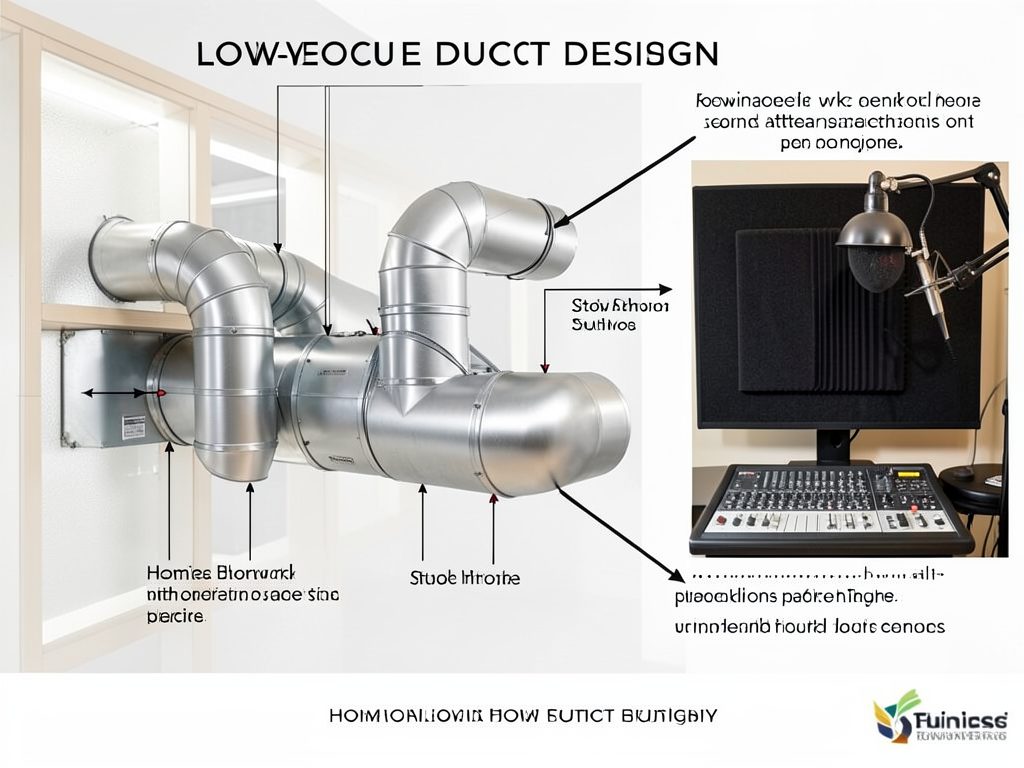
Low-Velocity Duct Design for Silent Operation
Air velocity directly affects noise levels. Standard ducts move air at 600 to 900 feet per minute. Studio systems operate at 200 to 400 feet per minute. Lower velocity means less turbulence and dramatically reduced noise.
Oversized ductwork is essential for low-velocity design. A studio requiring 400 CFM might use 8-inch round duct instead of 6-inch. The larger cross-section reduces air speed while maintaining proper airflow. This design increases material costs but eliminates noise problems.
Duct silencers or attenuators absorb sound before it enters your room. These devices use sound-absorbing material wrapped around perforated inner ducts. They reduce noise by 10 to 20 decibels without restricting airflow. We install them at every supply and return connection to your studio.
IMAGE_PLACEHOLDER_1 – Diagram showing low-velocity duct design with oversized ductwork and sound attenuator placement in a home recording studio.
Variable Refrigerant Flow Systems for Studio Control
VRF systems offer superior noise control for recording spaces. These systems use inverter-driven compressors that adjust capacity based on demand. Instead of cycling on and off, they run continuously at low speeds. This eliminates the loud startup sounds that plague traditional systems.
VRF indoor units mount in ceiling plenums or utility spaces away from recording areas. Only small refrigerant lines connect to your studio, eliminating bulky ductwork. The outdoor units use sound-dampening technology and can be placed 100+ feet from your building. HVAC Mount Juliet.
Individual zone control lets you set different temperatures for control rooms, isolation booths, and equipment closets. Each zone operates independently, preventing temperature battles that cause humidity swings. This precision protects your instruments and maintains consistent recording conditions.
Humidity Control for Instrument Protection
Nashville’s humidity variations destroy wooden instruments. Guitars, pianos, and acoustic instruments need 45% to 55% relative humidity. Outside this range, wood cracks, glues fail, and tuning stability disappears.
Standard HVAC systems cannot maintain this precision. They remove moisture during cooling but add none during heating. VRF systems with integrated humidifiers and dehumidifiers provide year-round control. These units monitor humidity every minute and adjust output automatically. Heating and Cooling Historic Germantown Homes Without Bulky Ductwork.
Precision humidifiers use steam or ultrasonic technology to add moisture without heat. They integrate with your thermostat and maintain accuracy within 2% RH. Dehumidification in winter prevents condensation on cold equipment surfaces.
Dry winter air causes static electricity that damages electronics. Proper humidification eliminates static and protects mixing consoles, computers, and recording interfaces. This protection extends equipment life and prevents costly repairs.
Vibration Isolation for Silent Operation
Mechanical vibration transmits through building structures and creates audible noise. Standard HVAC equipment mounts directly to framing, allowing vibrations to travel through walls and floors. Recording studios need specialized isolation mounting.. Read more about Specialized HVAC solutions for commercial recording studios and rehearsal spaces in Berry Hill.
Spring isolators support air handlers and compressors. These heavy-duty springs absorb vibrations before they reach building structure. They reduce transmitted vibration by 90% or more. Ceiling-mounted equipment needs additional isolation from recording space below.
Flexible duct connectors prevent vibration transmission through ductwork. These woven fabric connectors absorb movement and isolate equipment from duct runs. They replace solid metal connections that transmit every compressor vibration.
Equipment pads isolate outdoor units from ground vibrations. Specialized rubber or spring mounts prevent structure-borne noise from traveling through your foundation. This isolation is critical for basement studios where outdoor units mount near walls.
Ductwork Insulation and Sound Barriers
Standard duct insulation provides thermal protection but minimal sound control. Studio systems need 2-inch to 3-inch sound-absorbing liners inside supply ducts. These liners absorb mid and high-frequency noise generated by air movement.
External duct lagging adds another sound barrier. Mass-loaded vinyl or specialized composite wraps reduce noise transmission through duct walls. This combination can reduce duct noise by 15 decibels compared to standard insulation.
Return air pathways need equal attention. Large return grilles with sound baffles prevent whistling and reduce air velocity. We often use multiple smaller returns instead of one large return to distribute sound absorption.
Equipment Closet Design for Heat Load Management
Recording equipment generates significant heat. Mixing consoles, computers, and amplifiers can produce 1000 to 2000 BTUs per hour. This heat load affects room temperature and humidity control.
Equipment closets need dedicated cooling circuits. Small mini-split systems or dedicated air handlers provide precise temperature control without affecting studio acoustics. These units operate independently and can be located far from recording areas.
Ventilation systems remove heat without creating noise. Low-velocity exhaust fans with sound baffles move hot air out while preventing sound transmission. Intake vents use sound-attenuating louvers to maintain pressure balance quietly.
Control Systems for Studio Integration
Studio HVAC needs integration with recording equipment. Smart thermostats with remote sensors monitor temperature and humidity throughout your space. They adjust operation based on occupancy, equipment load, and external conditions.
Automated setback prevents energy waste during off hours. Systems return to optimal conditions before your scheduled recording sessions. This automation eliminates manual adjustments that disrupt creative flow.. Read more about Why an Energy Recovery Ventilator (ERV) is Essential for Tight New Builds in Wedgewood-Houston.
Remote monitoring alerts you to system problems before they affect recording. Mobile apps show real-time performance data and historical trends. Early warning prevents equipment damage and recording session interruptions.
Building Code Requirements for Studio HVAC
Davidson County requires mechanical permits for all HVAC installations. The Metro Nashville Energy Conservation Code mandates minimum efficiency standards and ventilation requirements. Recording studios often need special exceptions for noise control.
National Fire Protection Association (NFPA) 90A governs duct construction and fire safety. Studio systems must use fire-rated materials and proper smoke dampers. These requirements protect your equipment and ensure safe operation. NFPA Building Codes.
National Electrical Code Article 430 covers motor-operated equipment like air handlers and compressors. Proper overcurrent protection and disconnect requirements prevent equipment damage and ensure safe maintenance access.
IMAGE_PLACEHOLDER_2 – Photo of VRF indoor unit installation in ceiling plenum with vibration isolation mounts and sound attenuators for a home recording studio.
Maintenance for Long-Term Studio Performance
Specialized studio HVAC requires regular maintenance to maintain noise levels. Filter changes every 30 to 60 days prevent airflow restrictions that increase system noise. We use high-capacity filters that last longer without sacrificing air quality.
Coil cleaning removes dirt that reduces heat transfer and increases operating noise. Professional cleaning every six months maintains efficiency and prevents the whining sounds that dirty coils create.
Refrigerant charge checks ensure proper system operation. Low refrigerant causes compressors to work harder and create more noise. Annual checks prevent performance degradation and extend equipment life.
Sound level testing verifies system performance over time. We measure NC ratings annually to ensure your studio maintains professional standards. Early detection of noise increases prevents recording quality issues.
Cost Considerations for Studio HVAC
Studio HVAC costs 40% to 60% more than standard residential systems. The premium covers specialized equipment, oversized ductwork, sound attenuation materials, and precision controls. However, this investment pays for itself through better recordings and equipment protection.
VRF systems cost $8000 to $15000 for a complete studio installation. This includes indoor and outdoor units, refrigerant lines, and basic controls. Additional sound treatment adds $2000 to $5000 depending on your space configuration.
Low-velocity duct systems cost $6000 to $10000 for typical home studios. This covers oversized ductwork, silencers, and specialized insulation. The exact cost depends on your existing infrastructure and noise requirements.
Maintenance contracts for studio systems run $300 to $500 annually. This includes quarterly inspections, filter changes, and performance testing. Regular maintenance prevents costly repairs and ensures consistent recording quality.
Comparing Studio HVAC Options
| System Type | Noise Level (NC) | Cost Range | Best For |
|---|---|---|---|
| VRF Multi-Zone | NC-15 to NC-20 | $8,000 – $15,000 | Professional studios, serious hobbyists |
| Low-Velocity Ducted | NC-20 to NC-25 | $6,000 – $10,000 | Medium studios, practice spaces |
| Mini-Split Systems | NC-25 to NC-30 | $4,000 – $7,000 | Small studios, budget installations |
Installation Timeline and Process
Studio HVAC installation typically requires 2 to 5 days depending on complexity. The process starts with acoustic testing to establish baseline noise levels and identify problem areas.
System design follows testing. We create detailed plans showing equipment locations, duct routing, and sound treatment placement. This design phase ensures optimal performance and minimal visual impact.
Installation begins with equipment mounting and connection. VRF systems require refrigerant line installation and vacuum testing. Ducted systems need custom fabrication and sound treatment application.
Final testing verifies noise levels meet specifications. We measure NC ratings throughout your space and adjust settings for optimal performance. This testing ensures your studio meets professional recording standards.
IMAGE_PLACEHOLDER_3 – Before and after acoustic testing results showing noise reduction from NC-38 to NC-18 after specialized HVAC installation in a Nashville home studio.
Local Success Stories in East Nashville
We’ve helped numerous East Nashville musicians upgrade their creative spaces. One Five Points studio struggled with AC noise bleeding into vocal tracks. Our VRF installation reduced noise by 22 decibels, allowing clean recordings without post-production filtering.
A Lockeland Springs songwriter needed precise humidity control for vintage guitars. Our integrated humidifier/dehumidifier system maintains 48% RH year-round, protecting valuable instruments from Nashville’s humidity swings.
A Riverside Village producer upgraded from window units to a zoned VRF system. The new installation eliminated vibration transmission through shared walls and reduced energy costs by 35% while improving recording quality.
Why Choose Local Expertise
East Nashville’s music community needs contractors who understand both HVAC technology and recording requirements. We’ve worked with producers, engineers, and musicians throughout the area. Our experience ensures your system meets professional standards.
Local knowledge matters for Nashville’s specific climate challenges. We understand how humidity affects recording equipment and design systems accordingly. Our familiarity with local building codes ensures smooth permitting and inspection processes.
Emergency service availability is critical for working musicians. Our team provides 24/7 support for system problems that could interrupt recording sessions or damage equipment. Quick response times minimize downtime and protect your investment.
Getting Started with Your Studio HVAC
The process begins with a site assessment. We evaluate your current system, measure existing noise levels, and discuss your recording requirements. This assessment identifies specific problems and opportunities for improvement.
System design follows assessment. We create detailed plans showing equipment locations, ductwork routing, and sound treatment placement. You’ll see exactly how the new system will improve your recording environment.
Installation scheduling works around your creative schedule. We coordinate with your recording sessions to minimize disruption. Most installations complete within one week, though complex projects may require additional time.
Post-installation support ensures long-term satisfaction. We provide maintenance schedules, troubleshooting guides, and ongoing technical support. Our goal is your studio’s continued success and equipment protection.
Protect Your Creative Investment
Your recording equipment represents a significant investment. Professional HVAC systems protect this investment by maintaining optimal conditions and preventing equipment damage. The cost of specialized HVAC pales compared to replacing damaged instruments or losing recording opportunities.
Quality recordings generate revenue. Professional HVAC eliminates background noise that reduces marketability. Clean recordings attract better clients and command higher rates. This return on investment makes specialized HVAC a smart business decision.
Comfort affects creativity. Consistent temperatures and humidity levels create comfortable working conditions. When you’re not distracted by environmental factors, you focus on making great music.
Frequently Asked Questions
How much quieter is studio HVAC compared to standard systems?
Studio HVAC systems operate 15 to 25 decibels quieter than standard residential units. This reduction eliminates background noise that would otherwise require extensive post-production filtering.
Can I retrofit my existing HVAC for better studio performance?
Partial retrofits can improve performance, but complete system replacement typically provides better results. We can assess your current setup and recommend the most cost-effective approach.
How long do specialized studio HVAC systems last?
With proper maintenance, VRF and low-velocity systems last 15 to 20 years. The specialized components may require earlier replacement, but overall system longevity matches or exceeds standard HVAC.
Do I need permits for studio HVAC installation?
Yes, Davidson County requires mechanical permits for all HVAC work. Our team handles permitting and ensures all installations meet local building codes and safety requirements.
What maintenance do studio HVAC systems require?
Studio systems need quarterly inspections, filter changes every 30 to 60 days, and annual professional cleaning. This maintenance prevents noise increases and ensures optimal performance.
Can studio HVAC help with allergies and air quality?
Absolutely. Studio systems use high-efficiency filters that remove dust, pollen, and other particles. Better air quality protects your equipment and creates healthier working conditions.
How do I know if my current HVAC is affecting my recordings?
Listen for background noise during quiet passages, check for wind noise on vocal tracks, and monitor humidity levels. If you notice these issues, your HVAC may be compromising recording quality.. Read more about The best ways to keep your garage gym cool during a brutal Tennessee July.
What’s the difference between VRF and traditional systems for studios?
VRF systems offer superior noise control, individual zone management, and energy efficiency. They eliminate the cycling noise of traditional systems and provide more precise temperature and humidity control.
How much does studio HVAC installation disrupt my recording schedule?
We work around your schedule to minimize disruption. Most installations complete within one week, and we can often isolate work areas to maintain partial studio functionality.
Can studio HVAC systems integrate with smart home technology?
Yes, modern studio HVAC systems offer smartphone control, remote monitoring, and automation features. These integrations provide convenient control and early problem detection.
Take the Next Step
Your music deserves the best possible environment. Standard HVAC creates noise that ruins recordings and damages equipment. Our specialized studio systems provide the silence, precision, and protection your creative work demands.
We’ve helped East Nashville musicians transform their recording spaces with professional HVAC solutions. Our experience with local climate conditions, building codes, and studio requirements ensures optimal results for your specific needs.
Don’t let HVAC noise compromise your recordings or damage your equipment. Call (615) 552-1922 today to schedule your studio assessment. We’ll evaluate your current system, discuss your requirements, and create a plan that brings professional silence to your creative space.
Pick up the phone and call (615) 552-1922 before the next recording session. Your music deserves HVAC that works as hard as you do. For more information, visit ASHRAE HVAC Standards.
{
“@context”: “https://schema.org”,
“@type”: “BlogPosting”,
“headline”: “The Best HVAC Solutions for Home Recording Studios and Practice Spaces in East Nashville”,
“description”: “Discover specialized HVAC solutions for Nashville’s music spaces. Learn how to achieve silent airflow, precise humidity control, and equipment protection for your home studio.”,
“wordCount”: 2611,
“datePublished”: “2026-05-19T13:22:00.000Z”,
“dateModified”: “2026-05-19T13:22:00.000Z”,
“inLanguage”: “en-US”,
“mainEntityOfPage”: {
“@type”: “WebPage”,
“@id”: “https://alphahvacnashville.com”
},
“publisher”: {
“@type”: “LocalBusiness”,
“name”: “Alpha HVAC Nashville”,
“url”: “https://alphahvacnashville.com”
},
“author”: {
“@type”: “Organization”,
“name”: “Alpha HVAC Nashville”,
“url”: “https://alphahvacnashville.com”
},
“image”: {
“@type”: “ImageObject”,
“url”: “https://alphahvacnashville.com/wp-content/uploads/2026/03/the-best-hvac-solutions-for-home-recording-studios-1.png”
}
}
{
“@context”: “https://schema.org”,
“@type”: “HVACBusiness”,
“name”: “Alpha HVAC Nashville”,
“url”: “https://alphahvacnashville.com”,
“address”: {
“@type”: “PostalAddress”,
“addressLocality”: “Nashville”
},
“areaServed”: {
“@type”: “City”,
“name”: “Nashville”
}
}
{
“@context”: “https://schema.org”,
“@type”: “FAQPage”,
“mainEntity”: [
{
“@type”: “Question”,
“name”: “How much quieter is studio HVAC compared to standard systems?”,
“acceptedAnswer”: {
“@type”: “Answer”,
“text”: “Studio HVAC systems operate 15 to 25 decibels quieter than standard residential units. This reduction eliminates background noise that would otherwise require extensive post-production filtering.”
}
},
{
“@type”: “Question”,
“name”: “Can I retrofit my existing HVAC for better studio performance?”,
“acceptedAnswer”: {
“@type”: “Answer”,
“text”: “Partial retrofits can improve performance, but complete system replacement typically provides better results. We can assess your current setup and recommend the most cost-effective approach.”
}
},
{
“@type”: “Question”,
“name”: “How long do specialized studio HVAC systems last?”,
“acceptedAnswer”: {
“@type”: “Answer”,
“text”: “With proper maintenance, VRF and low-velocity systems last 15 to 20 years. The specialized components may require earlier replacement, but overall system longevity matches or exceeds standard HVAC.”
}
},
{
“@type”: “Question”,
“name”: “Do I need permits for studio HVAC installation?”,
“acceptedAnswer”: {
“@type”: “Answer”,
“text”: “Yes, Davidson County requires mechanical permits for all HVAC work. Our team handles permitting and ensures all installations meet local building codes and safety requirements.”
}
},
{
“@type”: “Question”,
“name”: “What maintenance do studio HVAC systems require?”,
“acceptedAnswer”: {
“@type”: “Answer”,
“text”: “Studio systems need quarterly inspections, filter changes every 30 to 60 days, and annual professional cleaning. This maintenance prevents noise increases and ensures optimal performance.”
}
},
{
“@type”: “Question”,
“name”: “Can studio HVAC help with allergies and air quality?”,
“acceptedAnswer”: {
“@type”: “Answer”,
“text”: “Absolutely. Studio systems use high-efficiency filters that remove dust, pollen, and other particles. Better air quality protects your equipment and creates healthier working conditions.”
}
},
{
“@type”: “Question”,
“name”: “How do I know if my current HVAC is affecting my recordings?”,
“acceptedAnswer”: {
“@type”: “Answer”,
“text”: “Listen for background noise during quiet passages, check for wind noise on vocal tracks, and monitor humidity levels. If you notice these issues, your HVAC may be compromising recording quality.”
}
},
{
“@type”: “Question”,
“name”: “What’s the difference between VRF and traditional systems for studios?”,
“acceptedAnswer”: {
“@type”: “Answer”,
“text”: “VRF systems offer superior noise control, individual zone management, and energy efficiency. They eliminate the cycling noise of traditional systems and provide more precise temperature and humidity control.”
}
},
{
“@type”: “Question”,
“name”: “How much does studio HVAC installation disrupt my recording schedule?”,
“acceptedAnswer”: {
“@type”: “Answer”,
“text”: “We work around your schedule to minimize disruption. Most installations complete within one week, and we can often isolate work areas to maintain partial studio functionality.”
}
},
{
“@type”: “Question”,
“name”: “Can studio HVAC systems integrate with smart home technology?”,
“acceptedAnswer”: {
“@type”: “Answer”,
“text”: “Yes, modern studio HVAC systems offer smartphone control, remote monitoring, and automation features. These integrations provide convenient control and early problem detection.”
}
}
]
}
{
“@context”: “https://schema.org”,
“@type”: “BreadcrumbList”,
“itemListElement”: [
{
“@type”: “ListItem”,
“position”: 1,
“name”: “Home”,
“item”: “https://alphahvacnashville.com”
},
{
“@type”: “ListItem”,
“position”: 2,
“name”: “Blog”,
“item”: “https://alphahvacnashville.com/blog”
},
{
“@type”: “ListItem”,
“position”: 3,
“name”: “The Best HVAC Solutions for Home Recording Studios and Practice Spaces in East Nashville”
}
]
}
{
“@context”: “https://schema.org”,
“@type”: “Service”,
“serviceType”: “HVAC”,
“provider”: {
“@type”: “LocalBusiness”,
“name”: “Alpha HVAC Nashville”,
“url”: “https://alphahvacnashville.com”
},
“areaServed”: {
“@type”: “City”,
“name”: “Nashville”
},
“description”: “Discover specialized HVAC solutions for Nashville’s music spaces. Learn how to achieve silent airflow, precise humidity control, and equipment protection for your home studio.”
}