
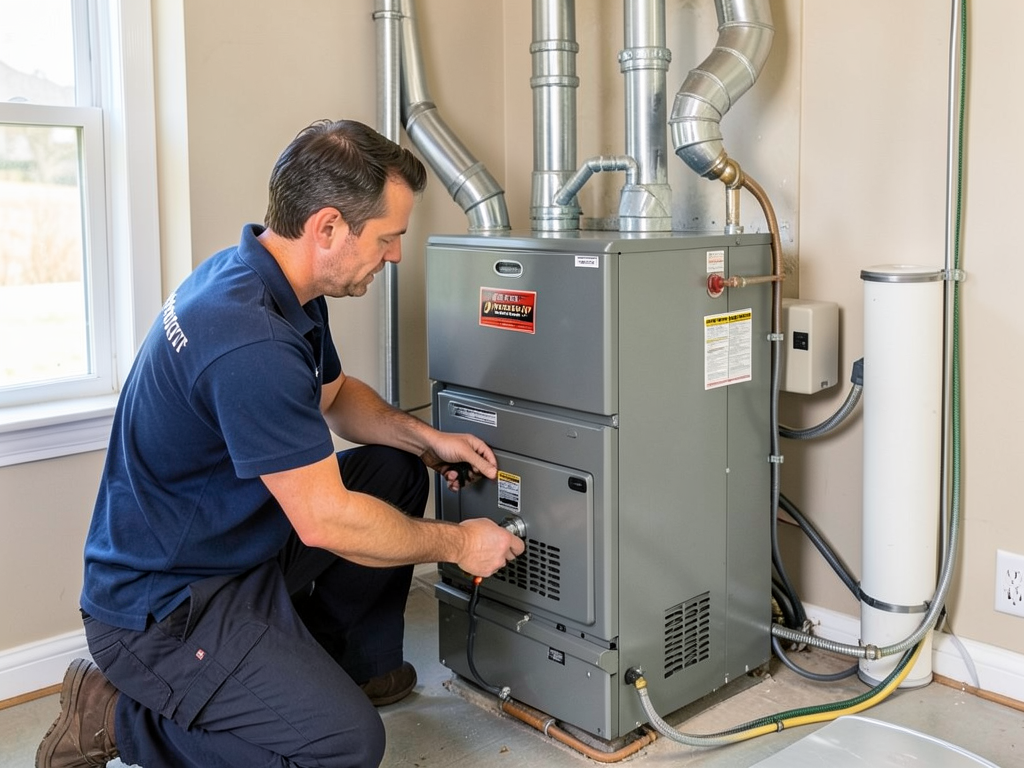
Switching from an old oil furnace to a modern gas or electric system in Kingston Springs
Homeowners in Kingston Springs face a common challenge when winter arrives: aging oil furnaces that are inefficient, costly to operate, and require constant maintenance. The good news is that switching to a modern gas or electric system can provide reliable heating, lower energy bills, and eliminate the hassle of oil deliveries. This comprehensive guide walks you through everything you need to know about making the switch in Kingston Springs, from understanding local utility requirements to navigating permit processes and calculating potential savings. Heating and Cooling Historic Germantown Homes Without Bulky Ductwork.
The transition from oil to gas or electric involves several key steps, including evaluating your home’s current system, selecting the right replacement, coordinating with local utilities like Piedmont Natural Gas, and ensuring compliance with Metro Nashville building codes. With proper planning and expert installation, you can enjoy a more comfortable home while reducing your carbon footprint and increasing your property value. Nashville AC Repair Companies That Actually Answer the Phone on Weekends.
Understanding your current oil furnace system
Oil furnaces in Kingston Springs typically range from 15 to 30 years old, with many homeowners still using systems that were installed when the area was first developed. These older units often operate at efficiency ratings between 60% and 80% AFUE (Annual Fuel Utilization Efficiency), meaning a significant portion of your heating dollars literally goes up the chimney. The Best High Efficiency HVAC Systems for Luxury Homes in Brentwood.
Common signs that your oil furnace needs replacement include frequent breakdowns, rising fuel costs, visible soot around vents, and uneven heating throughout your home. Many Kingston Springs residents also struggle with the logistics of oil tank maintenance, including the risk of leaks and the need for regular deliveries during winter storms. Storm Damage HVAC Repair.
Before making any decisions, it’s important to have a professional HVAC technician evaluate your current system. They can assess the condition of your ductwork, determine if your electrical service can handle an electric heat pump, or check if your home is within range of natural gas lines. This evaluation helps you understand the scope of work required and avoid unexpected costs during the conversion process.. Read more about Upgrading the electrical panel in your Sylvan Park cottage to handle a modern high efficiency HVAC.
Comparing gas and electric heating options for Kingston Springs homes
When switching from oil, you’ll need to decide between natural gas and electric heating systems. Each option has distinct advantages depending on your home’s characteristics and your personal preferences.. Read more about Understanding the difference between a furnace and a boiler for older Middle Tennessee homes.
Natural gas furnaces offer high efficiency ratings up to 98% AFUE and provide consistent, powerful heating even during extreme cold snaps. Gas systems typically have lower operating costs than electric heat pumps in our region, though they require access to natural gas lines and proper venting through a chimney or direct vent system.
Electric heat pumps have become increasingly popular in Middle Tennessee due to their dual heating and cooling capabilities. Modern cold-climate heat pumps can efficiently heat your home even when outdoor temperatures drop below freezing. They’re also quieter, require less maintenance than gas furnaces, and don’t produce combustion byproducts.
The choice between gas and electric often depends on your home’s existing infrastructure. Homes with accessible natural gas lines and proper venting typically find gas conversion more straightforward. Properties without gas service or those prioritizing environmental considerations may prefer electric heat pumps with backup electric resistance heating.
The conversion process: What to expect step by step
Converting from oil to gas or electric requires careful coordination between multiple parties and adherence to local building codes. Here’s what the typical process looks like for Kingston Springs homeowners.
First, you’ll need to schedule a comprehensive home assessment with a licensed HVAC contractor. They’ll evaluate your current system, inspect your electrical service panel, check for natural gas availability, and assess your home’s insulation and air sealing needs. This assessment forms the foundation for your conversion plan.
Next comes the utility coordination phase. If you’re switching to natural gas, Piedmont Natural Gas will need to extend service lines to your property if they don’t already exist. This process typically takes 2-4 weeks and requires permits from Metro Nashville. For electric conversions, NES (Nashville Electric Service) may need to verify your electrical service capacity.
Once utilities are confirmed, the actual installation begins. This includes removing your old oil tank and furnace, installing new equipment, and making any necessary modifications to your home’s infrastructure. Gas conversions often require chimney liner installation to accommodate the different exhaust characteristics of gas furnaces compared to oil units.
Finally, your local building inspector will need to sign off on the work. Metro Nashville requires permits for all major HVAC installations, and the inspection ensures your new system meets all safety and efficiency standards.
Working with Piedmont Natural Gas in Kingston Springs
For homeowners choosing natural gas, understanding the relationship with Piedmont Natural Gas is crucial. The utility company handles the infrastructure side of your conversion, including meter installation and service line connections.
Piedmont Natural Gas typically requires a site survey before beginning any work. They’ll check for existing gas lines in your neighborhood, assess the distance from the main line to your home, and determine if any special equipment like directional boring is needed to cross driveways or landscaping.
The cost of gas line installation varies significantly based on these factors. Homes within 100 feet of an existing main line might qualify for standard installation rates, while properties requiring extensive line extension could face higher costs. Piedmont often offers promotional rates for new gas conversions, so it’s worth asking about current incentives.. Read more about The truth about HVAC rental programs and if they actually make sense for Nashville homeowners.
Once your gas service is active, you’ll need to schedule the meter set appointment. This typically occurs 1-2 weeks after the service line installation is complete. The meter technician will verify all connections and ensure your home is ready for gas service activation.
Local building codes and permit requirements in Kingston Springs
Metro Nashville enforces specific building codes for HVAC installations that all Kingston Springs residents must follow. Understanding these requirements helps ensure your conversion proceeds smoothly without costly delays or rework.
The Metro Nashville Department of Codes and Building Safety requires permits for all furnace replacements and fuel conversions. The permit process typically takes 3-5 business days and costs between $150 and $300 depending on the scope of work. Your HVAC contractor should handle permit applications as part of their service. EPA oil tank removal guidelines.
Specific code requirements include proper venting for gas appliances, adequate combustion air supply, and correct sizing of gas lines according to the International Fuel Gas Code. For oil tank removal, Tennessee state law requires proper disposal through certified hazardous waste handlers, with documentation of the removal process.
Chimney modifications are often necessary when switching from oil to gas. Gas furnaces produce different exhaust characteristics than oil units, typically requiring smaller vent pipes and sometimes chimney liners to prevent condensation damage. The International Residential Code mandates these modifications to ensure safe operation.
Electrical upgrades may also be required for electric heat pump installations. The National Electrical Code specifies minimum circuit ampacity and overcurrent protection based on the equipment’s nameplate ratings. Older homes in Kingston Springs may need service panel upgrades to accommodate the new electrical load.
Cost breakdown and return on investment
The total cost of converting from oil to gas or electric varies widely based on your home’s specific requirements and the equipment you choose. Understanding the cost components helps you budget appropriately and identify potential savings opportunities.
Equipment costs typically range from $3,500 to $7,500 for a standard efficiency gas furnace or $4,000 to $8,000 for a heat pump system. High-efficiency models with advanced features can cost $8,000 to $12,000 or more. These prices include the furnace or heat pump but not installation or additional work.
Installation costs add another $2,000 to $5,000 depending on the complexity of your conversion. Gas line installation by Piedmont Natural Gas ranges from $500 to $3,000 based on distance and terrain. Oil tank removal typically costs $500 to $1,500, with higher costs if soil testing reveals contamination.
Permit fees, electrical upgrades, and chimney modifications can add $1,000 to $3,000 to your total. However, these investments often pay for themselves through reduced energy bills within 3-7 years, depending on your usage patterns and local utility rates.
Natural gas customers in Middle Tennessee currently pay approximately $1.00 to $1.50 per therm, while heating oil costs around $3.00 to $4.00 per gallon. Electric heat pumps offer efficiency ratings of 300% to 400%, meaning they produce 3-4 units of heat for every unit of electricity consumed.
Available rebates and tax credits for Kingston Springs residents
Several financial incentives can significantly reduce the cost of your oil-to-gas or electric conversion. These programs are designed to encourage energy efficiency and reduce carbon emissions in Middle Tennessee communities.
The federal government offers tax credits through the Inflation Reduction Act for qualifying high-efficiency heating equipment. Gas furnaces with AFUE ratings of 97% or higher and electric heat pumps meeting ENERGY STAR criteria may qualify for credits up to $600 for furnaces and $2,000 for heat pumps.
Piedmont Natural Gas provides equipment rebates for customers who install high-efficiency gas furnaces and water heaters. Current rebates range from $150 to $500 depending on the equipment’s efficiency rating and may be combined with federal tax credits for maximum savings.
TVA EnergyRight offers additional incentives for electric heat pump installations through participating contractors. These rebates typically range from $250 to $500 and may be available for both new installations and replacements of older electric or fossil fuel heating systems.
Local utility providers sometimes offer seasonal promotions or financing programs to make conversions more affordable. NES occasionally partners with HVAC contractors to provide low-interest financing or bill credit options for energy-efficient equipment upgrades.
Environmental considerations and carbon footprint reduction
Switching from oil to gas or electric significantly reduces your home’s carbon emissions and environmental impact. This consideration is increasingly important to Kingston Springs homeowners who want to contribute to cleaner air and reduced greenhouse gas emissions. Why Your Green Hills Home Needs a Heating Tune Up Before the First Freeze.
Oil furnaces produce approximately 22 pounds of CO2 per million BTU of heat, while natural gas generates about 12 pounds per million BTU. Electric heat pumps can produce as little as 6-8 pounds of CO2 per million BTU when powered by TVA’s increasingly renewable energy mix, which includes solar, hydroelectric, and nuclear generation.
Beyond carbon emissions, oil heating systems pose additional environmental risks through potential tank leaks and spills. Even small leaks can contaminate soil and groundwater, requiring expensive remediation. Gas and electric systems eliminate these risks while providing reliable heating performance.
The transition also improves indoor air quality by eliminating combustion byproducts like carbon monoxide, sulfur dioxide, and particulate matter. This is particularly beneficial for households with respiratory sensitivities or young children.
Many Kingston Springs residents find that the environmental benefits of conversion align with their values while also providing practical advantages like reduced maintenance and improved system reliability.
Common challenges and how to avoid them
While oil-to-gas or electric conversions offer numerous benefits, certain challenges can arise during the process. Understanding these potential issues helps you prepare and ensure a smooth transition.
Unexpected oil tank issues represent one of the most common complications. Underground tanks may have deteriorated over time, leading to soil contamination that requires professional remediation. Always budget for potential tank removal complications and request soil testing as part of your conversion plan.
Gas line availability can be another hurdle. Some Kingston Springs properties, particularly those in newer developments or rural areas, may not have access to natural gas infrastructure. In these cases, electric heat pumps become the primary alternative, though they may require electrical service upgrades.
Historic homes often present unique challenges due to their construction methods and preservation requirements. Original ductwork, plaster walls, and historic preservation guidelines may limit modification options or require specialized installation techniques.
Weather delays can impact outdoor work like gas line installation or oil tank removal. Tennessee’s unpredictable weather patterns mean these activities may need rescheduling, potentially extending your overall project timeline by several days or weeks.
Working with experienced contractors who understand local conditions and have established relationships with utilities can help you navigate these challenges efficiently. They can often anticipate problems before they arise and develop contingency plans to keep your project on track.
Maintenance considerations for your new system
After converting to gas or electric, understanding the maintenance requirements for your new system helps ensure optimal performance and longevity. Each type of system has specific maintenance needs that differ from traditional oil furnaces.
Gas furnaces require annual professional maintenance including burner inspection, heat exchanger examination, and gas pressure verification. The combustion process in gas systems produces less soot than oil, but regular cleaning of burners and heat exchangers remains important for efficiency and safety.
Electric heat pumps need different maintenance focusing on refrigerant levels, coil cleaning, and airflow verification. The reversing valve that allows heat pumps to provide both heating and cooling requires periodic inspection to ensure proper operation during seasonal transitions.
Air filter replacement becomes even more critical with modern high-efficiency systems. Clean filters maintain proper airflow, reduce energy consumption, and prevent premature component wear. Most systems require filter changes every 1-3 months depending on household conditions and filter type.
Smart thermostats can optimize your new system’s performance by learning your schedule and adjusting temperatures automatically. Many modern HVAC systems include Wi-Fi connectivity for remote monitoring and control, allowing you to track energy usage and receive maintenance alerts.
Regular maintenance not only extends equipment life but also maintains warranty coverage. Most manufacturers require annual professional service to keep warranties valid, making it a worthwhile investment for protecting your conversion investment.
Impact on home value and marketability
Converting from oil to gas or electric can positively impact your home’s market value and appeal to potential buyers. Modern, efficient heating systems are increasingly important selling points in today’s real estate market.
Buyers often view oil heating as outdated and associate it with higher operating costs and maintenance requirements. A modern gas furnace or electric heat pump can make your home more attractive to a broader range of potential purchasers, particularly younger buyers who prioritize energy efficiency.
The removal of oil tanks, especially underground ones, eliminates a potential liability concern for buyers. Environmental issues related to tank leaks or spills can derail real estate transactions, so their removal streamlines the selling process.
Energy efficiency ratings and utility costs become selling points when marketing your home. You can highlight the lower operating costs of your new system compared to the previous oil setup, providing concrete data about annual savings.
Modern HVAC systems often include features like zoning capabilities, smart controls, and improved air filtration that appeal to health-conscious buyers. These features can differentiate your property in competitive real estate markets.
While the exact value increase varies by market conditions and the quality of your conversion, many Kingston Springs homeowners find that their investment in modern heating pays dividends when it’s time to sell.
Frequently Asked Questions
How long does an oil to gas or electric conversion typically take?
The entire conversion process usually takes 2-6 weeks from start to finish, depending on utility coordination, permit processing, and weather conditions. The actual installation work typically requires 2-3 days once all preparations are complete.
Can I keep my existing ductwork when switching from oil?
In most cases, existing ductwork can be reused with minor modifications. However, older ducts may need sealing or insulation upgrades to maximize the efficiency of your new system. A professional assessment will determine if any ductwork modifications are necessary.
What happens to my old oil tank during the conversion?
Oil tanks must be properly removed and disposed of according to Tennessee environmental regulations. Underground tanks require soil testing to check for contamination, while above-ground tanks are typically drained, cleaned, and recycled as scrap metal.
Are there any tax implications for switching from oil to gas or electric?
While the conversion itself isn’t tax-deductible, you may qualify for federal tax credits on qualifying high-efficiency equipment through the Inflation Reduction Act. These credits can offset a significant portion of your equipment costs.
How do I know if natural gas is available at my Kingston Springs home?
You can check gas availability by contacting Piedmont Natural Gas directly or through your HVAC contractor. They can verify if gas lines run on your street and estimate the cost of extending service to your property if needed.
Will I need to upgrade my electrical service for an electric heat pump?
Some older homes may need electrical service upgrades to accommodate heat pump systems, particularly if they currently have 60-amp or 100-amp service. A professional load calculation will determine if your existing electrical service is sufficient.
Making the switch: Next steps for Kingston Springs homeowners
Converting from oil to gas or electric represents a significant home improvement that offers immediate comfort benefits and long-term cost savings. The process requires careful planning and coordination, but the results are well worth the effort for most Kingston Springs residents.
Start by scheduling a professional assessment to understand your specific situation and options. This evaluation will identify any potential challenges and help you develop a realistic budget and timeline for your conversion project.
Research available incentives and rebates before making final decisions about equipment selection. The combination of federal tax credits, utility rebates, and energy savings can make the conversion more affordable than many homeowners initially expect.
Choose a qualified HVAC contractor with experience in oil-to-gas and oil-to-electric conversions. Their expertise in local building codes, utility coordination, and proper installation techniques ensures your new system operates safely and efficiently for years to come.
The transition from oil to modern heating represents an investment in your home’s comfort, efficiency, and value. With proper planning and execution, you’ll enjoy reliable heating while eliminating the hassles and costs associated with oil heating systems.
Ready to upgrade your Kingston Springs home’s heating system? Call (615) 552-1922 today to schedule your free assessment and take the first step toward more efficient, reliable heating. Our experienced team understands the unique requirements of Middle Tennessee homes and can guide you through every step of the conversion process. For more information, visit U.S. Department of Energy heating systems guide.
{
“@context”: “https://schema.org”,
“@type”: “BlogPosting”,
“headline”: “Switching from an old oil furnace to a modern gas or electric system in Kingston Springs”,
“description”: “Learn the complete process of replacing your old oil furnace with a modern gas or electric system in Kingston Springs. Local codes, costs, and rebates explained.”,
“wordCount”: 3047,
“datePublished”: “2026-05-27T12:07:00.000Z”,
“dateModified”: “2026-05-27T12:07:00.000Z”,
“inLanguage”: “en-US”,
“mainEntityOfPage”: {
“@type”: “WebPage”,
“@id”: “https://alphahvacnashville.com”
},
“publisher”: {
“@type”: “LocalBusiness”,
“name”: “Alpha HVAC Nashville”,
“url”: “https://alphahvacnashville.com”
},
“author”: {
“@type”: “Organization”,
“name”: “Alpha HVAC Nashville”,
“url”: “https://alphahvacnashville.com”
},
“image”: {
“@type”: “ImageObject”,
“url”: “https://alphahvacnashville.com/wp-content/uploads/2026/03/switching-from-an-old-oil-furnace-to-a-modern-gas-1.png”
}
}
{
“@context”: “https://schema.org”,
“@type”: “HVACBusiness”,
“name”: “Alpha HVAC Nashville”,
“url”: “https://alphahvacnashville.com”,
“address”: {
“@type”: “PostalAddress”,
“addressLocality”: “Nashville”
},
“areaServed”: {
“@type”: “City”,
“name”: “Nashville”
}
}
{
“@context”: “https://schema.org”,
“@type”: “FAQPage”,
“mainEntity”: [
{
“@type”: “Question”,
“name”: “How long does an oil to gas or electric conversion typically take?”,
“acceptedAnswer”: {
“@type”: “Answer”,
“text”: “The entire conversion process usually takes 2-6 weeks from start to finish, depending on utility coordination, permit processing, and weather conditions. The actual installation work typically requires 2-3 days once all preparations are complete.”
}
},
{
“@type”: “Question”,
“name”: “Can I keep my existing ductwork when switching from oil?”,
“acceptedAnswer”: {
“@type”: “Answer”,
“text”: “In most cases, existing ductwork can be reused with minor modifications. However, older ducts may need sealing or insulation upgrades to maximize the efficiency of your new system. A professional assessment will determine if any ductwork modifications are necessary.”
}
},
{
“@type”: “Question”,
“name”: “What happens to my old oil tank during the conversion?”,
“acceptedAnswer”: {
“@type”: “Answer”,
“text”: “Oil tanks must be properly removed and disposed of according to Tennessee environmental regulations. Underground tanks require soil testing to check for contamination, while above-ground tanks are typically drained, cleaned, and recycled as scrap metal.”
}
},
{
“@type”: “Question”,
“name”: “Are there any tax implications for switching from oil to gas or electric?”,
“acceptedAnswer”: {
“@type”: “Answer”,
“text”: “While the conversion itself isn’t tax-deductible, you may qualify for federal tax credits on qualifying high-efficiency equipment through the Inflation Reduction Act. These credits can offset a significant portion of your equipment costs.”
}
},
{
“@type”: “Question”,
“name”: “How do I know if natural gas is available at my Kingston Springs home?”,
“acceptedAnswer”: {
“@type”: “Answer”,
“text”: “You can check gas availability by contacting Piedmont Natural Gas directly or through your HVAC contractor. They can verify if gas lines run on your street and estimate the cost of extending service to your property if needed.”
}
},
{
“@type”: “Question”,
“name”: “Will I need to upgrade my electrical service for an electric heat pump?”,
“acceptedAnswer”: {
“@type”: “Answer”,
“text”: “Some older homes may need electrical service upgrades to accommodate heat pump systems, particularly if they currently have 60-amp or 100-amp service. A professional load calculation will determine if your existing electrical service is sufficient.”
}
}
]
}
{
“@context”: “https://schema.org”,
“@type”: “BreadcrumbList”,
“itemListElement”: [
{
“@type”: “ListItem”,
“position”: 1,
“name”: “Home”,
“item”: “https://alphahvacnashville.com”
},
{
“@type”: “ListItem”,
“position”: 2,
“name”: “Blog”,
“item”: “https://alphahvacnashville.com/blog”
},
{
“@type”: “ListItem”,
“position”: 3,
“name”: “Switching from an old oil furnace to a modern gas or electric system in Kingston Springs”
}
]
}
{
“@context”: “https://schema.org”,
“@type”: “Service”,
“serviceType”: “HVAC”,
“provider”: {
“@type”: “LocalBusiness”,
“name”: “Alpha HVAC Nashville”,
“url”: “https://alphahvacnashville.com”
},
“areaServed”: {
“@type”: “City”,
“name”: “Nashville”
},
“description”: “Learn the complete process of replacing your old oil furnace with a modern gas or electric system in Kingston Springs. Local codes, costs, and rebates explained.”
}